“The way forward isn’t a road we take; the way forward is a road women make.”
Amanda Gorman
I started this blog wanting to write about the current biodiversity crisis, around the time of the UN Biodiversity Conference in Montreal last year.
I read some of the latest and tragic statistics on the snowballing speed at which our activity is killing other species.
Mammals, insects, turtles, fish, vertebrates, invertebrates, wetlands, coral, forests.
All life on Earth is under threat.
I thought, woah, we don’t want to read more about that.
I’ll have a mass-extinction of subscribers if I hit you with all that gloom.
I took a break from writing.
I went back to reading Entangled Life a book about fungi, mycology and ground-breaking research on the remarkable properties of fungi.
Maybe I'd take some notes, I'd love to write more about fungi.
I could spend all day reading about them.
I did.
The whole day, maybe two; no notes.
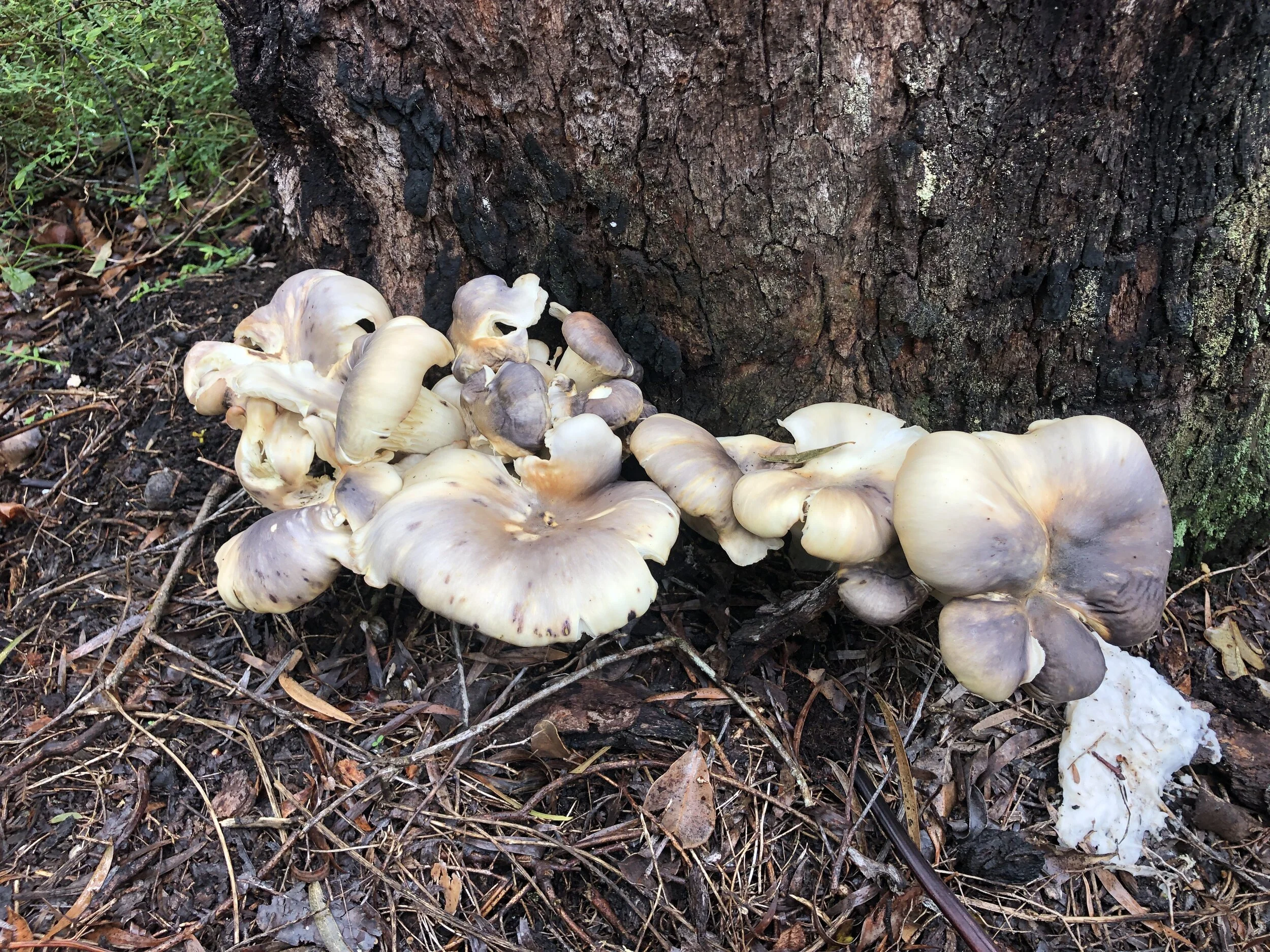
Did you know the largest organism on the planet is a fungus?
Armillaria ostoyae – they call it the honey mushroom; 3.5 sq miles under a forest in Oregon.
I pushed on with biodiversity.
I made myself read a few paragraphs about the conference in Montreal.
The nations of the world had agreed on a ‘landmark’ global biodiversity framework.
4 goals, 23 targets.
30 percent of the planet protected by 2030.
Hope?
Déjà vu?
Blah blah blah,’ said Greta Thunberg.
I googled Greta to find out how old she was now. She’s 20 and she’d released a book: The Climate Book. I downloaded it, put in my earbuds and listened to it for the next 3 days.
It’s impressive, urgent and angry, with contributions from 100 global leaders in their field; it is also authoritative.
‘When it comes to the climate and ecological crisis, we have solid unequivocal scientific evidence of the need for change.
The science is as solid as it gets.
We need a new way of thinking,’ says Greta.
We sure do.
When I came back to this blog, it was the middle of February, soon I’d have to write about International Women’s Day.
I sigh, it’s time to pull my finger out.
I google different combinations of ‘women, fungi, biodiversity’.
And there, on the world wide web, women, fungi and biodiversity, I found.
HAPPY INTERNATIONAL WOMEN’S DAY!
Enjoy reading about these remarkable women and their important and extraordinary vision and work.
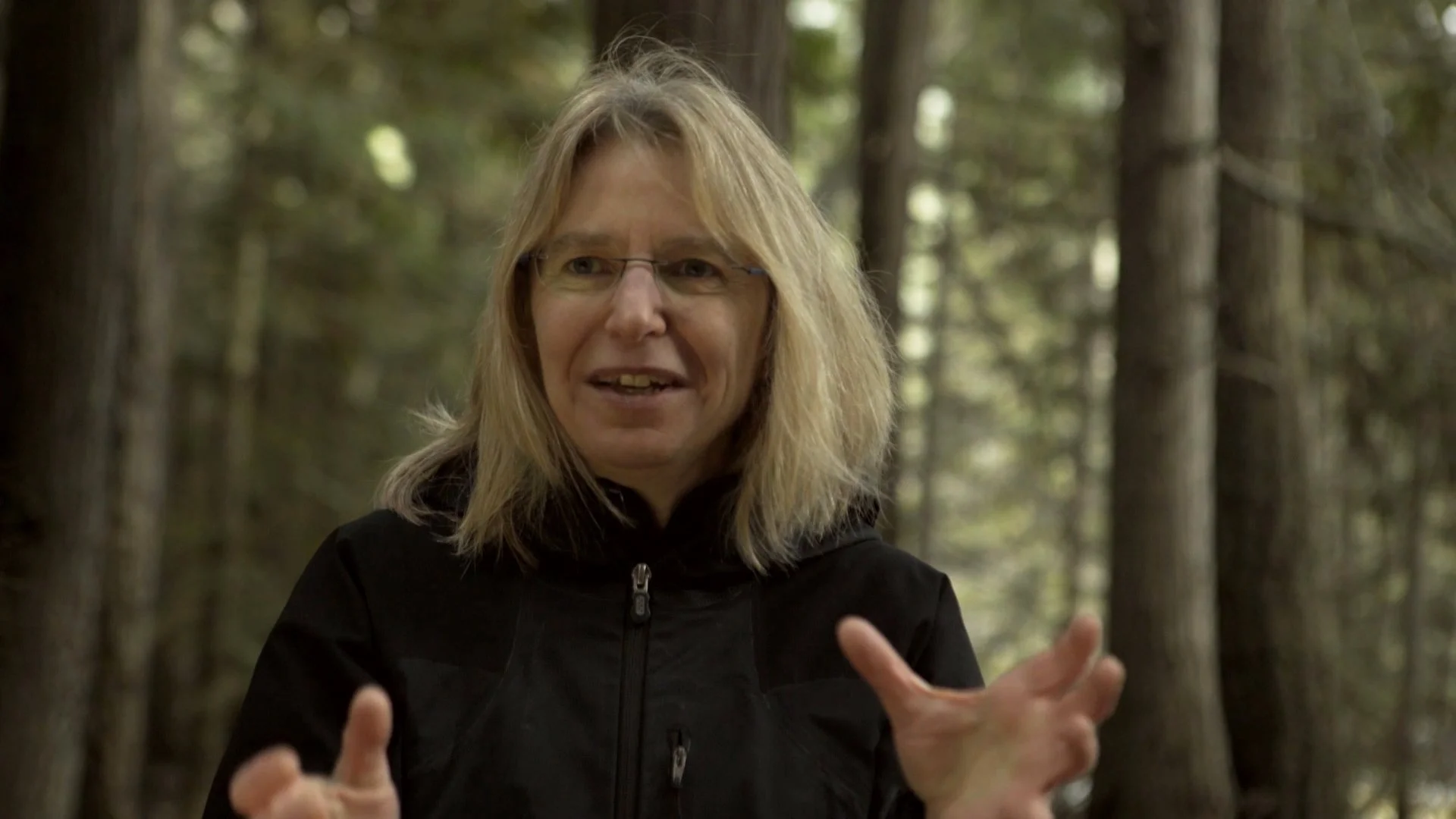
Suzanne Simard, is a Canadian professor of forest ecology at the university of British Columbia.
She was the first to suggest the possibility that trees move carbon and other resources through fungal networks under the forest floor.
Then she proved it.
Unequivocally.
Her pioneering research into what she coined ‘the Wood Wide Web’ showed that forests are intelligent systems.
They communicate.
They collaborate.
These systems are sustained by a mutually beneficial relationship between trees and the mycorrhizal networks of mycelia (fungi).
They are also overseen and directed by ‘mother trees’ who ensure that carbon, sugar, hormones, nitrogen, water, and other resources are sent to the trees that need them the most.
Darwinists, whose ‘survival of the fittest’, competitive paradigm has been turned on its head, were resistant.
Simard struggled to find funding.
But science is science, and a PhD and more than 200 articles on the subject, could not be silenced.
Simard is trying to influence logging practices, a principal contributor to biodiversity loss.
If logging continues to ignore the role Mother Trees play in the resilience of old growth forests, they will destroy any possibility of survival and renewal.
She makes an analogy to bolts being removed from an airplane.
You can take quite a few bolts and screws out without causing any great damage, but if you take out the bolts that hold the wings to the body of the plane, there is nothing to do but plummet.
Likewise, in a forest, certain trees hold the forest together.
In her book, Finding the Mother Tree, Simard shares this important understanding of forests and their innate wisdom.
She also leads The Mother Tree Project, a research project into old growth forests and all the ways in which biodiversity, regeneration and carbon storage can be protected.
2026 update. Here is a link to Simard being interviewed in 2026 by Atmost editor-in-chief, Willow Defebaugh in the podcast The Nature Of - such a great interview. Suzanne Simard: How to be a Mother Tree
“They (trees) are our life support systems, and they need us to look after them in a really heartful and careful sense. And so we have to get back to that wisdom, that knowledge that we have deep in our DNA of how to care and steward these forests. So yes, we need to return, but we need to return in a really intentional and heartful way.” Says Simard.
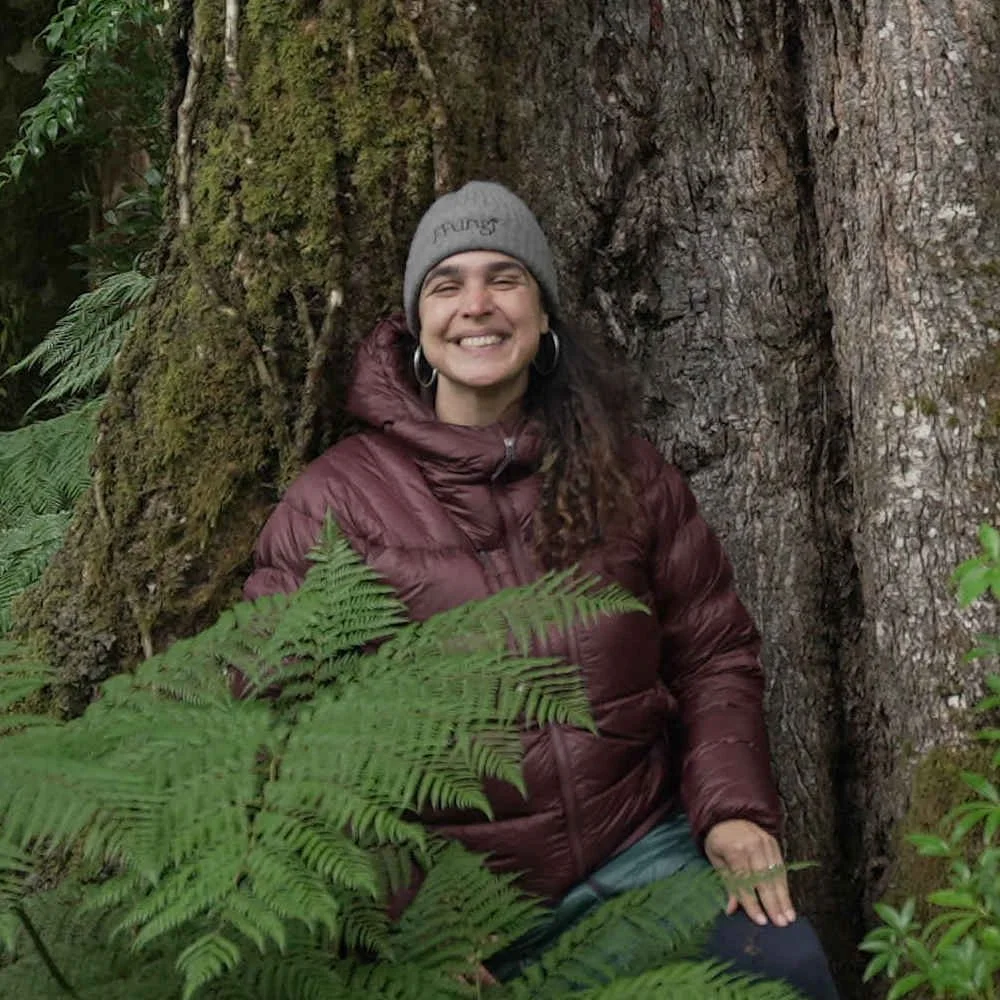
Giuliana Furci - Fungi Foundation