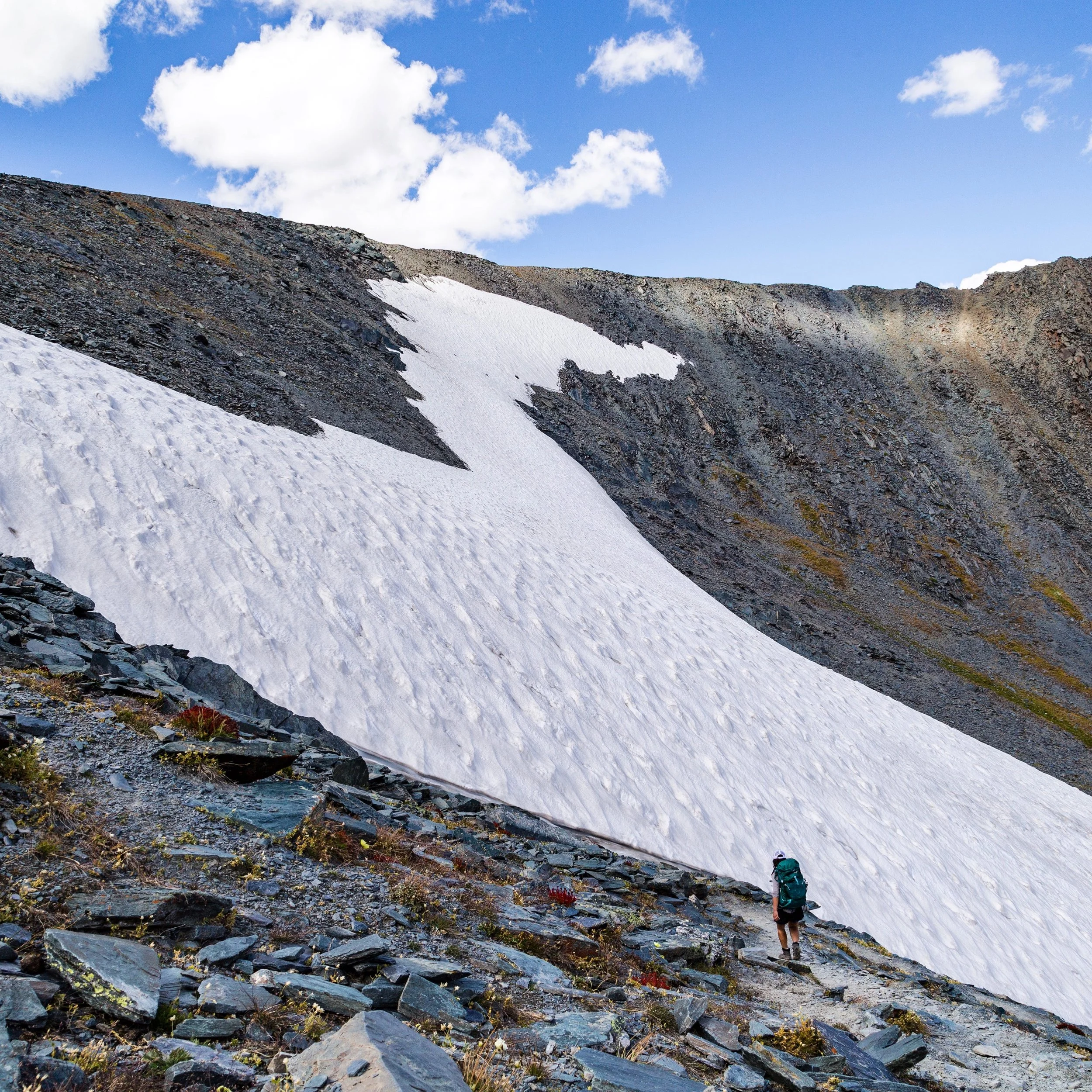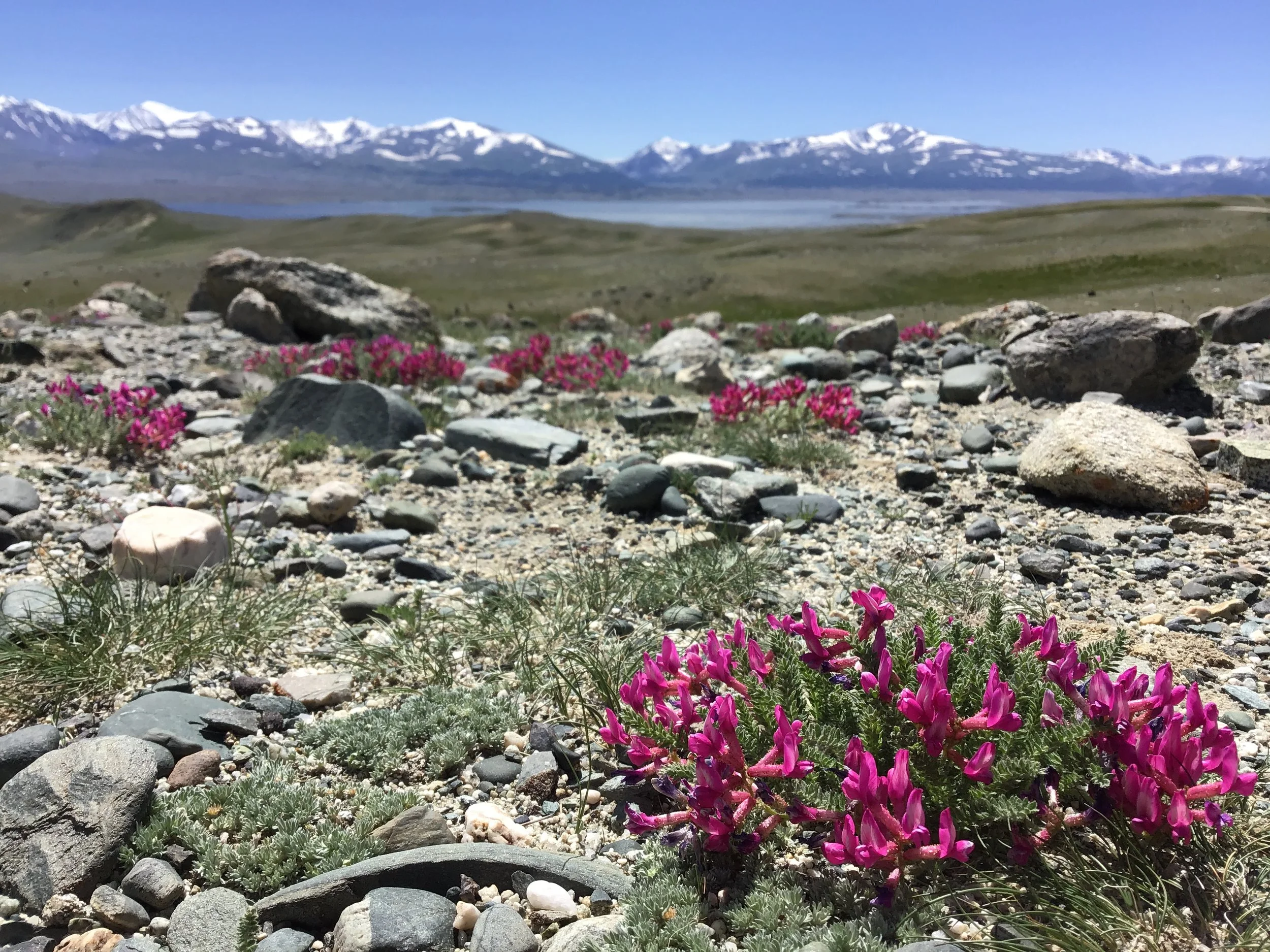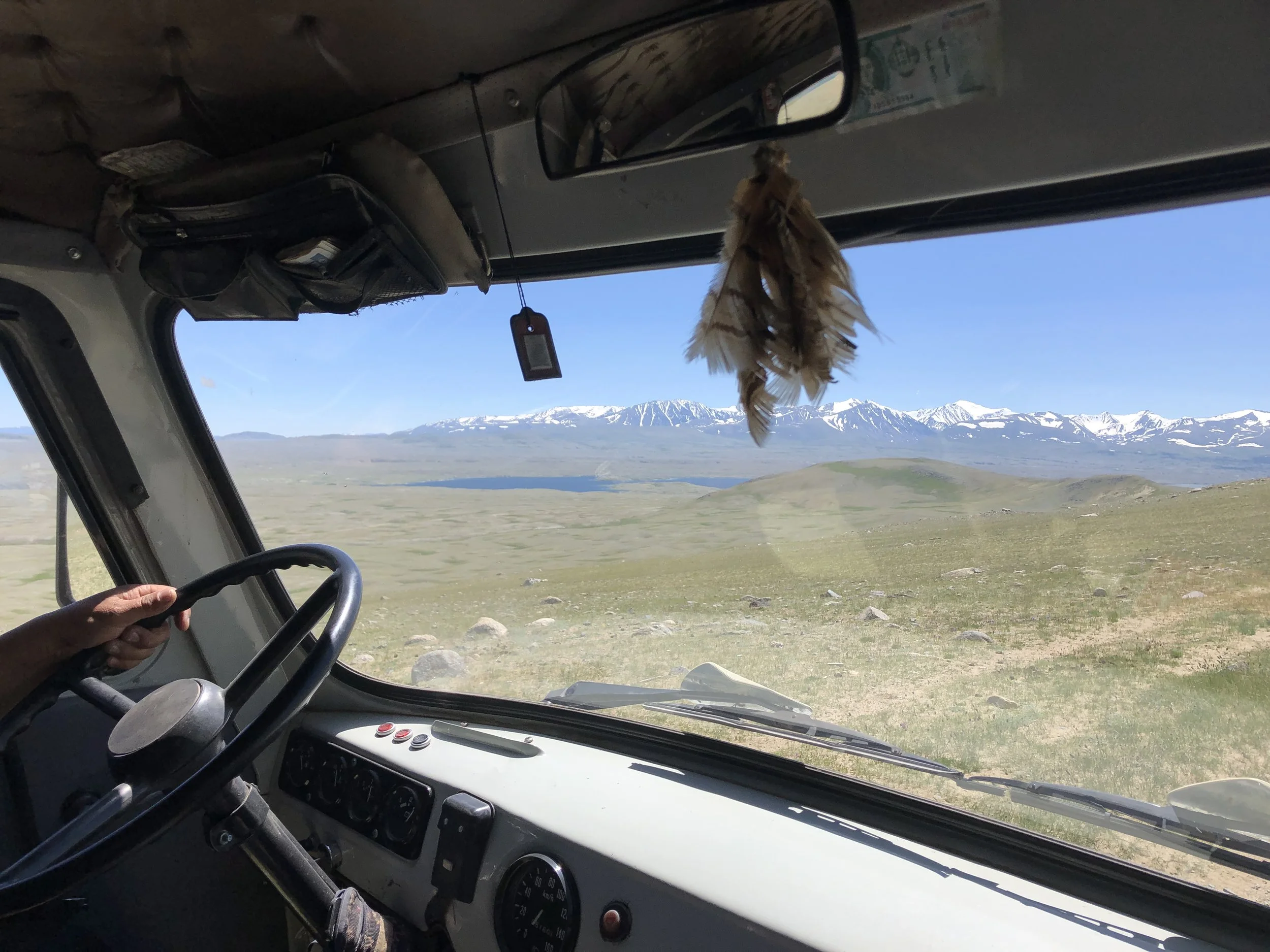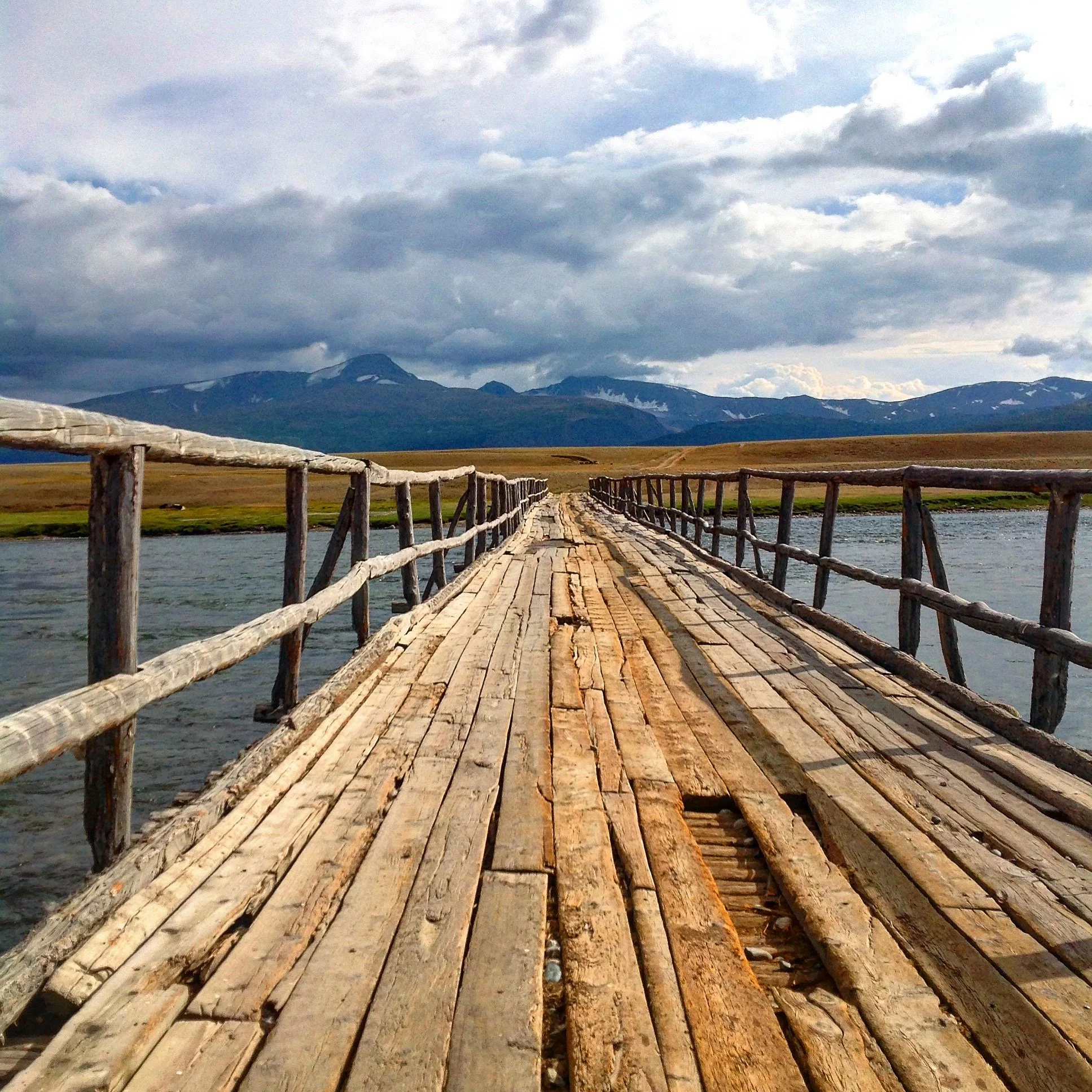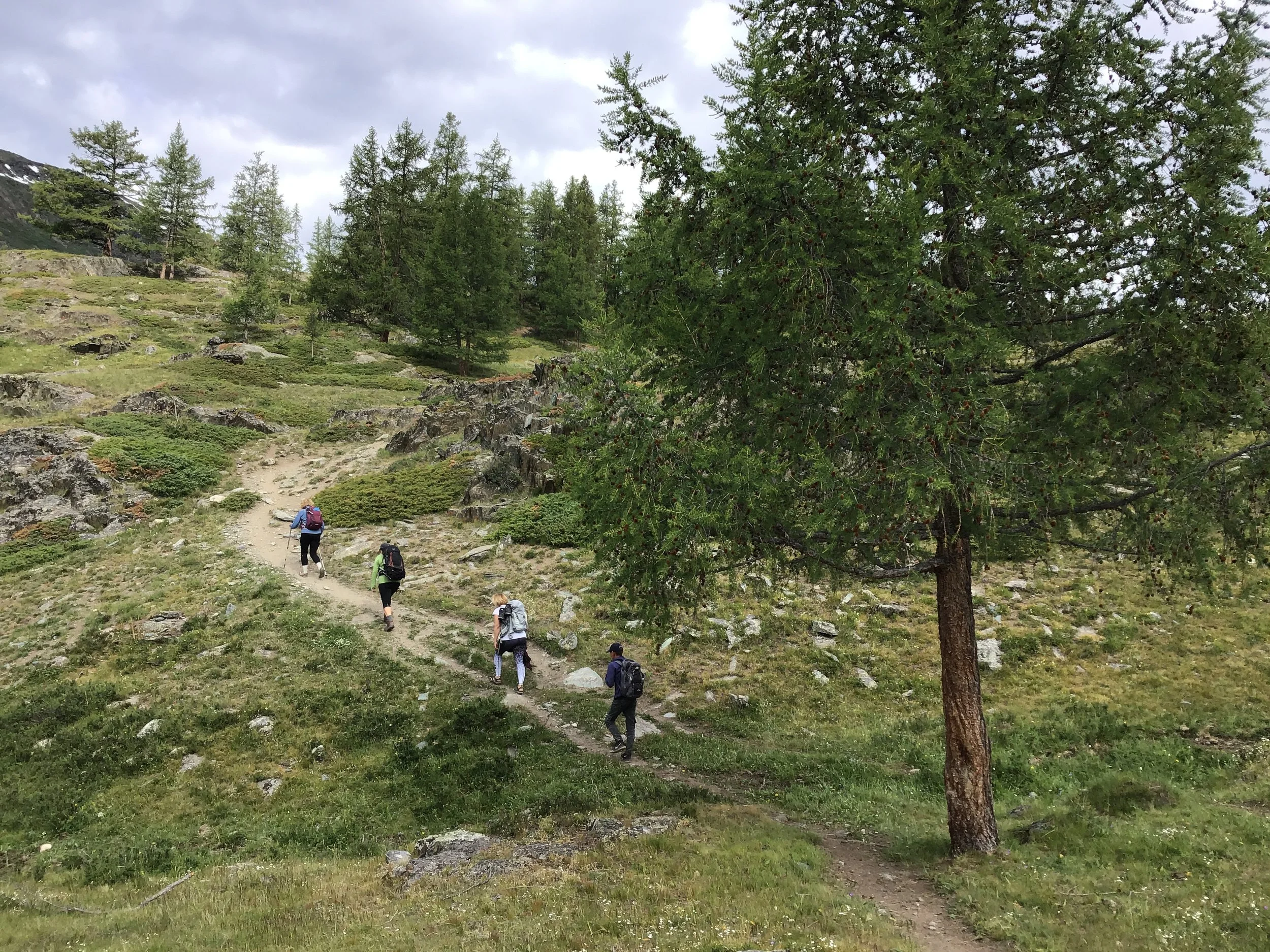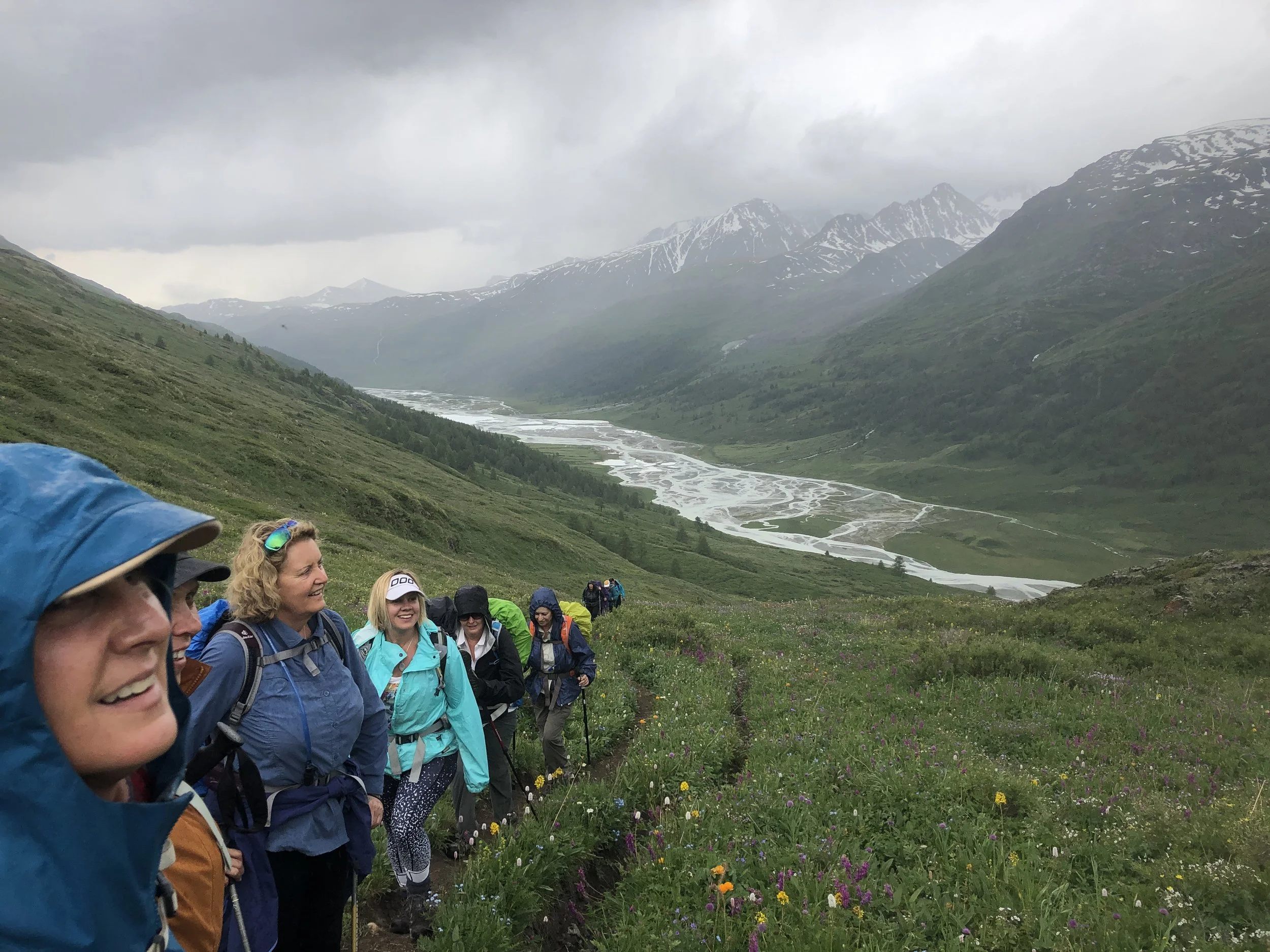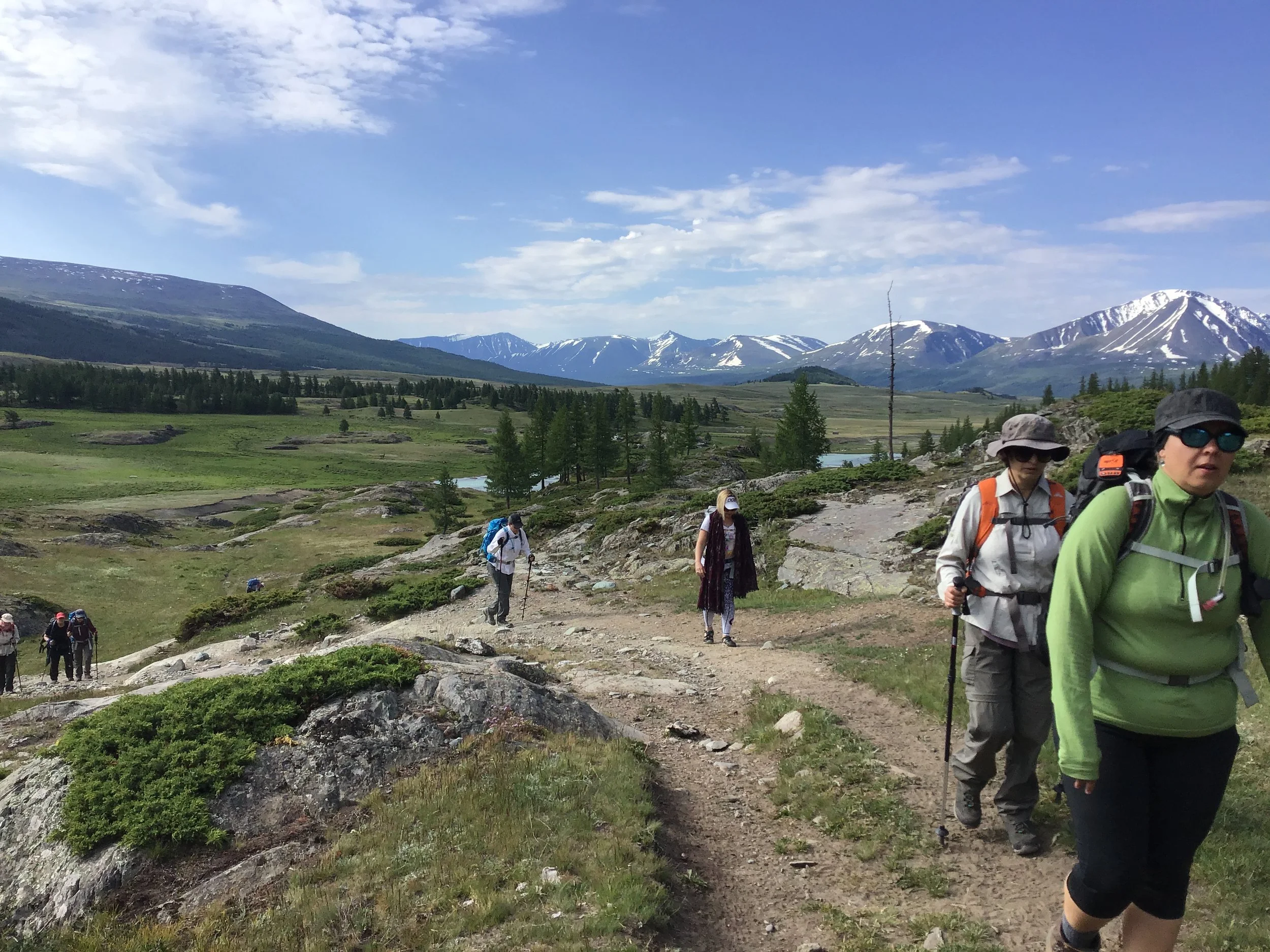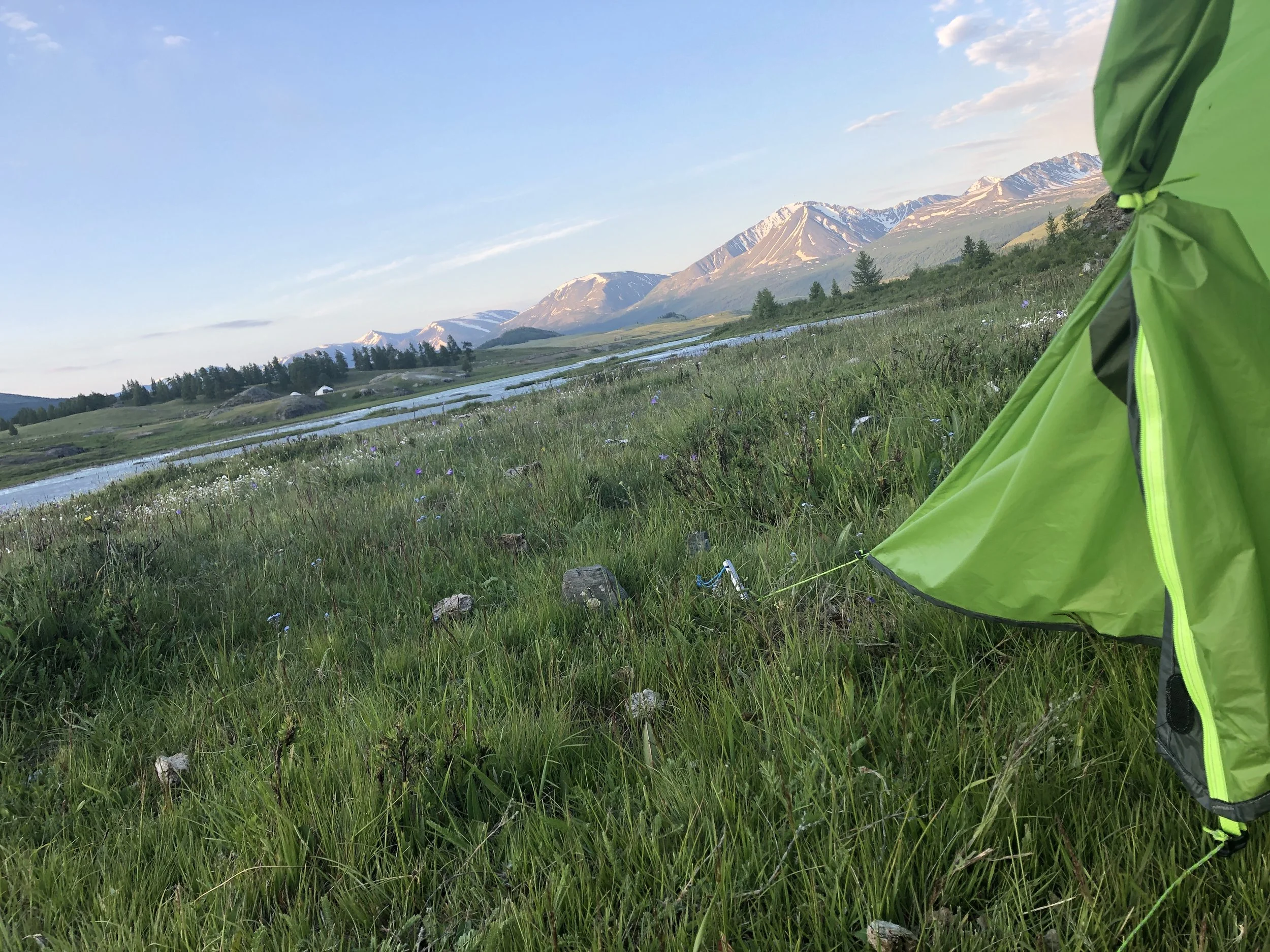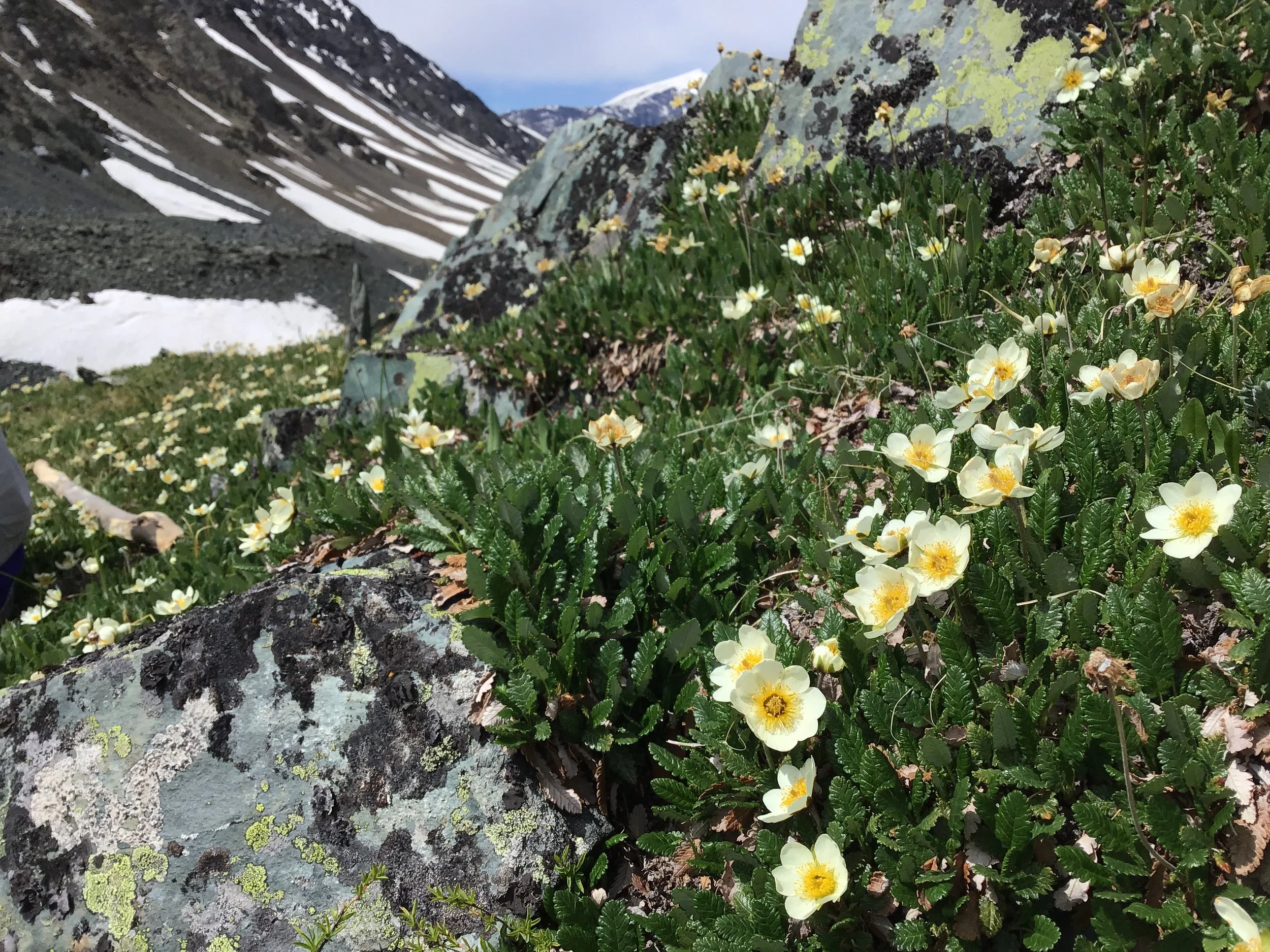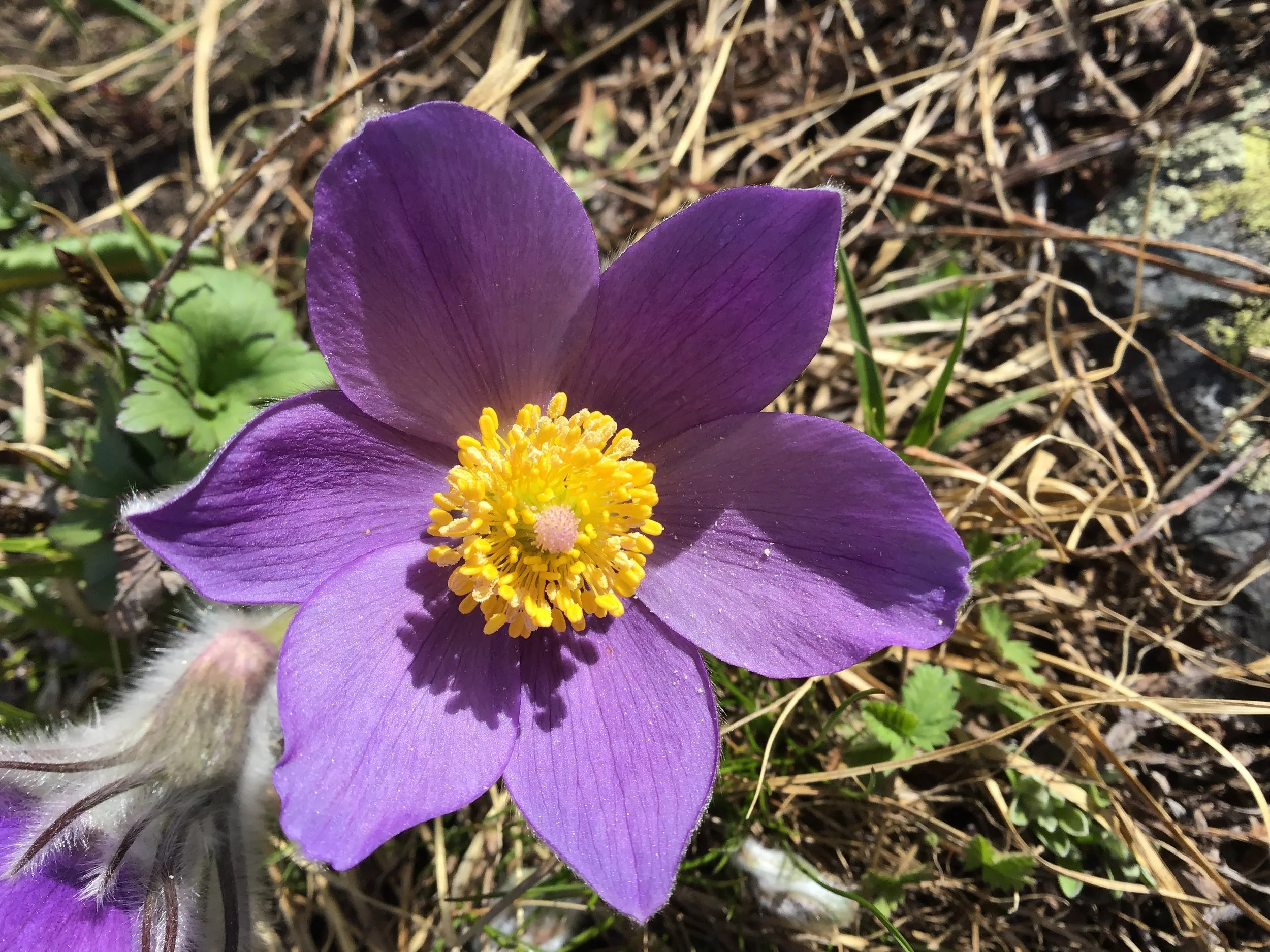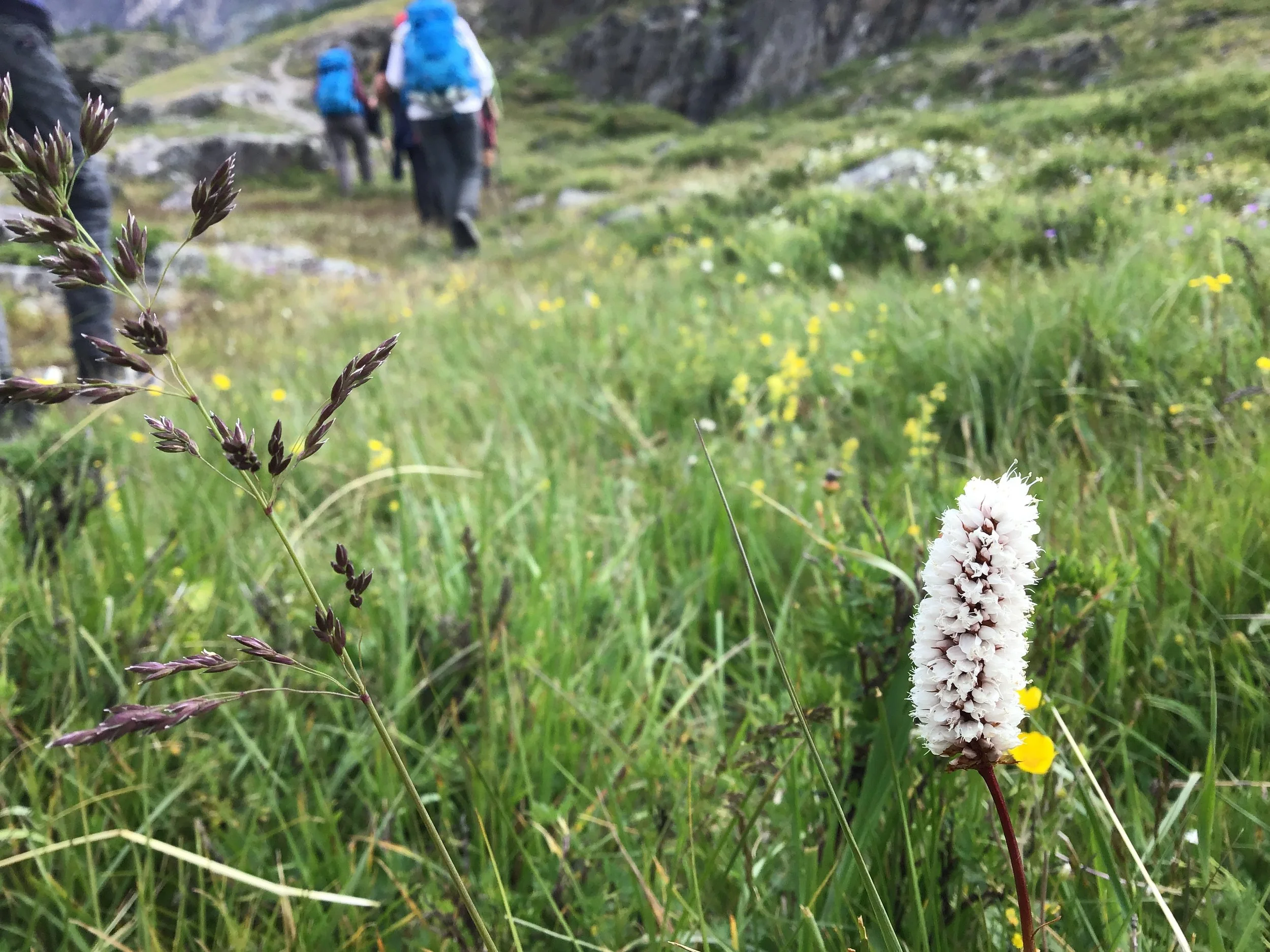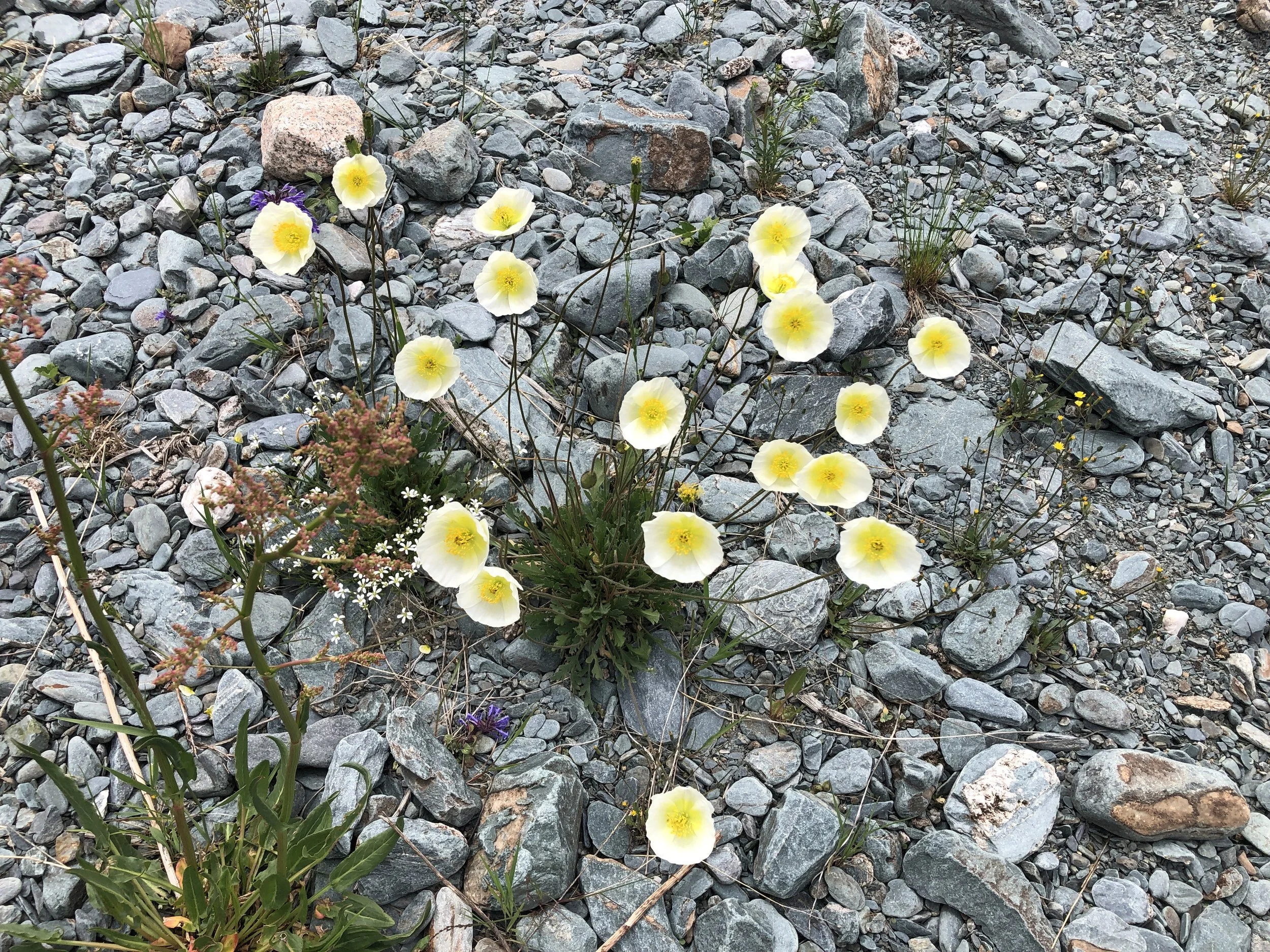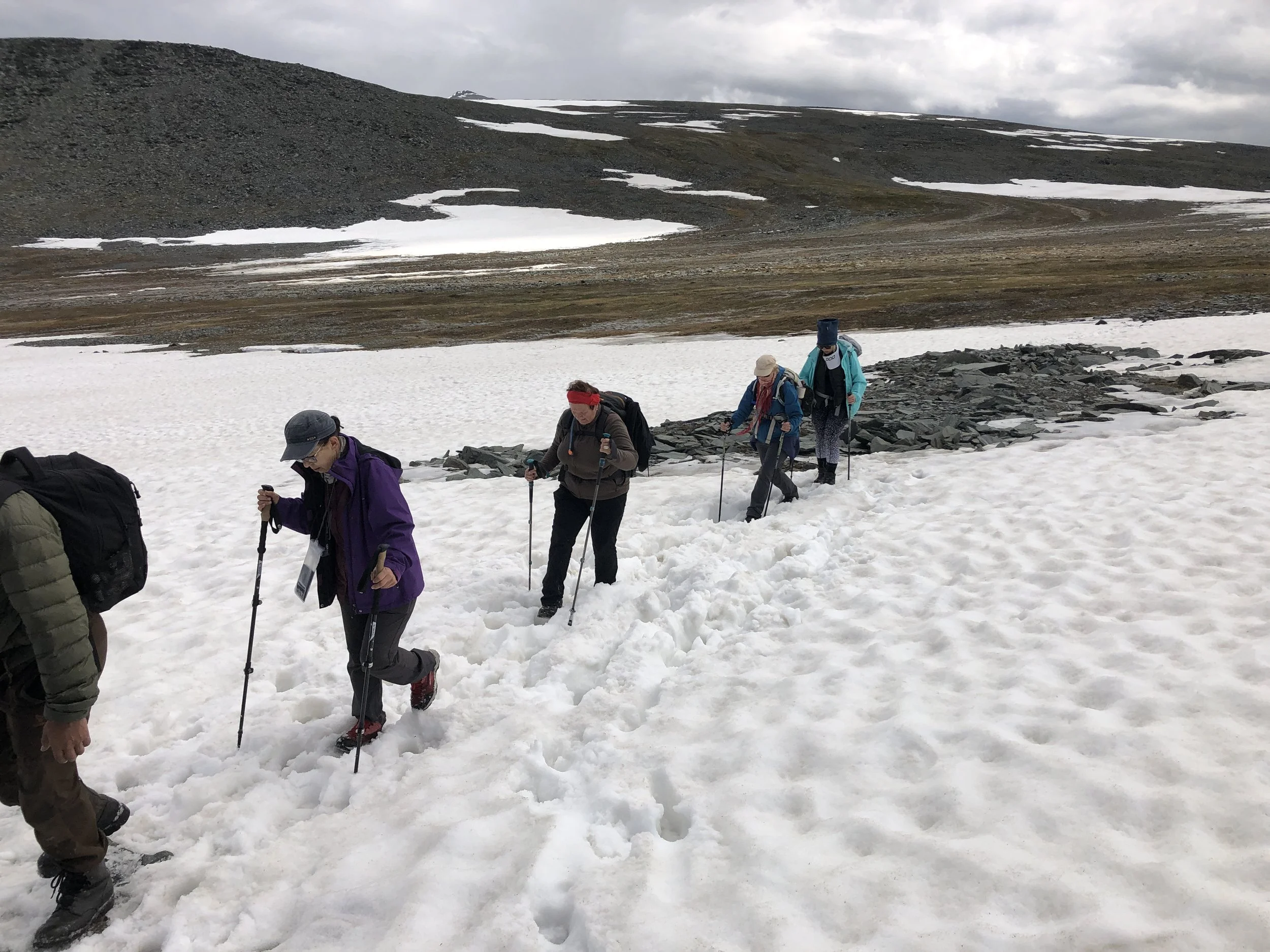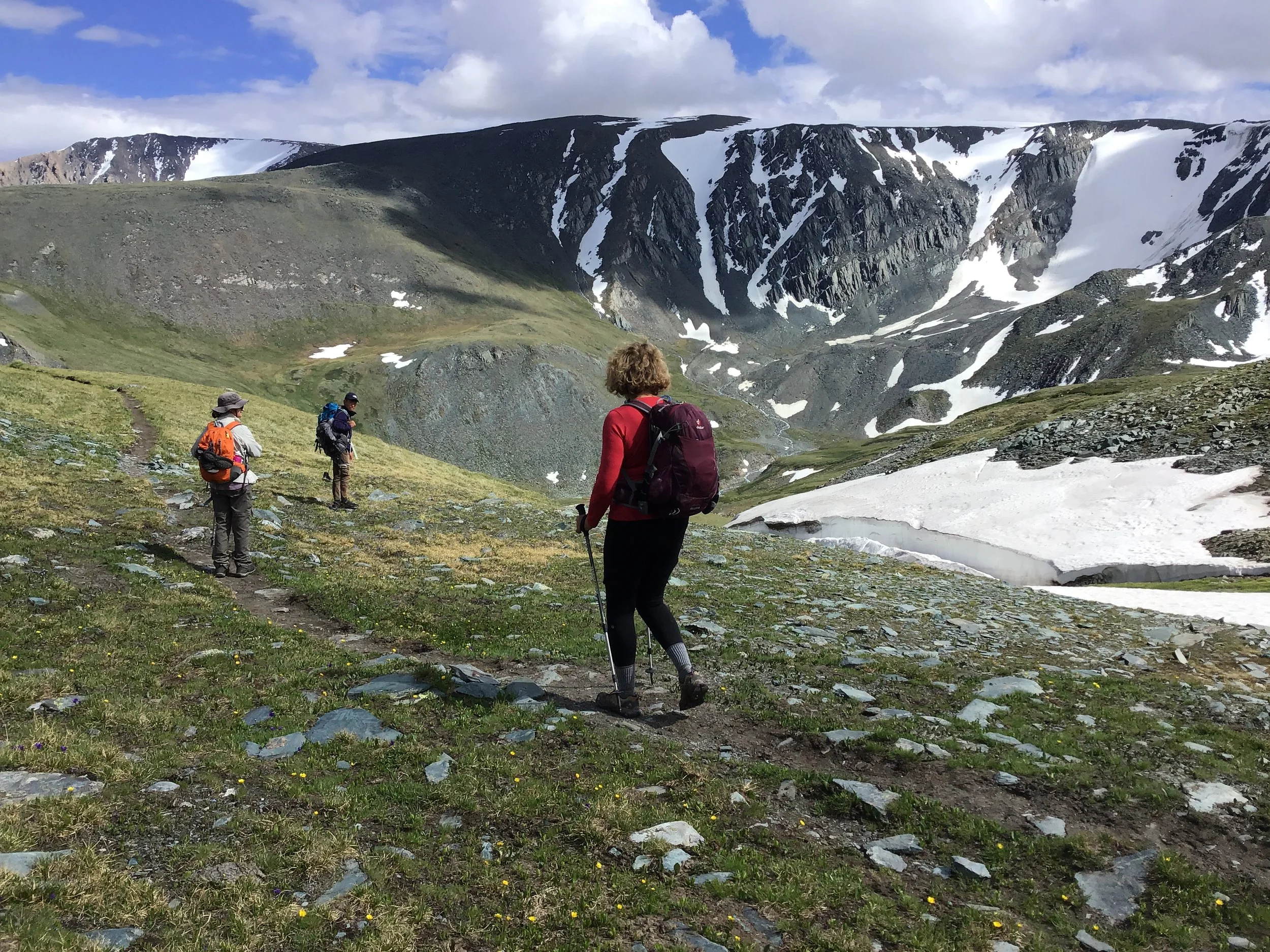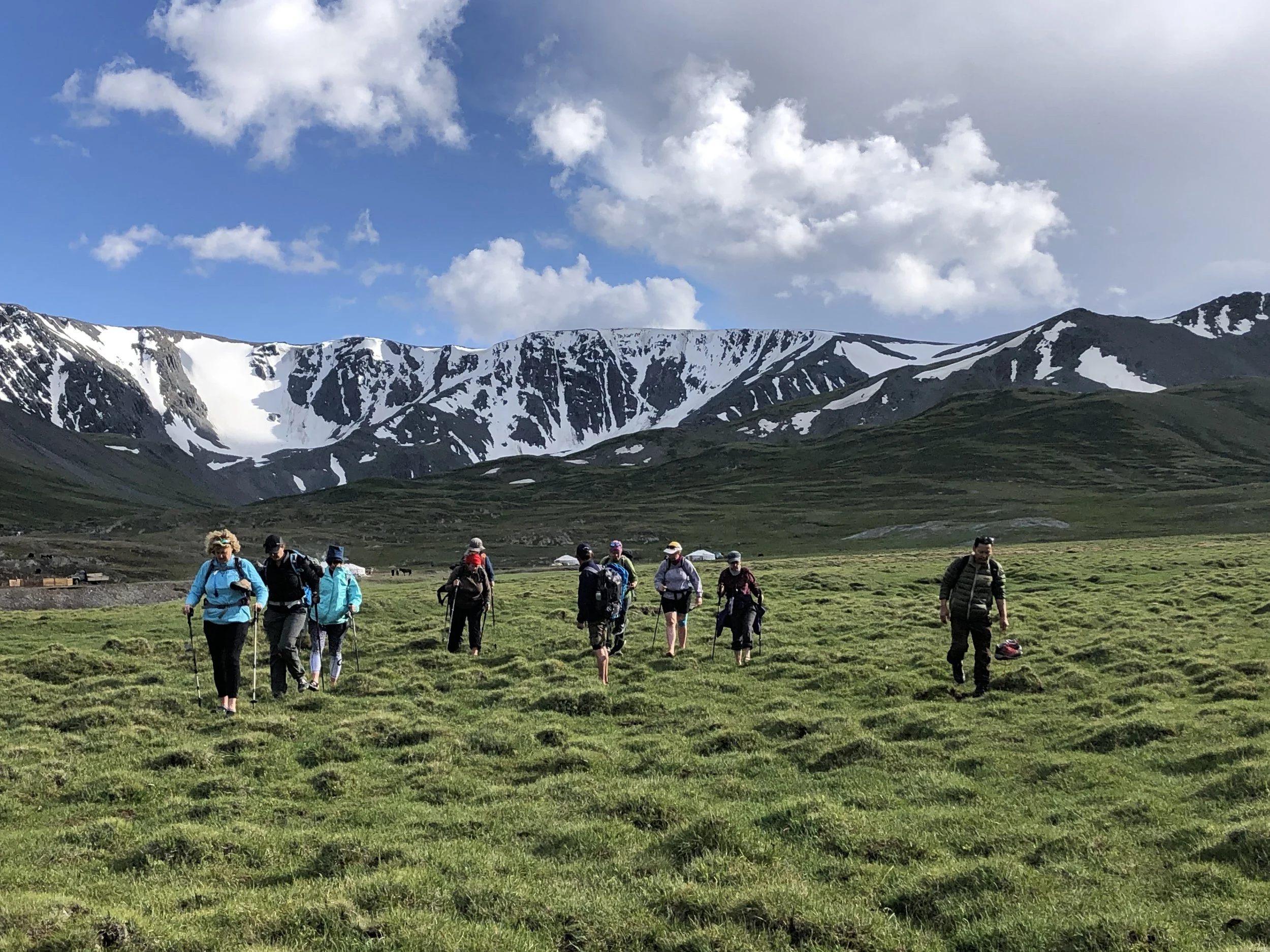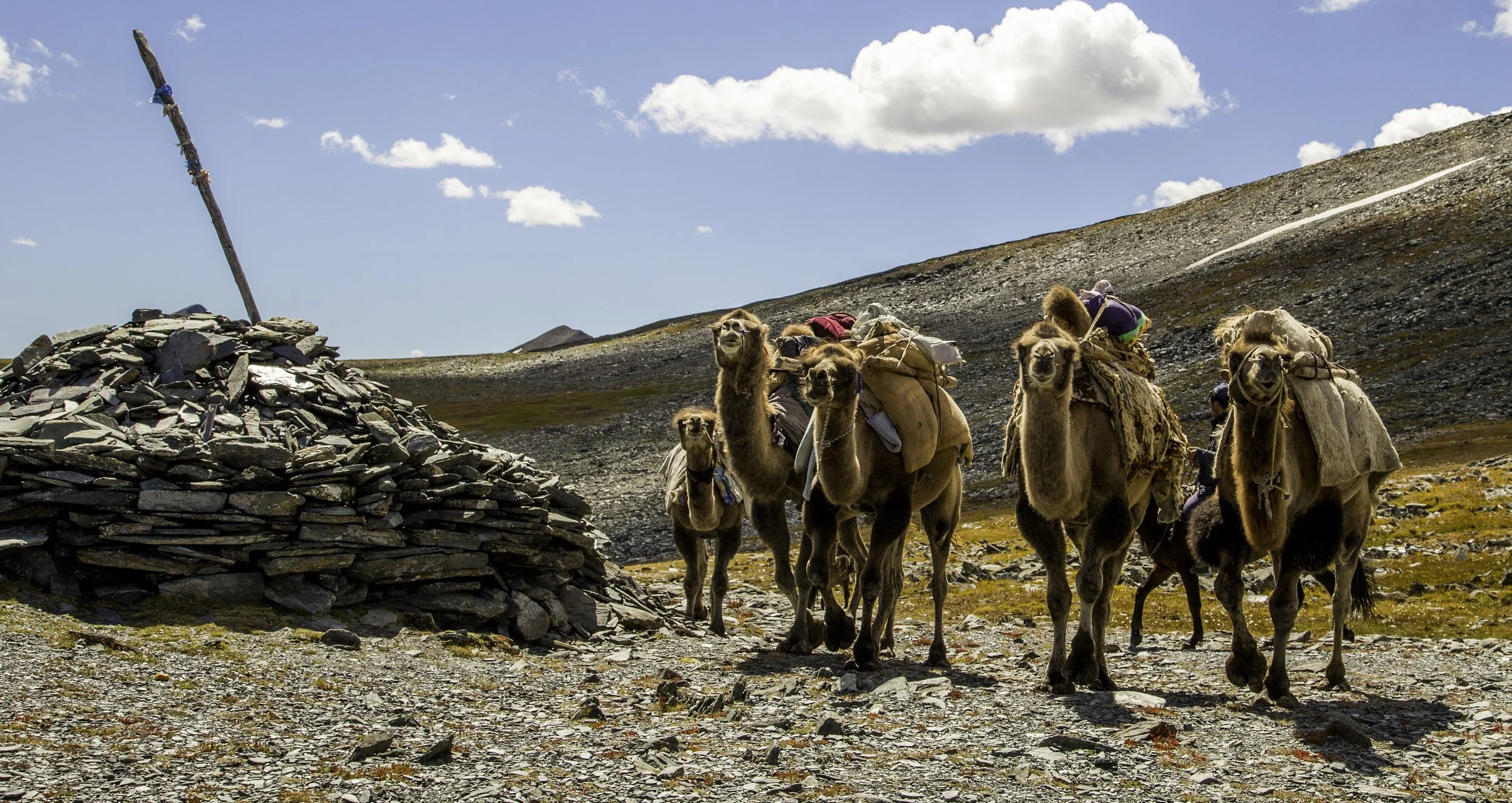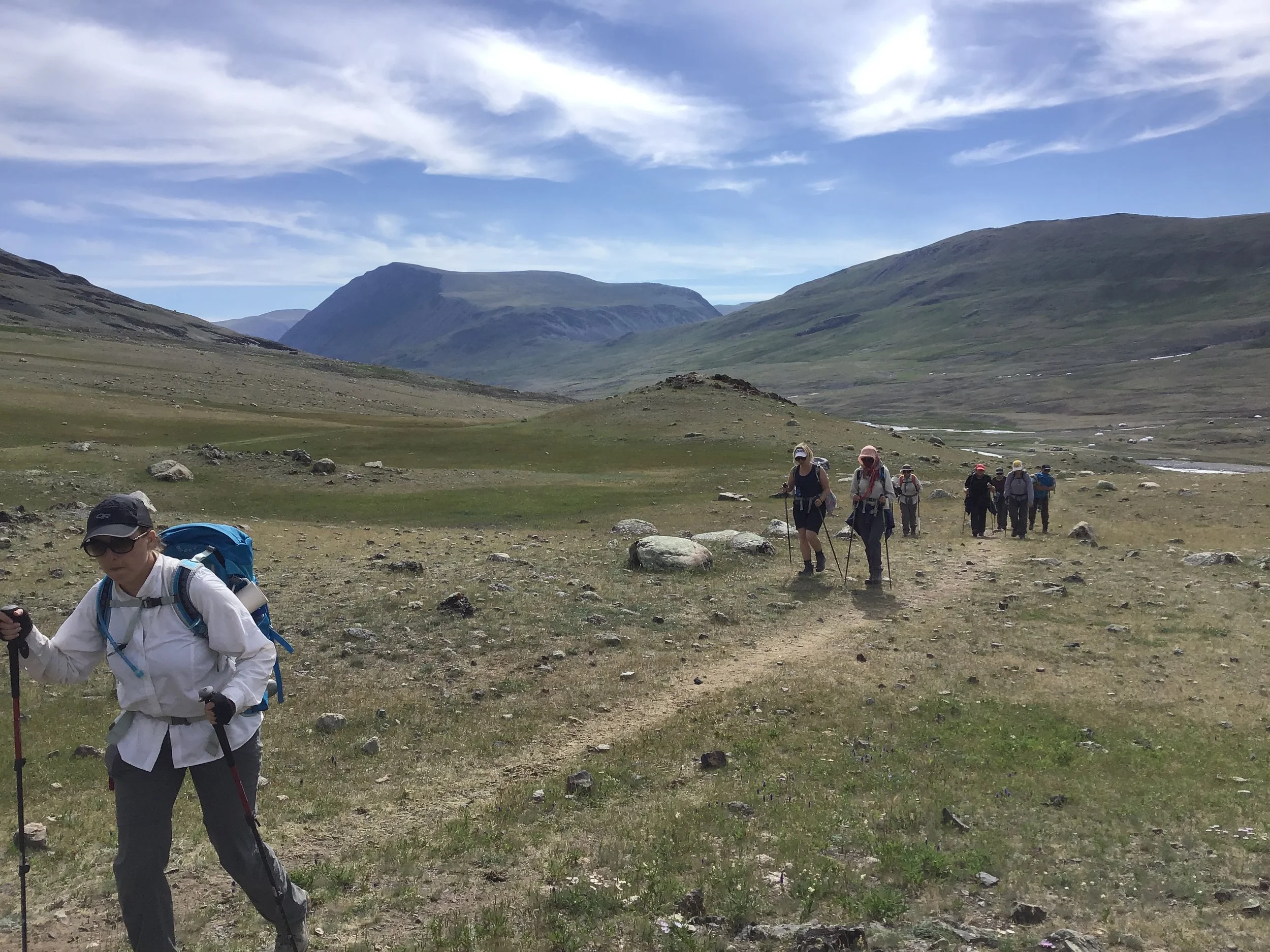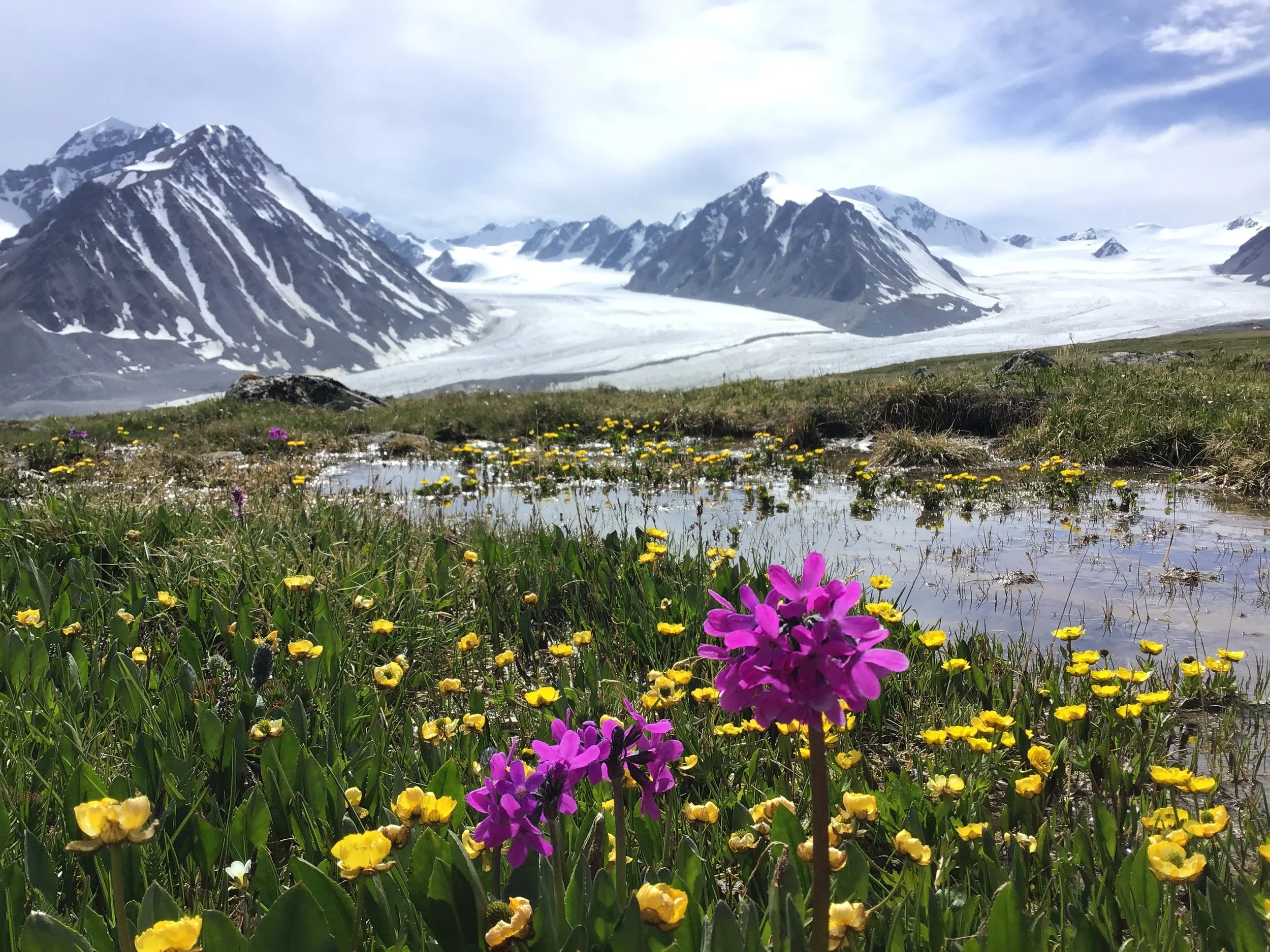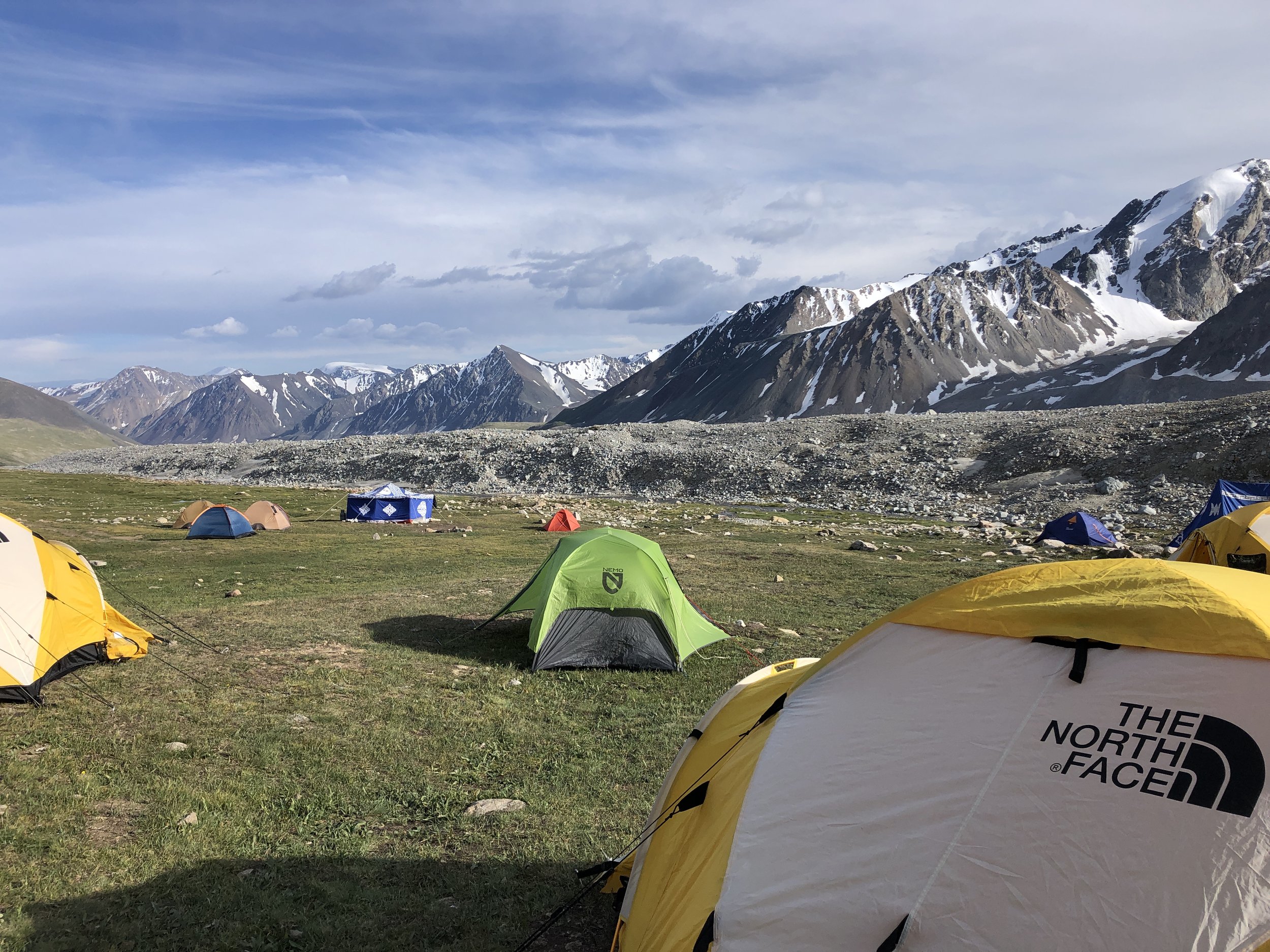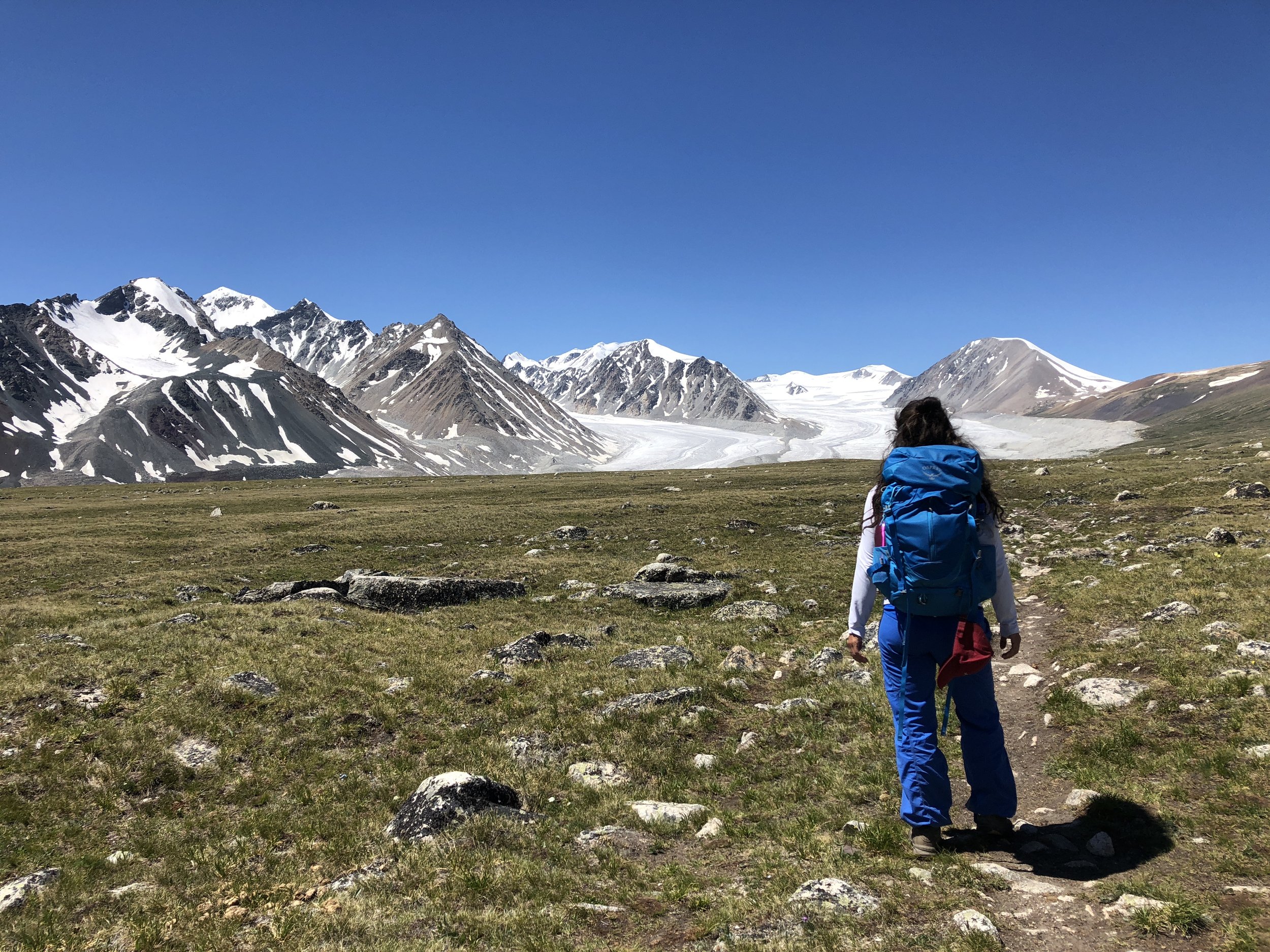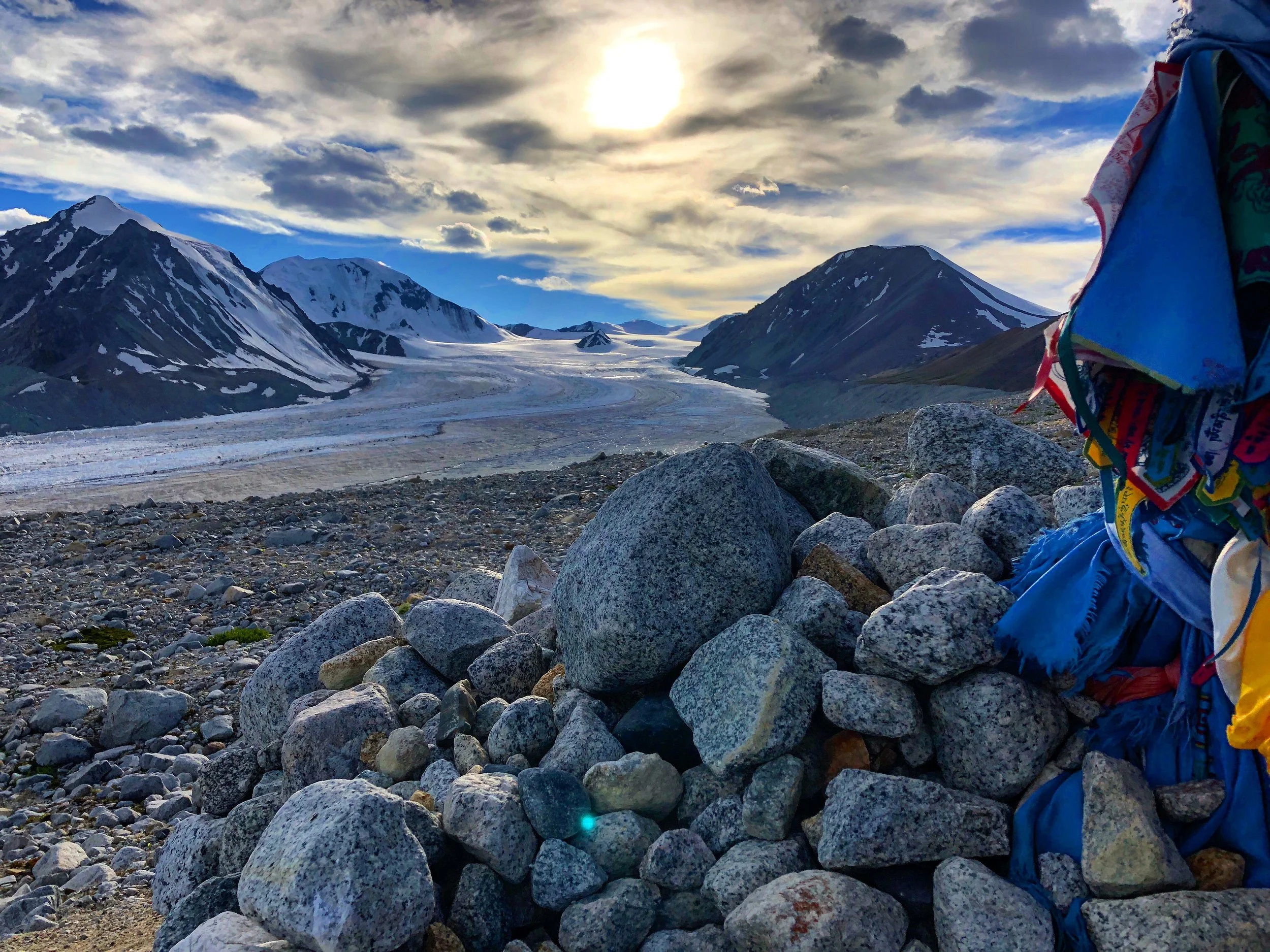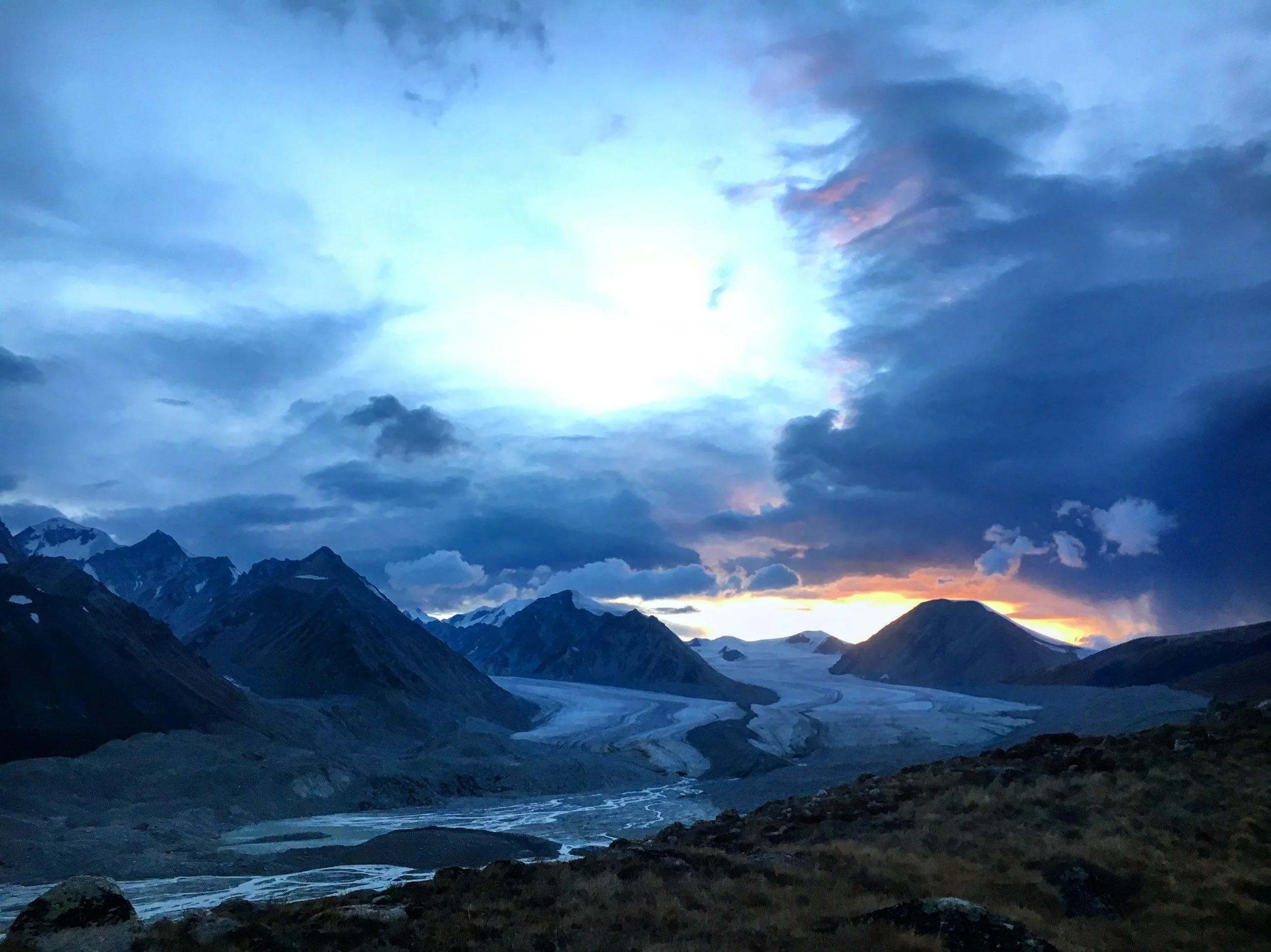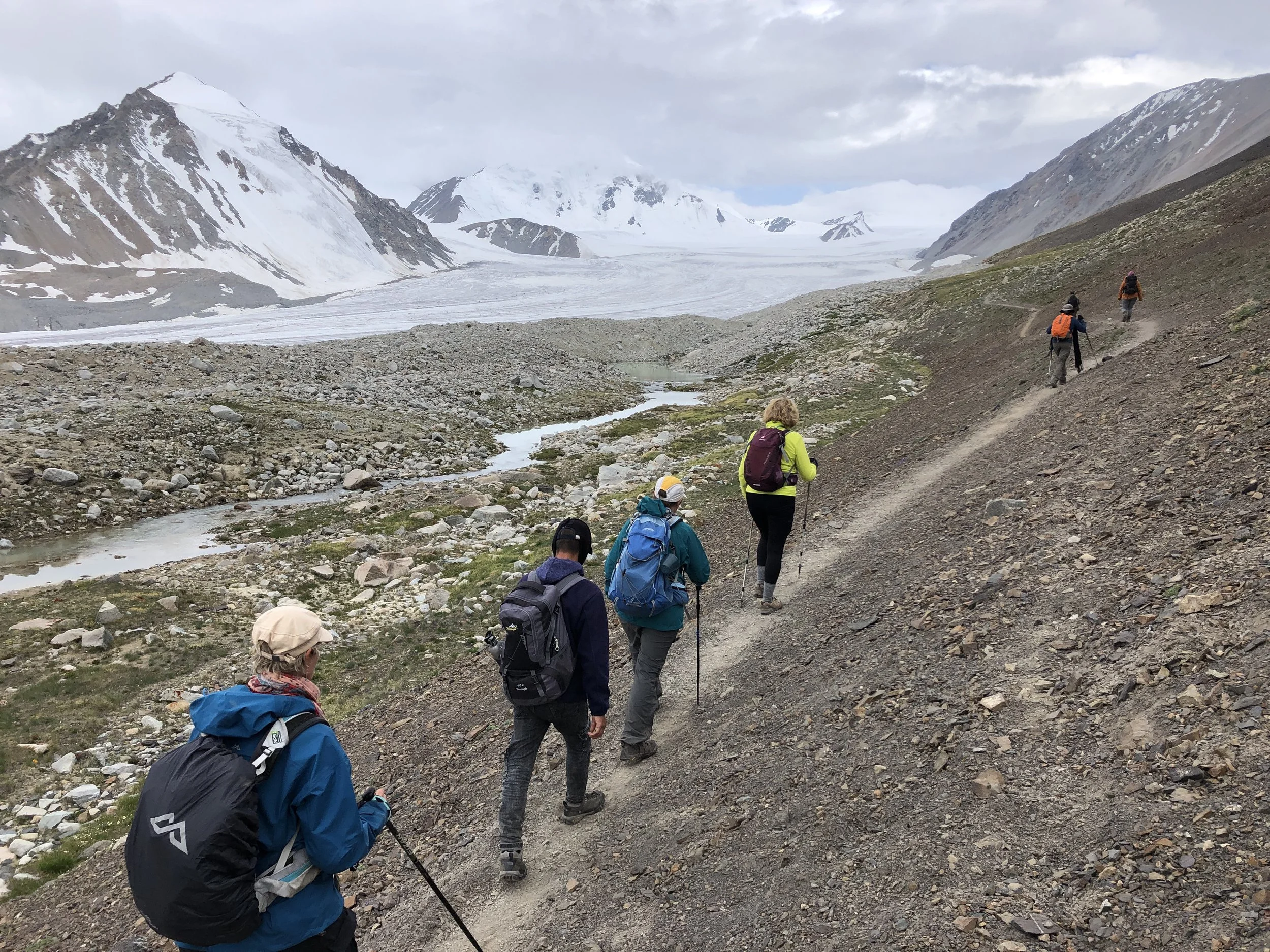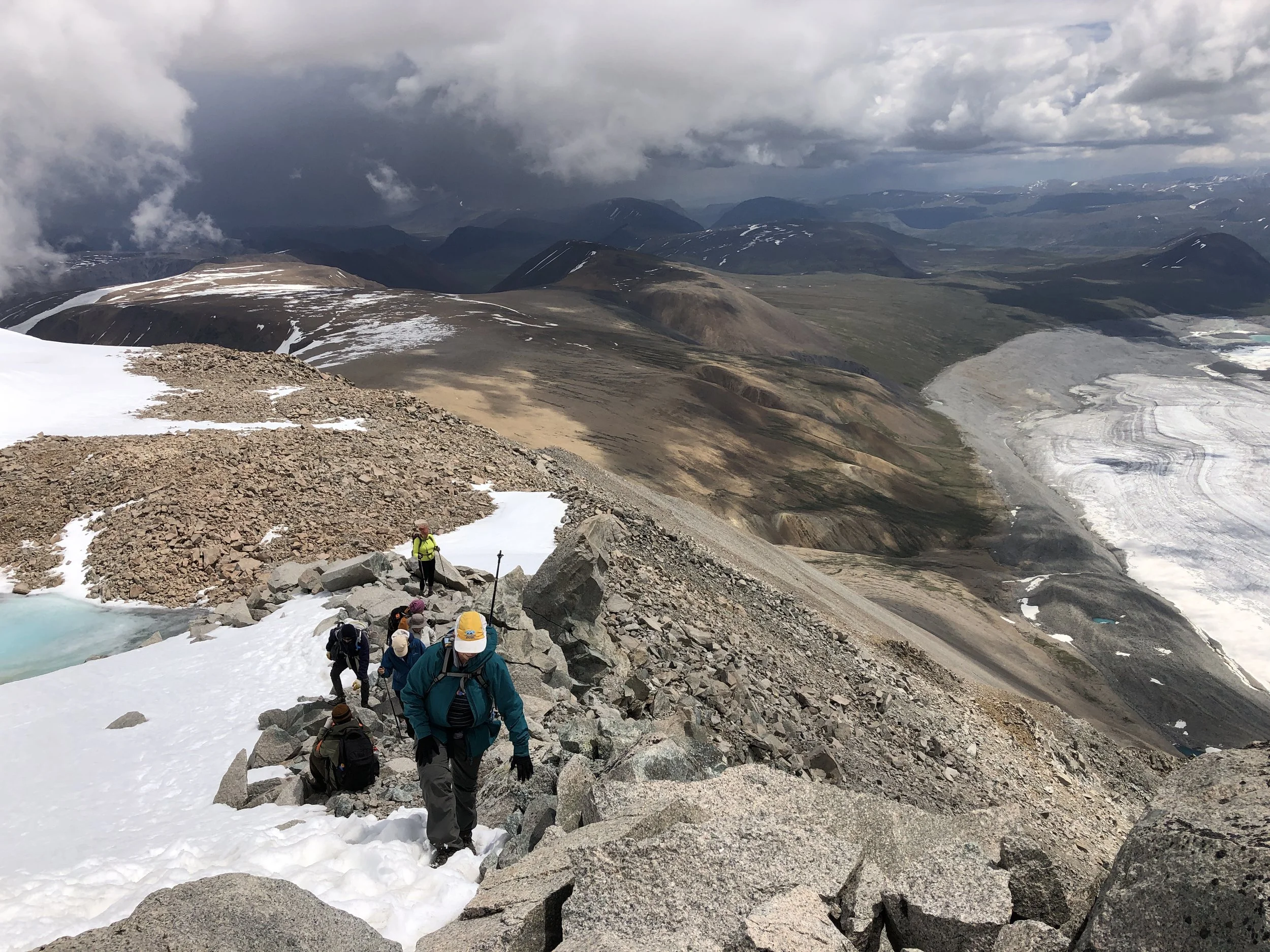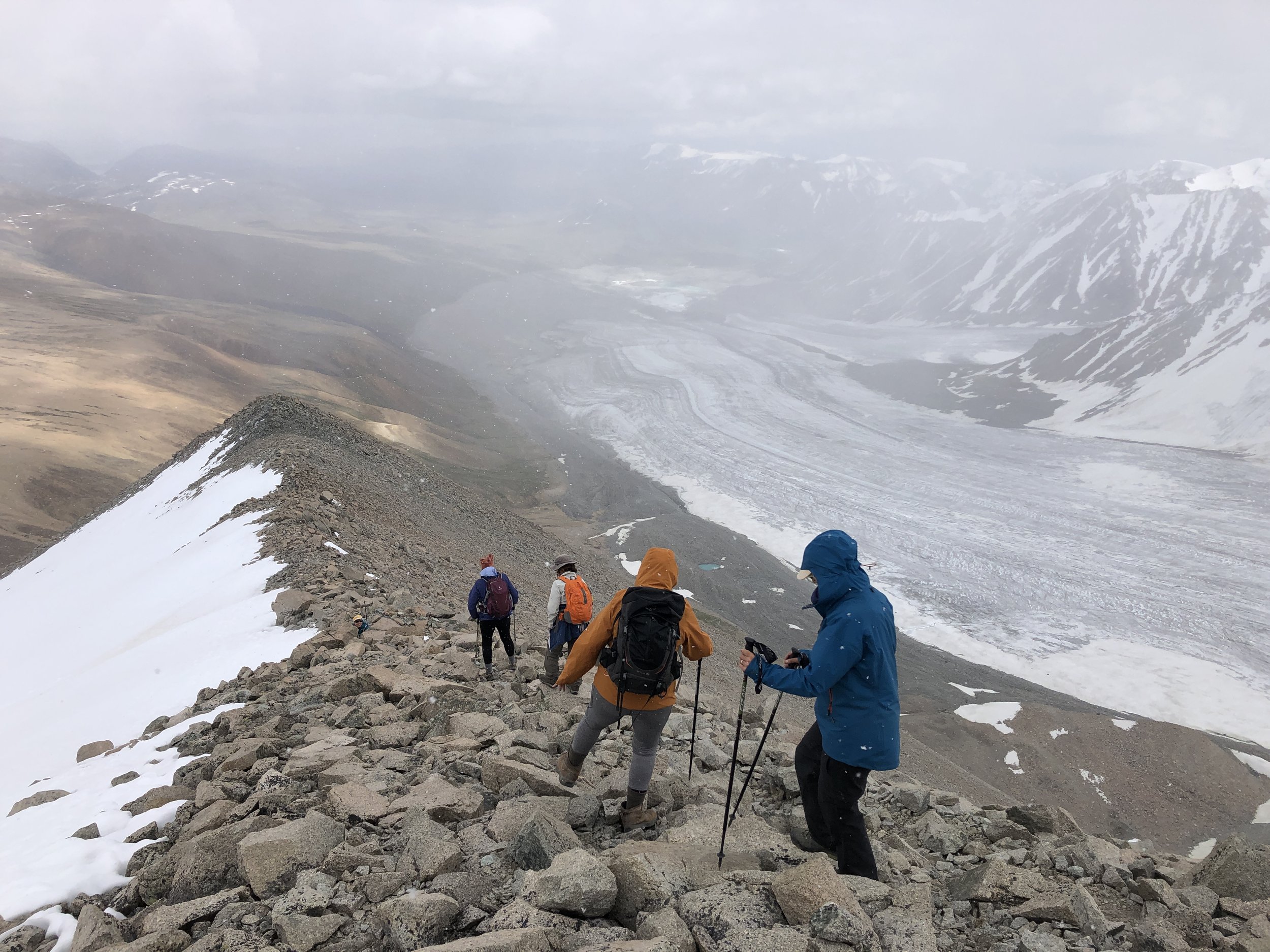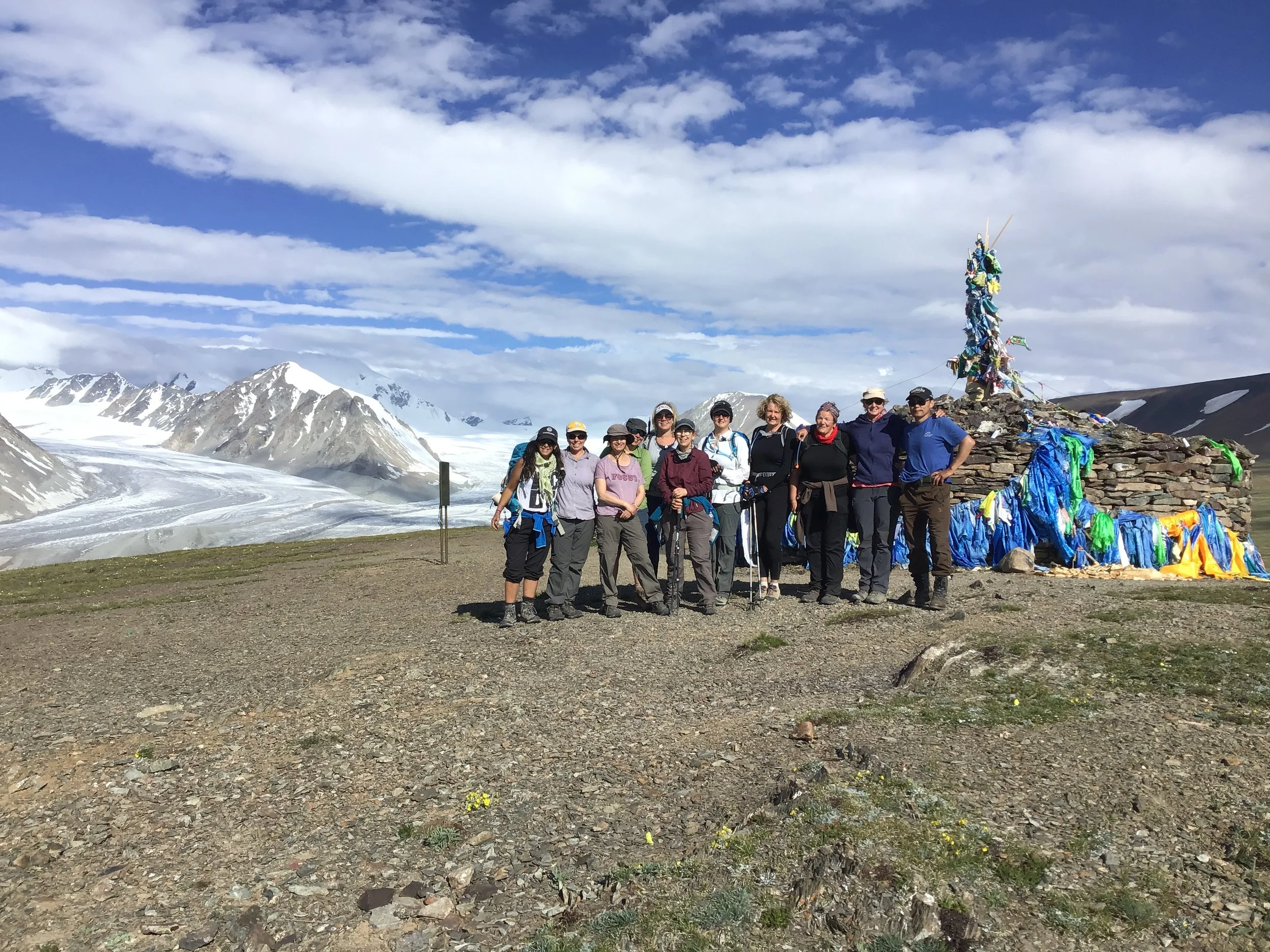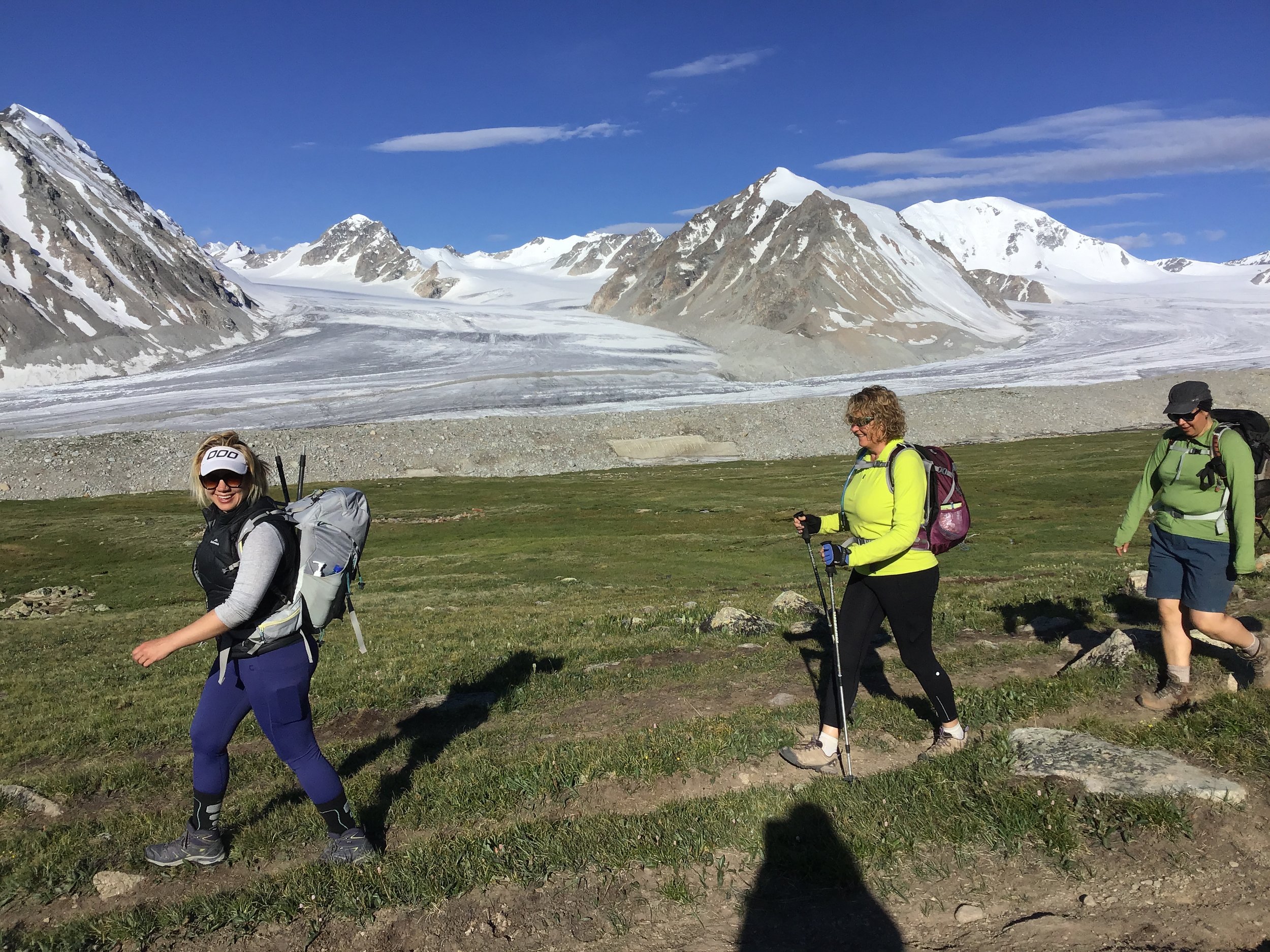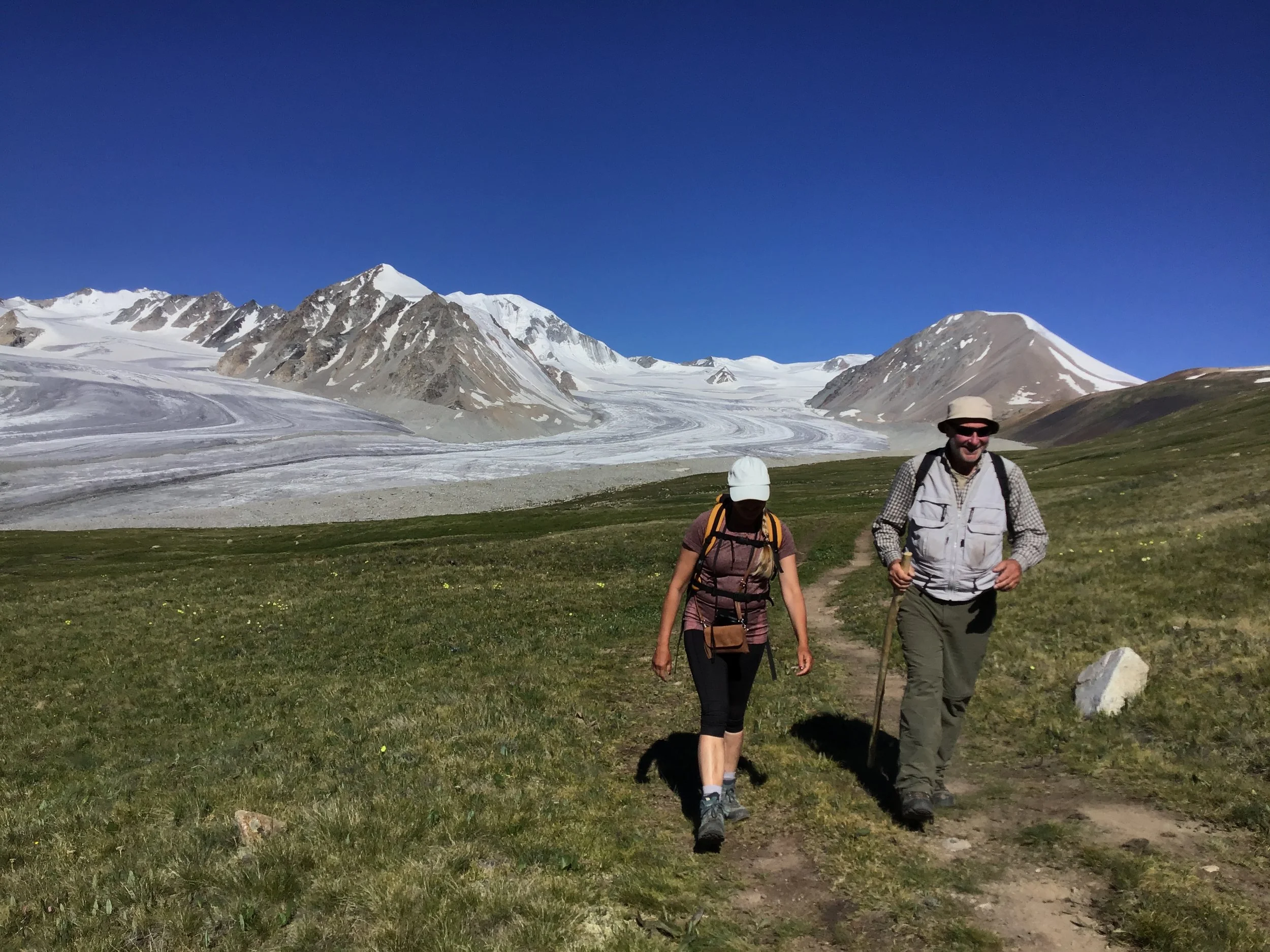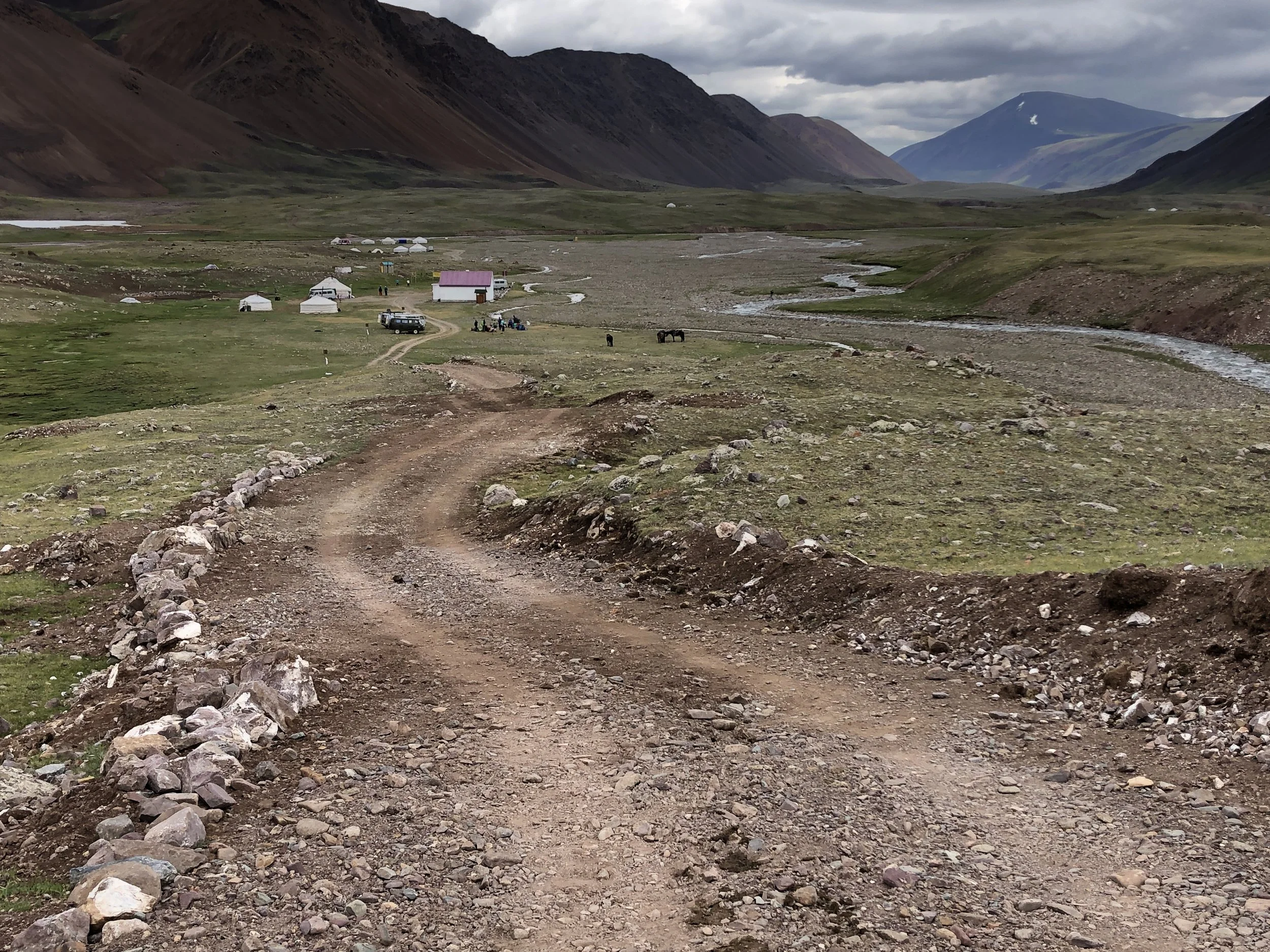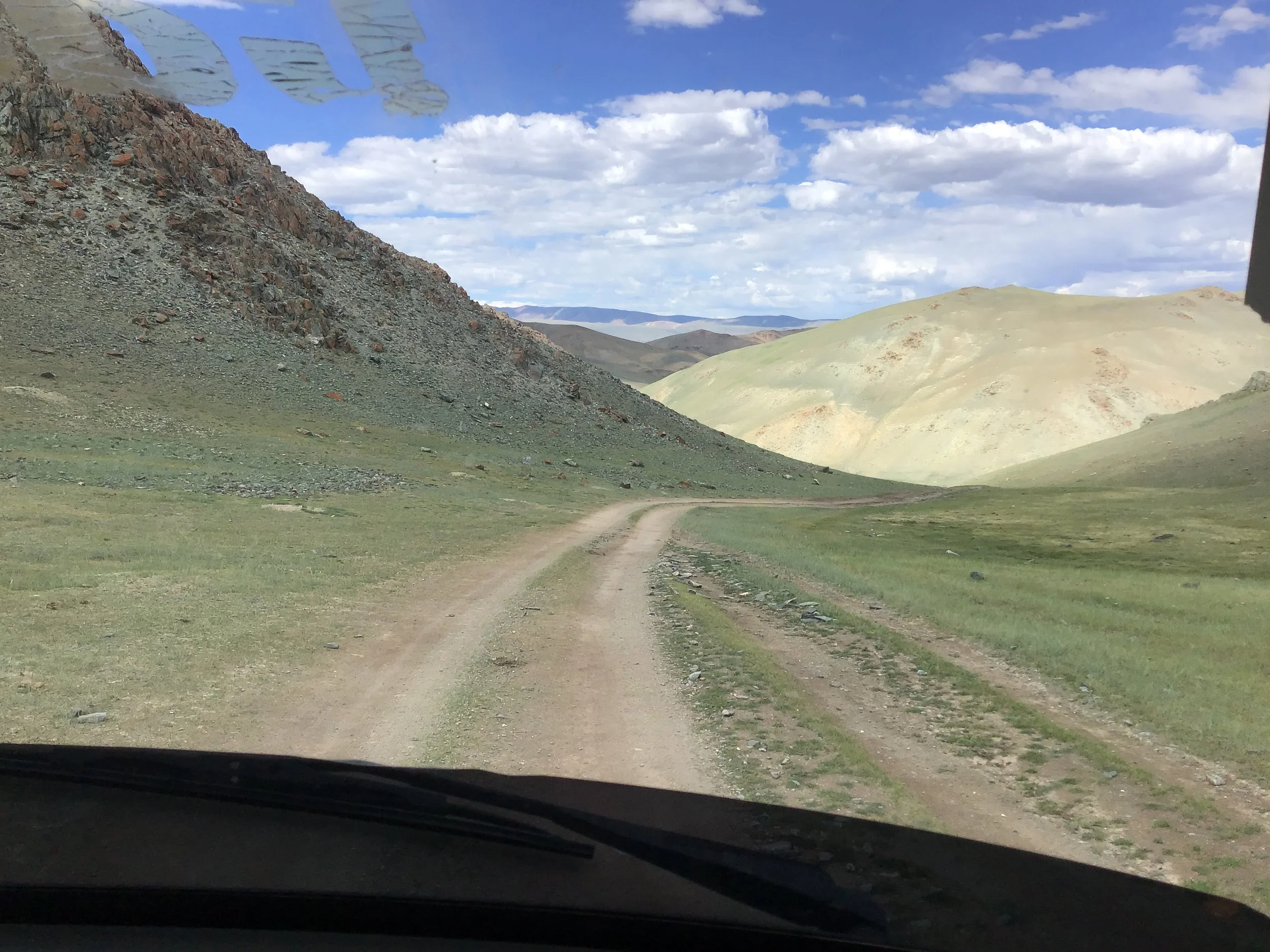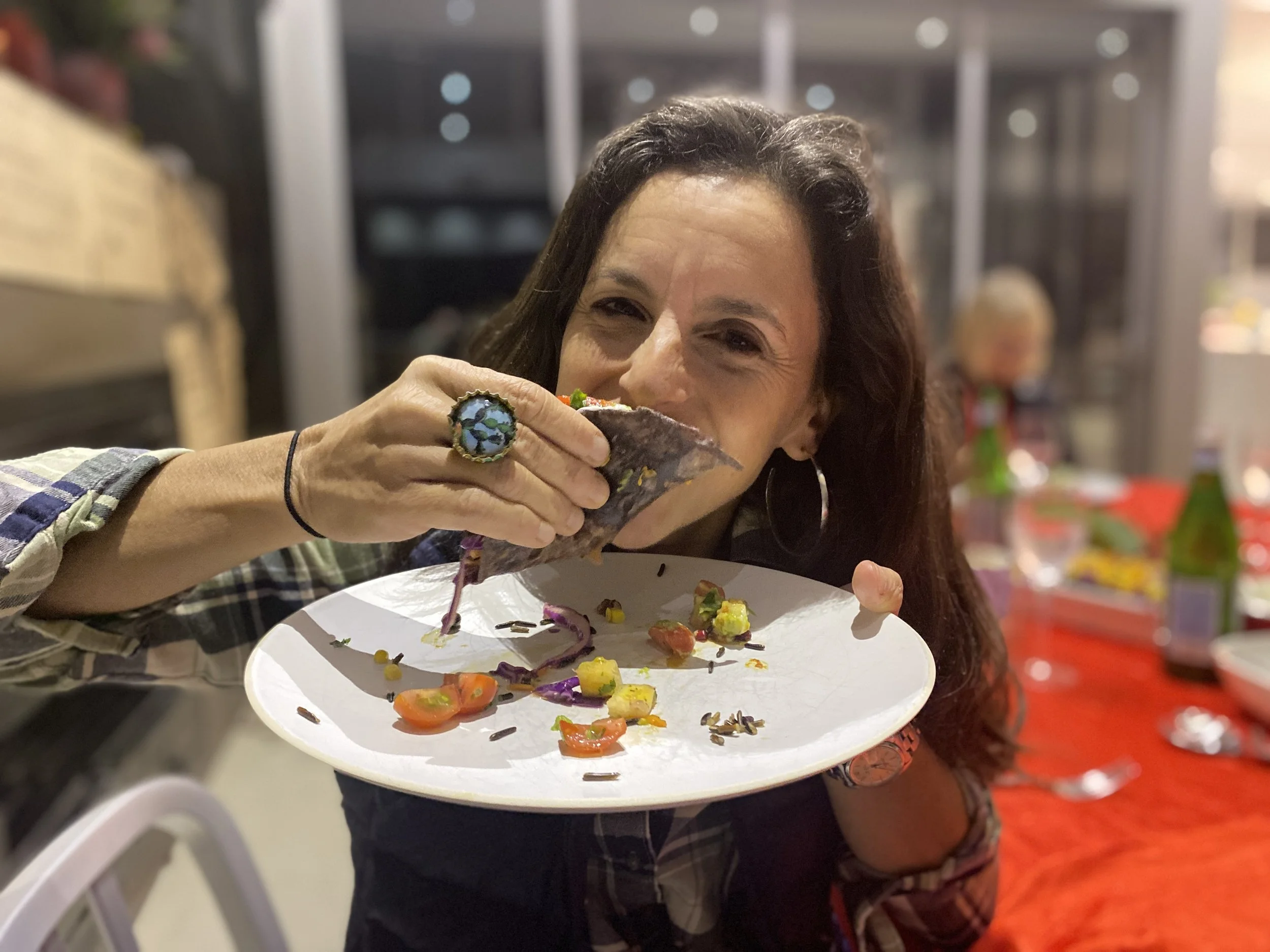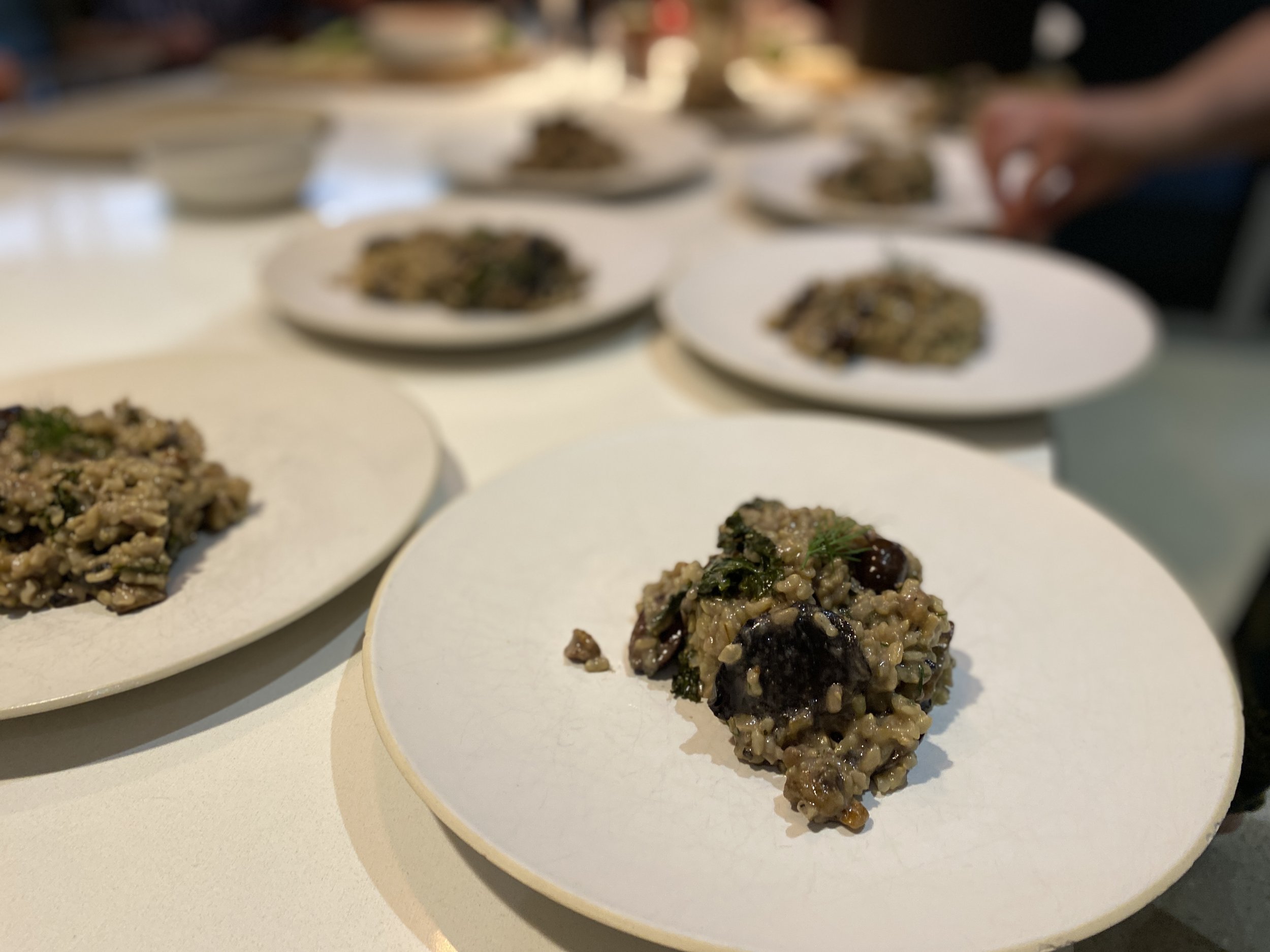
• Mongolia Walking Adventure Tavan Bogd National Park
    • Peaks of the Balkans Hiking Adventure
    • Walking with Wildflowers - Fitzgerald Biosphere and Stirling Ranges
    • Walking with Wildflowers - Fitzgerald Biosphere
    • Bespoke
    • Mongolia Walking with Wildflowers Adventure Turgen Kharkhiraa National Park
    • Murchison Gorge Hiking Adventure - Kalbarri National Park
    • Cape to Cape End to End Walking Adventure
    • The Creativity Retreat with Dr Erika Jacobson
    • The Creativity Retreat - Botany - Creativity - Art
    • Cape to Cape Walking and Yoga Mini-Retreat
  • Blog
    • About Edgewalkers
    • Testimonials
    • Contact
    • Resources
    • Wildflowers Mindful Colouring
    • Interpreting Biodiversity Workshop
Menu

Edgewalkers | Walking Tours & Creativity Retreats

Walking you back to nature, creativity and adventure
  • Walking Adventures
    • Mongolia Walking Adventure Tavan Bogd National Park
    • Peaks of the Balkans Hiking Adventure
    • Walking with Wildflowers - Fitzgerald Biosphere and Stirling Ranges
    • Walking with Wildflowers - Fitzgerald Biosphere
    • Bespoke
    • Mongolia Walking with Wildflowers Adventure Turgen Kharkhiraa National Park
    • Murchison Gorge Hiking Adventure - Kalbarri National Park
    • Cape to Cape End to End Walking Adventure
  • Creativity Retreats
    • The Creativity Retreat with Dr Erika Jacobson
    • The Creativity Retreat - Botany - Creativity - Art
    • Cape to Cape Walking and Yoga Mini-Retreat
  • Blog
  • About
    • About Edgewalkers
    • Testimonials
    • Contact
  • The Biodiversity Project
    • Resources
    • Wildflowers Mindful Colouring
    • Interpreting Biodiversity Workshop
Blog Archive
  • 2016 13
  • 2017 8
  • 2018 16
  • 2019 12
  • 2020 11
  • 2021 6
  • 2022 6
  • 2023 7
  • 2024 3
  • 2025 4

Walking the edge

Short written and image essays on walking, nature and creativity.

With a special focus on women, wildflowers and biodiversity, the writing informs and reminds the reader of the many ways nature shapes cultures, sustains wellness and inspires creativity.

Featuring Western Australia's southwest, Mongolia and other Edgewalkers destinations.

Dr Erika Jacobson -


Instagram @edgewalkers_

View fullsize We love mountains!!!

Our two favourite mountains ranges (so far 😉) 
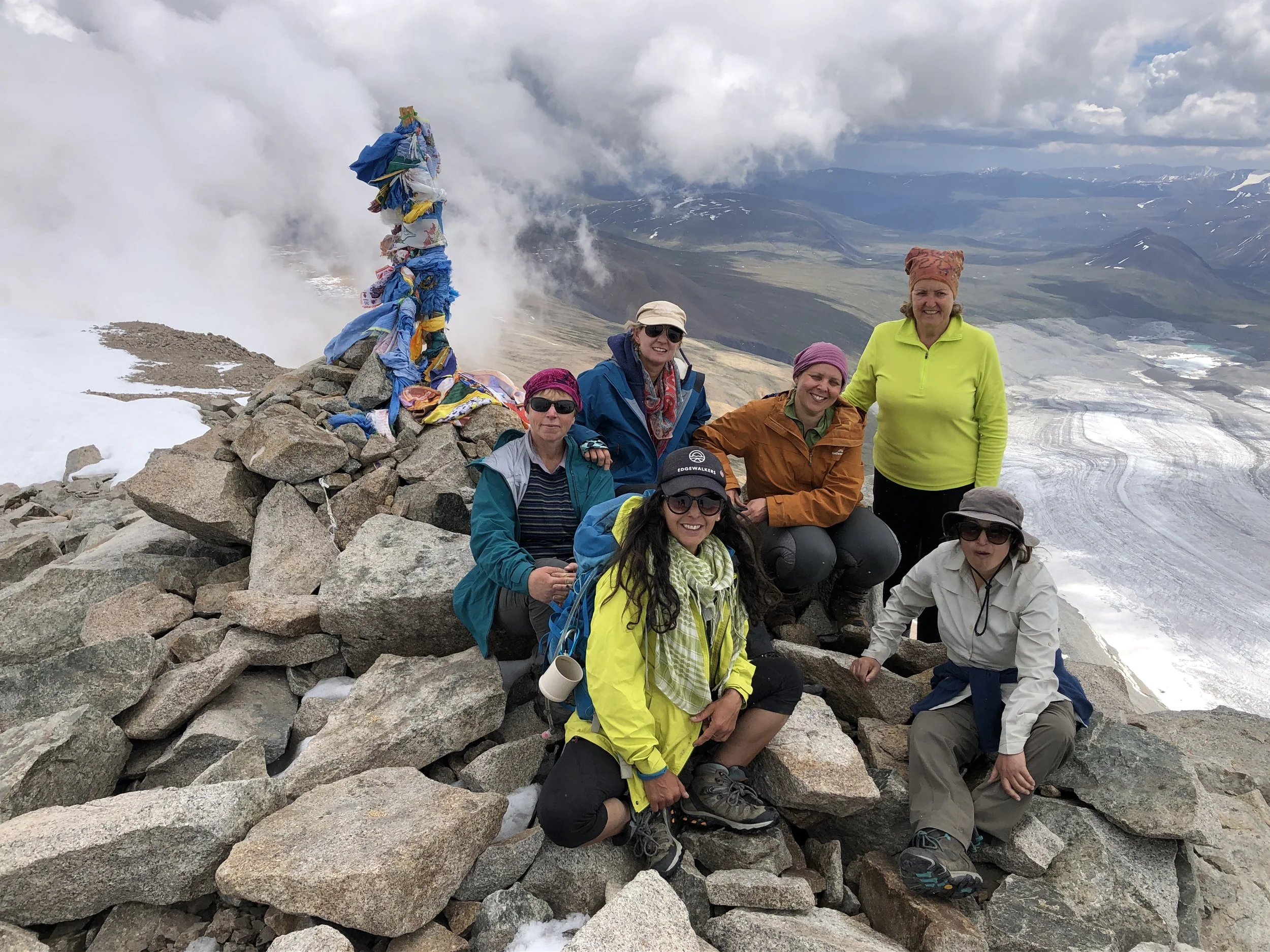
1. the Altai Mountains (that’s @dr.erika.jacobson on Malchin Peak in the Altai Mountains in northwest Mongolia.
2. The Peaks of the Balkans through the Prokletije Mountains /
View fullsize
View fullsize
View fullsize
View fullsize The Creativity Retreat in snapshots.

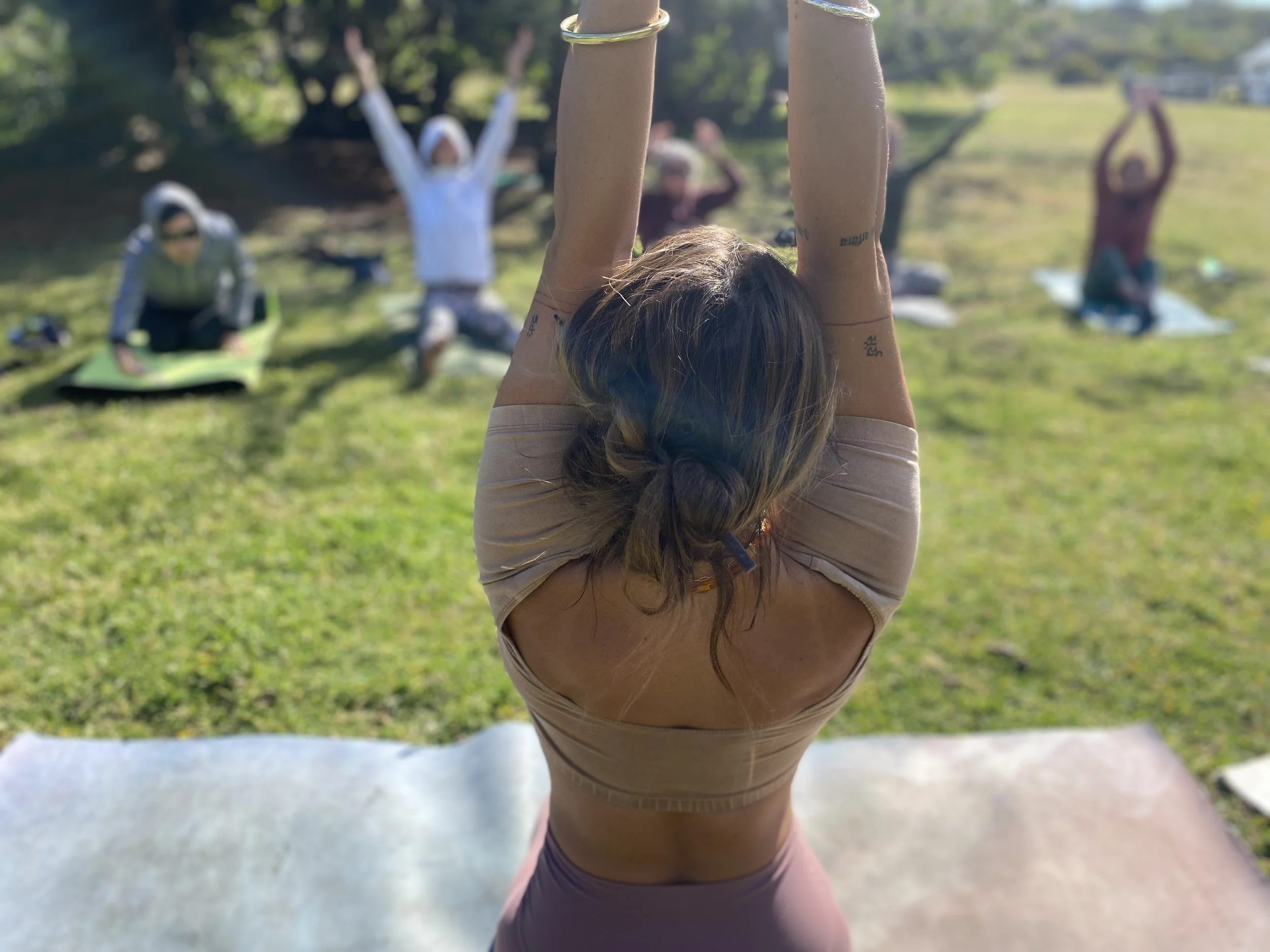
When was the last time you gave yourself time and space to just think about you? Time to explore your self-expression, your creative dreams?

The Creativity Retreat in Margaret River is 4 days away in nature in t
View fullsize
View fullsize 24 hours left on our Green Friday November SALE!

We’re committed to giving you opportunities to immerse yourself in nature, reconnect with its beauty and its power, reconnect with your creativity and with your sense of adventure - one of our s
View fullsize We’re having a 24 hour sale!
Friday 28 November.

If you sign up to our newsletter the sale starts Monday 👆🏽 (link in profile) to get the discount codes.

🔥20% off the Creativity Retreat with @dr.erika.jacobson 
🔥10% off the Cape to Cape Wa
View fullsize

Subscribe

Sign up with your email address to receive news and updates.

We respect your privacy.

Thank you!

Article Categories

  • Biodiversity
  • Creativity
  • Margaret River
  • Mongolia
  • Retreats
  • Walking
  • Wildflowers

Article Tags

  • wildflowers
  • walking
  • mountains
  • biodiversity
  • creativity
  • rivers
  • habits
  • UNESCO
  • motivation
  • Cape to Cape
  • Retreats
  • Fitzgerald River National Park
  • National Parks
  • Margaret River

3 reasons why walking makes us more creative

December 31, 2022

The physical benefits of walking are many: cardiovascular exercise improves circulation, helps maintain stable weight, good digestion, stronger bones, reduces the risk of various diseases, in all, walking is great for keeping healthy.

But you already knew that!

What you might not know, but you have sensed intuitively, is that walking is a way to access higher levels of creativity.

1.  It’s in our DNA

 Why we became bi-pedalled is unknown.

 According to some anthropologists, walking on two feet, may be one of the primary actions that shifted our collective human destiny, separating us from our primate cousins.

 The fossilised footprints dating back 3.7 million years found in east Africa in the mid 1970s are proof that even before we had stone tools we had stood up and walked on two feet.

 In effect, for millions of years we travelled on foot.

 Some anthropologists believe that we became creative from a need to learn as we moved across the planet.

 Walking meant we had to learn new environments, new edible plants, new danger. We encountered new challenges, so we solved problems.

 Learning and solving problems helped us expand our cognitive ability. It may even be that the reason we are creative is because we stood up, freed our hands, and started making stuff.

 We have been making stuff ever since. Walking and making is in our evolutionary DNA.

As Jon Lineen puts it walking has ‘influenced and accelerated humanity’s creative capacity and thus our evolution’.

  2. We are starting to prove it

 In 2014 Stanford University behavioural scientists conducted four experiments to test the effects of walking on creativity, when compared to sitting.

 The 176 participants were given tasks used to gauge aspects of creativity.

 They looked at three main areas associated with creativity: divergent, convergent, and analogical thinking.

 Divergent thinking is the ability to generate a high quantity of possible solutions and ideas. In this area those walking or who had just walked generated 81% more ideas than those who had been sitting.

 Convergent thinking is the ability to discern best solutions out of those ideas. While the increase in this area for those walking was not as high, there was still a 20% increase compared to the sitters.

 When it came to generating analogies, that is, similes, metaphors and complex comparisons, everyone who walked came up with at least one novel and complex analogy compared to only half of those seated.

 Their results confirmed what many have known for a long time: walking increases our ability to generate ideas and often quality analogies.

3.  If they did it…

From Virginia Woolf to Simone de Beauvoir; from the Bronte sisters to Charles Dickens to Friedrich Nietzsche; from Georgia O’Keefe to Daphne du Maurier, from Einstein to Steve Jobs; philosophers and writers; thinkers of many different moulds, have been recorded as being partial to a stroll, predisposed to a promenade, wild about a walk in the park.

Why?

Even before the Stamford experiments proved its benefit on creativity, walking has been an activity attributed with giving us access to a state of ‘flow’ as identified by psychologist Mihaly Csikszentmihalyi.

Flow is when we stay in a state of heightened focus, like when we do something we love, and we have some skill in it so that we feel so present, and it seems that time stands still.

Flow is associated with creativity and improvisation.

 It requires focus but it’s not so challenging that we can’t think about anything else. Like walking.

Most of us are proficient enough walkers to be able to let the mind wander while we wonder and think, thought after thought percolating effortlessly. While part of our brain is engaged in keeping us upright and putting one step in front of the other, another part is making connections, associations and imagining.

As Rebecca Solnit writes:

‘Walking allows us to be in our bodies and in the world without being made busy by them. It leaves us free to think without being wholly lost in our thoughts’


Walking is in our developmental DNA. Walking slows us down enough to let our thoughts travel through unchartered spaces in our minds where they become inklings, ideas and even solutions, where patterns emerge and perspective gain clarity.

How it happens and why is still quite a mystery, but we have some proof that walking improves our ability to be creative.

 Through the ages some have known this intuitively.

Today, you might know this too.
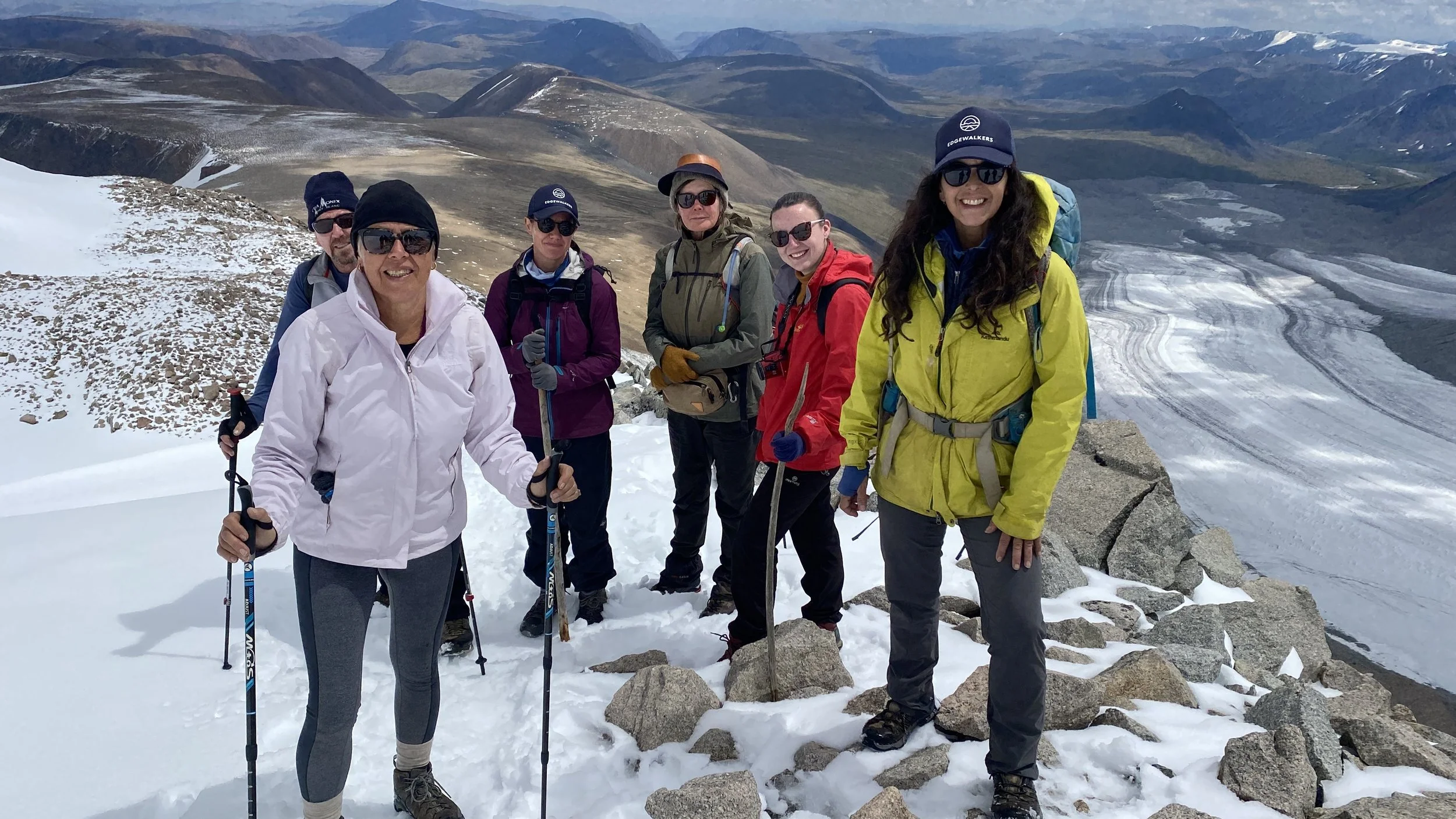
Malchin Peak - Tavan Bogd National Park - Mongolia

3 reasons why adventuring out of our comfort zone can help us reach our highest potential

October 02, 2022

In an Instagram-curated world, hiking adventures may be depicted by an image of intrepid, outdoor-gear clad people standing on a remote mountain top or a rugged outback river gorge.

The effort it took to get to that spectacular place is implied but our focus is on the triumph of the arrival – the destination.

We don’t see the grimace that went with that first step to cross a cold river as the icy water fills our boots. Or the rank wet smell as we slide our feet into damp socks and wet boots the next morning.

There’s no sound of gasping for air as altitude and scree conspire against us up the side of a steep mountain.

 There’s no mention of the raw skin left on our hips from the rubbing of the backpack straps, or blisters or lost toenails.

 We have no inkling of how many wrong turns were taken and whether snakes, bears or swarms of mosquitoes were encountered on the adventure.

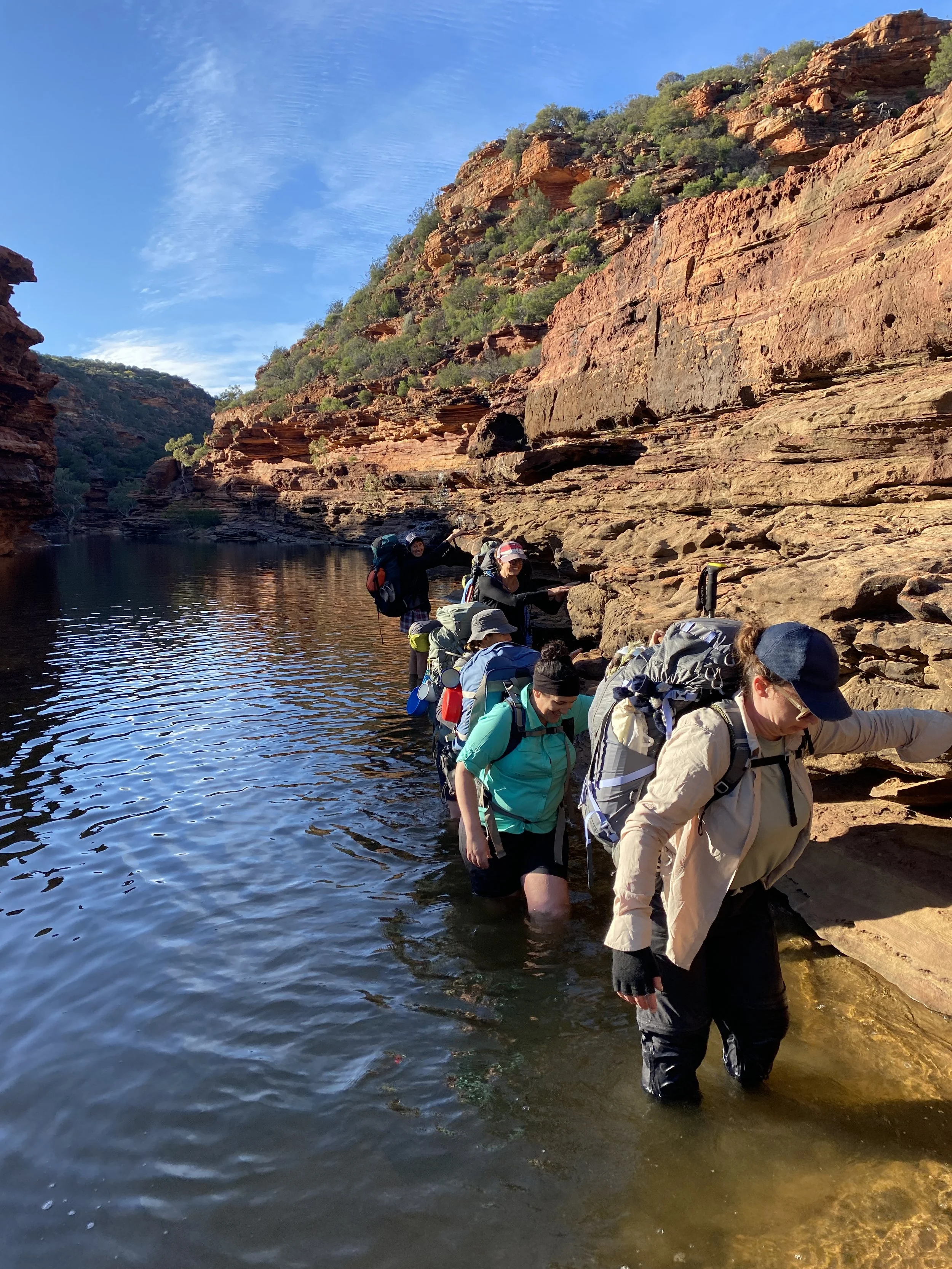
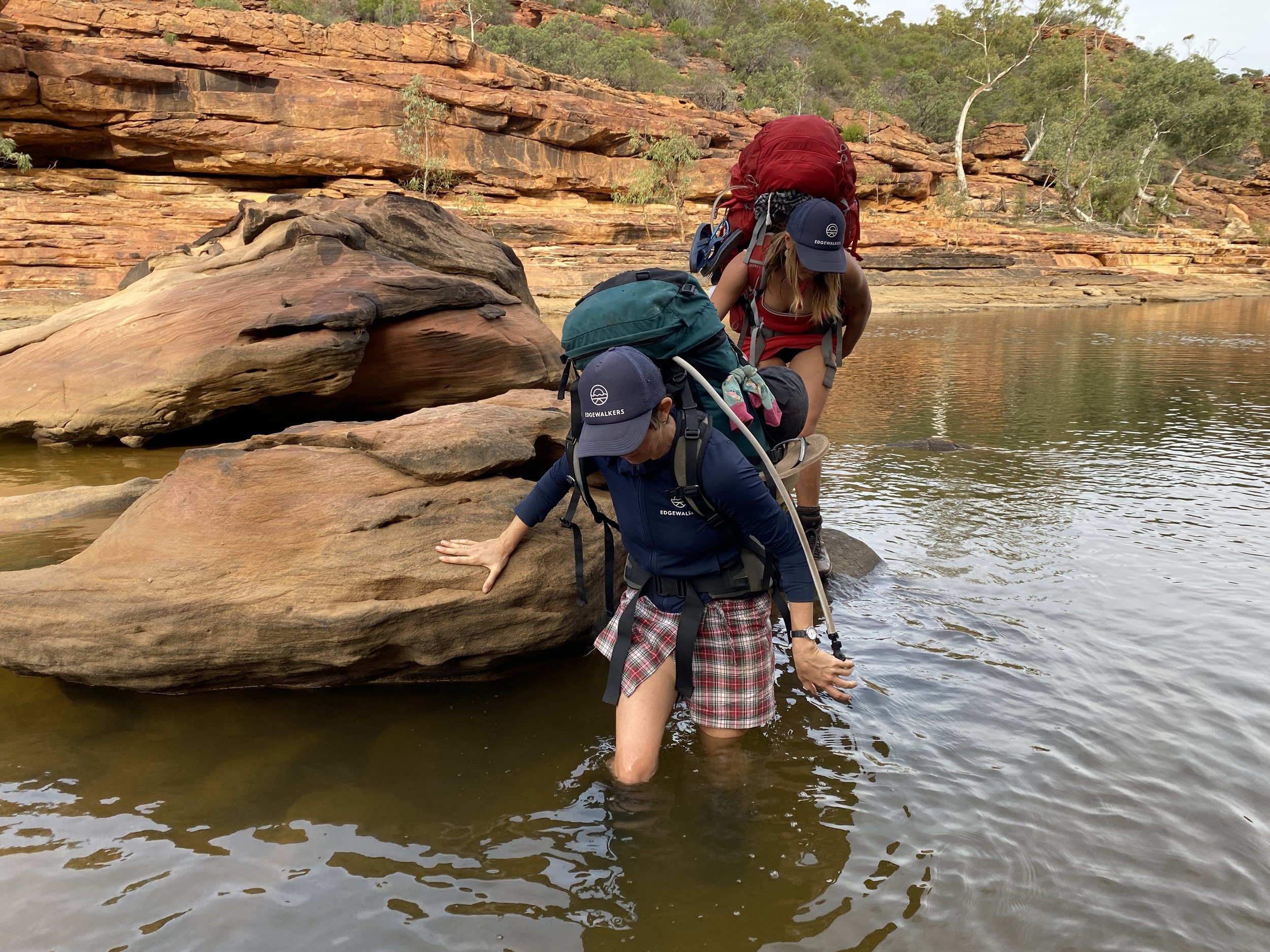
Murchison Gorge - Kalbarri National Park - Western Australia

More specifically, we do not see what personal fears and limitations were conquered to get to that magnificent spot.

There is no attention drawn to the many times the adventure takes us out of our comfort zone and the transformative impact that can have on our lives.

Because that’s the thing about adventure.

It’s all about getting out of your comfort zone!

 And getting our comfort zone can be life changing and transformative.

 Here are three reasons why:

1.      Stepping out of our comfort zones fosters a mindset of growth and learning.

 Our comfort zone is a state of being in which we are ‘comfortable’ because there is no stress or anxiety; we are familiar with what we are experiencing, and we do not need to do anything we do not how to do.

 Since we are not pushing outside of our limits we don’t get to know what we are capable of doing.

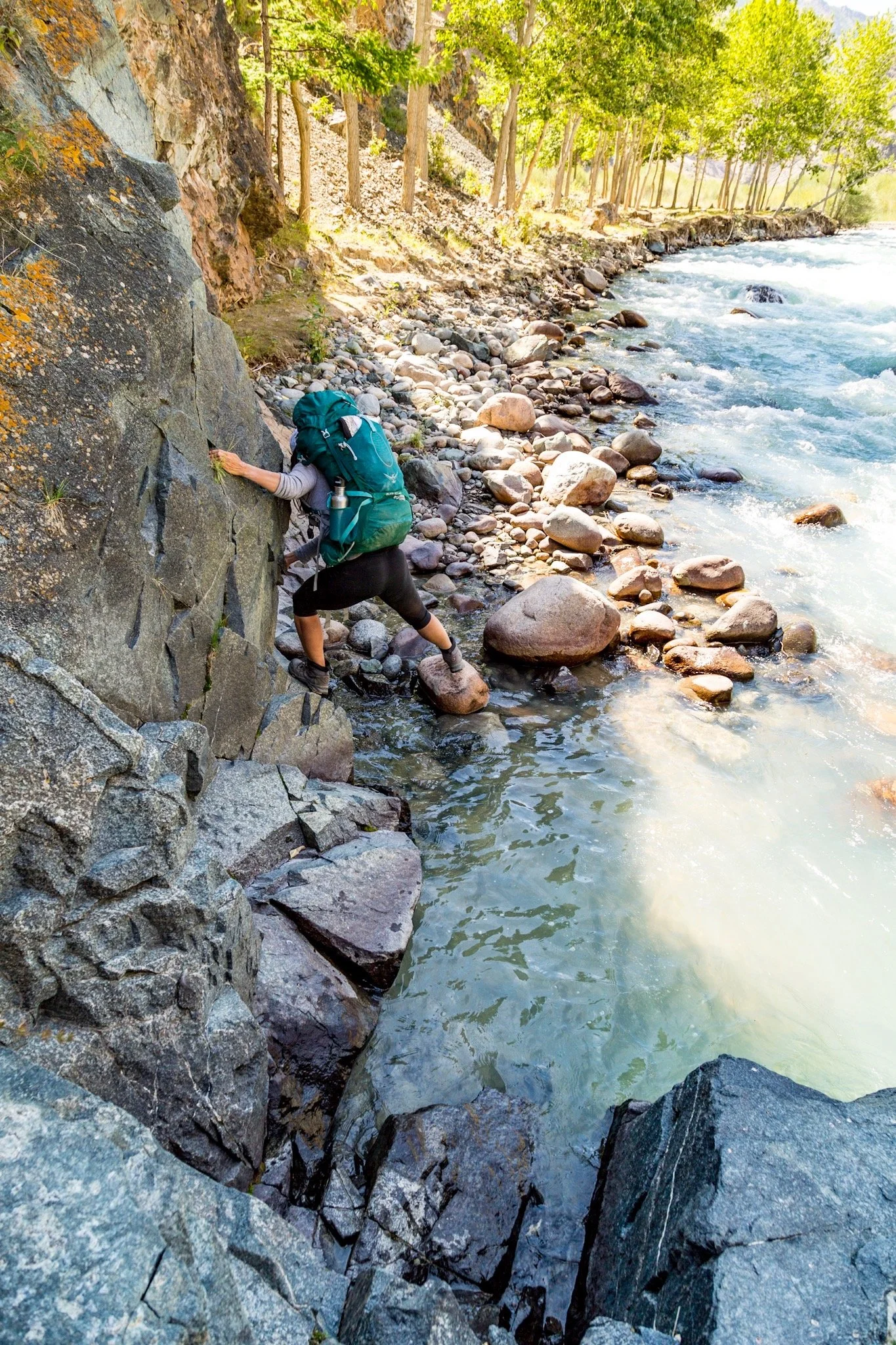
Murchison Gorge - Kalbarri National Park

The first time we step into a river and start to tentatively feel our way around slippery rocks and wade in the opaque, cold water we may not know what we are doing but when we get to the other side of the river, we KNOW we can.

 We will never NOT know that we can.

 That is transformation.

 Plenty of studies tell us that if it’s too easy we do not learn.

 We also get to embrace challenge instead of avoiding it.

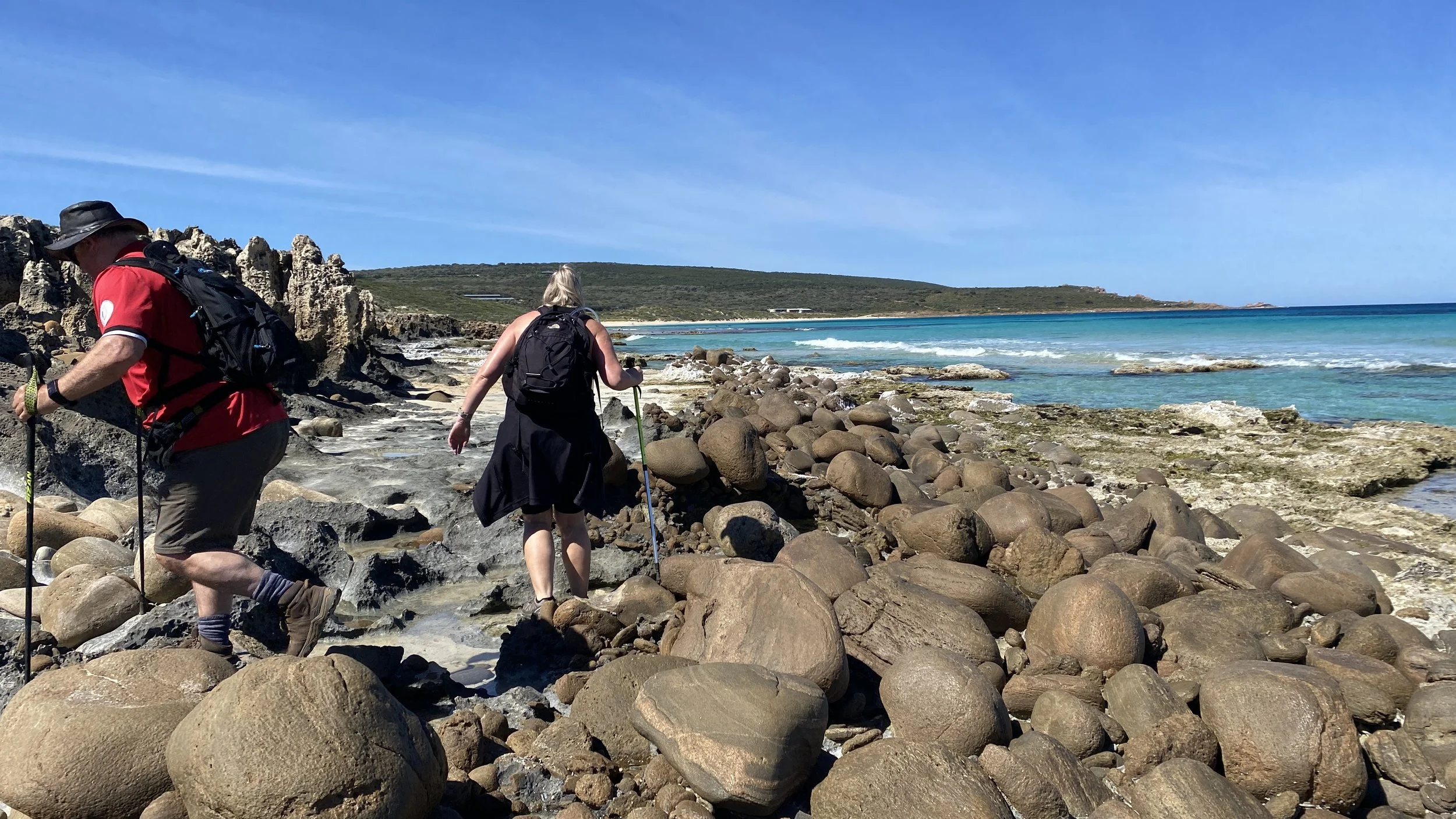
 There is nowhere to go once you are halfway up the side of a scree- covered mountain at 4,000 metres. You either come down or keep going. This carries over into other aspects of our lives. It builds resilience. There is nothing more to do but walk if you are half way along a remote beach with limited access.

The Cape to Cape - Margaret River Region - Western Australia

Which means we learn to persist rather than give up.

And as many a self-development guru will tell us, persistence is power. To achieve great things, whether it is a Phd, a successful business or healthy relationships and communication, it takes persistence.

What is more, through persistence and embracing the challenge we get understand why the effort matters and how much it is worth once we get to a place that literally takes our breath away with its beauty.

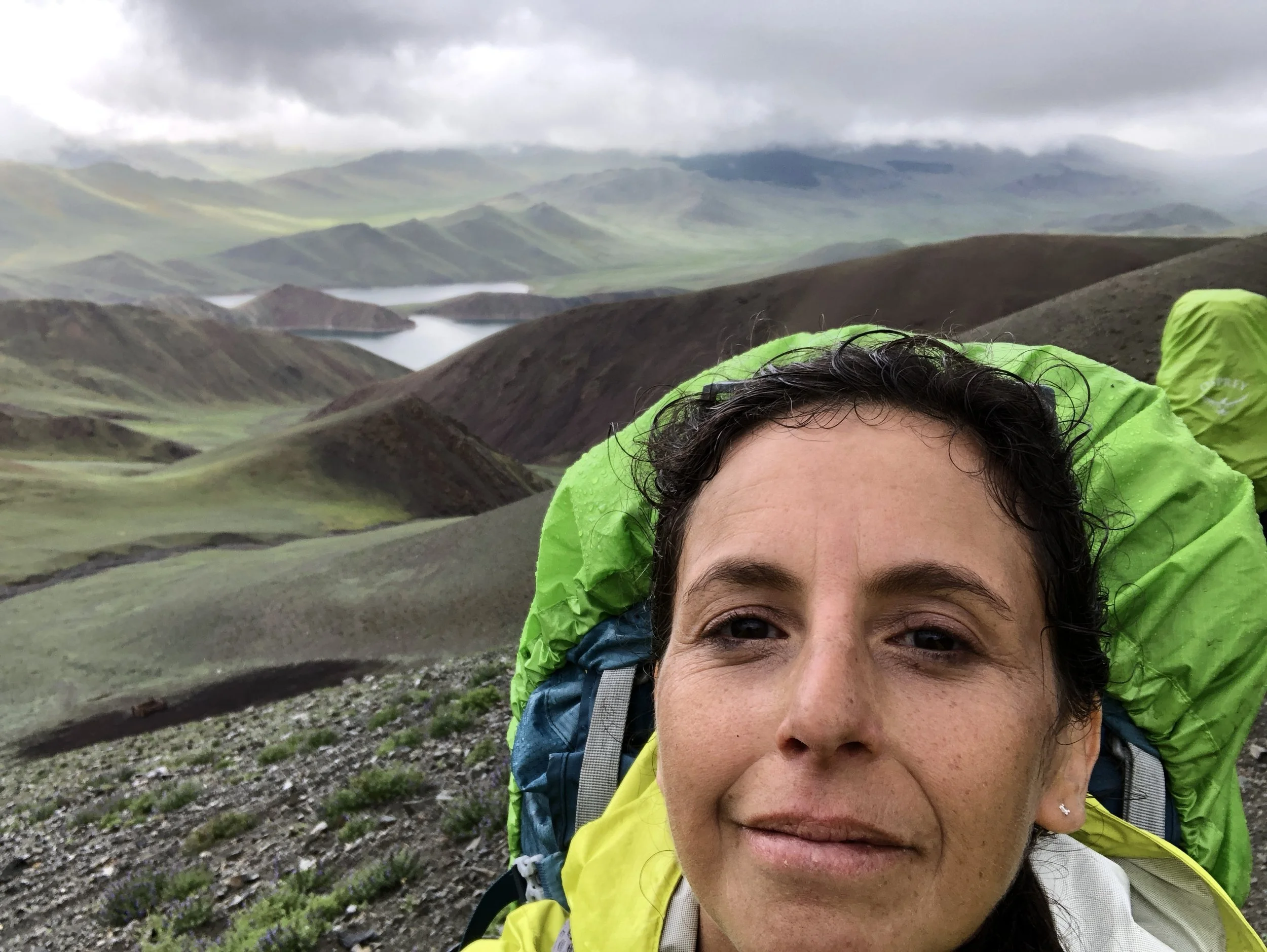
Turgen National Park - Mongolia

We cannot exist healthily in constant stress and discomfort without it taking a toll emotionally, psychologically and physically. But most of us spend way too much time shrouded in certainty and comfort.

As Maslow proposed, once we have met our most basic needs, we are left with a driving desire to attain higher levels of purpose and self-actualisation.

2.     Stepping out of our comfort zone can give us new perspectives.

 The view from the top of Malchin Peak in the north-west Mongolian wilderness has literally brough tears to my eyes each time I have summitted. The view of mountains and snow peaks and glaciers as far as the eyes can see leaves an imprint and physically changes our brain.

 These new perspectives are not only physically as we see something we have not seen before and that cannot be seen from anywhere else; but they are also, emotional and symbolic as they open our minds to new possibilities and ideas.

 We become able to turn a fear of failing into opportunities for learning

 We learn that there are different ways of viewing EVERYTHING.

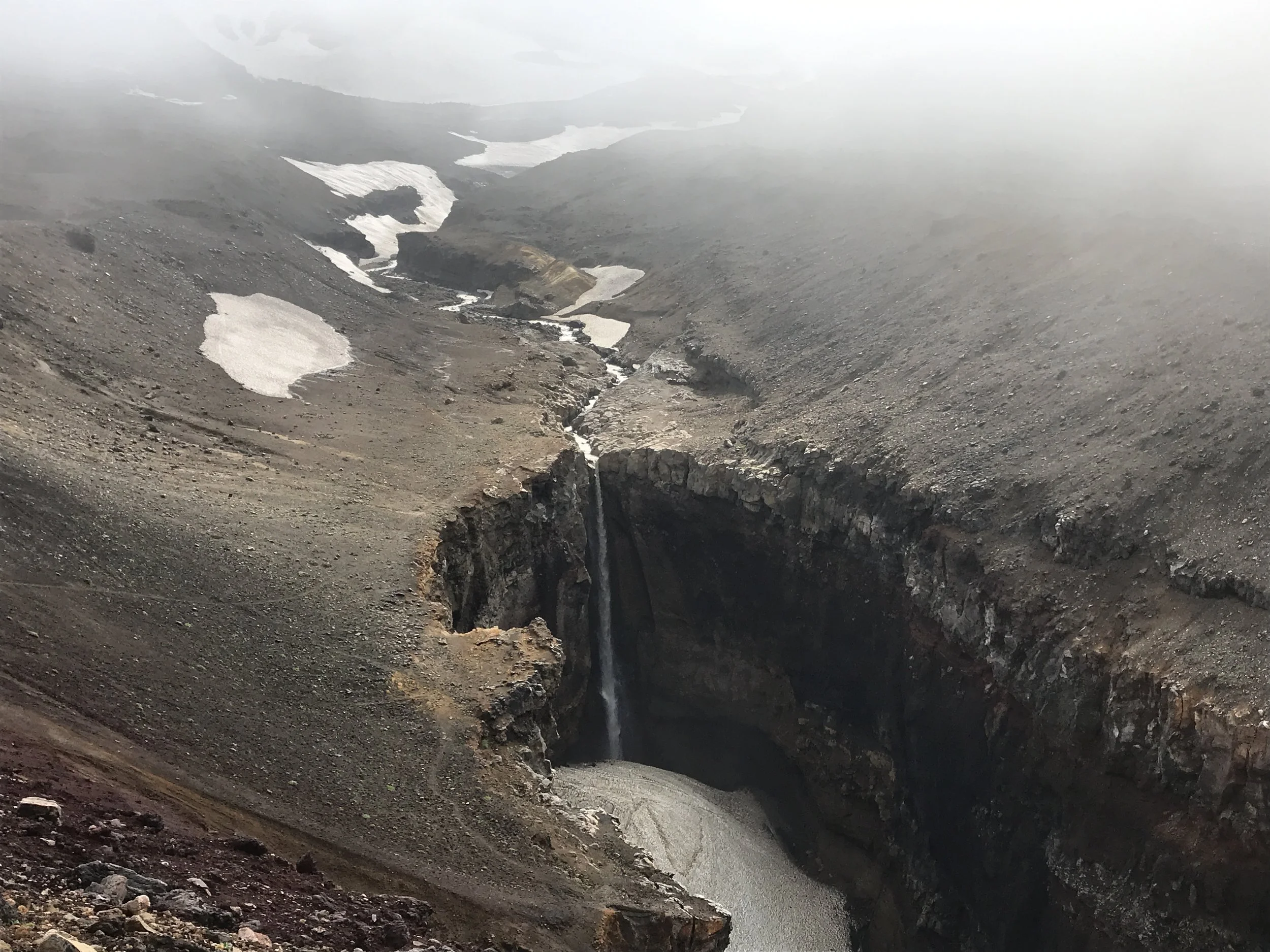
Kamchatka - Mutnovsky Volcano Hike 2019

3.     Stepping out of our comfort zone makes us happy.

This may be for a number of reasons. First, as described above, the overwhelming  emotion of beauty can give us a ‘peak experience’, that is, an experience of intense joy that is ‘ meaningful and transformational’.

My first ever solo hike was to the Annapurna basecamp in Nepal. I had decided to do it without a porter or a guide and so I hiked on my own for 10 days. As I approached one of the passes, the mist rose around me covering any view other than the path and nearby vegetation. When I woke up in the morning and looked around at the clear, sharp and breathtaking spectacle of the Himalayan mountain I was overwhelmed with emotion. Something that was intensely joyful and unforgettable.

Himalayas - Nepal

Another reason we feel happy when we step out of our comfort zone, is that we can feel a huge sense of accomplishment that fuels our self-esteem and makes us feel powerful.

On another solo walk, this time in the Turgen National Park in northwest Mongolia, uncertain about the route and distance to my pick up point, I was in a heightened state of awareness as I walked alone over a 3,100 metre pass to a gigantic view of a meandering river that stretched for miles. After more than 35 kms walking, I reached the place and waited, very wary and uncertain. When I saw the driver and his smiling Tuvan wife approach in the distance, I felt an immeasurable sense of achievement and capability.

I had done it! Nobody can take that away.

Lastly, as some post-pandemic research has shown, breaking that feeling of being in a rut can be simply overcome by doing something that is outside our comfort zone. For some people this could be hiking a 4,000 metre mountain in a remote corner of the planet and for others clambering up a 360 metres mount littered with beautiful wildflowers is enough to shake them out of complacency and dullness.

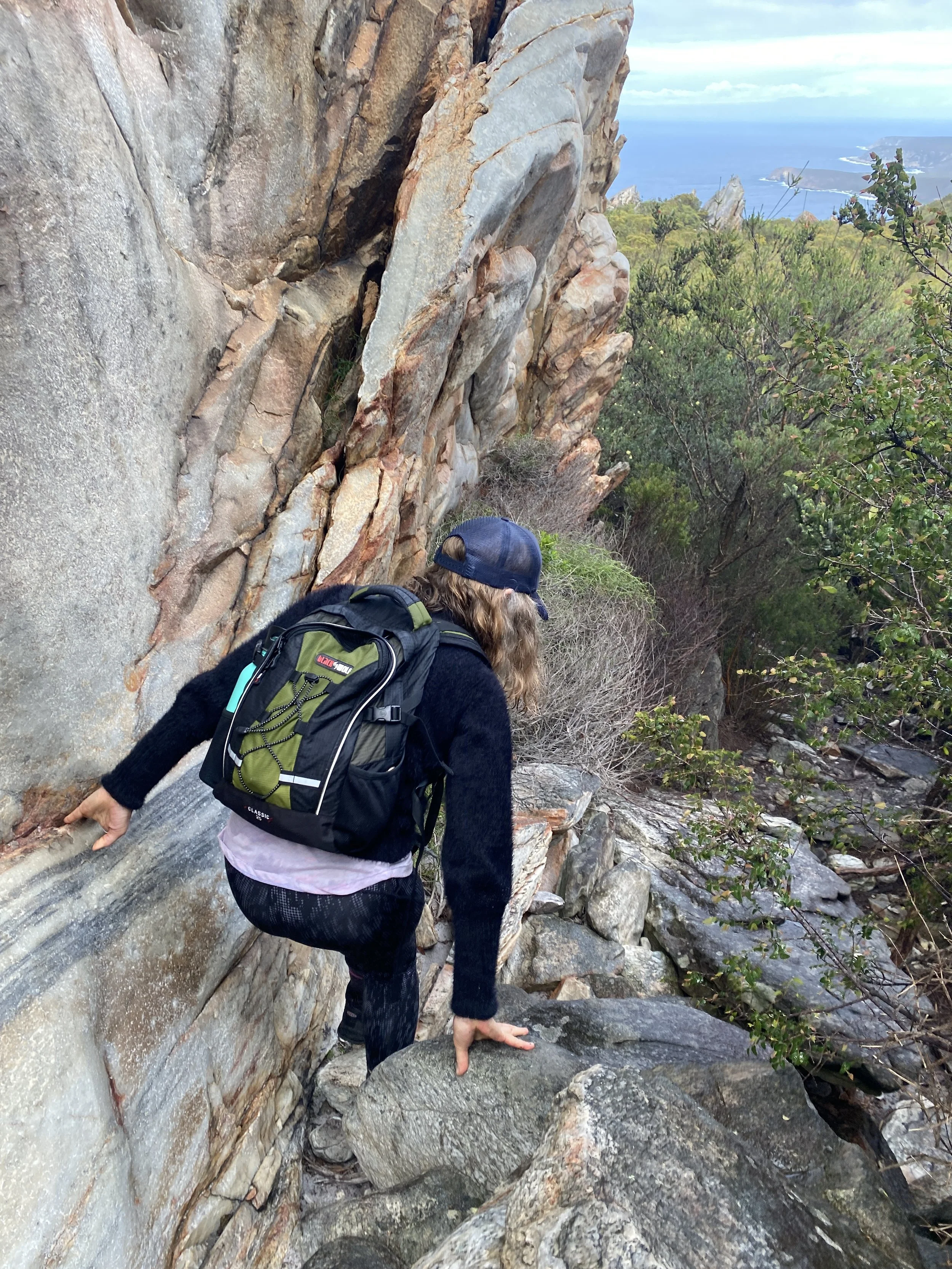
Climbing down East Mt Barren - Fitzgerald River National Park

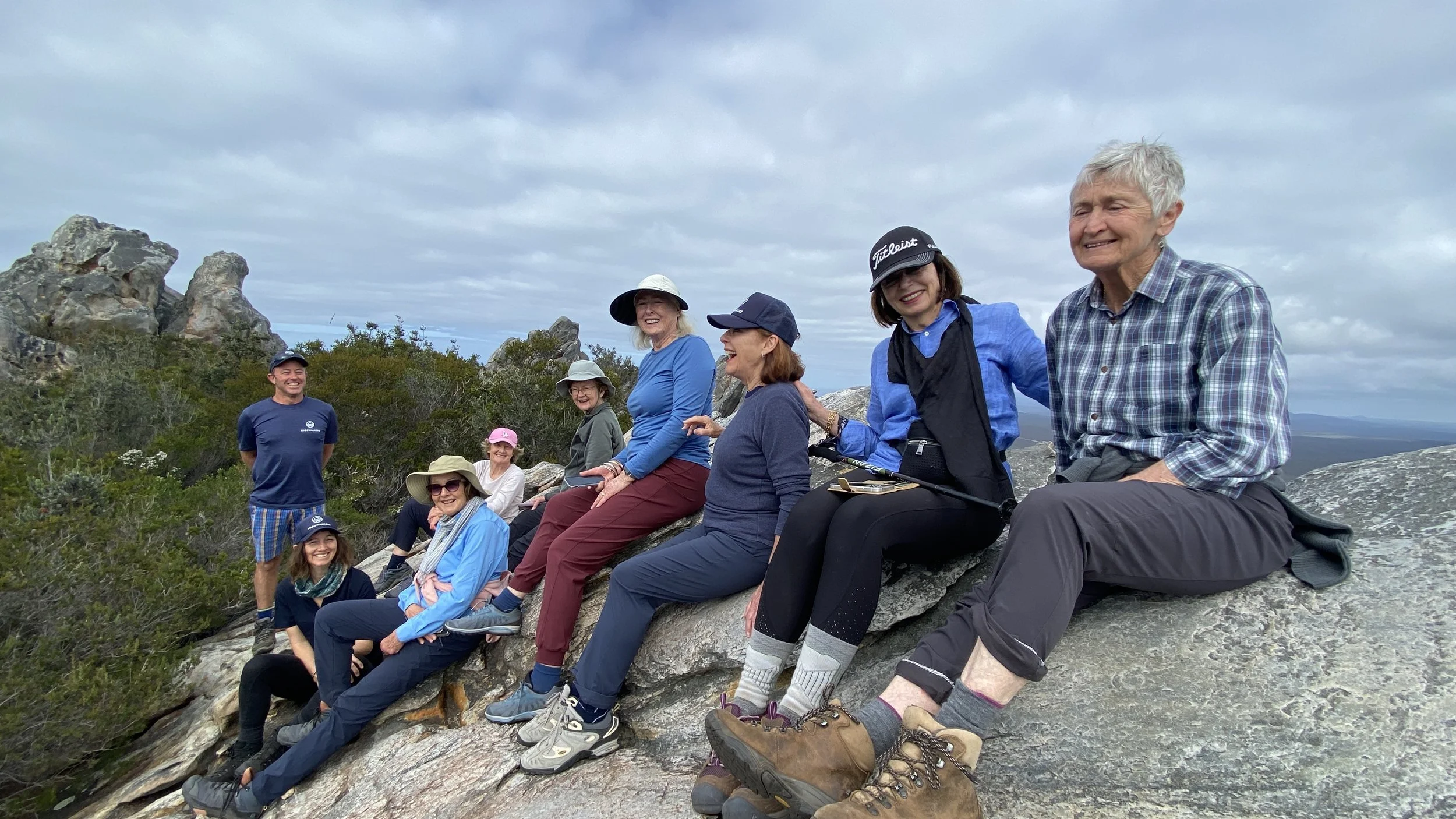
East Mt Barren - Fitzgerald River National Park - smiles all round.

Stepping out of our comfort zone, in whatever form that takes, fosters a mindset for growth and learning, it opens our minds to new perspectives, and it just makes us happy!  

When was the last time you stepped out of your comfort zone?

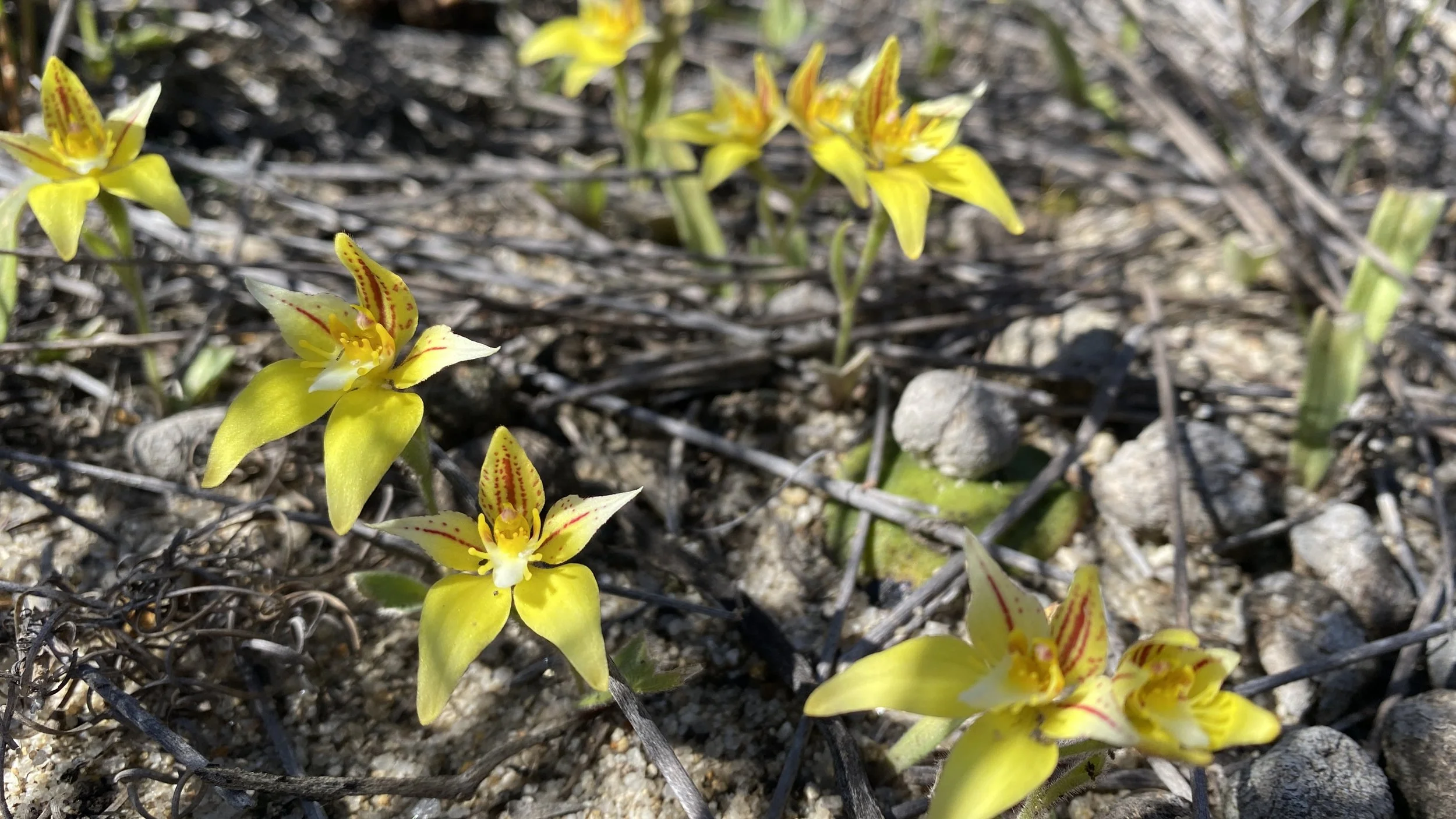
Cowslip Orchids …Caledenia sp

Kukenarup Memorial - a place of healing

June 21, 2022

 “I am blooming from the wound where I once bled”
Rumi

Kukenarup Memorial, about 15 km out of Ravensthorpe, is an eerily quiet and deeply peaceful place.
Walking around the short trail in seems at first very solemn. It is, after all, the memorial of a massacre of local indigenous people perpetrated by local European settlers in the early 1800s. One of the first of its kind in Australia.

At the same time, it is a place of great beauty - full of wildflowers.

Read More

Tavan Bogd National Park

9 Days Through the Mongolian Wilderness

May 12, 2022

The skies are almost always blue, the landscape is breathtakingly stunning & the wilderness unspoilt - Mongolia is a walker's paradise & a perfect setting for exploration & self-discovery.

Since 2015 I have been travelling to the Tavan Bogd National Park, approximately 1,700 km from Ulaan Baatar (UB), Mongolia’s capital, and home to the Mongolian section of the Altai Mountains.

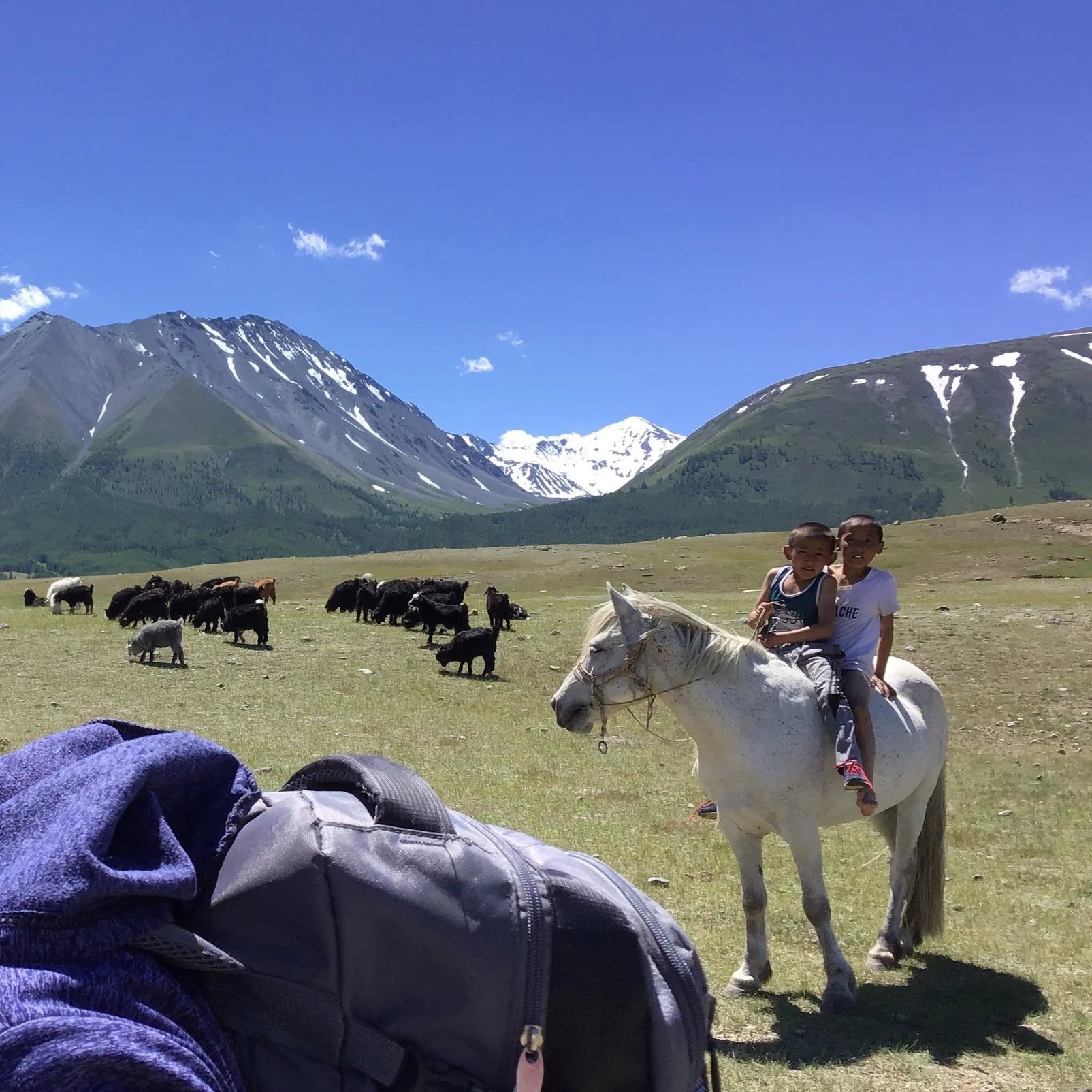
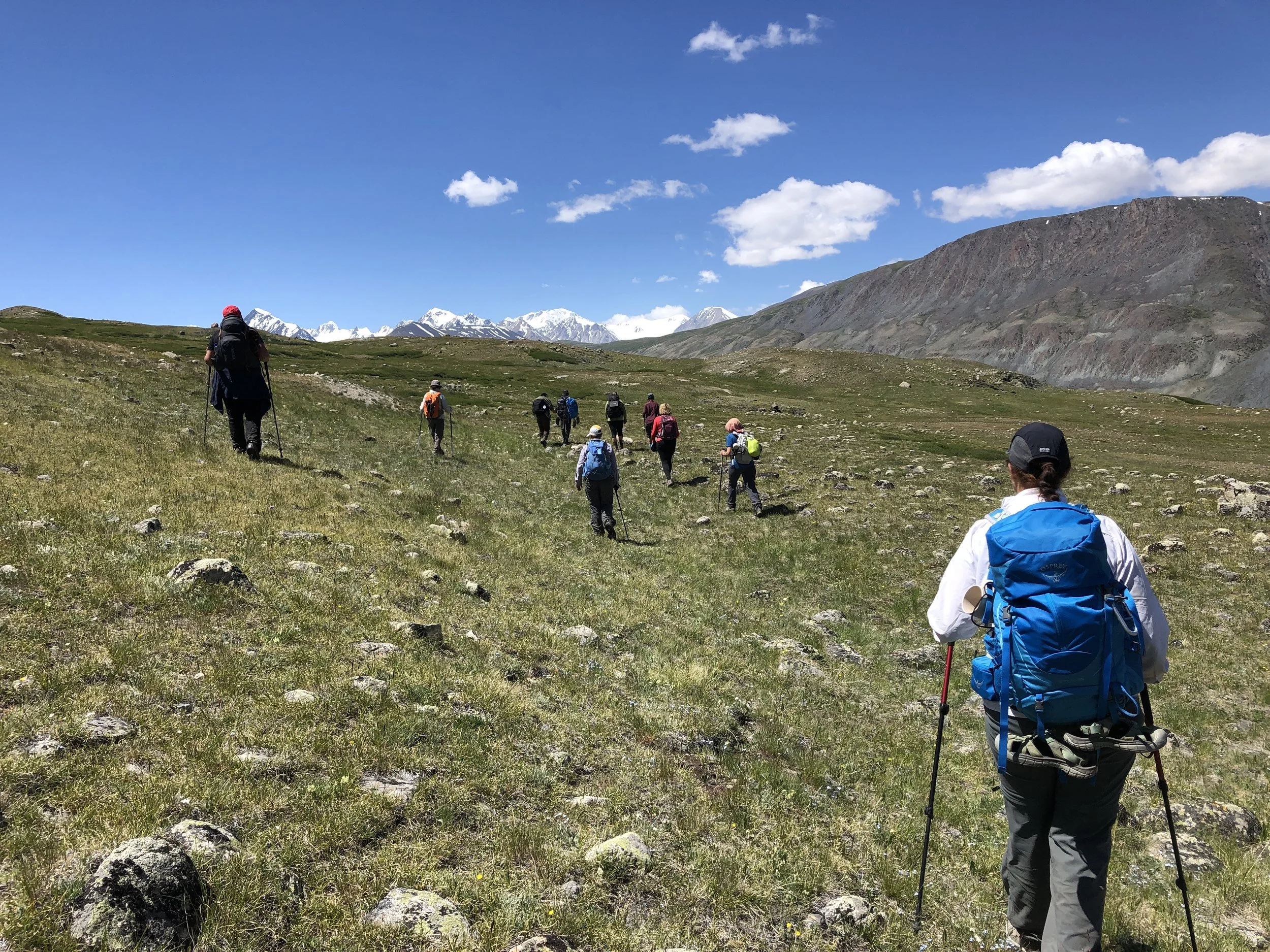
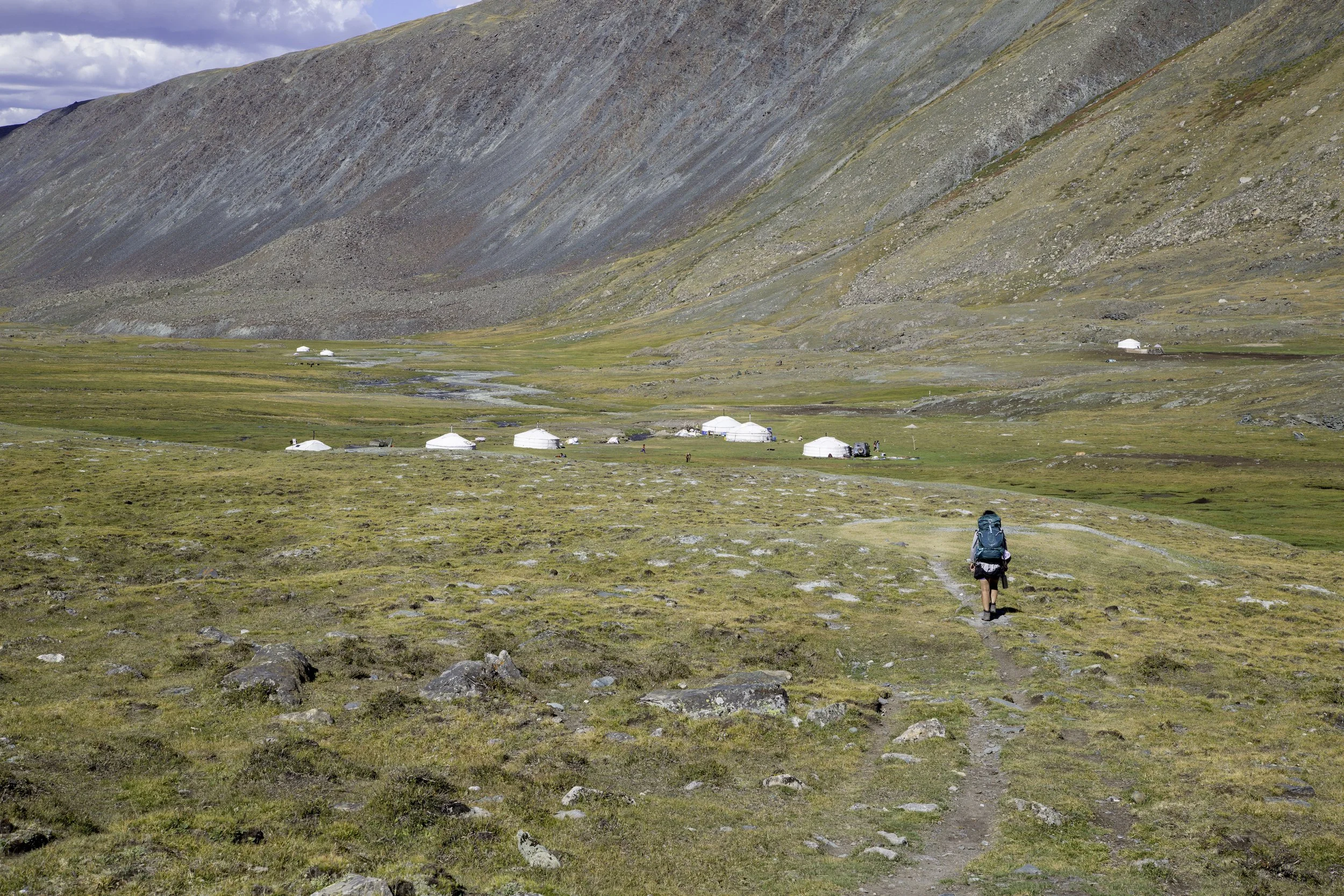
In summer, many Tuvan and Kazakh nomadic herders bring their animals to graze in its pastures. It is an idyllic place to spend day after day walking immersed in unspoilt and remote wilderness with waterfalls, streams, glaciers and Mongolia’s tallest peaks.

The journey to the Tavan Bogd National Park starts in Ulgii, a town of about 30,000 people - mostly Kazakh muslims - in the western province of Bayan-Ulgii.

Ulgii - looking across the River Hovd.

DAY 1

We leave Ulgii from the northwest end of the town, past the airport where the bitumen road ends and almost seamlessly veers slightly to the left and onto a dirt track. Most of Mongolia road travel takes place along this colossal network of dirt roads and paths on which you rarely see a post or sign for directions.

It is an exciting, bumpy ride inside the Russian furgon (like a 4WD Combi van), coasting down the side of hills; bouncing and sliding on the felt seat covers, slowing down often to let the herds of sheep or goats scatter around us, and let us through. 

View fullsize Hiking Mongolia .JPG
View fullsize Mongolia hiking.JPG

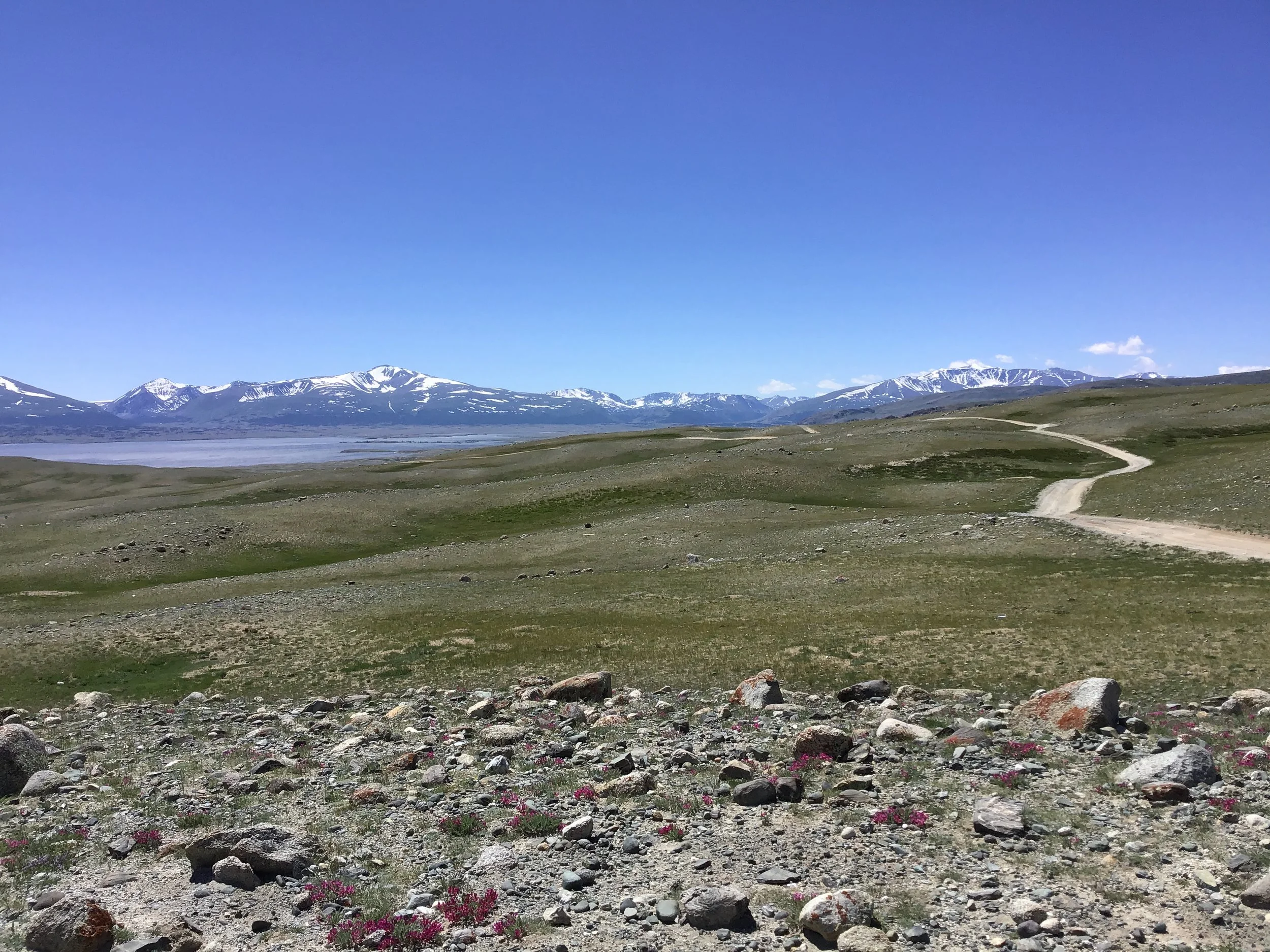
All around the views are expansive. Long stretches of undulating grassy green hills with yaks, horses, goats and sheep grazing in herds. In the horizon snow-peaked mountains, beside us rushing rivers and creeks whose crossings require skilled 4WD action over uneven, pebbled banks; above us, endless skies.


The 150 km between Ulgii and the National Park takes about 5 to 6 hours and we arrive at the southern entry (only 12 km from the border with China).

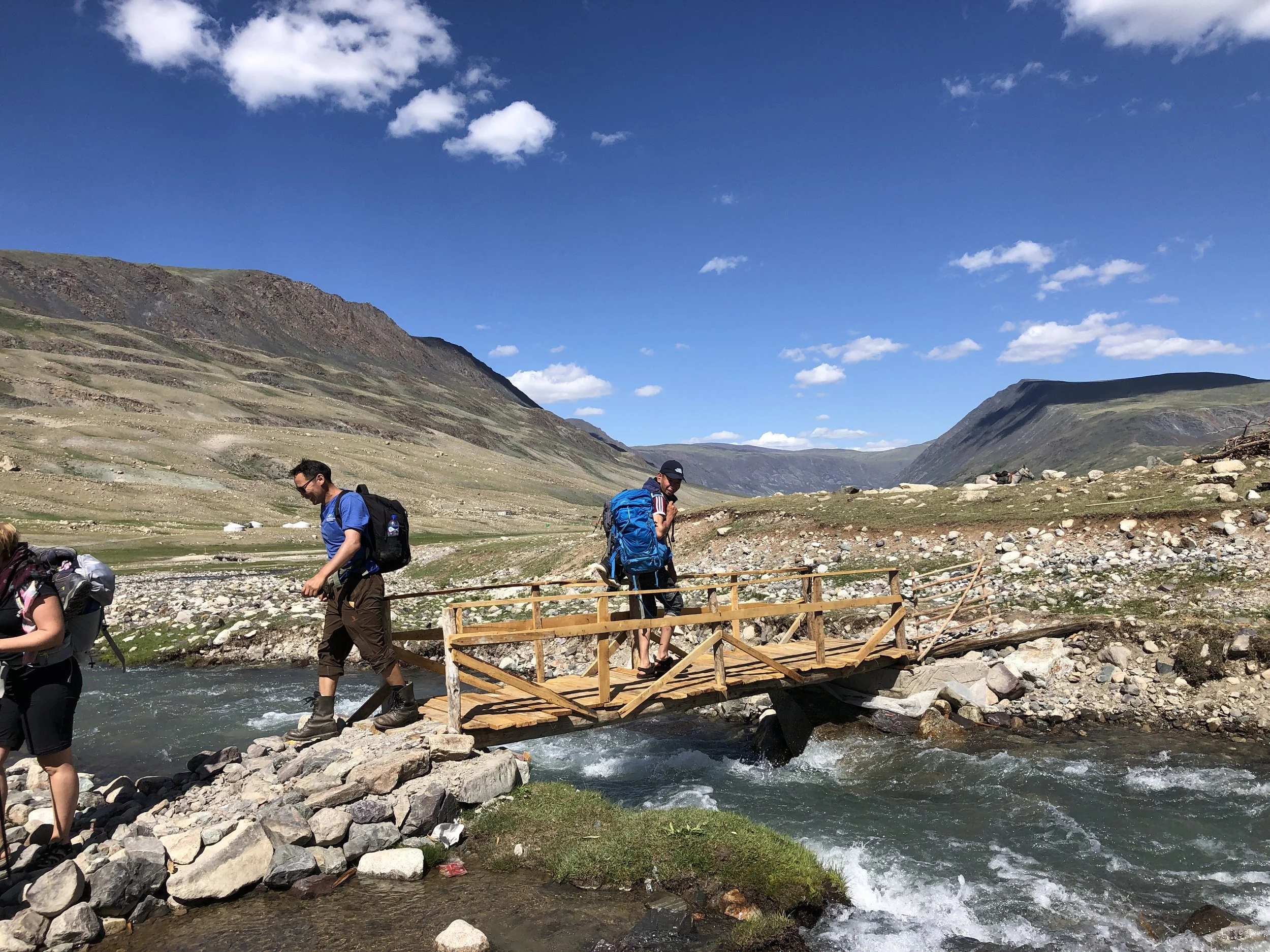
Our hike starts here, with a bridge crossing over the southern-most end of Khoton Lake at about 2,000 metres above sea level. 

Because the National Park is found at such proximity to the borders with both China and Russia, there are a number of check points with local rangers. Just past the bridge to the south is the first check-point. Permits and passports need to be shown to the military guard there - they also check that you are travelling with a local guide. 

View fullsize Tavan Bogd National Park - Edgewalkwers Mongolia Walking Tour 2019.JPG
View fullsize Walking Mongolia - Tavan Bogd National Park Edgewalkers 2019.JPG
View fullsize Mongolia Hiking 202.JPG
View fullsize Camping Tavan Bogd National Park Edgewalkers 2019.JPG

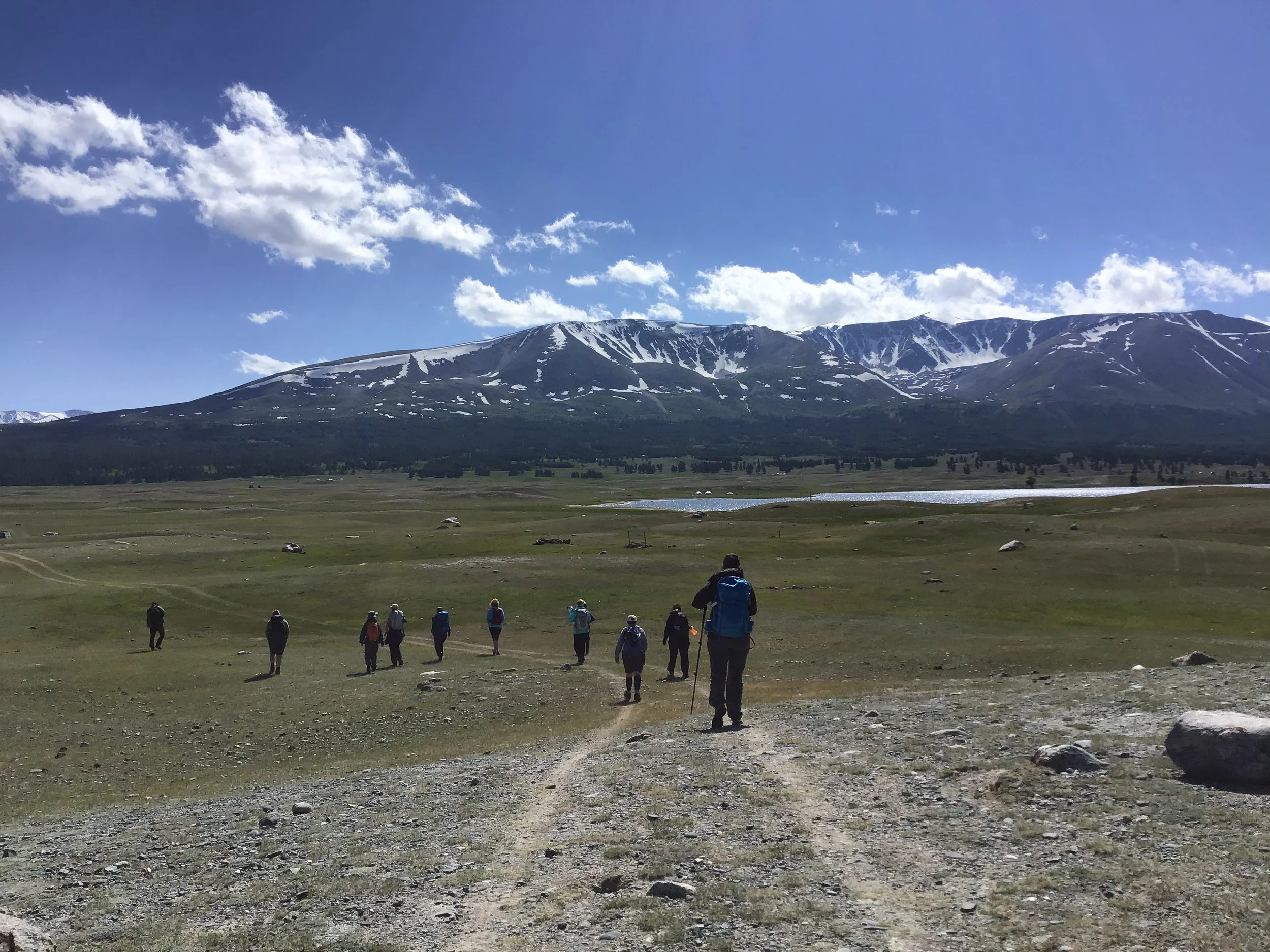
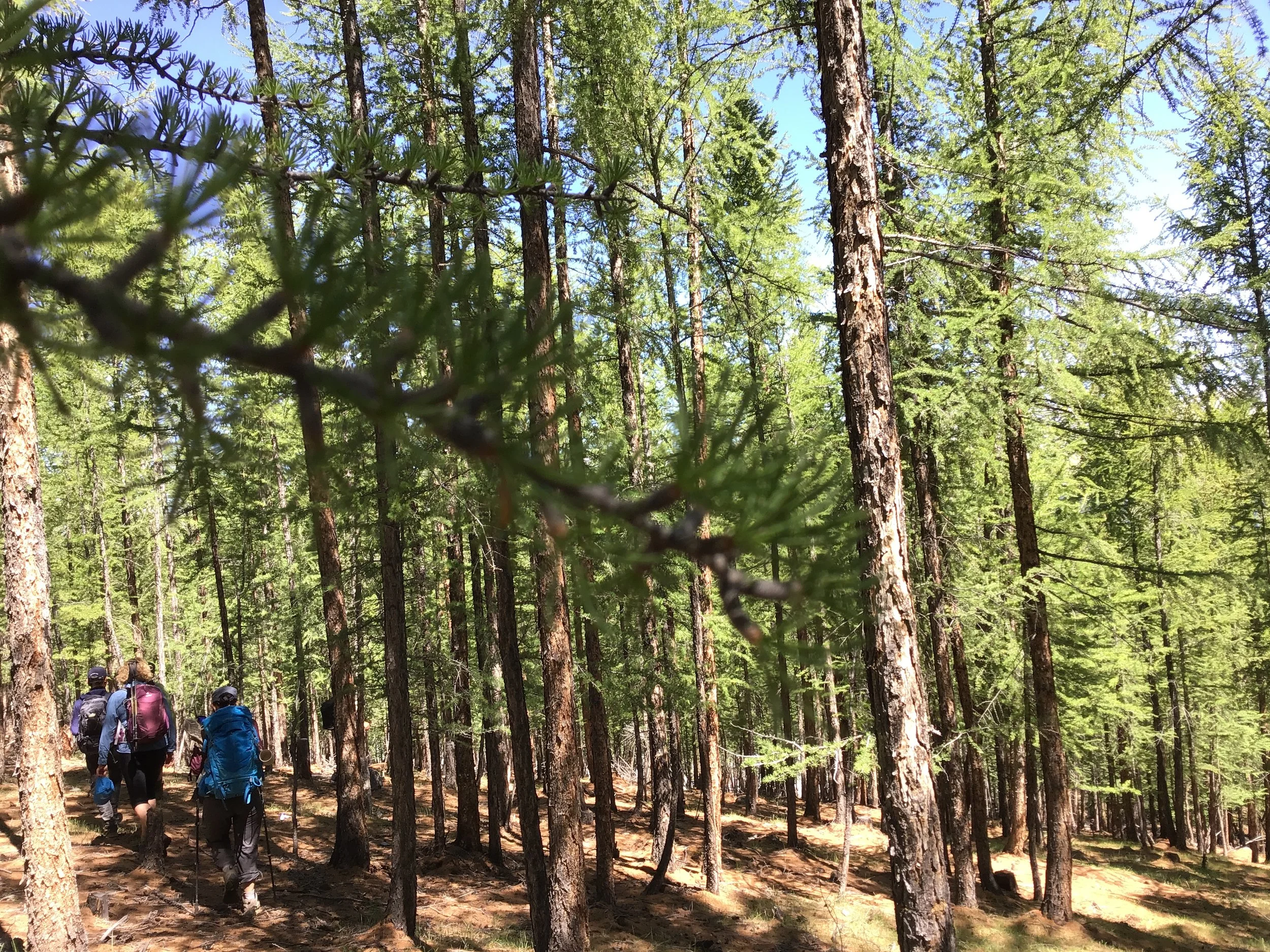
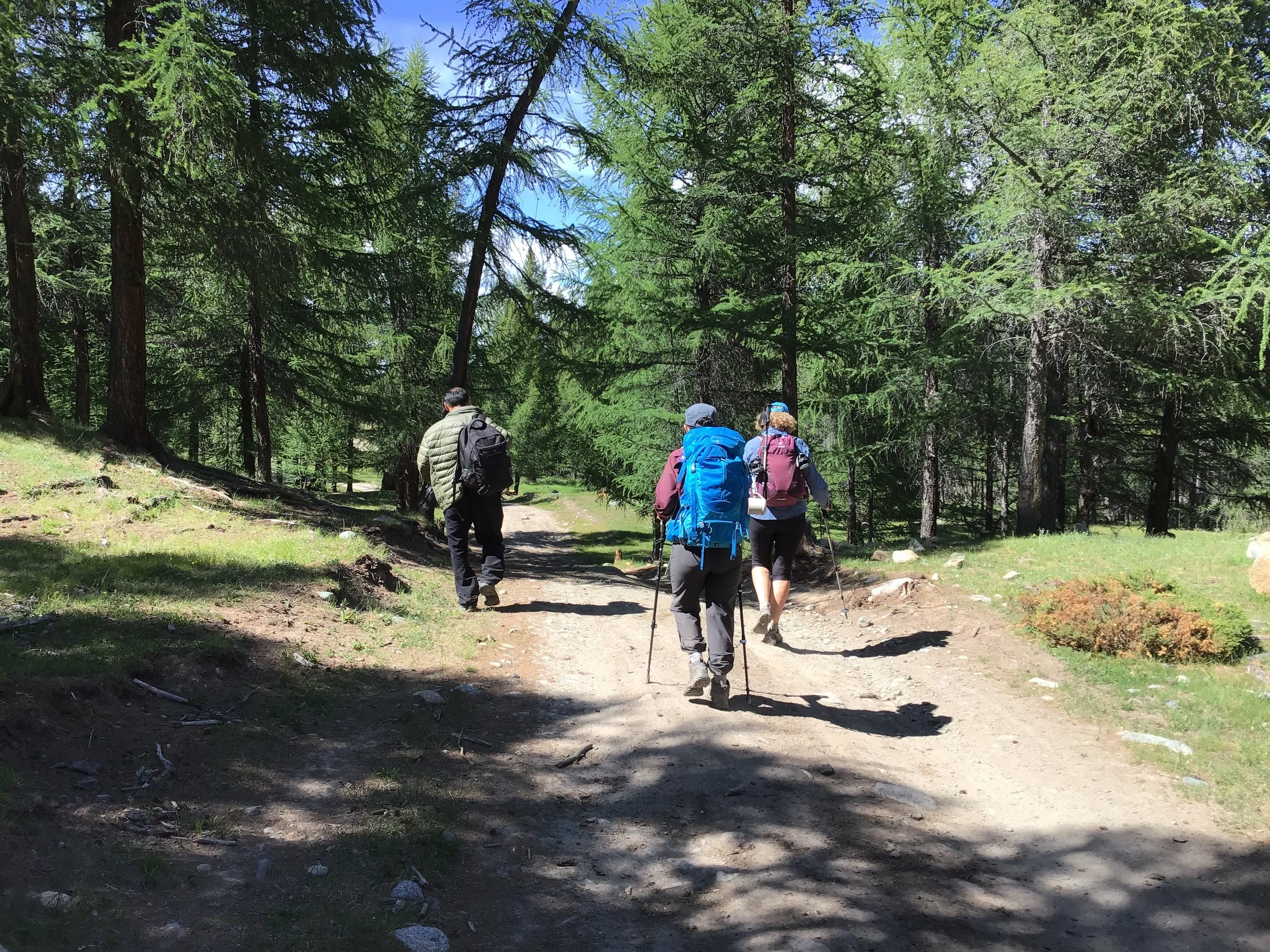
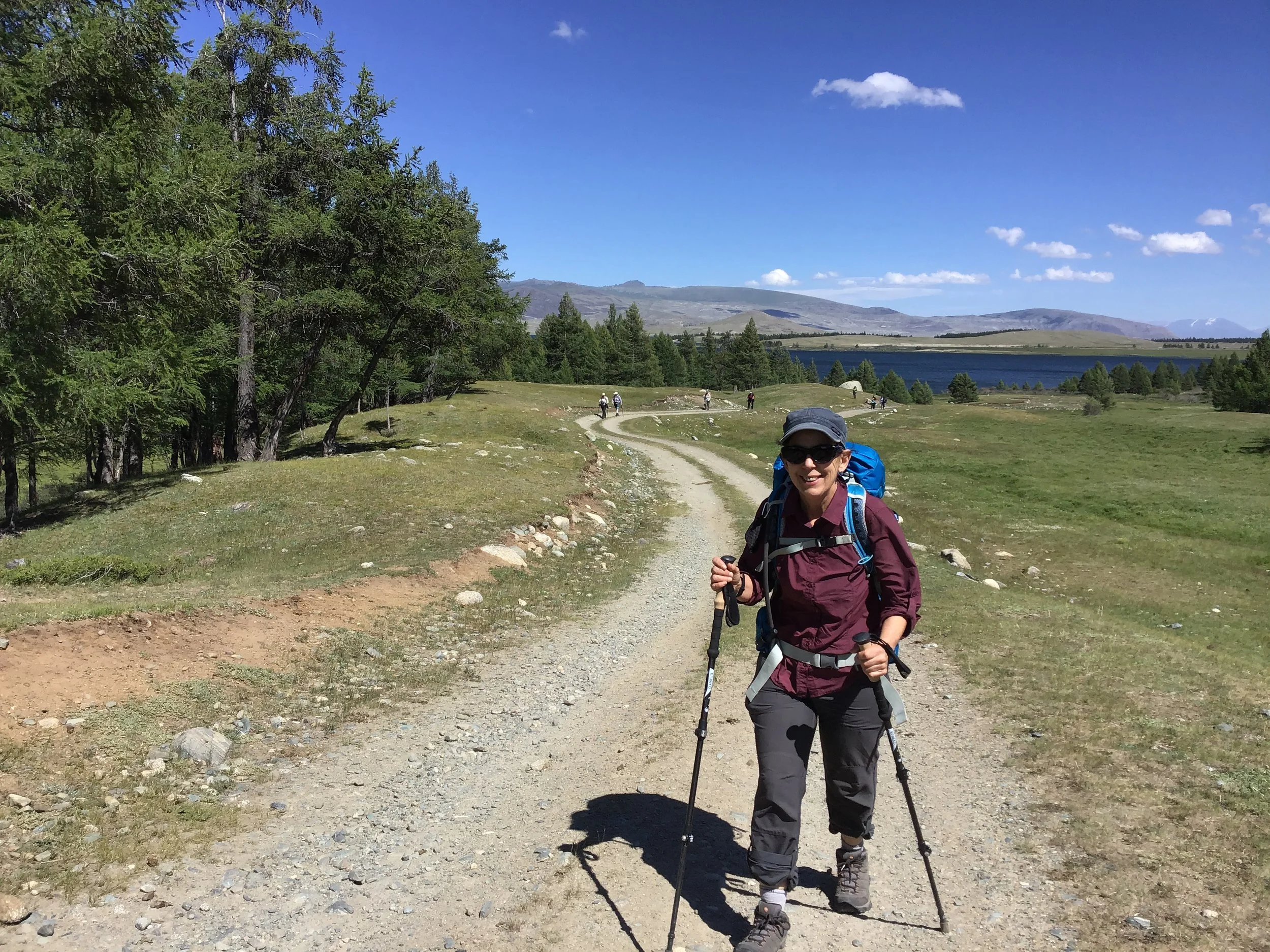
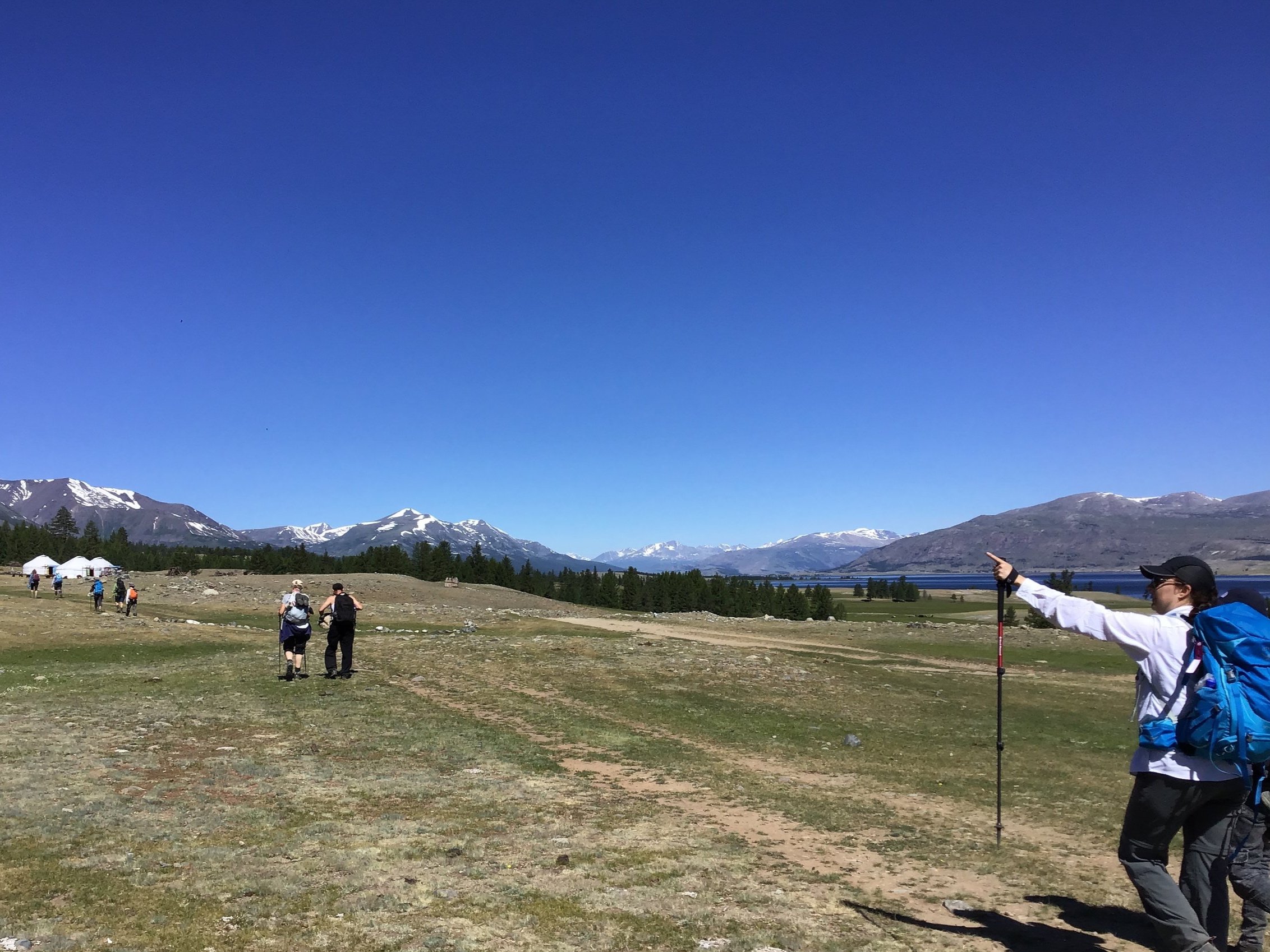
After sitting in the van for half the day it is great to finally start walking, Khoton lake on the right, China not far on our left and all around scattered larch trees and remaining trunks, hacked, evidence of significant clearing, probably for firewood.

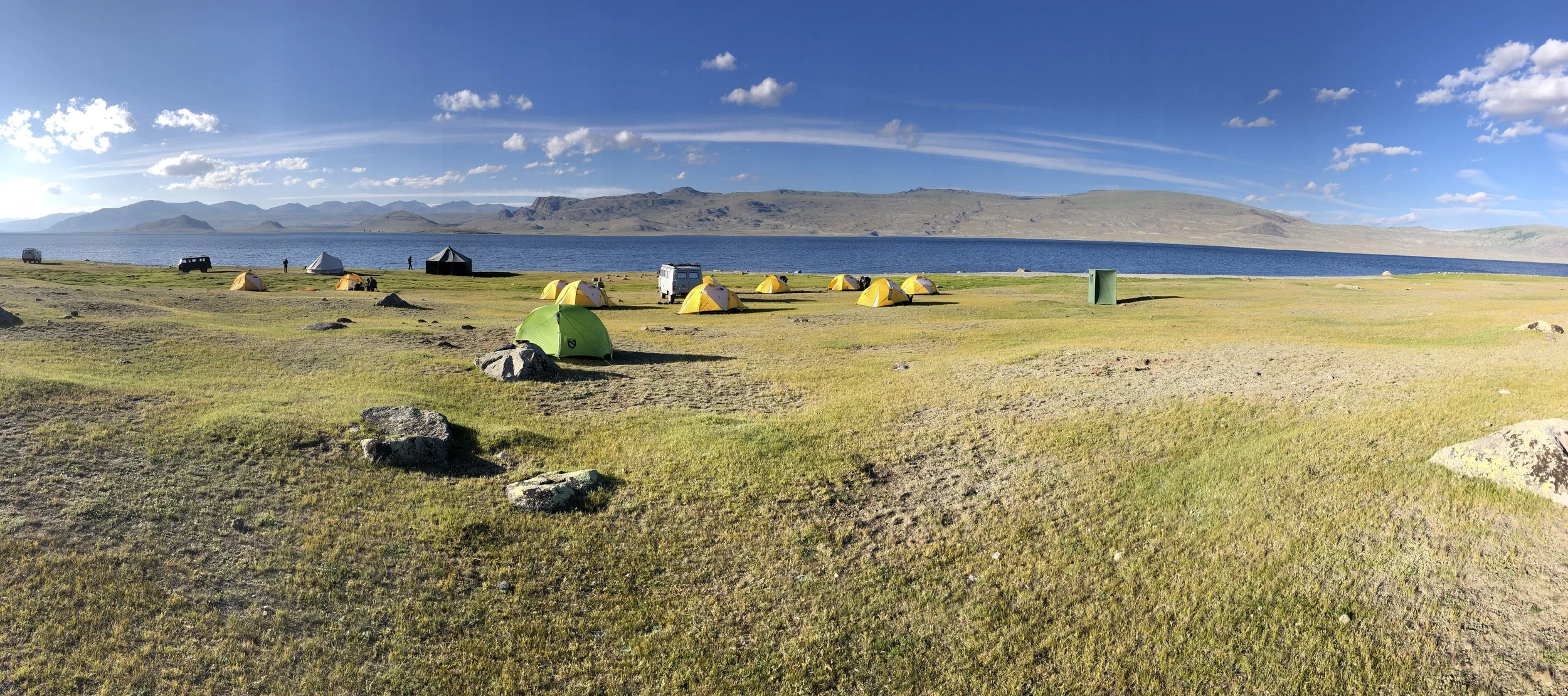
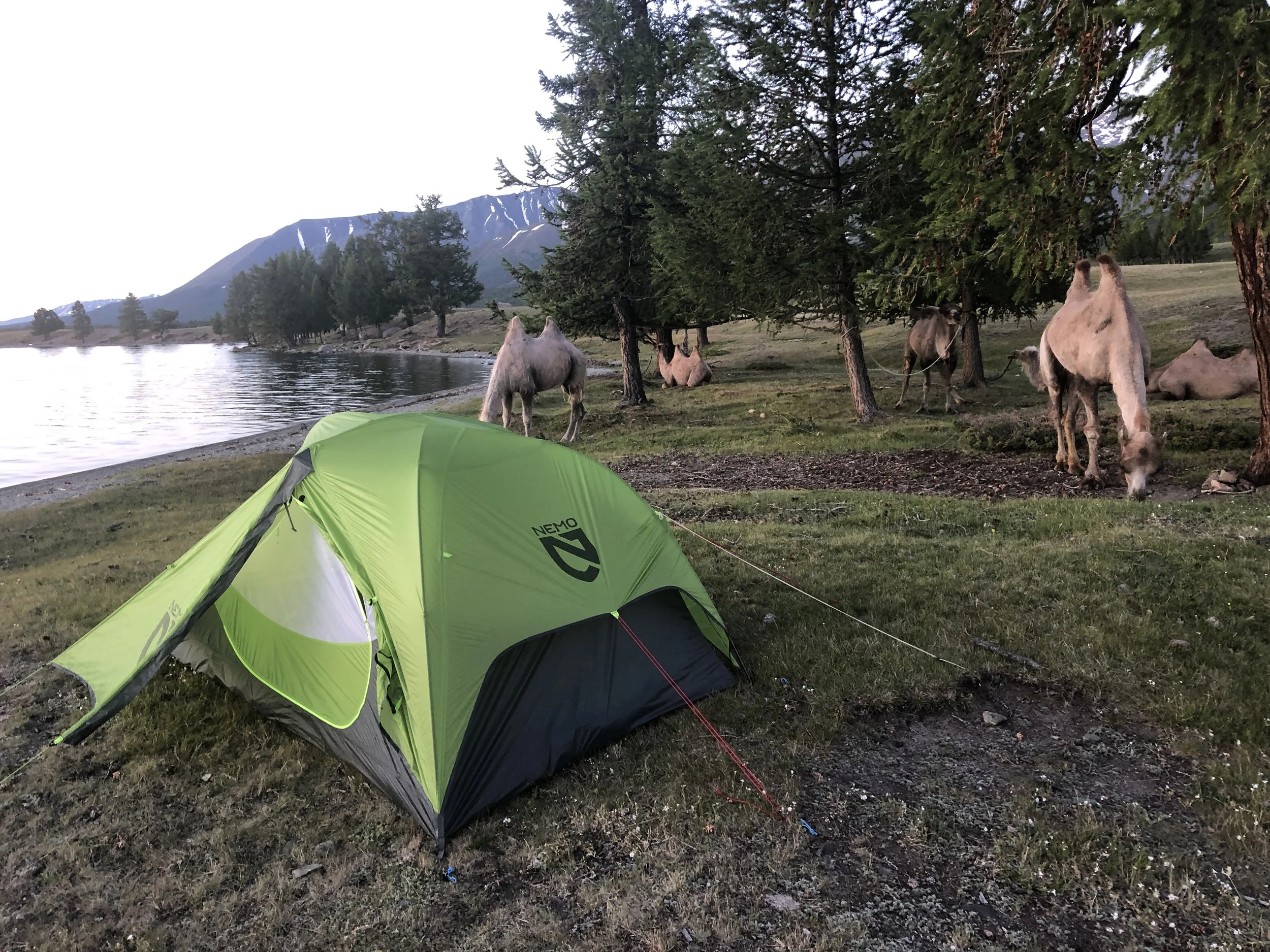
What is most remarkable about hiking through this wilderness is that camp can be set up anywhere. Most of the time we walk for 8 - 10 km on day one and find a grassy patch, free of twigs and rocks, near the lake’s edge.

When the sun sets on this first day of this 9-day hike it is not unusual to see a pack of horses or the silhouette of yaks in the distance...a great last view of the day on this already amazing journey.

View fullsize Tavan Bogd National Park Mongolia Walking 54.JPG
View fullsize Mongolia Hiking 2003.JPG
View fullsize Tavan Bogd National Park Mongolia Walking 38.JPG
View fullsize Tavan Bogd National Park Mongolia Walking 17.JPG
View fullsize Mongolia Hiking 2004.JPG
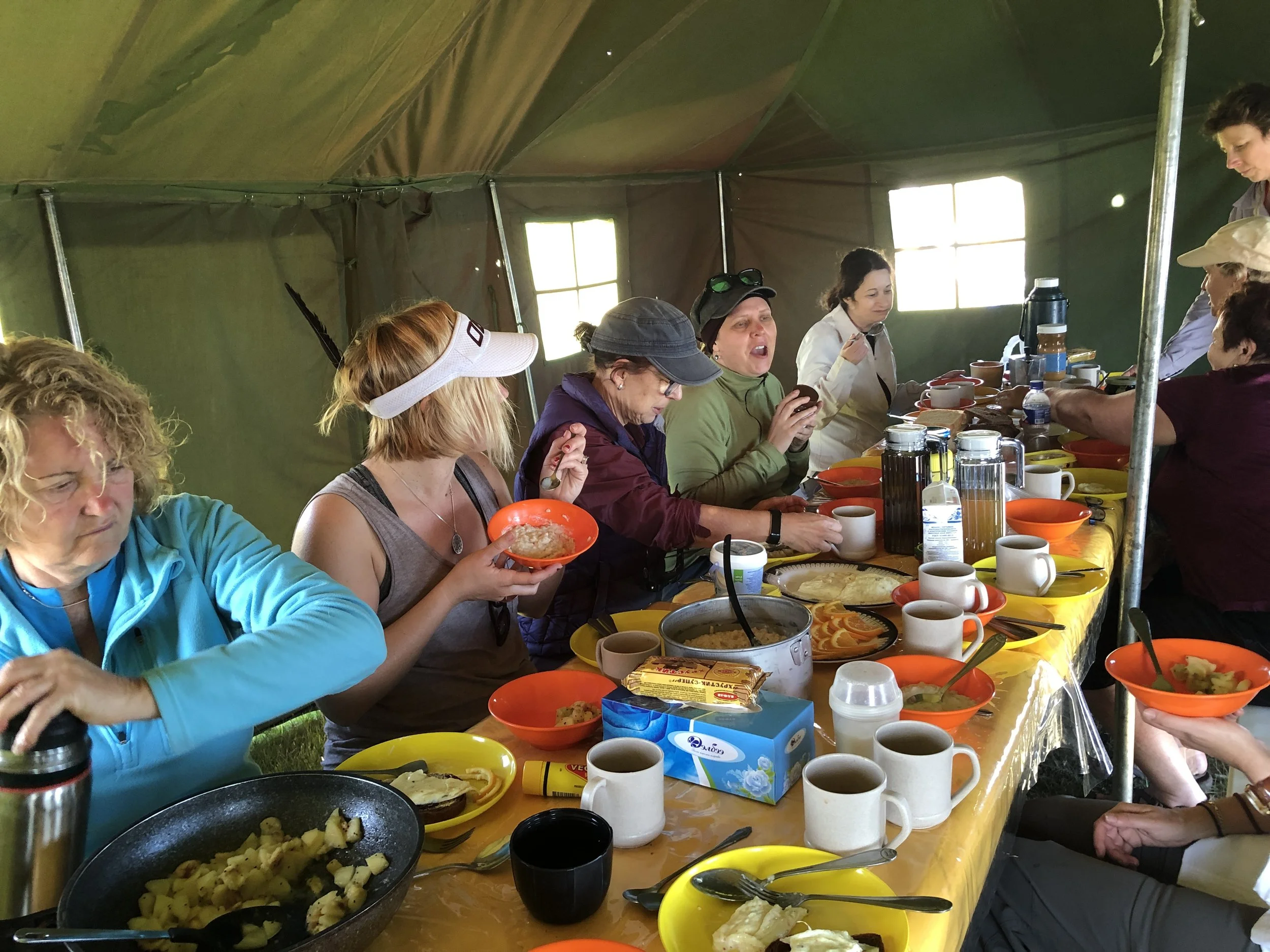
View fullsize Tavan Bogd National Park - breakfast day 2.JPG
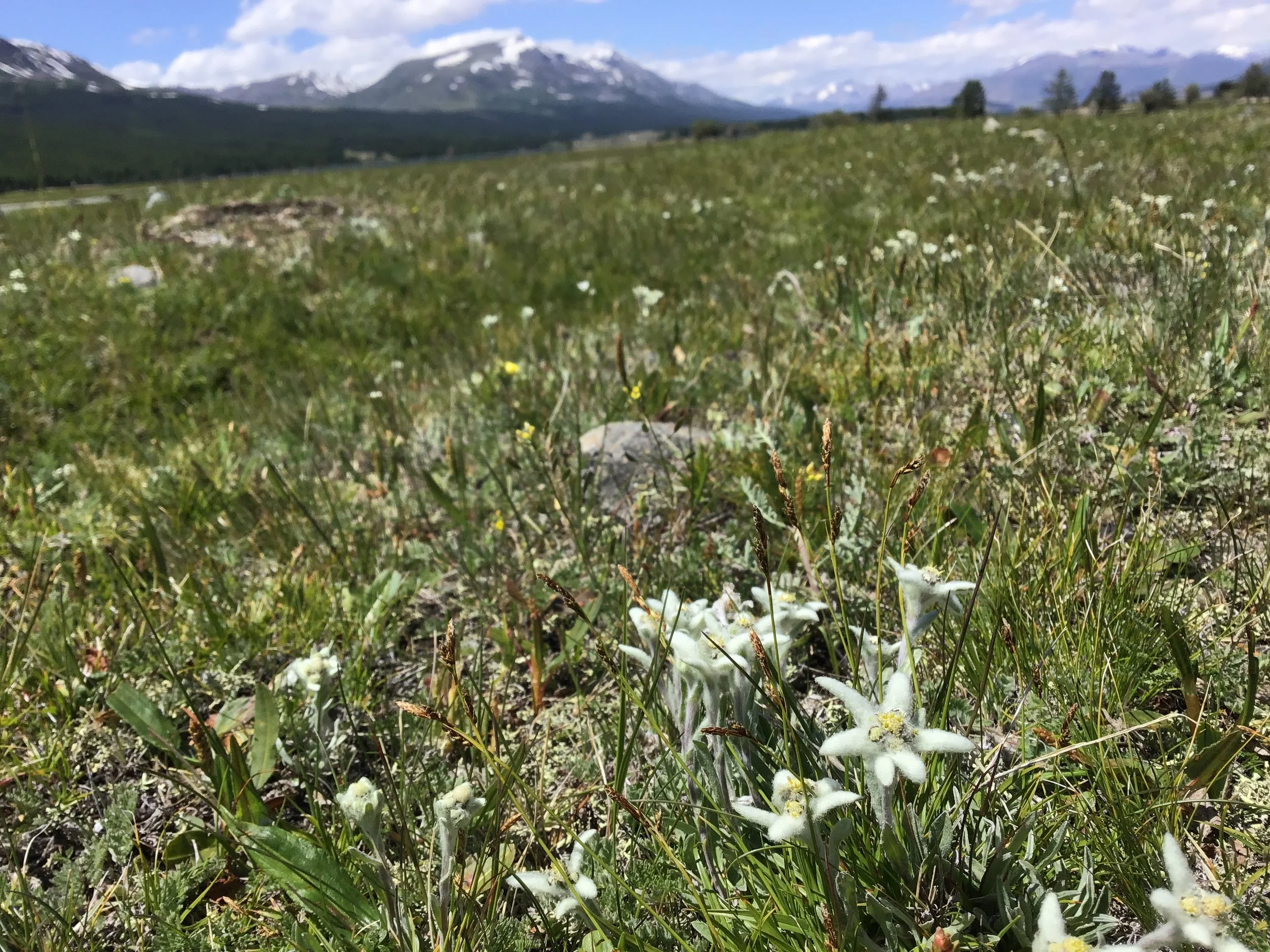
View fullsize Tavan Bogd National Park Edelweiss.JPG
View fullsize Tavan+Bogd+National+Park+Mongolia+Walking+6.jpg
View fullsize Tavan+Bogd+National+Park+Mongolia+14.jpg

DAY 2

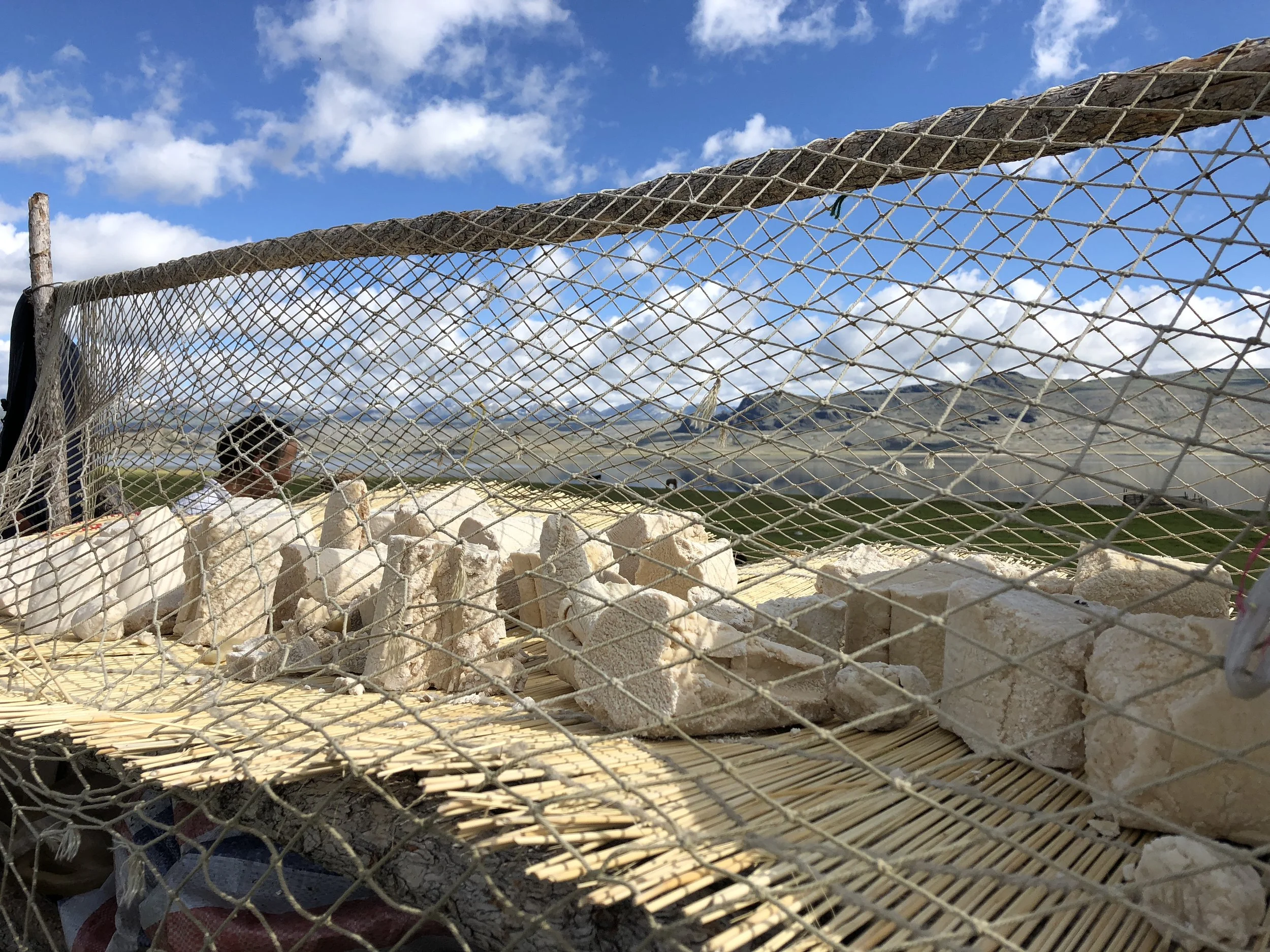
We set off early and continue walking along the edge of the lake, as close to the water as possible, regularly coming across herds of yaks, sheep or goats grazing. Occasionally, in the distance a couple of young children play in front of a 'ger' or yurt. Often local nomads are setting up or taking down their camps, or have cheese drying in the sun.

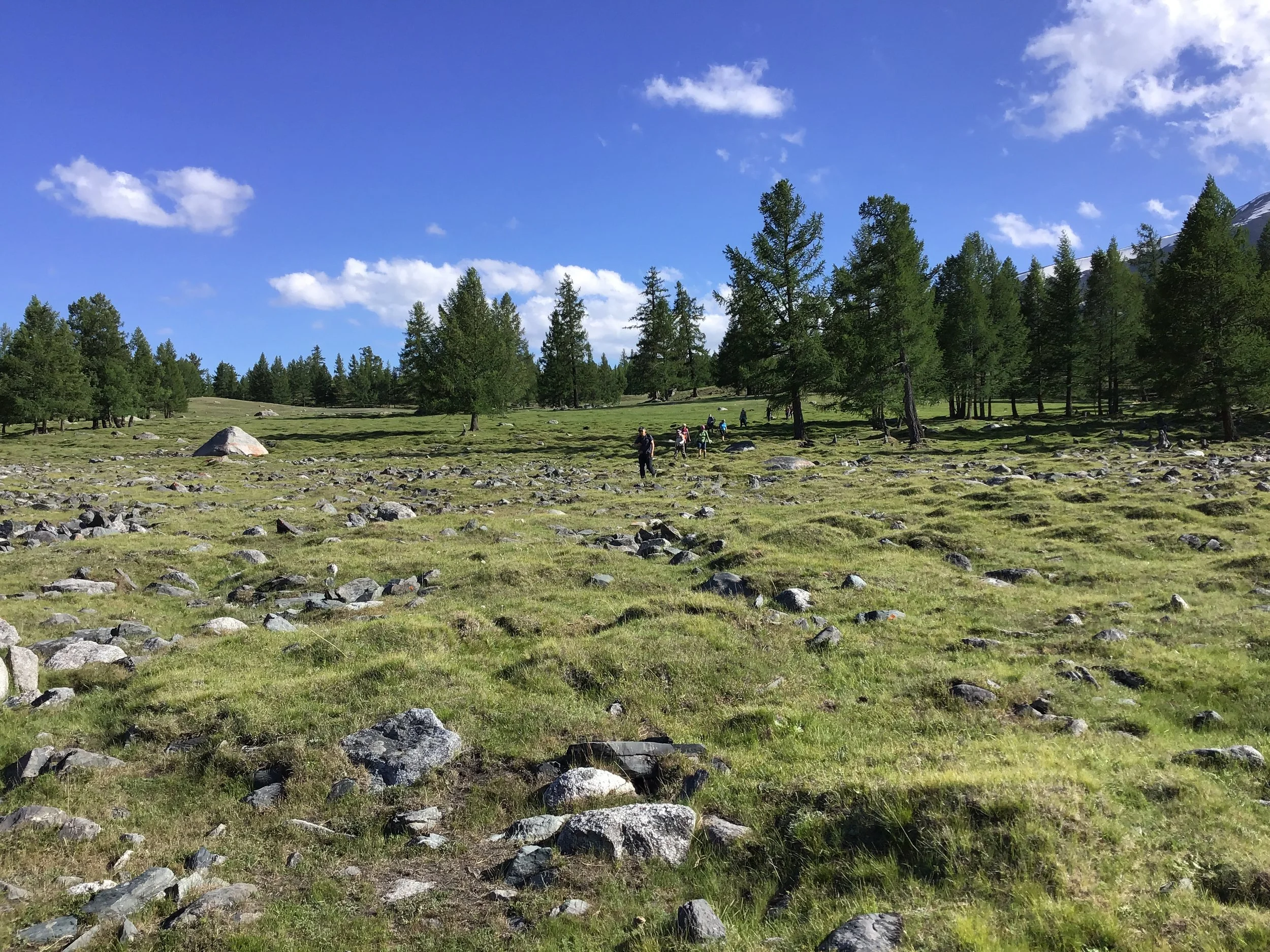
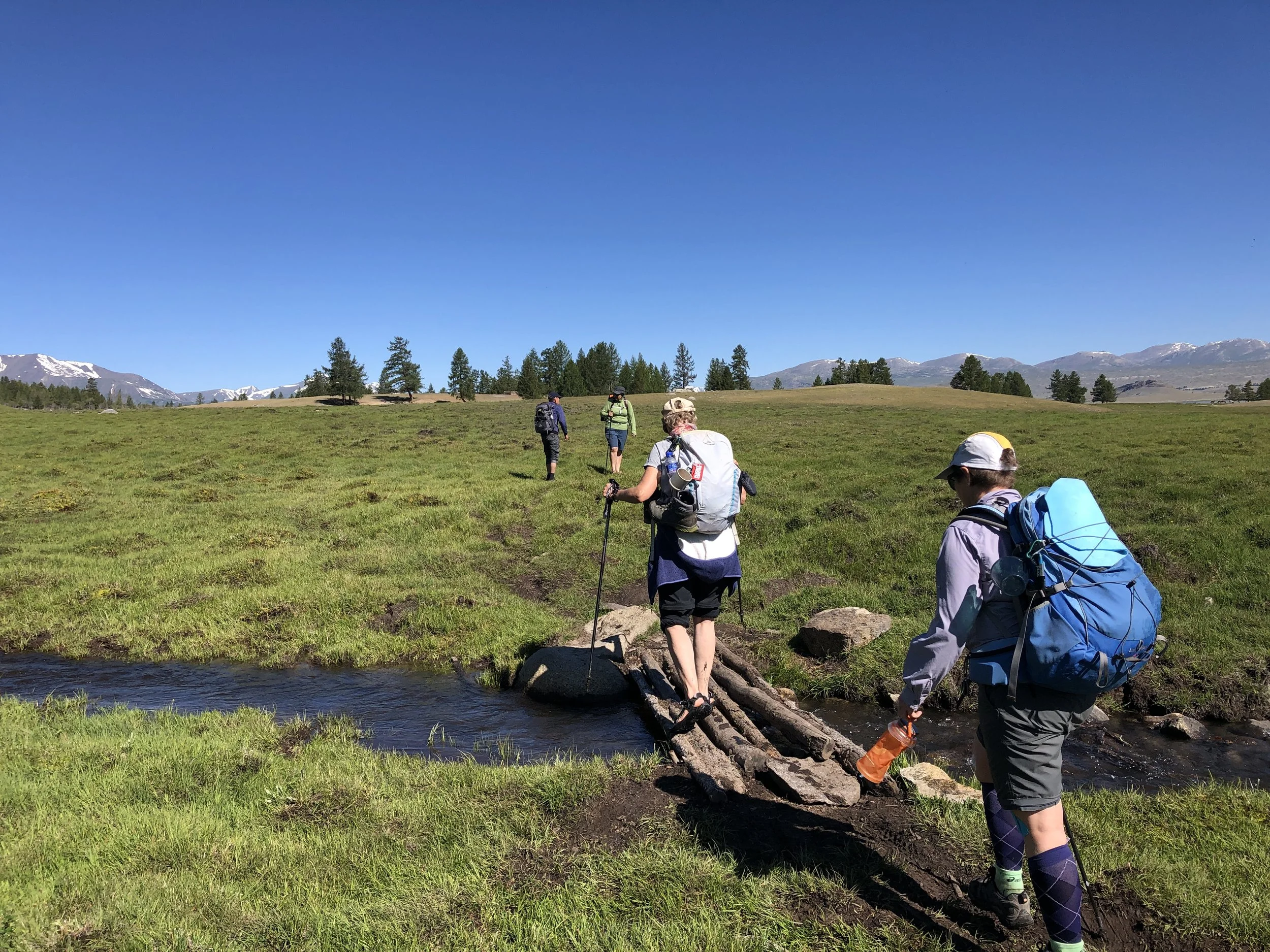
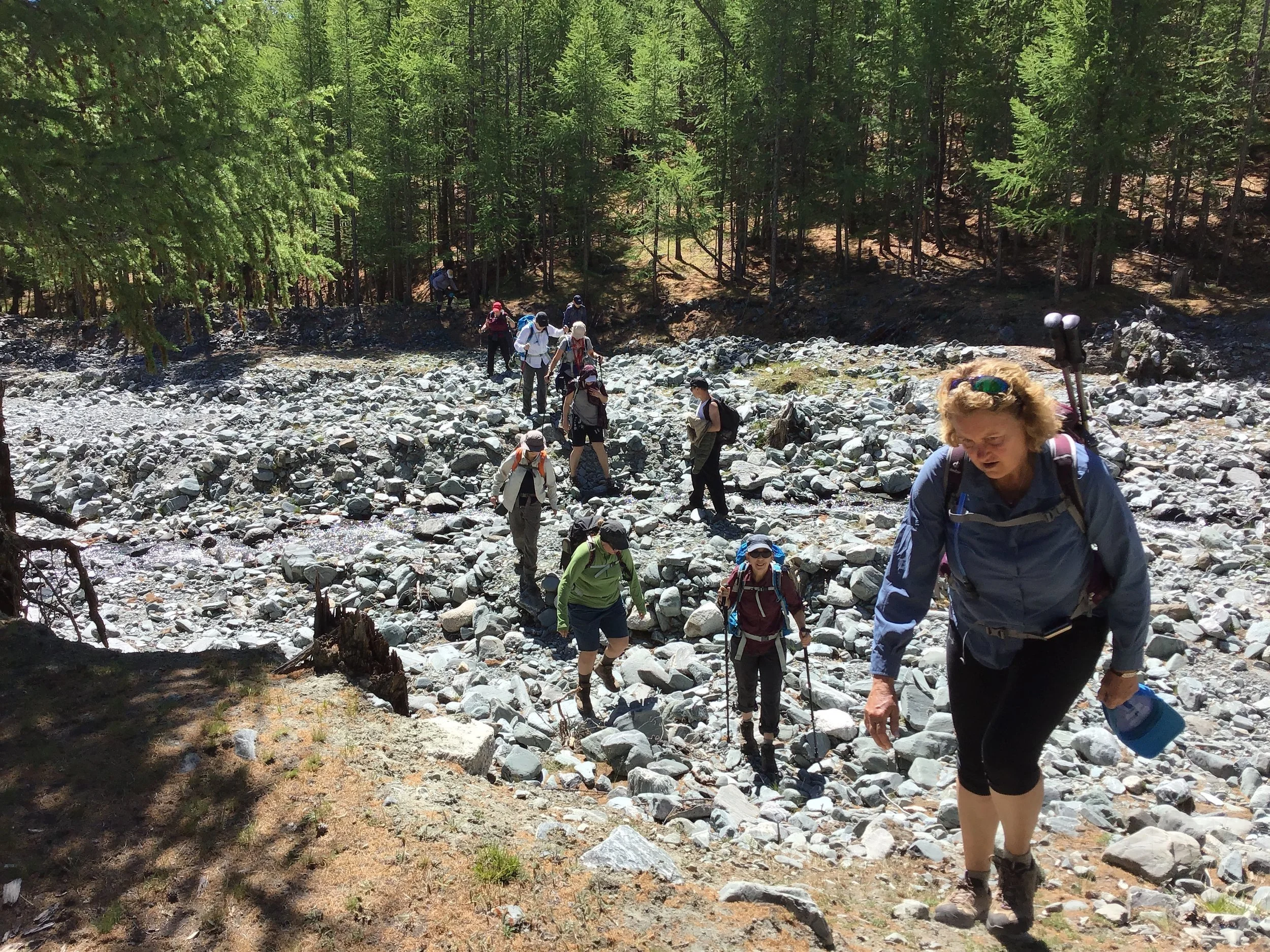
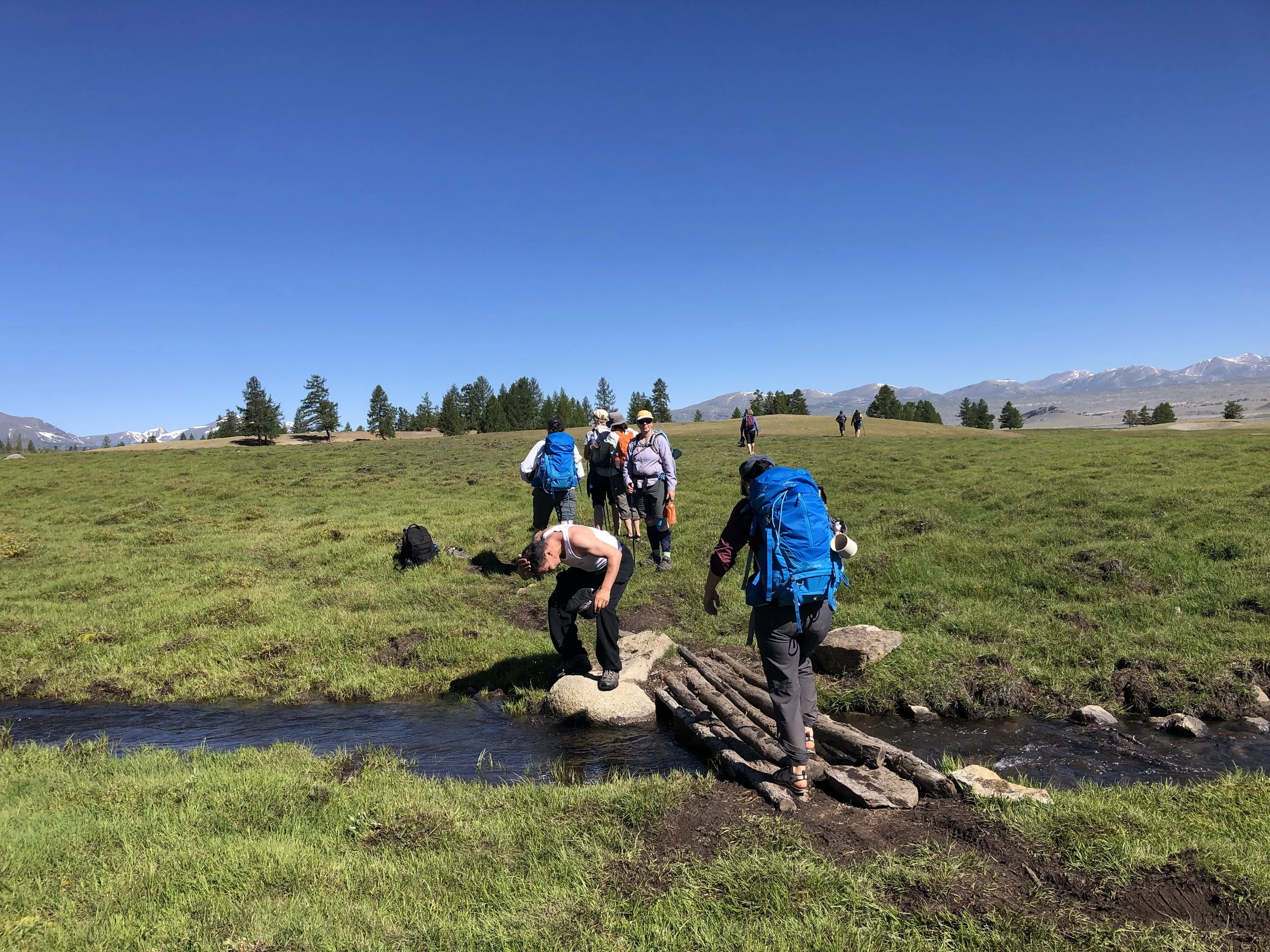
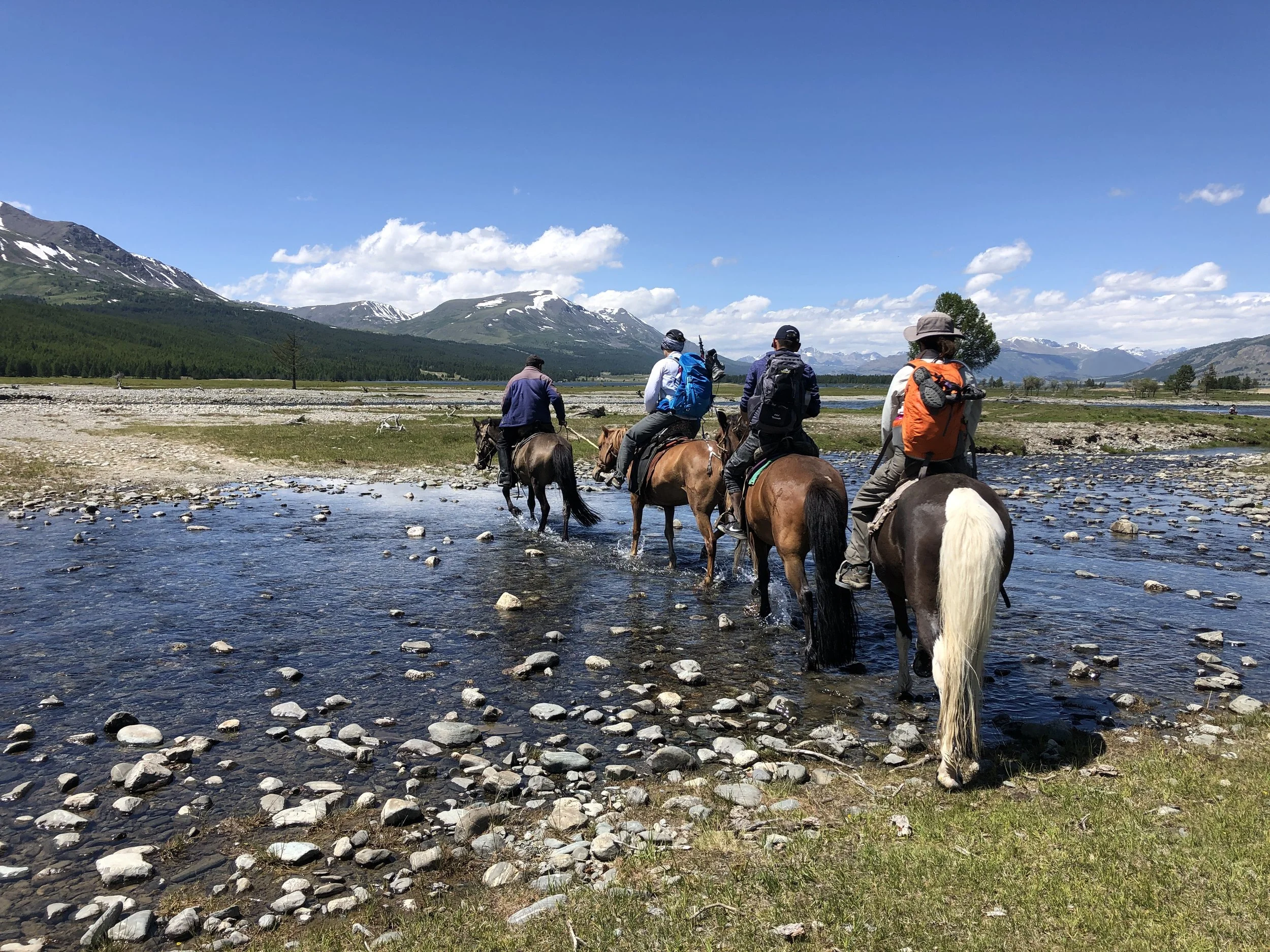
Walking on this side of the lake means walking through patches of fairly dense larch forest. We also walk through quite boggy terrain surrounding meandering creeks and brooks that empty into the lake. We have to cross many of these waterways by taking off our shoes and wading through calf high water.

View fullsize Tavan+Bogd+National+Park+Mongolia+Walking+41.jpg
View fullsize Tavan Bogd National Park Mongolia Walking 34.JPG
View fullsize Tavan Bogd National Park Mongolia eidelweiss 6.JPG
View fullsize Tavan Bogd National Park Mongolia 2.JPG
View fullsize IMG_1510.JPG
View fullsize Tavan Bogd National Park Mongolia Walking 50.JPG

There are times when to get across the delta-like network of streams emptying into one side of the lake, we have to take off our shoes and wade to sandy islands that deceivingly seem to offer a shallower place for crossing. Sometimes we just jump on the horses and let them carry us across.

In the mountains the weather can change very quickly and sometimes we have to hurry to get our wet weather gear out and scramble to take cover in between the branches of a small, bushy trees. 

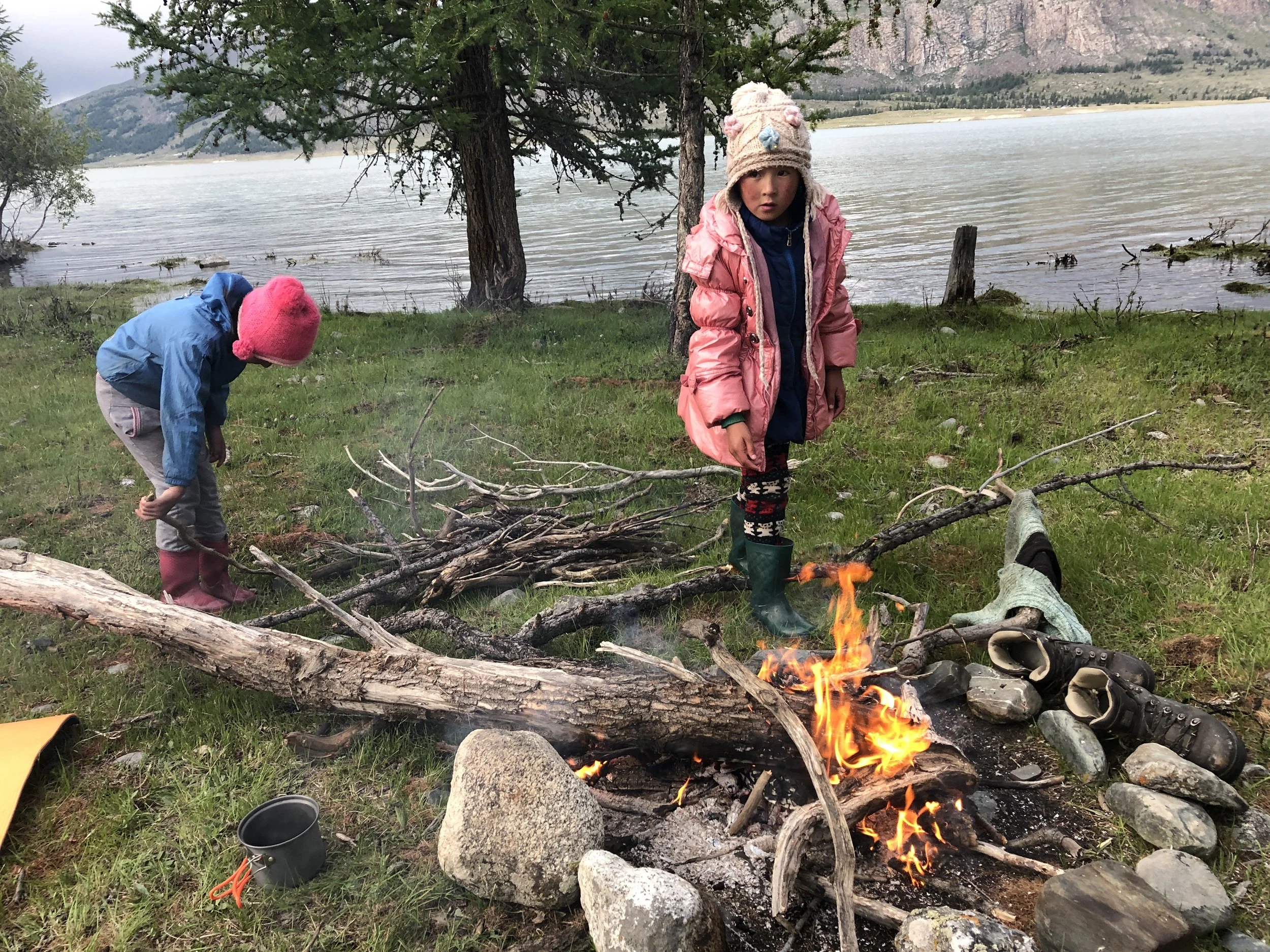
The second night is also beside the lake, much further north. We camp only 6 or 7 metres from the edge of the lake, the water laps the mossy pebbles all night while the moon and a warm fire makes it a very peaceful night. The fire is a great place to dry wet shoes - there is always plenty of firewood at this altitude.


DAY 3 

I often have the best night’s sleep while camping and wake before sunrise to a faint, early morning moon suspended pearl-like above the lake, usually followed by a sensational sunrise. 

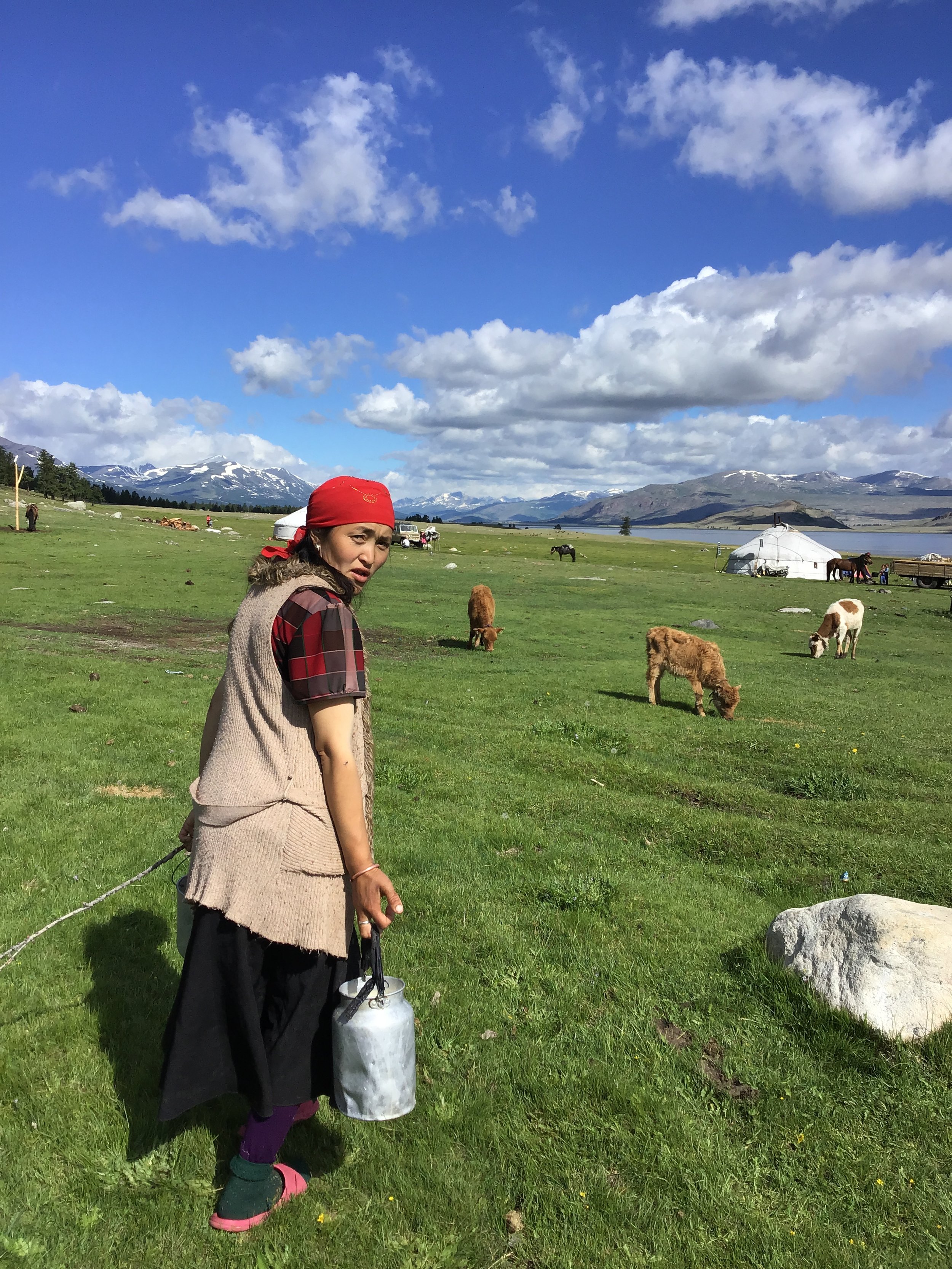
We often meet Kazakh women and children as we walk away from the campground - they are very hospitable and often invite us in for tea, bread and dried cheese.

View fullsize Tavan Bogd National Park Nomads.JPG
View fullsize Tavan Bogd National Park - nomad cheese making.JPG

The third day is a bit more rigorous with some hills offering a welcomed challenge. It is just the right combination of warm sun and cool breeze for it too.

At the northern end of the lake, where the river flows into it from the mountain glaciers, we cross another long wooden bridge that takes us almost directly to the second ranger's station. 

The ranger spots us from a distance and is already approaching on his motorbike by the time we reach the post.

Further north we leave the river on one side as we start to climb steadily up a large rocky outcrop fringed abundantly with juniper bushes and follow the clear path along the rocky ridge of a gorge.

View fullsize Tavan Bogd 2019 day 2 walkers 5.JPG
View fullsize Tavan Bogd NP .JPG
View fullsize Tavan Bogd National Park 2004.JPG
View fullsize Tavan Bogd National Park Mongolia 1.JPG

With the added elevation come impressive views of the lake on one side and snow-peaked mountain tops in the distance on the other. It does not matter where we look, the views are magnificent.

We leave the wide open space of the valley to go into a gorge where the valley deepens and starts to ascend into the mountains.

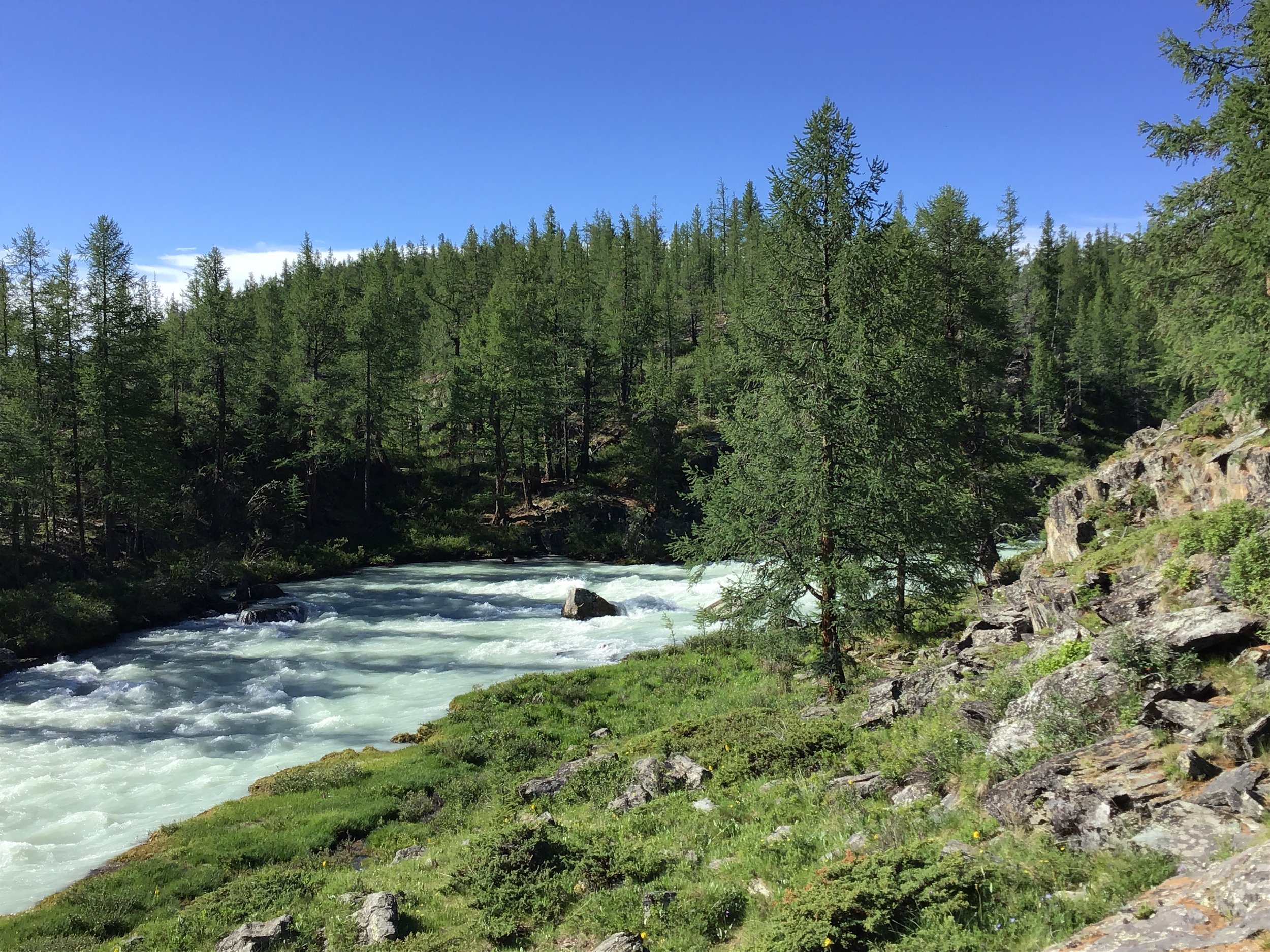
We camp beside the fast-moving river, loud and powerful, at a spot that has been used as a campsite before; firewood has been left stacked on one side for us to find. 

So many streams as we climb higher into the mountains

At the northern end of the lake, where the river flows into it from the mountain glaciers, we cross another long wooden bridge that takes us almost directly to the second ranger's station. 

Further north we leave the river on one side as we start to climb steadily up a large rocky outcrop fringed abundantly with juniper bushes and follow the clear path along the rocky ridge of a gorge.

With the added elevation come impressive views of the lake on one side and snow-peaked mountain tops in the distance on the other. It does not matter where we look, the views are magnificent.

We leave the wide open space of the valley to go into a gorge where the valley deepens and starts to ascend into the mountains.

View fullsize Tavan Bogd 2019 day 4 28.JPG
View fullsize Tavan Bogd 2019 day 4  66.JPG
View fullsize Tavan Bogd 2019 day 4 16.JPG
View fullsize Mongolia  - the Altai mountains.JPG

We camp beside the fast-moving river, loud and powerful, at a spot that has been used as a campsite before; firewood has been left stacked on one side for us to find. 


DAY 4

Although the river is loud and the ground hard, neither deters us from sleeping well. It is one of the most magical spots on the hike, with the river foaming white as it races round the rocky bends, speeding past us roaring. 

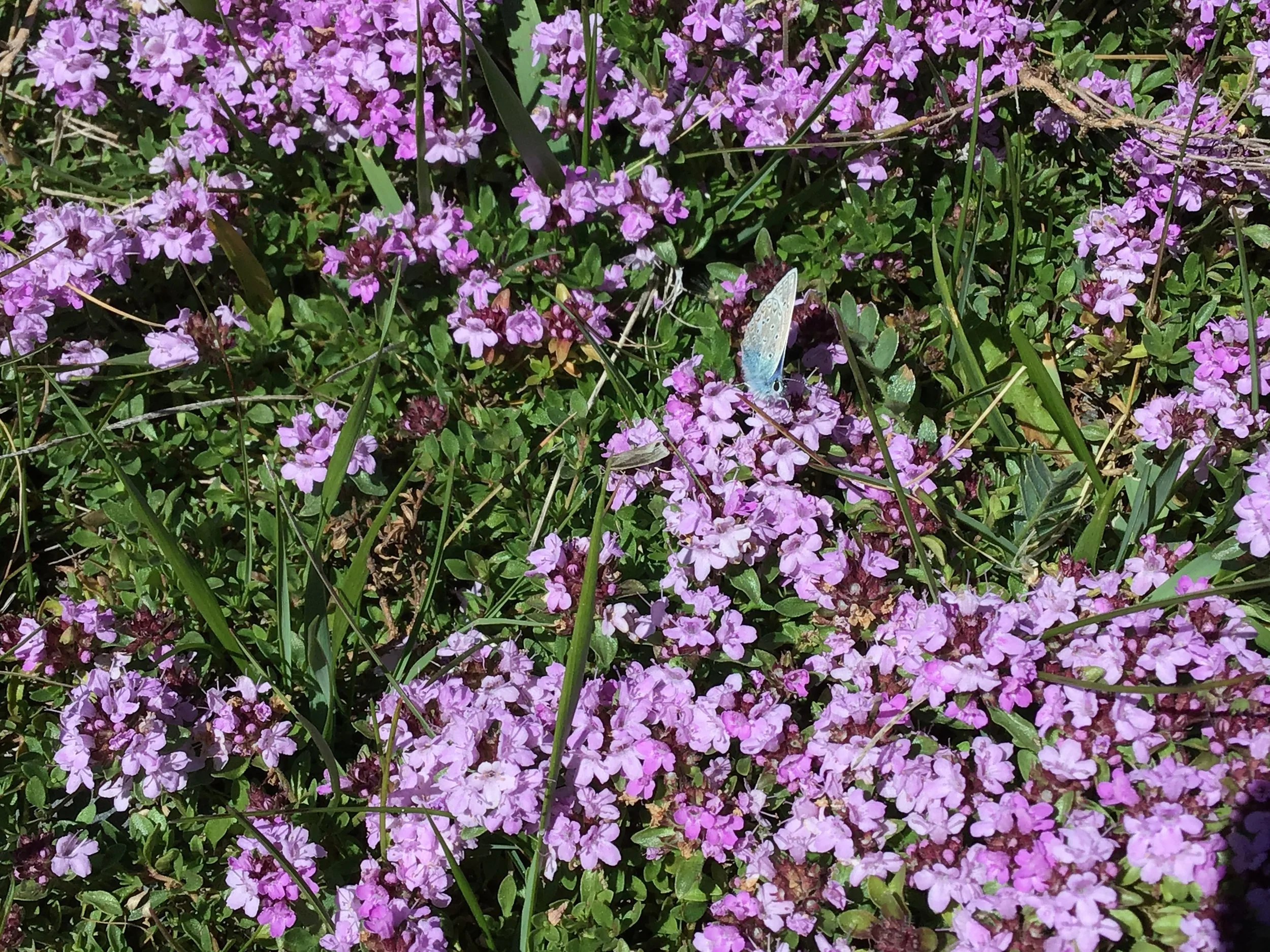
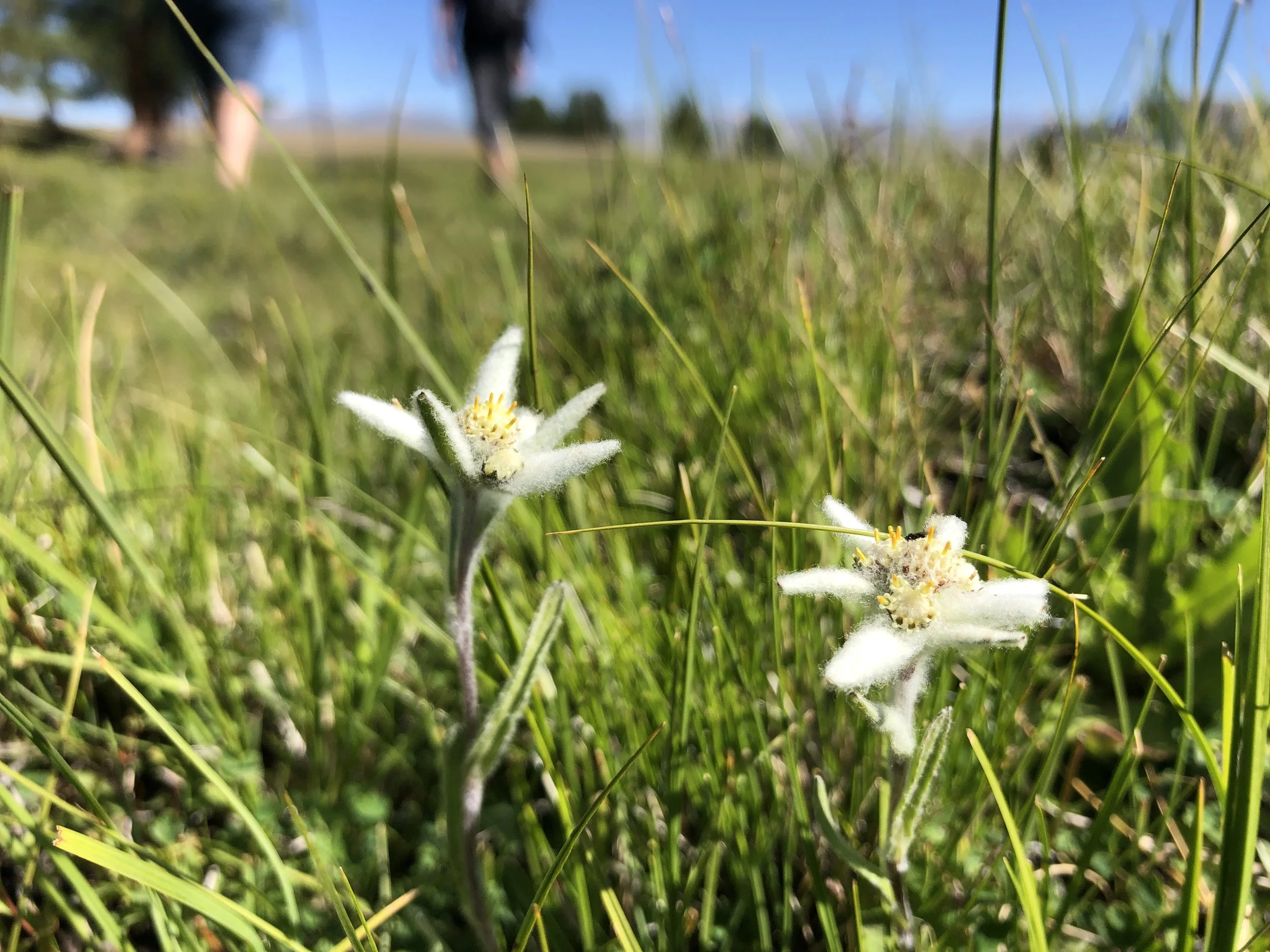
And yet, from the moment we set off, walking is more than wonderful that whole fourth day. Most people start to get into a groove, become comfortable with the weight of their packs, and start to fully notice, enjoy and appreciate the flowers and insects, the different succulents sprouting out of rock crannies, the sounds of kites, hawks and eagles, the scurrying land squirrels…

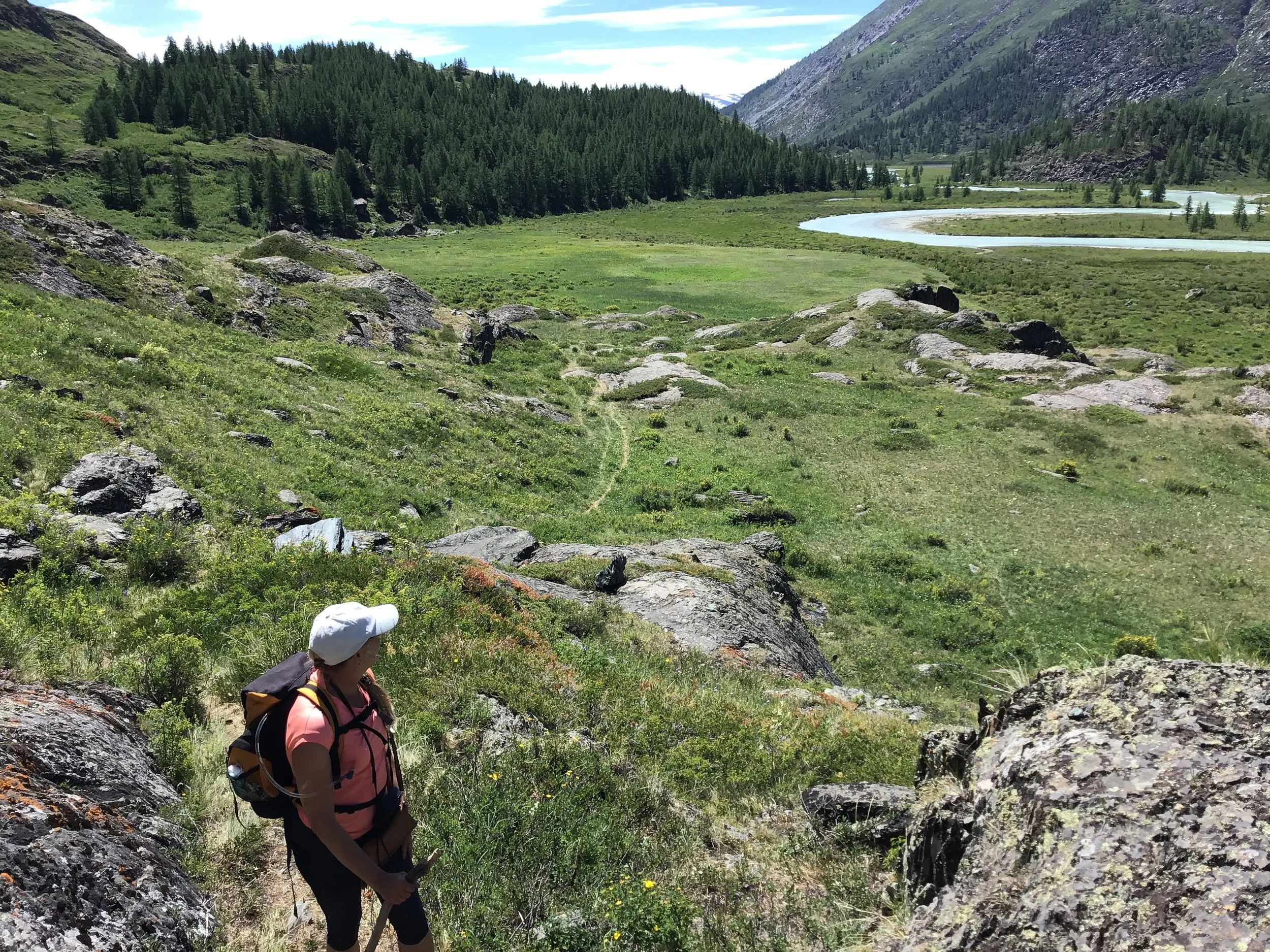
We continue to gradually climb. The terrain, a combination of arid gravelly paths over rocky outcrops, clear dirt tracks through patches of forest and bog like wetlands on the lower sections of the valley… fast moving streams cascade down the side of the hills around us and long and narrow waterfalls can be seen in the distant mountain sides.

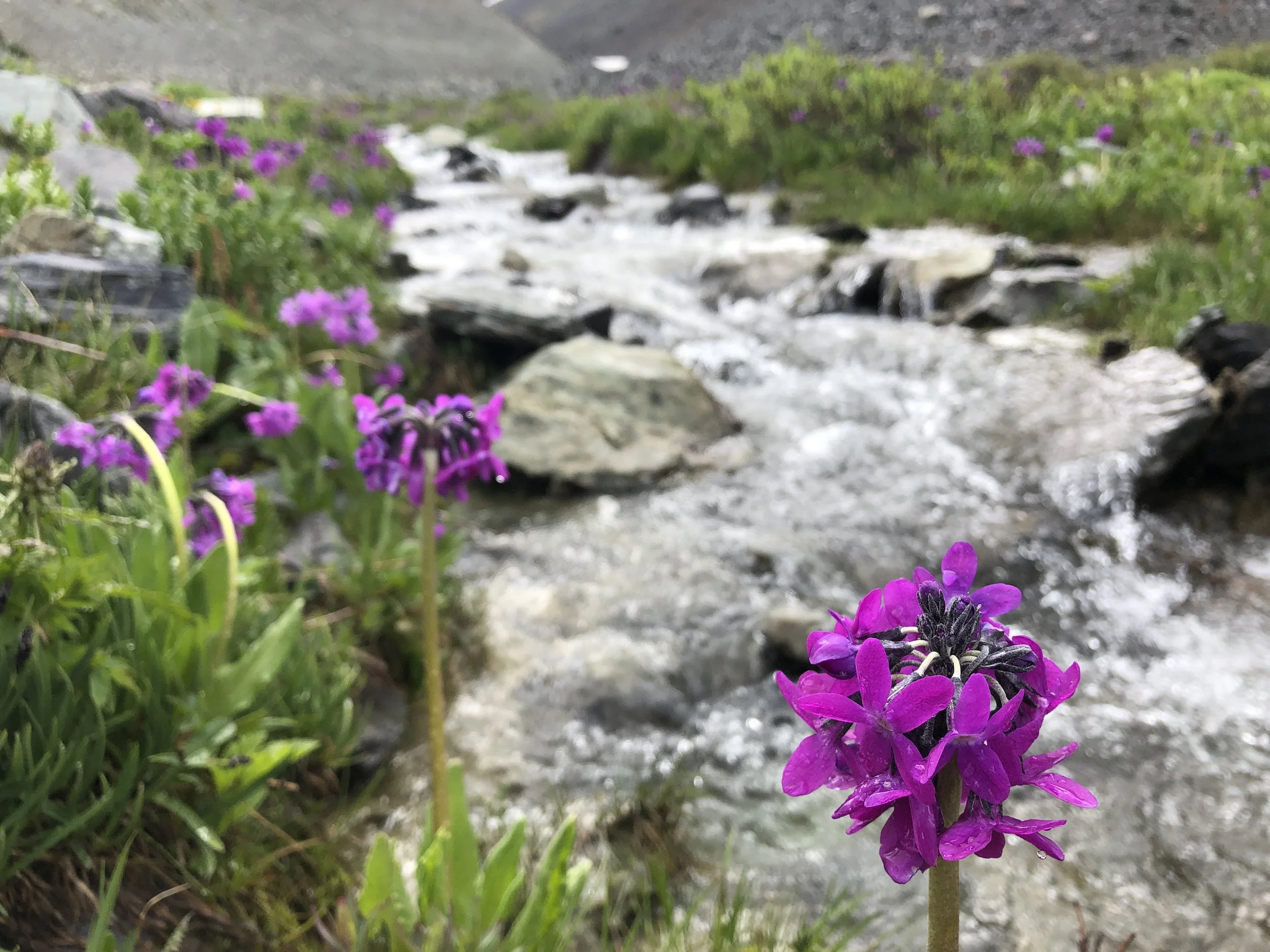
We walk past a small lake surrounded by wildflowers and it feels like we are truly in the mountains. Walking over the wetlands keeps us alert, leaping over deceivingly shallow puddles to avoid drenching boots. Climbing becomes tougher and steeper, breathing quickens as we ascend above the valley and zig zag up the side of the mountain.  

View fullsize Mongolia wildflowers 3.JPG
View fullsize Mongolia Wildflowers 2.JPG
View fullsize Tavan Bogd 2019 day 4 wildlfowers 2.JPG
View fullsize Mongolia wildflowers 207.JPG
View fullsize Mongolia wildflowers 211.JPG
View fullsize Mongolia wildflowers 207.JPG
View fullsize Mongolia wildflowers 210.JPG
View fullsize Mongolia wildflowers 209.JPG
View fullsize Mongolia wildflowers 2012.JPG

We are starting to climb towards 2,600 metres here and this is when we start to sweat and puff and feel the weight or our packs. We also cross the second widest stream. It is not so shallow, about 30 metres wide and its glacier water is bitingly, painfully cold. We have crossed on foot before but if possible we always choose to cross on horseback. 

Once we get across the stream, we climb a few more hundred meters and camp once again, on the softest, warmest grass next to a narrow brook.

DAY 5

What a sublime view to wake up to and how tranquil is the sound of the brook whispering beside the camping spot. Squirrels and marmots are all around and we once even saw a Mongolian mountain goat - Capra sibirica - but they are too fast to photograph.

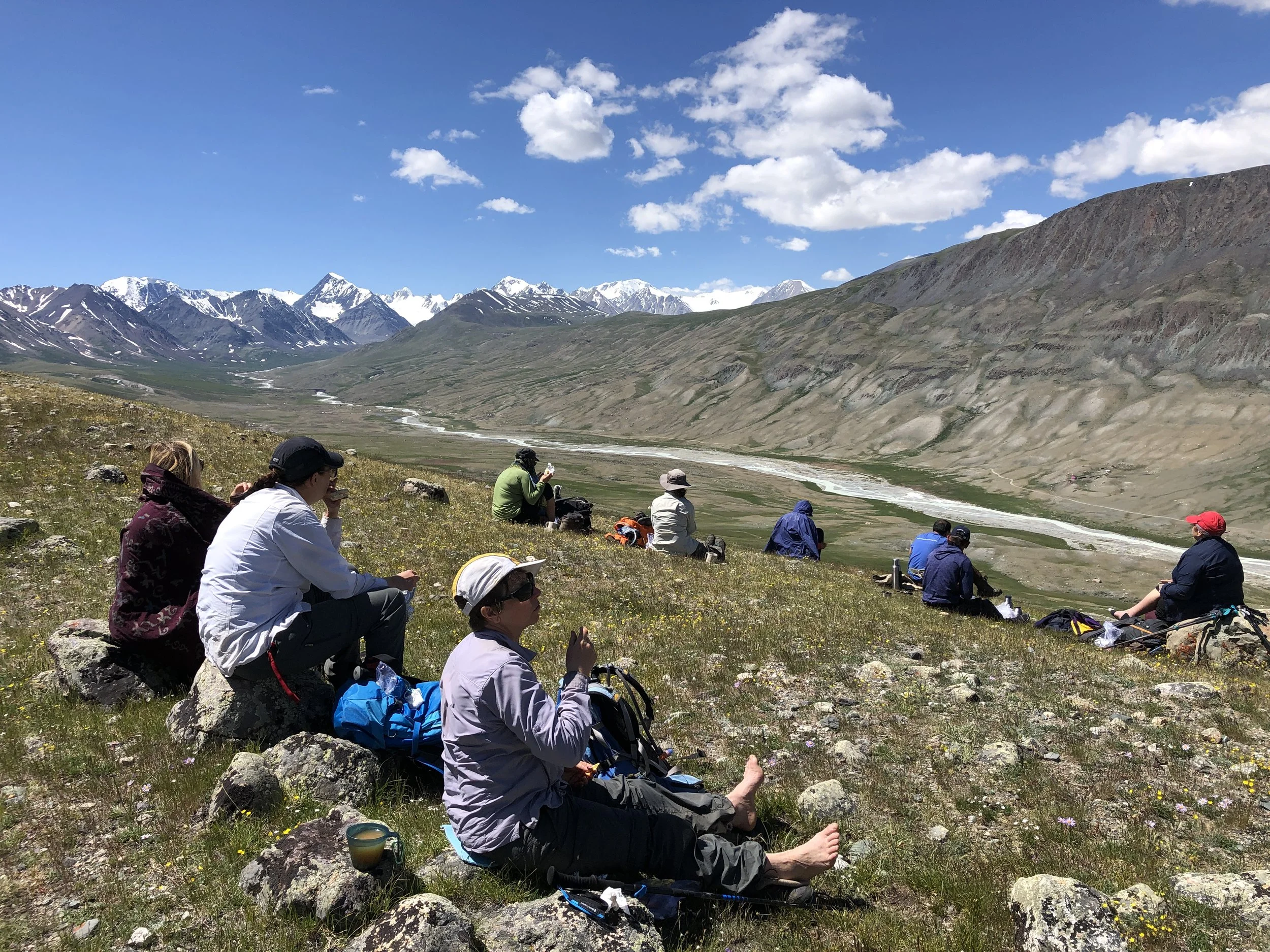
Day five is the toughest climb and altitude makes breathing short and fast, but the views keep getting more and more magnificent as we reach the 3,400-metre pass. The ground up here is covered with chunks of black and grey slate and the sharp chilly wind is offset by the bright, warm sun, and being surrounded by a 360 degree views of the top of several peaks and smaller glaciers.

View fullsize Mongolia Tavan Bogd National Park Edgewalkers 2019 5 1.JPG
View fullsize IMG_7103.JPG
View fullsize IMG_3766.JPG
View fullsize Mongolia 2019 Day 5 1.JPG
View fullsize Mongolia hiking 208.JPG
View fullsize Mongolia hiking 908.JPG

Mountain shrine at mountain pass 3,300 metres

All around are mountain edges, shrines, the river flowing in the distance, glaciers, changing terrain & wildflowers. This is a breathtaking and very dramatic section of walking; a sensory overload from every direction.

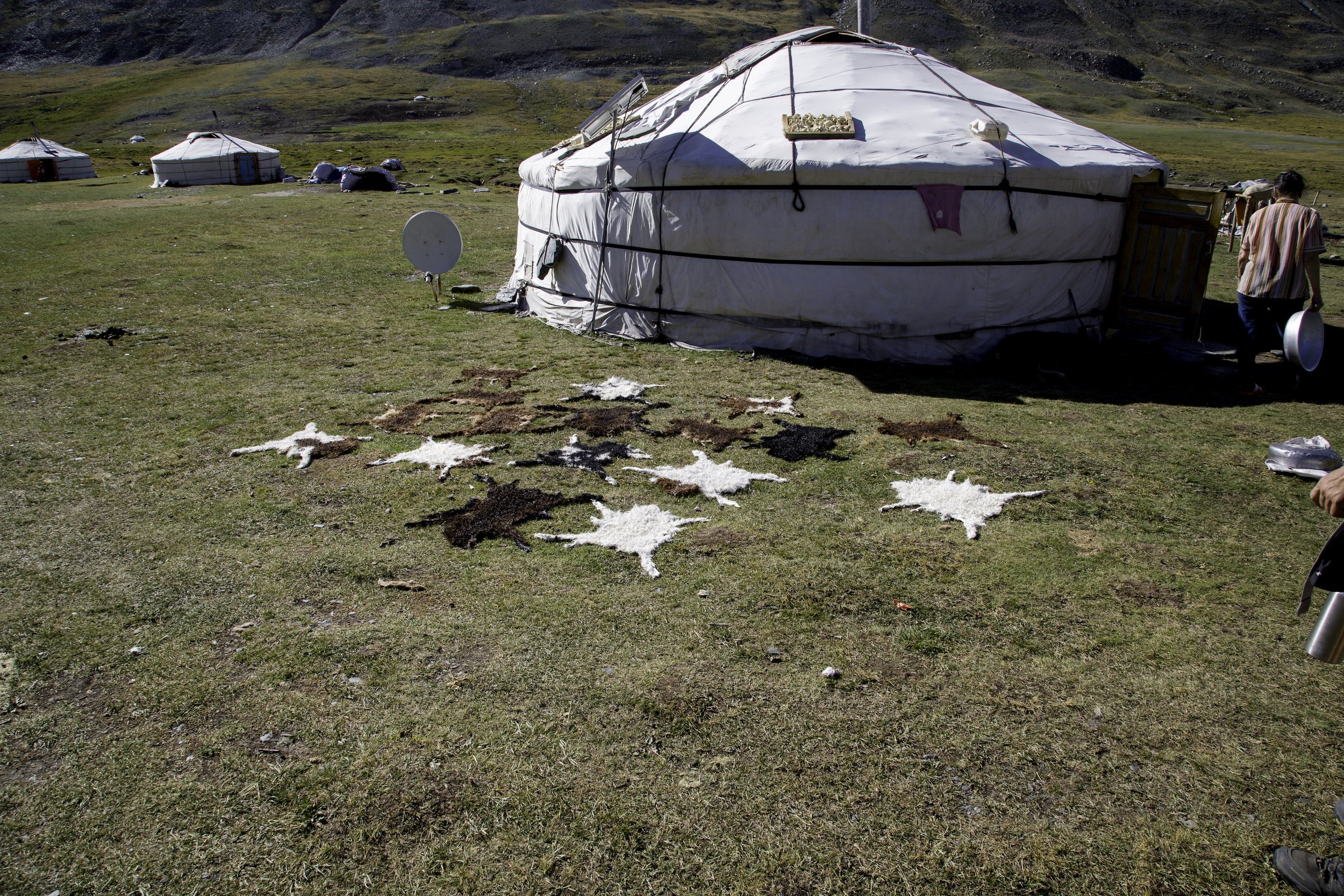
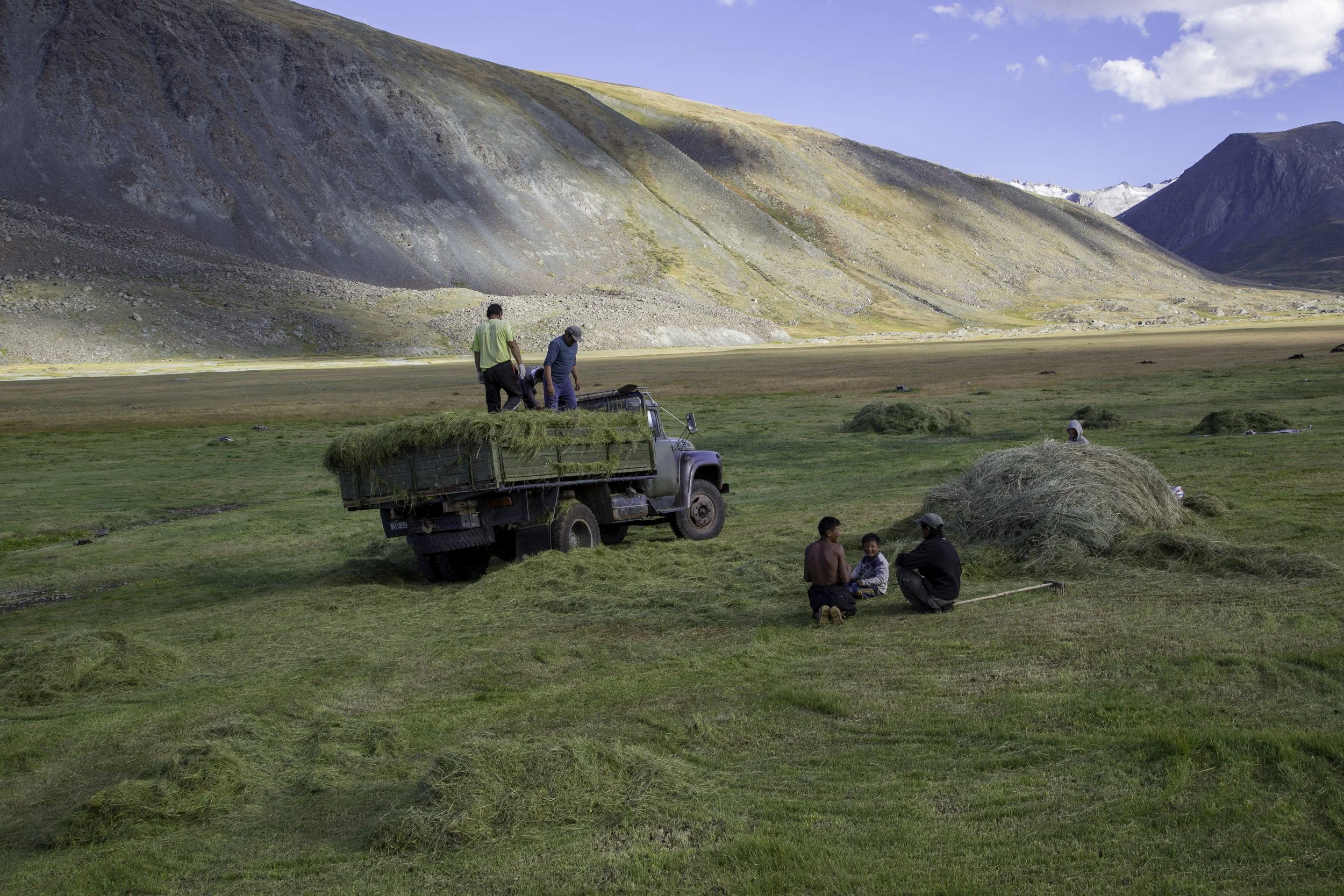
As we descend to the valley, we can sometimes see the activities of nomadic Tuvan herders. We can see nomads fixing a truck, or checking on the drying goat skins spread like offerings outside a ger. Or a team of men and women finishing a day of grass cutting (using scythes) and packing it tight into the back of a truck.

View fullsize Tavan Bogd National Park - Khaar Valley pelts copy.jpg
View fullsize Tavan Bogd National Park - Mongolia grass cutters.jpg

DAY 6

Today we walk under the bold and vivid blue of the sky, over the summer green & yellow hues of the grassy slopes and with the murmur of the distant river in our ears. Occasionally, a rabbit, a marmot or a land squirrel scampers in front of us, looking for their underground shelter; wildflowers abound.

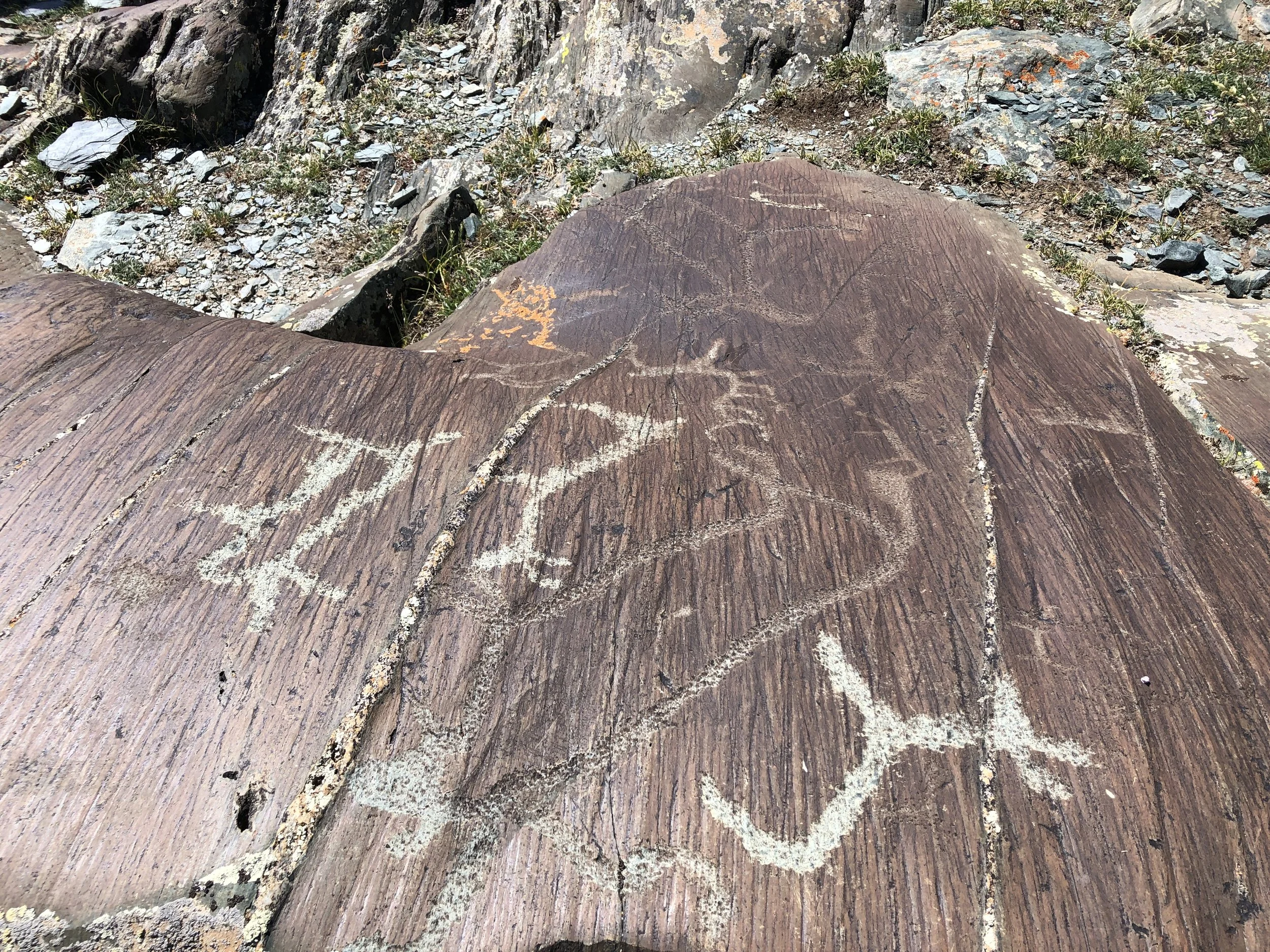
Before turning north towards the next pass and our final destination,  we go off the path to a rocky outcrop where ancient petroglyphs are found. These rock carvings are evidence that these mountains were inhabited at least 10,000 ago. 
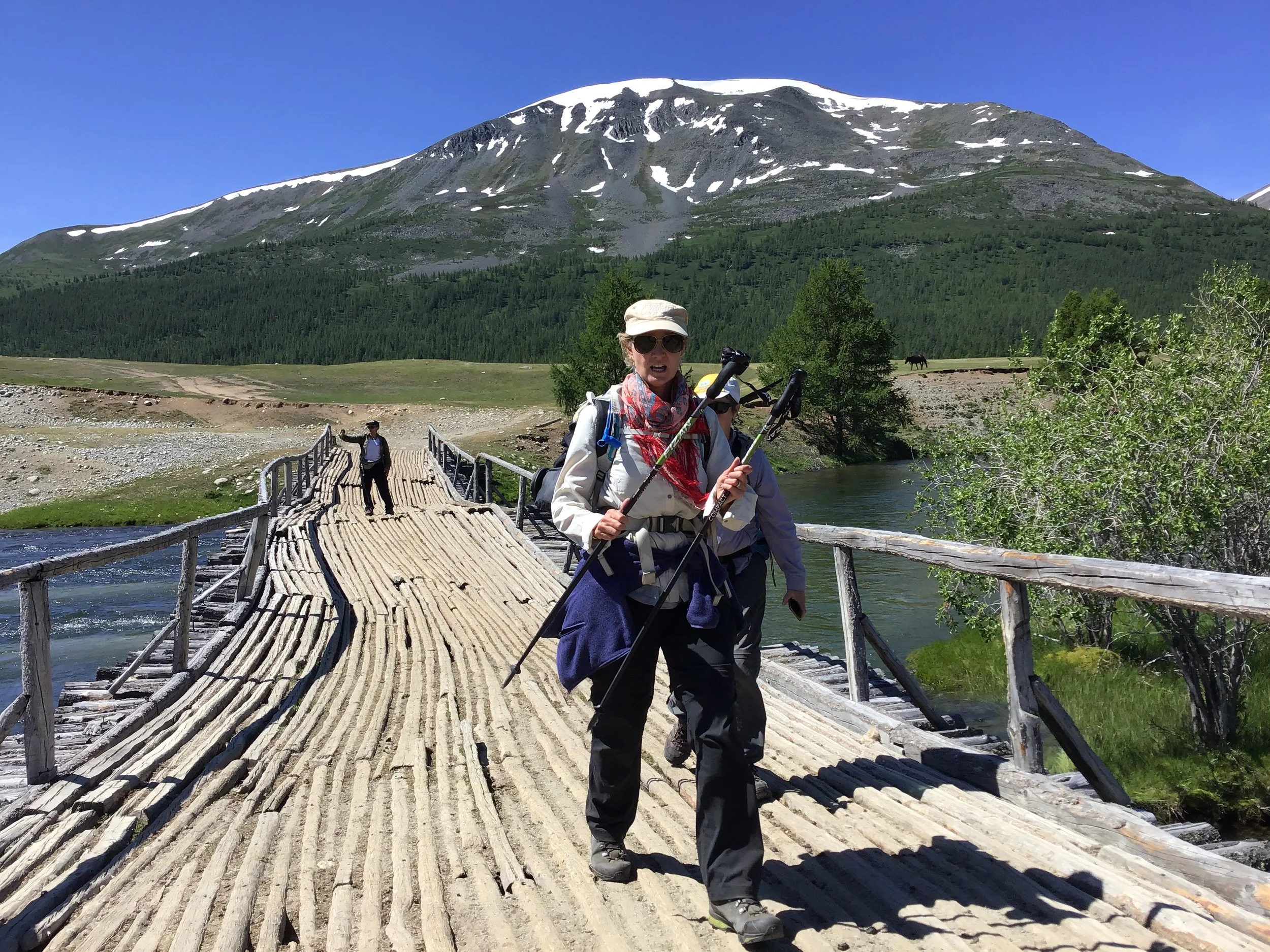
Once over the pass, the descent to the Tsagaan Gol River is steady; the slope growing steeper as we approach the raucous rushing water. 
View fullsize Mongolia Tavan Bogd National Park 6 1.JPG
View fullsize Petroglyphs Tavan Bogd National Park 3.JPG
View fullsize Mongolia day 6 2.JPG
View fullsize IMG_4291.JPG

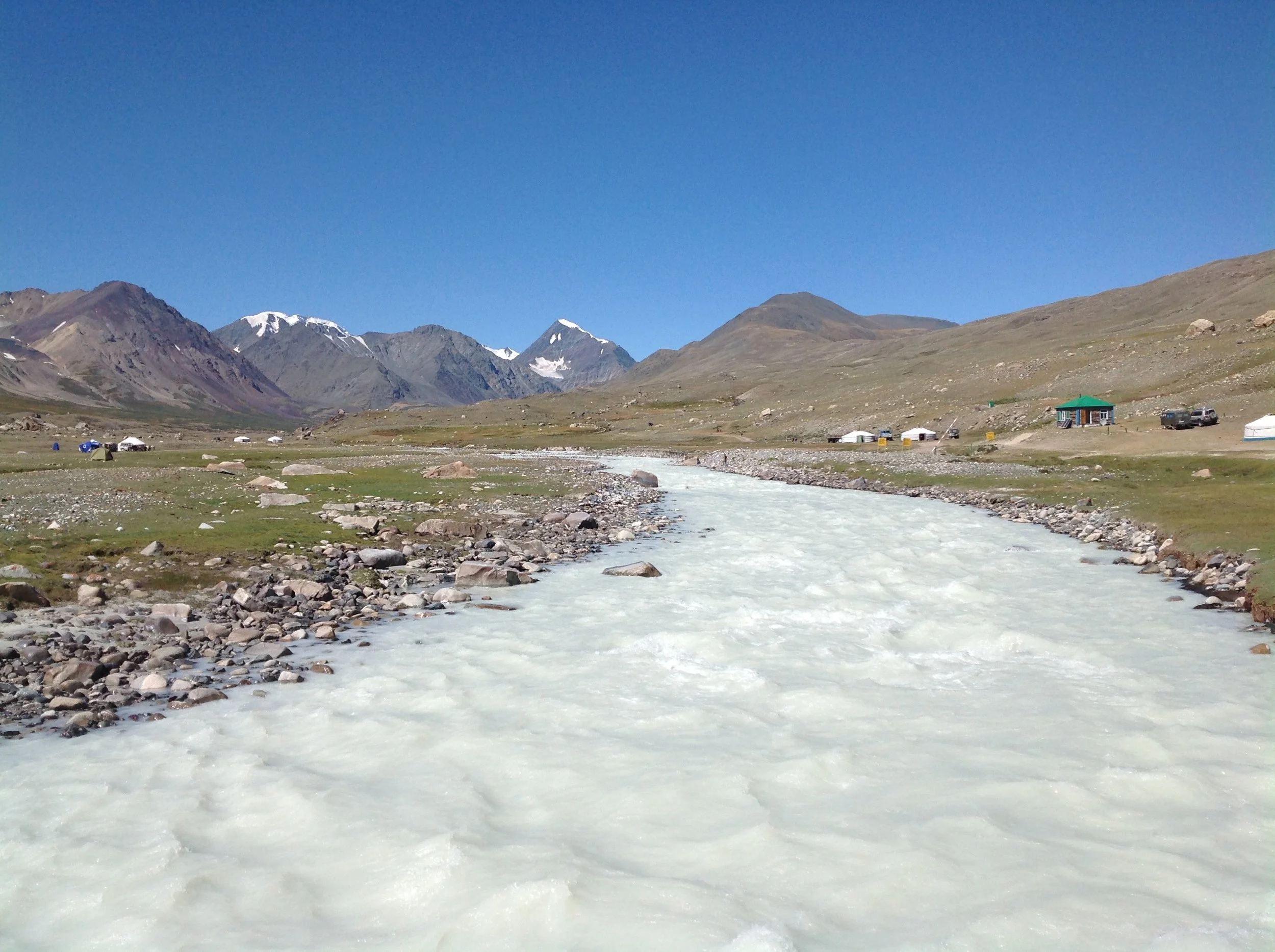
The Tsagaan Gol River, also known as White River, is milky white from the sediment and silt it carries from the glacier. This part of the National Park is also one of the most popular entries. Many people arrive directly here by 4WD and day-hike up to the base camp then return to camp near the river. Another ranger meets us here and checks our permits.

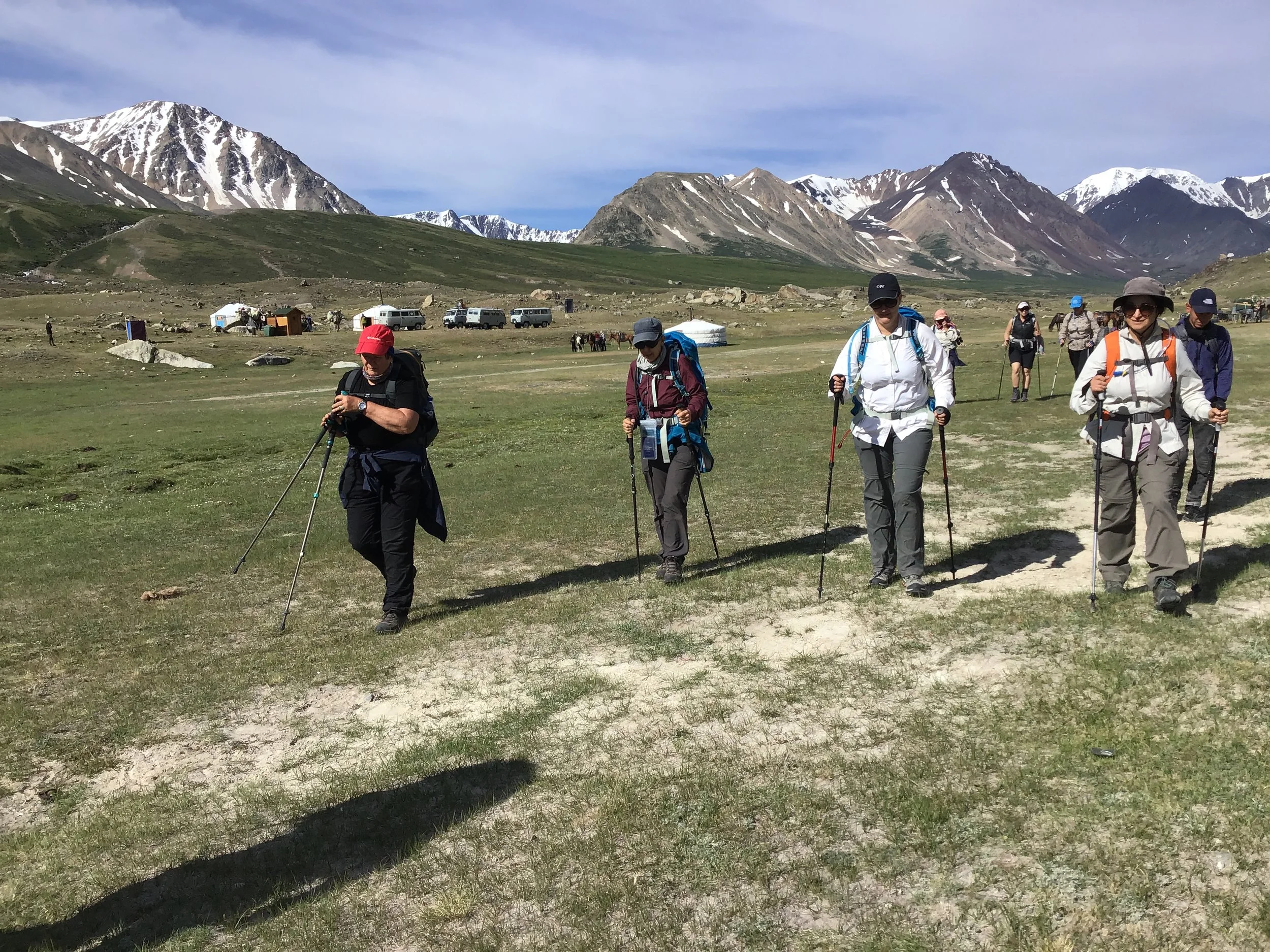
On all the other camping spots we are alone, here there are usually a few groups, depending on the time of the year. It is a place to have some social contact and to rest before the final ascent to basecamp.

Tsagaan Gol - White River - Tavan Bogd National Park

DAY 7

The ascent from the river camp up to the base camp and the Potanin Glacier is steep for about 1 km, then it steadily rises to over 3,000 metres. The ground is boggy at times, with squelching, muddy sections to manoeuvre.

The five sacred peaks get closer and closer. It is all about the journey, of course, but it is an awesome feeling when you finally get a clear, sharp view of the destination.

View fullsize IMG_0222.JPG
View fullsize IMG_8747.JPG
View fullsize Tavan Bogd National park day 7 1.JPG
View fullsize IMG_3054.JPG
View fullsize IMG_1179.JPG
View fullsize Tavan Bogd National Park basecamp 205.JPG

The basecamp above the glacier is where most people camp. The Potanin Glacier is the longest in Mongolia stretching for over 14 km through the Altai Mountains into Russia. Sadly, like many other glaciers around the world, the Potanin Glacier is decreasing in size at approximately 11 metres a year.

In the evening, the sky can really put on a show that no photos can do justice to it.

DAY 8 

Waking up to the 180 degree view of the five sacred peaks - Nairamdal, Burged, Ulgii, Malchin, Khuiten and the Potanin Glacier below is one of those moments that gets etched in the mind to be recalled many times over, years after it has passed. It is a moment that holds power, mystery and beauty.

Tavan Bogd - the five sacred peaks

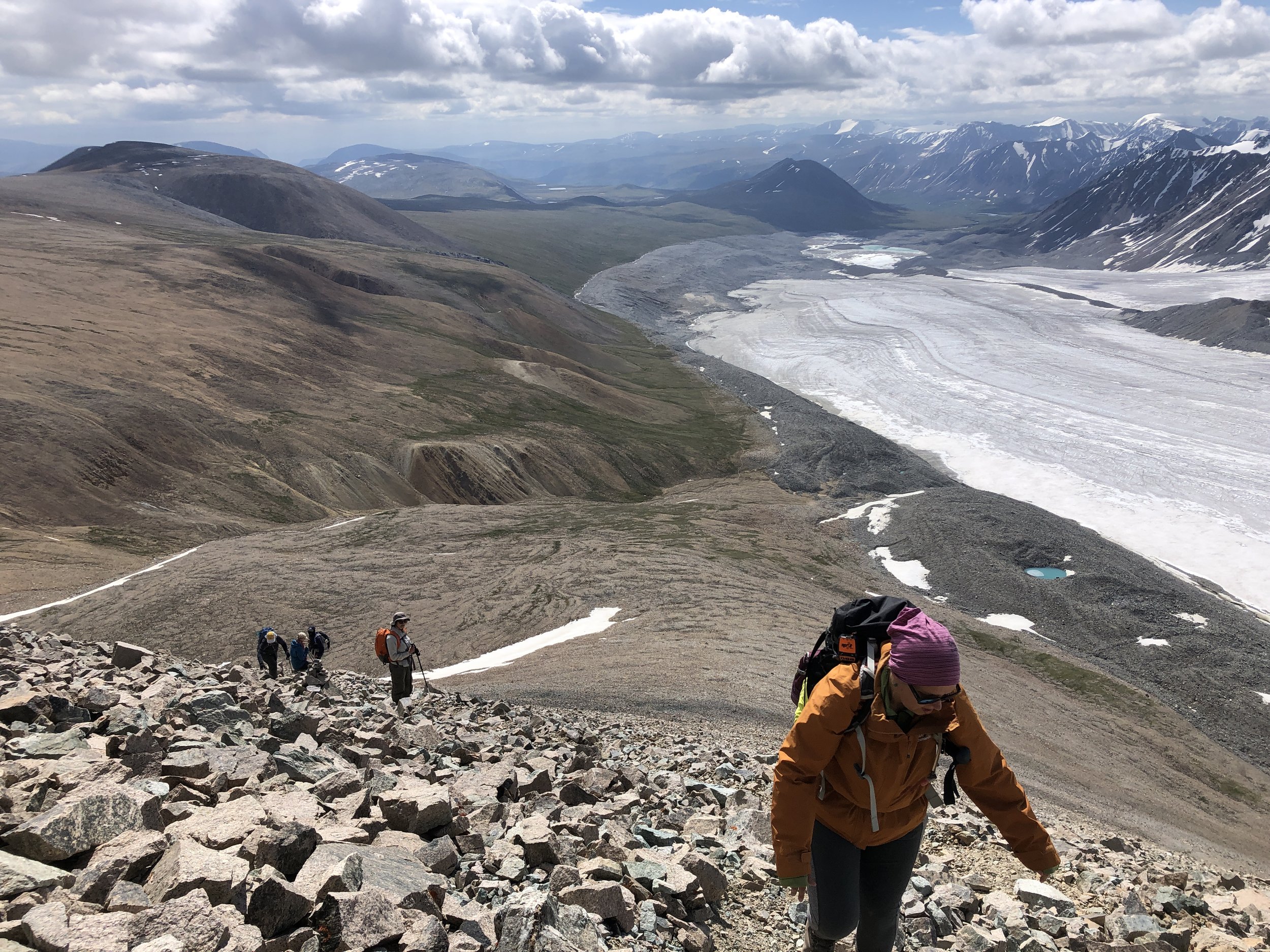
On day 8 some of us climb up Malchin Peak, the only peak that does not require equipment or experience in alpine climbing. It is far from easy though. First, there is the 5 km walk to the foot of the peak.

Walking to the base of Malchin Peak.

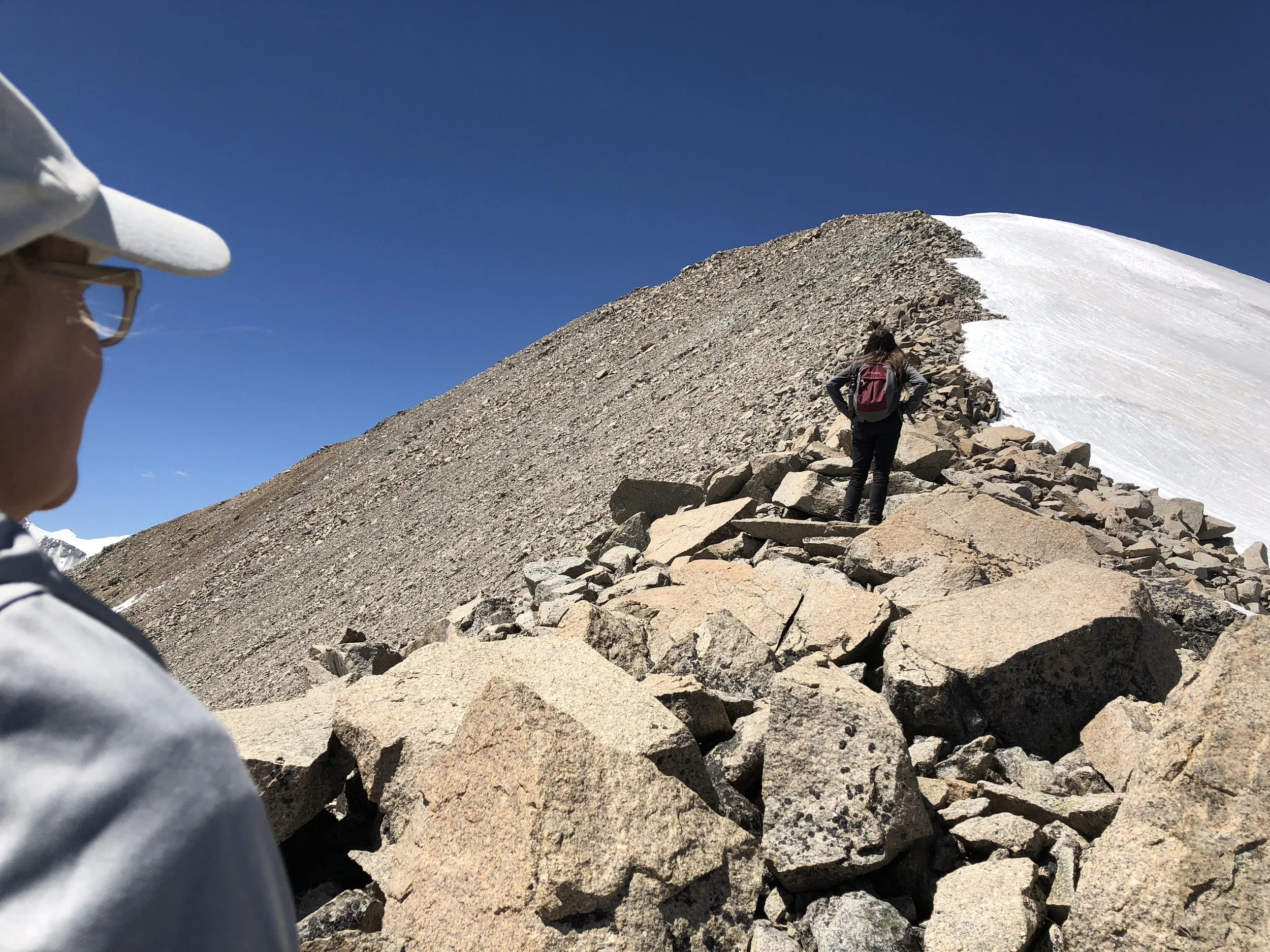
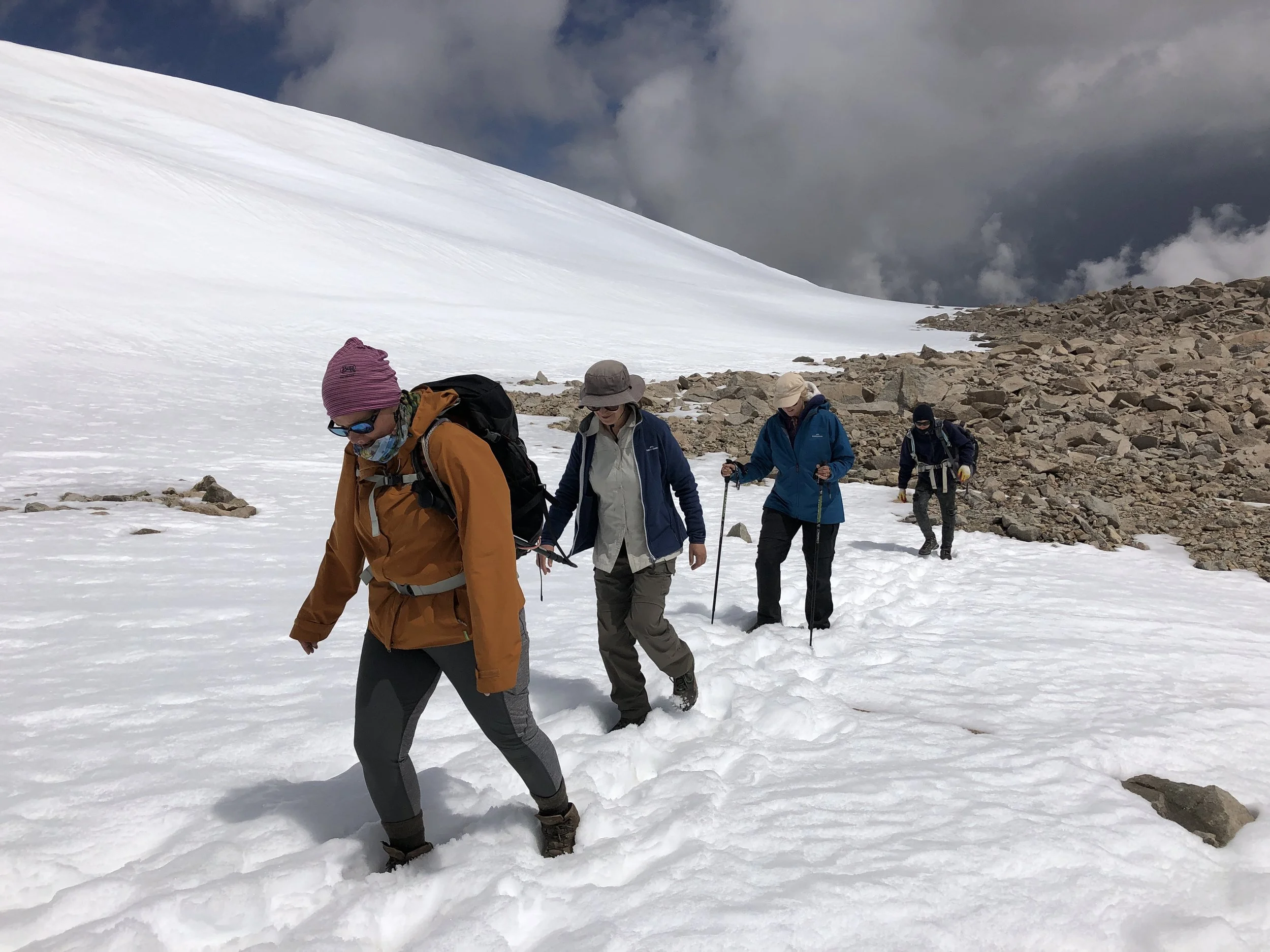
Then there is the tough walk uphill, at altitude. It requires stamina and patience as we very slowly walk up the slippery and loose scree. The ‘marked’ path is often not clear and the weather changes several times during one day. There is scrambling over boulders, slushing through wet snow and slipping backwards on the loose scree. And then, after a few hours, and a hundred stops to catch your breath, there it is!  

View fullsize Mongolia - Malchin Peak 14.JPG
View fullsize IMG_1295.JPG
View fullsize Malchin Peak Mongolia 2.JPG
View fullsize Mongolia - Malchin Peak 17.JPG
View fullsize tavan bogd national park Malching Peak 1.JPG
View fullsize Mongolia - Malchin Peak 20.JPG

The peak and the 360 degree views of extraordinary panoramas that make me pinch myself every time. 

We don’t stay long at the summit, it’s windy and usually cold and we still need to get back down and walk the 5 km back to basecamp. It’s a long day and not everyone is up for it, but if you are, it’s worth it!


DAY 9

About two kilometres after leaving basecamp there is a large shrine or ‘tobo’ where Mongolians - Buddhist, Muslim or not - leave offerings to the spirits of the mountain. Biscuits, juniper, prayer flags, money and even animal sacrifices are left and prayers sent high up into the mountain deities.

Mountain shrine Tavan Bird National P

From this spot the glacier the 5 sacred peaks are clearly visible for one last time before we start to head to the northeastern entrance to the national park.

There is one more stream to negotiate, before reaching the ranger’s post, but this is usually shallow and although still icy, it is very easily managed.

View fullsize Mongolia Day 9 Natalia .JPG
View fullsize IMG_0343.JPG
View fullsize Tavan Bogd National Park north exit .JPG
View fullsize IMG_0383.JPG

There is a feeling of sadness on this last day and as we make our way back through the Mongolian countryside to Ulgii I am always overcome with a feeling of great achievement and fulfilment, as well as gratitude for having witnessed such pristine wilderness.

All the food we serve is vegetarian or plant-based.

3 reasons why Edgewalkers is a vegetarian company

April 20, 2022

A couple of weeks ago someone posted a query on our Edgewalkers Facebook Page about one of our walks. 

I asked them what dates they were interested in coming.
Their cheeky answer was: "we'll come the day you serve meat!
I laughed and wrote back that I wished them a happy hike ... with another company!

Of course, there are plenty of other companies choosing to cater for the growing plant-based and vegetarian clientele; however, most businesses that serve food generally provide meat options.  And that is fine. 

Edgewalkers, is a vegetarian and plant-based company.

For some people this is the reason they’ve booked with us. 
For a small minority of people, it may be the reason why they haven’t.
For most, it is not important, they welcome the opportunity to try something different and leave having tried ‘some of the best plant-based food’ they have ever eaten.

Here are some reasons why I chose to make Edgewalkers a plant-based & vegetarian company:

Reason number 1: Me

I am vegetarian. I know; it’s all my fault. 

I became a vegetarian while living and working in Japan in 1991 - I was 22 years old and I had a moment (you could call it an epiphany) half way down a set of stairs leading into the meat section of a Daiei department store in Nagoya, when I realised that I did not belong in the life-death cycle as a meat-eater. There was something about the beautifully wrapped and glistening meat cuts that I was descending into that had this momentous impact on my life. 

Just to be clear, I am not against other people eating meat. 

In fact, I think that it is a natural cycle of life and death and like many other animals humans can fall into a number of categories. We can be like lions, sharks, hyenas. We can be like chooks, otters and monkeys. And we can be elephants, bison, elks. 

I am an elk. I’m fine with grass. I thrive on plant-based food. I am not naturally inclined to fish or hunt, or to kill anything in general for food. 

So, there is no way that I could be part of an enterprise that involves going out and procuring chicken drumsticks or pork chops. There was no other avenue for me in this business.’ 


Reason number 2: Sustainability

We are aspiring to be a fully accredited ecotourism company.  And yes, it makes a huge difference to reduce how much we participate in animal agriculture. 

  • Between 15 - 25% of greenhouse gas emissions come from animal agriculture (depending on what you read and how the carbon footprint is calculated) ...however you work it - it is significant.

  • Beef, lamb and dairy contribute almost 60% of all the emissions produced by food production... I know, it’s huge. Even if we cut back on eating beef and lamb to once a week and cheese and milk to a few times a week, we are making an impact. This is according to peer-reviewed journal the Lancet & other reputable sites like the Medical Journal of Australia, not my opinion.

  • Our water consumption is reduced by 55% on a plant based diet. For example, there are various calculations of this but generally to produce 100 g of beef protein, it takes approximately 700 litres of water - for the equivalent protein from tofu it only takes about 90 litres of water, 8 times less water.

  • It’s the easiest and quickest way we can immediately make a difference…

Reason number 3: Wellness 

Edgewalkers is also a wellness company. Therefore we are here to promote wellbeing and health. 

There is plenty of evidence out there to show that the consumption of animal products, especially in the quantities that we consume them, are making us sick. 

I want to stress that I am NOT against animal consumption and believe that many people are naturally inclined to do better by eating meat. However, eating meat every day is NOT healthy. Look into it. Here is a start


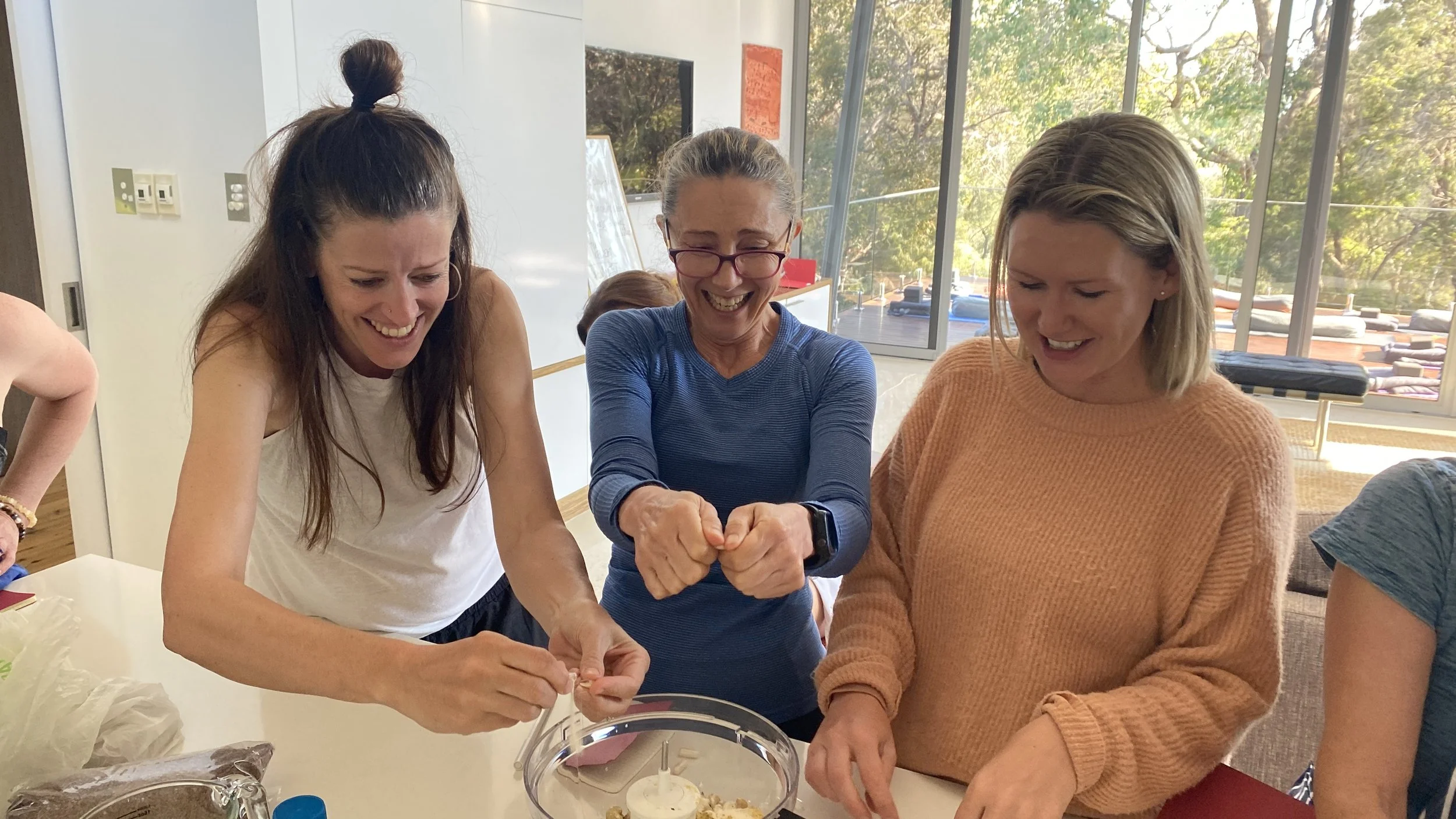
Cooking plant-based food at one of our retreats

Most of us are passionate about our food.
Nobody likes to be told what they ought to be eating or that what they eat is part of our environmental problem. 

I don't like it. You probably don’t like it either. 

But you don't have to be a militant vegan or radically change your diet to make an impact. 

At Edgewalkers we want to support all our fellow adventurers and creative souls in reducing our impact on the planet and helping to regenerate the pristine wilderness and care for the diversity that our amazing natural environments offer us. 

WOMEN WANDER WIDE AND WRITE - 2 women travel writers who continue to inspire

March 09, 2022

Before our borders were slammed shut in March 2020 because of the COVID 19 pandemic, I had plans to travel far and wide like I do almost every year.

2020 held in store a number of interstate and overseas adventures: a quick trip to the Northern Territory to walk through the MacDonnell Ranges on the the Lara Pinta Trail;  a 4-week reccy of eastern European mountains across the Borbalo Pass deep in the Caucasus Mountains of Georgia (country) and two weeks scoping the Peak of the Balkans across Montenegro, Albania and Kosovo. 
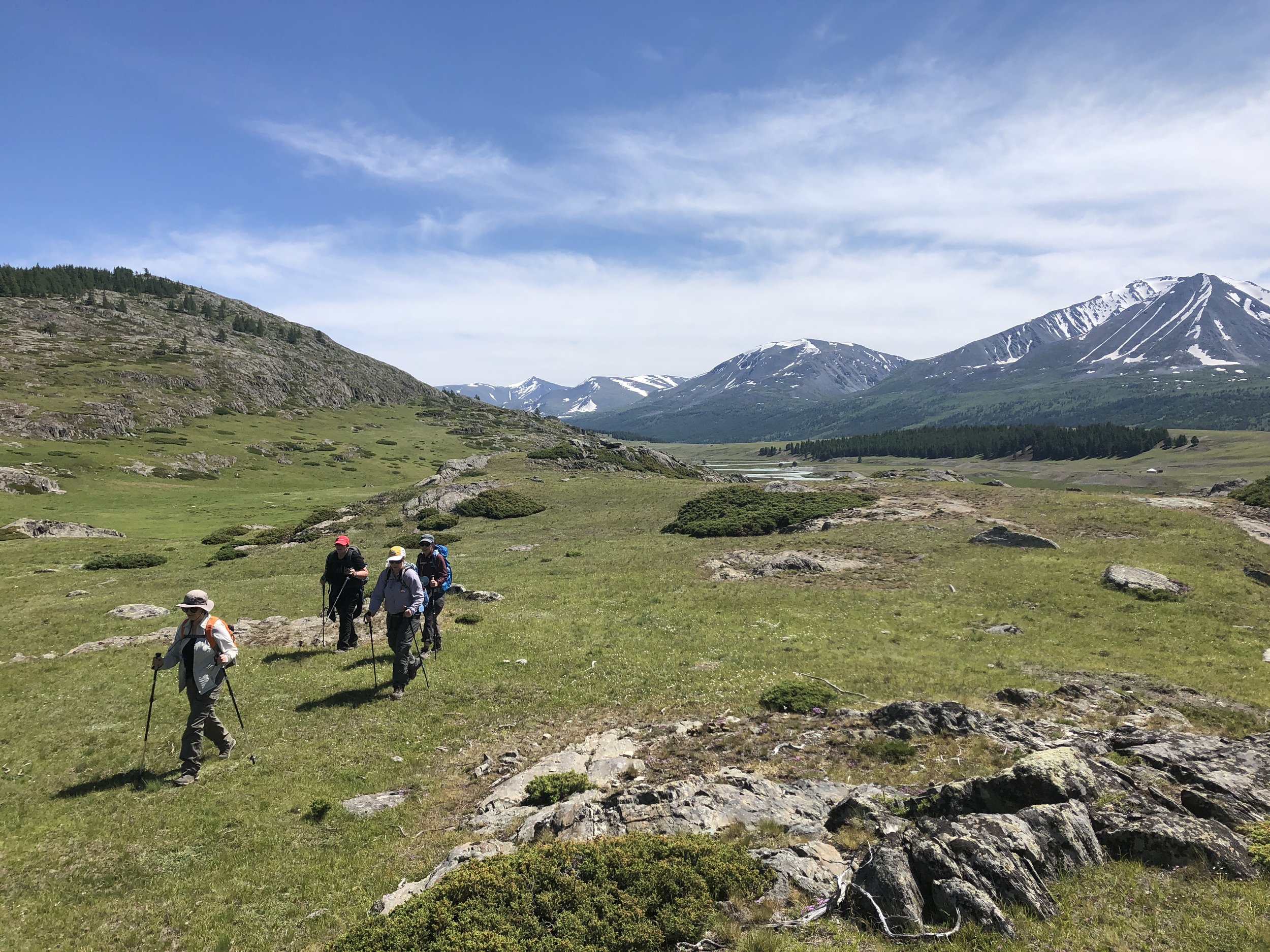
I was then going to head east to Mongolia to lead our 4th hiking expedition through the Tavan Bogd National Park, pictured above. And then later in the year, the plan was to travel to Panama to scout a walk across the Darien Gap between Panama and Colombia. 
I had also planned to write about it. 

Of course, these plans were all put on hold for a couple of years, but very soon, armed with a new passport, a trusted backpack and triply vaccinated, I will once again traverse the Indian Ocean and make my way to distant lands. 

Despite travelling not always being easily accessible to women, especially on our own, many gutsy and adventurous women before us, defied untenable obstacles, way more hindering than a global pandemic, and blazed trails to write about their travels and adventures, inspiring others, like me, to do the same. 

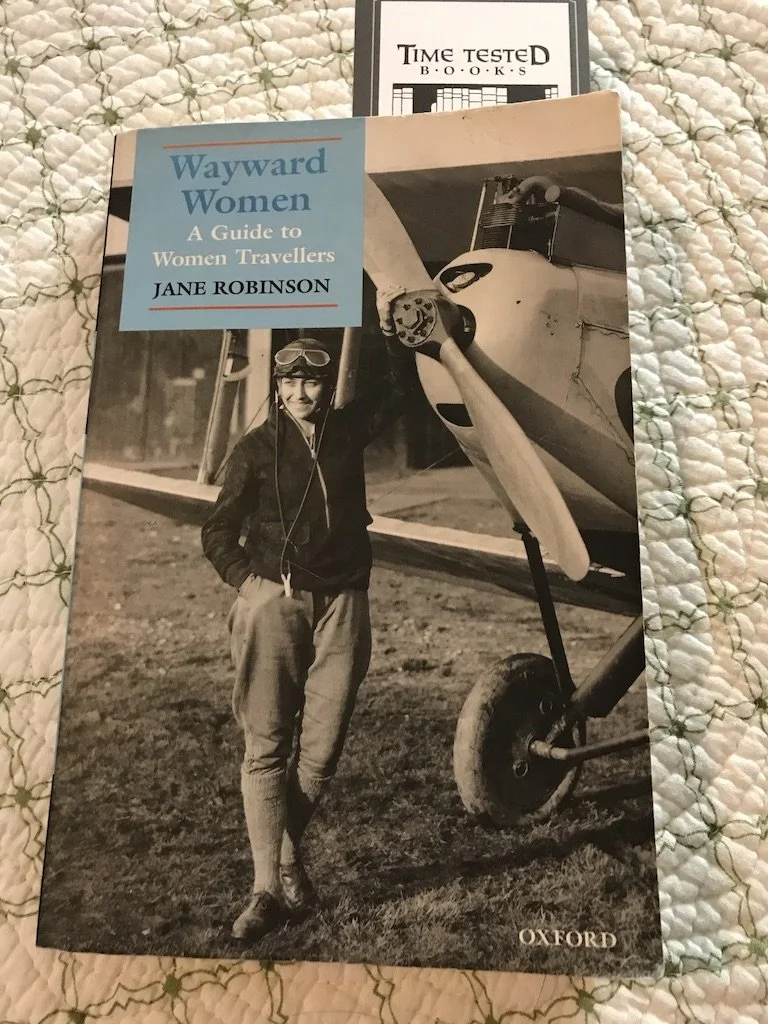
In her book Wayward Women: A Guide to Women Travellers, Jane Robinson presents a collection of more than 350 women across 16 centuries whose writing stands as a testament to a spirit of discovery and curiosity.

As we celebrate International Women’s Day this week, and as I prepare to run my 7th Women’s Walking & Writing Retreat, I pay homage to two of these remarkable women, both from the 18th century. Their courage and refusal to conform led them to forge new paths for themselves and for women travellers. Reading their words more than 200 years after they were penned, feels like I am being guided; being mentored and connected across time. 

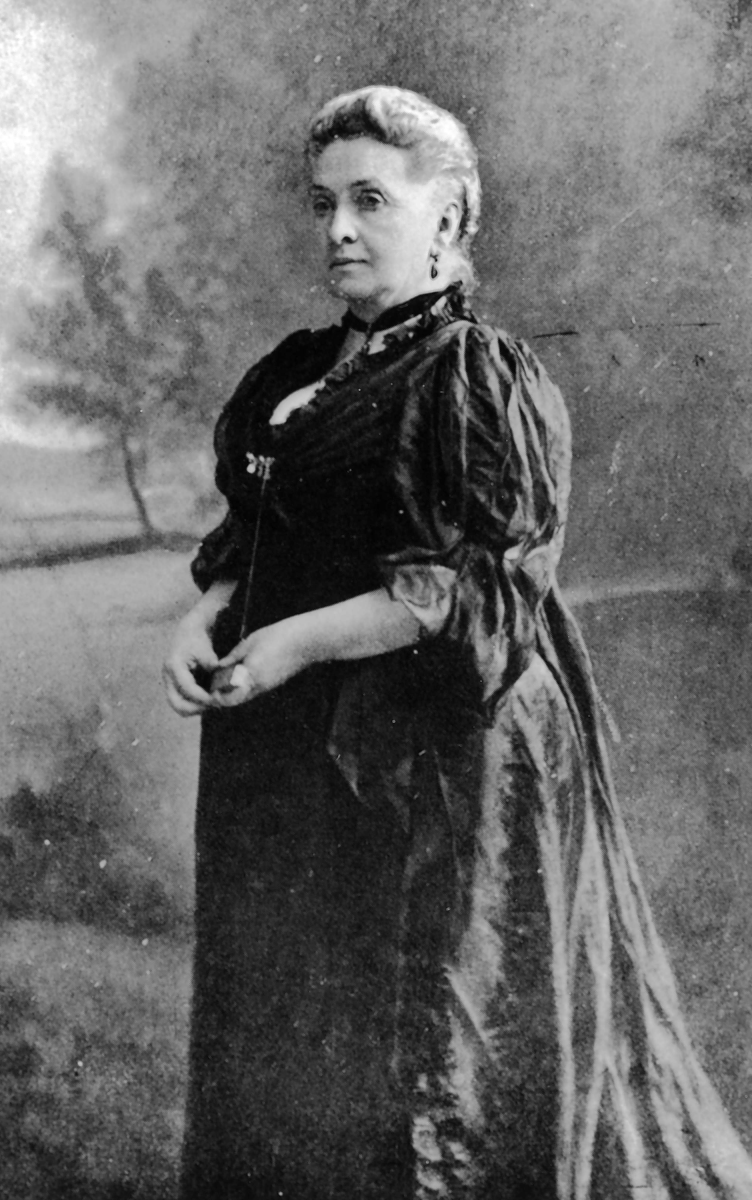
Isabella Bird

Isabella Bird

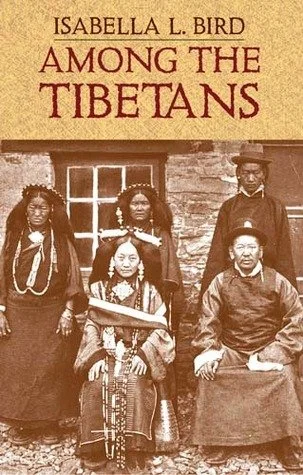
I first came across Isabella Bird in Caryl Churchill’s play Top Girls - where she is the indefatigable explorer; a character who rejects traditional femininity and talks about her extensive travels. But it was when I first researched travelling to Tibet in 2004 that I came across her book Among the Tibetans. I didn’t read it, to my 35 year old mind it seemed antiquated. Now as a 53 year old, and after living for 2 years in Tibet, I understand and admire the extraordinary feat of its author.

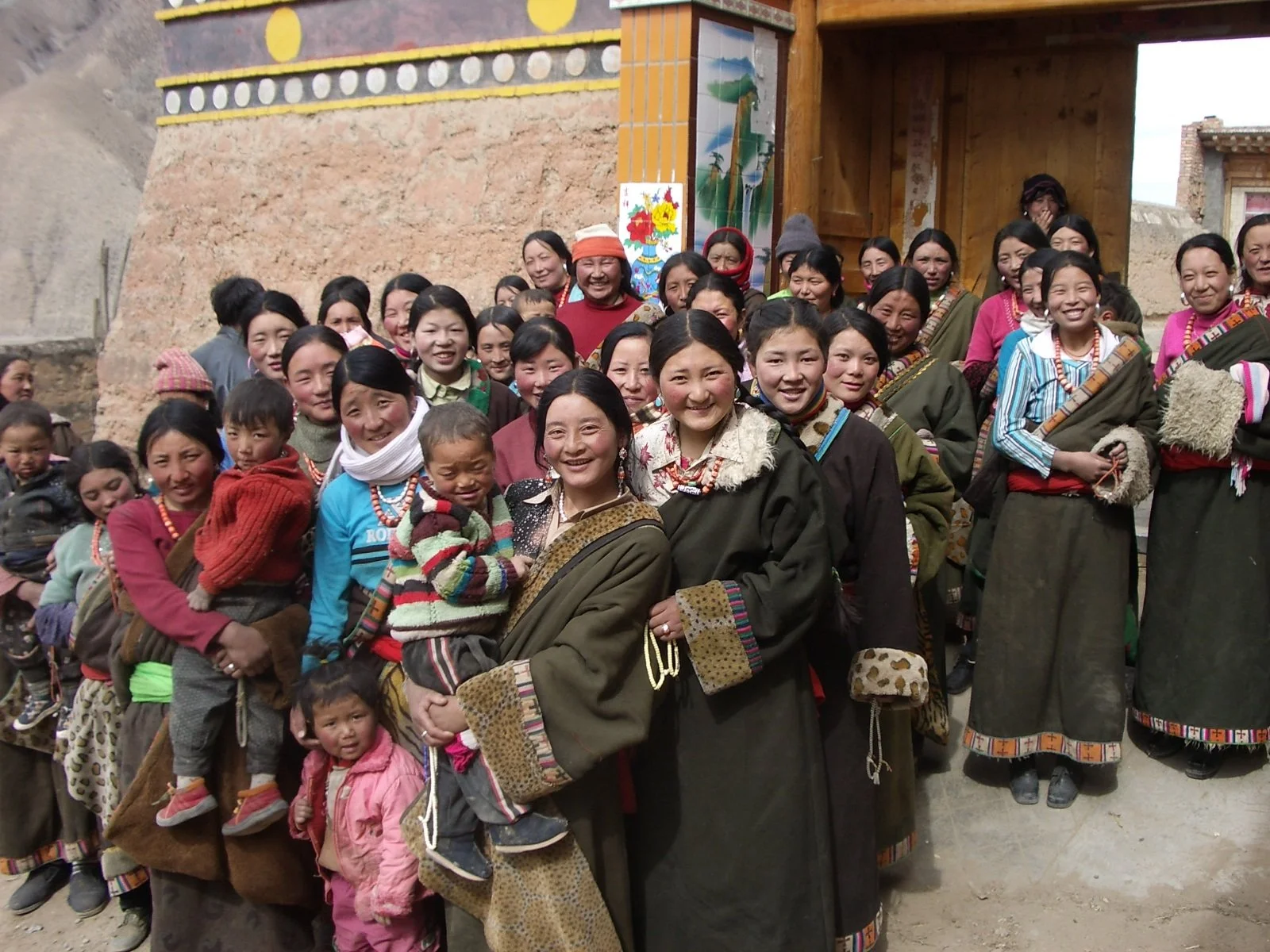
Women in Yushu, Qinghai Province, China.

Isabella Bird, born in 1831 to a wealthy and religious family in north Yorkshire, turned her back on the restricting gender expectations of Victorian England to become an intrepid and adventurous traveller, travel writer, photographer and naturalist.

Suffering from debilitating health issues, Bird was encouraged by her doctor to take an ocean voyage to reap the rewards of fresh sea air.  With one hundred pounds from her father and a command to not return until she had spent it, her journey to Canada would become the beginning of her adventure-filled life and remarkable travel writing.

‘I  have just dropped into the very place I have been seeking, but in everything it exceeds all my dreams.’

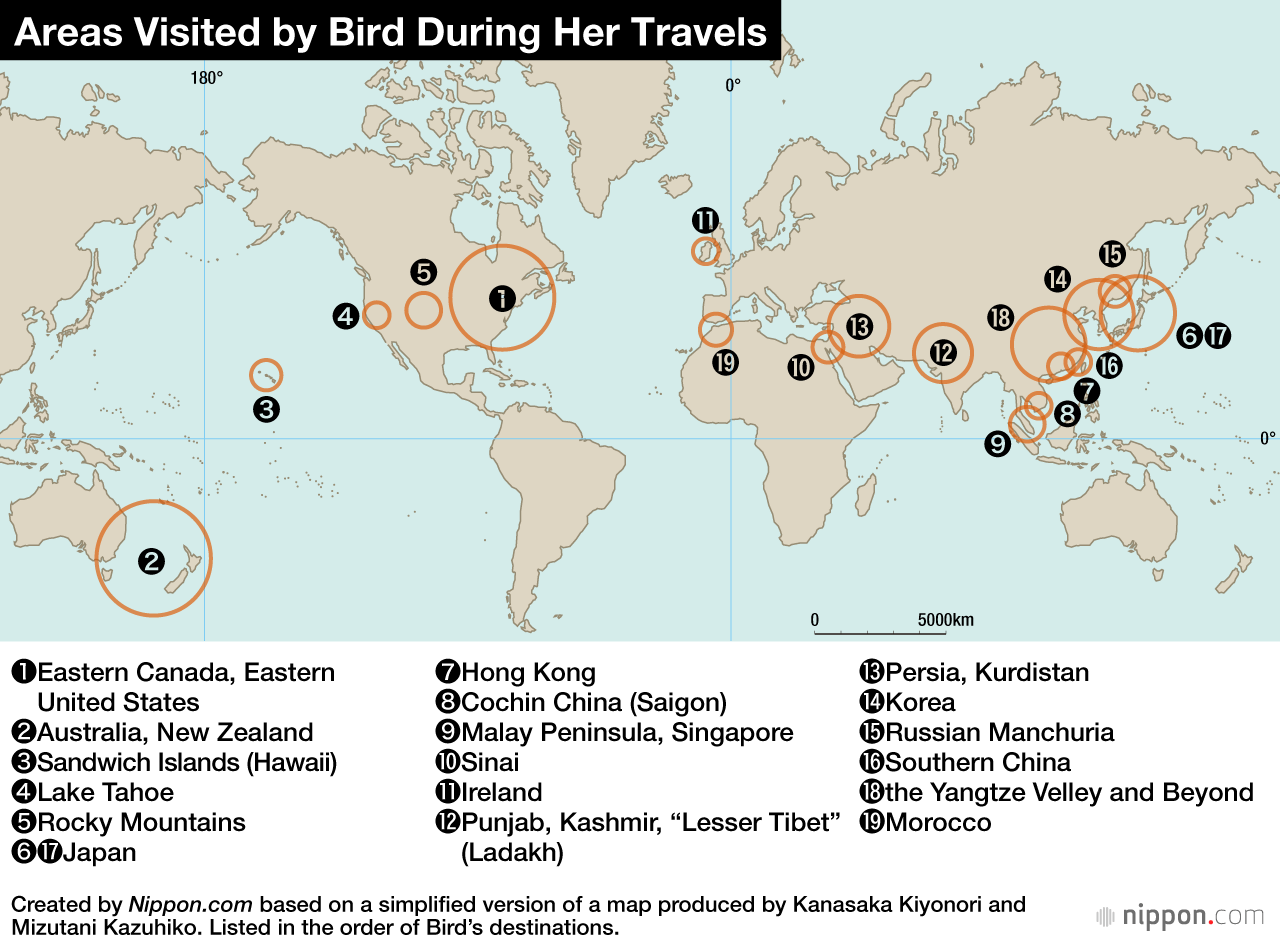
Between 1854 and 1901 she travelled to Hawaii, the US, Australia, New Zealand, Japan, Vietnam, Korea, China, Singapore, Malaysia, Turkey, Egypt, Persia, Kurdistan, Morocco and Tibet. 

See the map below:

from Victorian Women Travellers in Meiji Japan, Nippon.com

Even hardcore travellers of the 21st century would have trouble matching the globetrotting effort of this extraordinary adventurer. She rode mules, horses, oxen, rickshaws, slept in huts and climbed Himalayan mountains and Hawaiian volcanoes; she even had a romance with an American outlaw while in the Rocky Mountains. Her writing had social commentary and she did not hold back her own opinions:

‘The 'almighty dollar' is the true divinity, and its worship is universal.’

Her first book The English Woman in America was so well received she was able to continue travelling with the money she earned. Her second book, A Lady’s Life in the Rocky Mountains, was her most popular, and gave her not only the ability to finance her travels but also some notoriety.

Among her 9 travel books, is an 800 page tome Unbeaten Tracks in Japan where she was one of few foreigners to explore Meiji Japan extensively at a time when travel for foreigners was very restricted; and, Among the Tibetans in which she recounts her astonishing and arduous journey through Tibet.

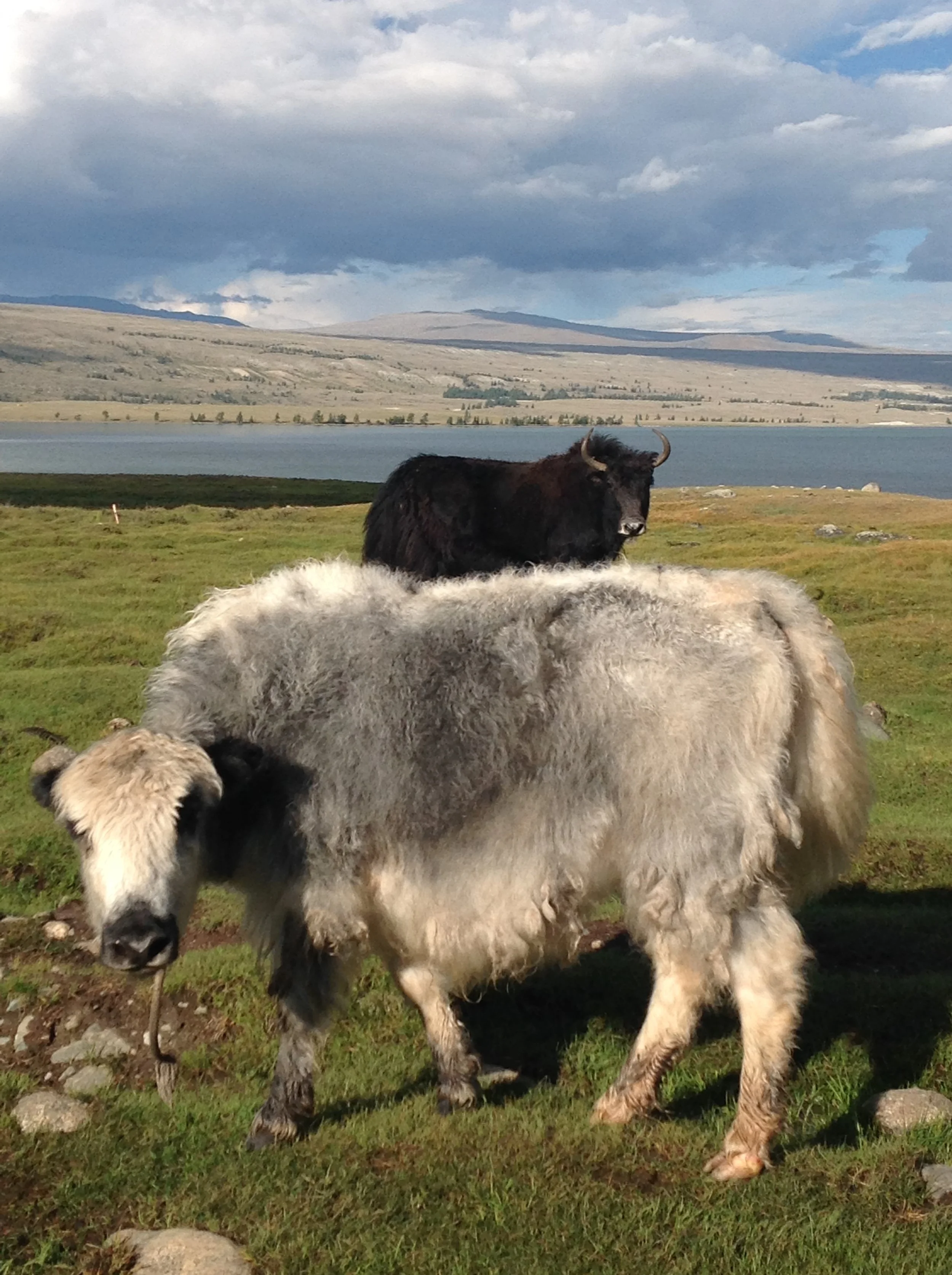
‘My first yak was fairly quiet and looked a noble steed with my Mexican saddle and gay blanket among rather than upon his thick black locks.’

View fullsize Among the Tibetans book cover 2.jpeg
View fullsize yaks - tavan bogd national park Mongolia.JPG

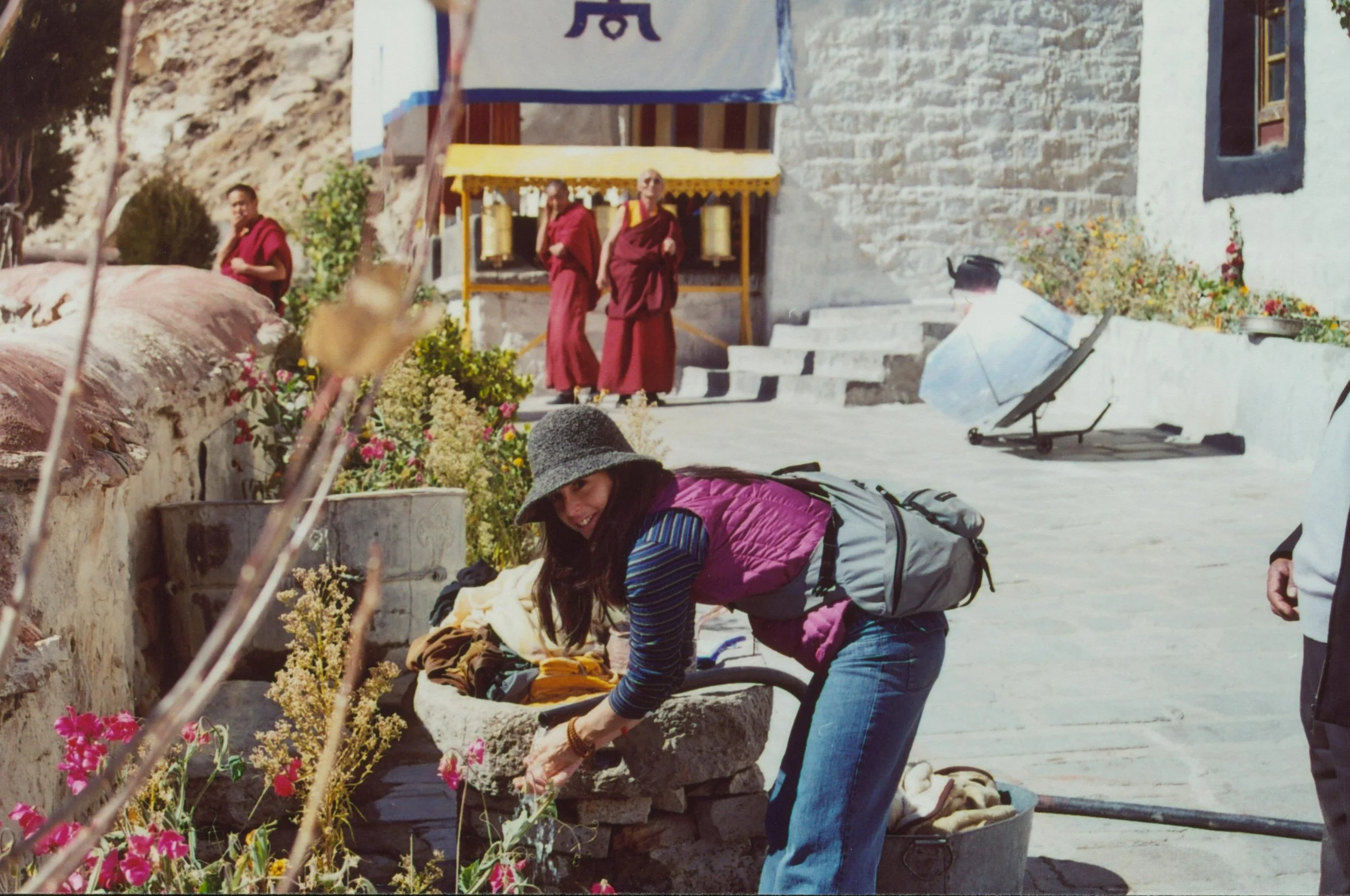
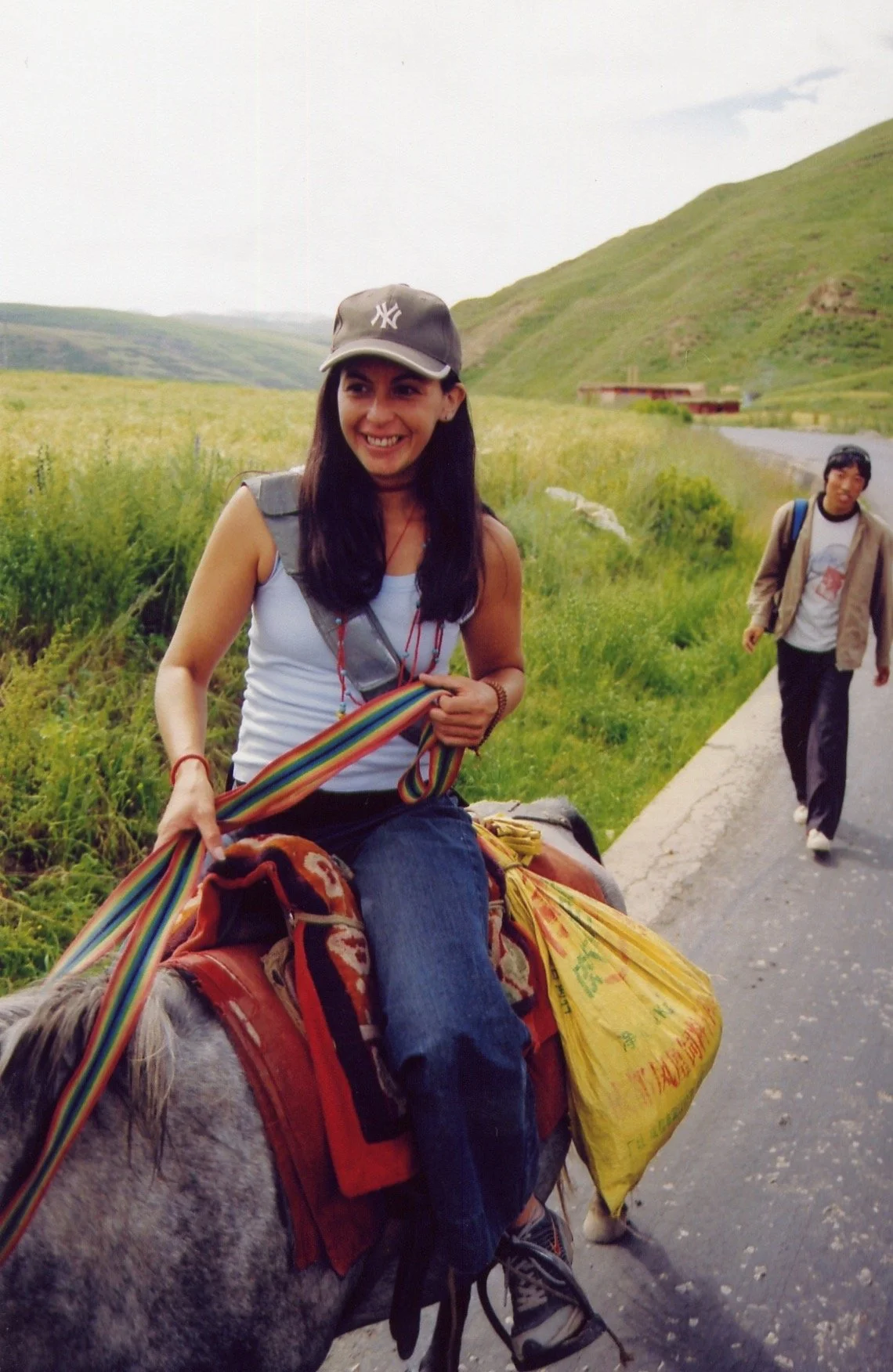
For me not such an arduous journey through Tibet

View fullsize erikakayang.JPG
View fullsize ganzi luhuo 018.JPG

She came to love the freedom of travel and the unencumbered simplicity of few possessions, and travelled light.

“I still vote civilization a nuisance, society a humbug and all conventionality a crime.”

Not satisfied with her success in writing, she took up photography in her 60s and provided images of lands and people few had ever set eyes on in Europe. 

Isabella Bird was well known in Britain and became the first woman to be made a fellow of the Royal Geographic Society.

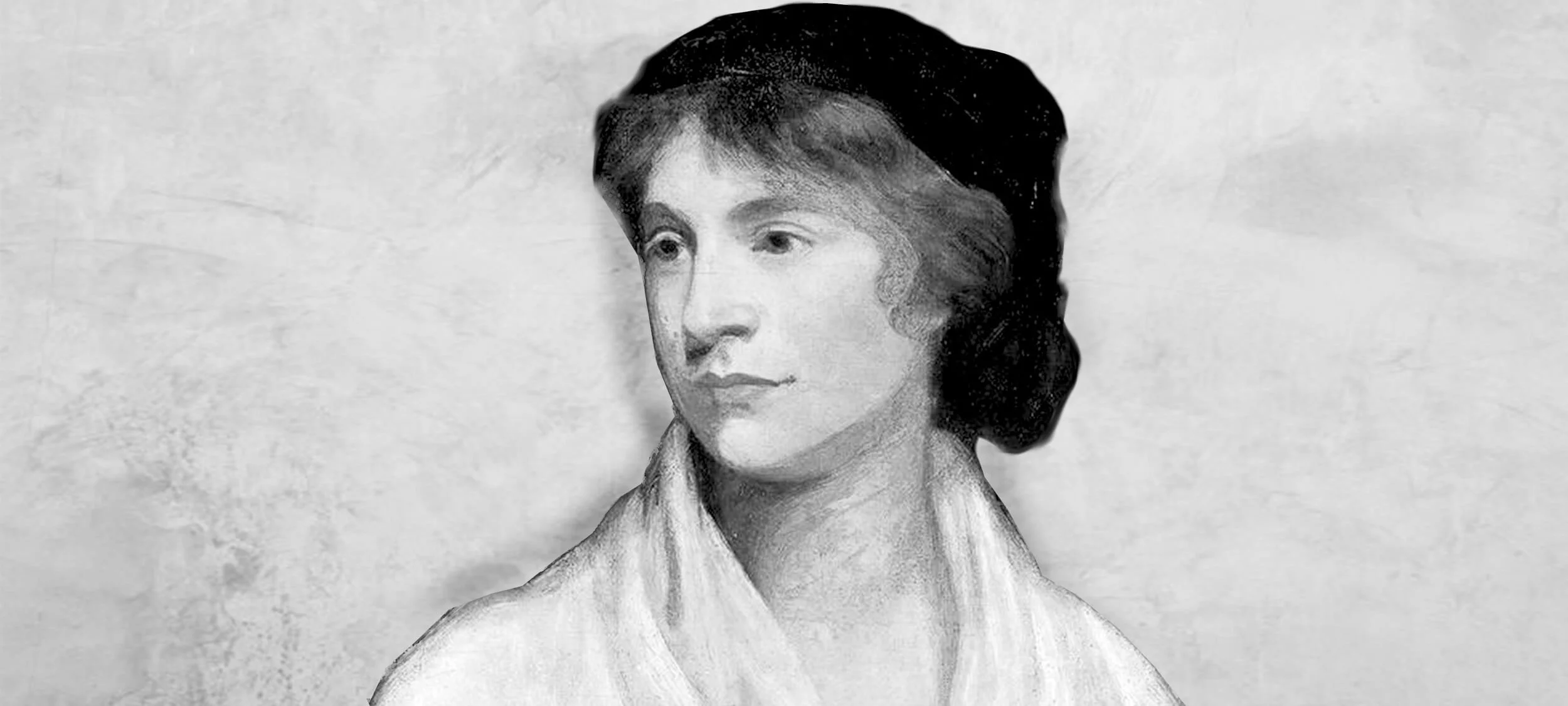
Mary Wollstonecraft

Mary Wollstonecraft

Mary Wollstonecraft was also an English writer and radical philosopher who is more famous today for her significant contribution to the feminist canon with the Vindication on the Rights of Women, than for her travel writing. I came across here while studying feminist theory at university. She was one of our first true feminists believing in the rights of everyone to learn, express their views and make ‘improving our minds’ a life pursuit.

This extraordinary and inspiring woman, born in 1759 to a family whose patriarch had little value for girls, defied the expected role of women of her time in so many ways. She disregarded traditional roles by pursuing a career in writing, travelled extensively in Europe on her own and refused to marry her American businessman boyfriend, with whom she had a daughter. 

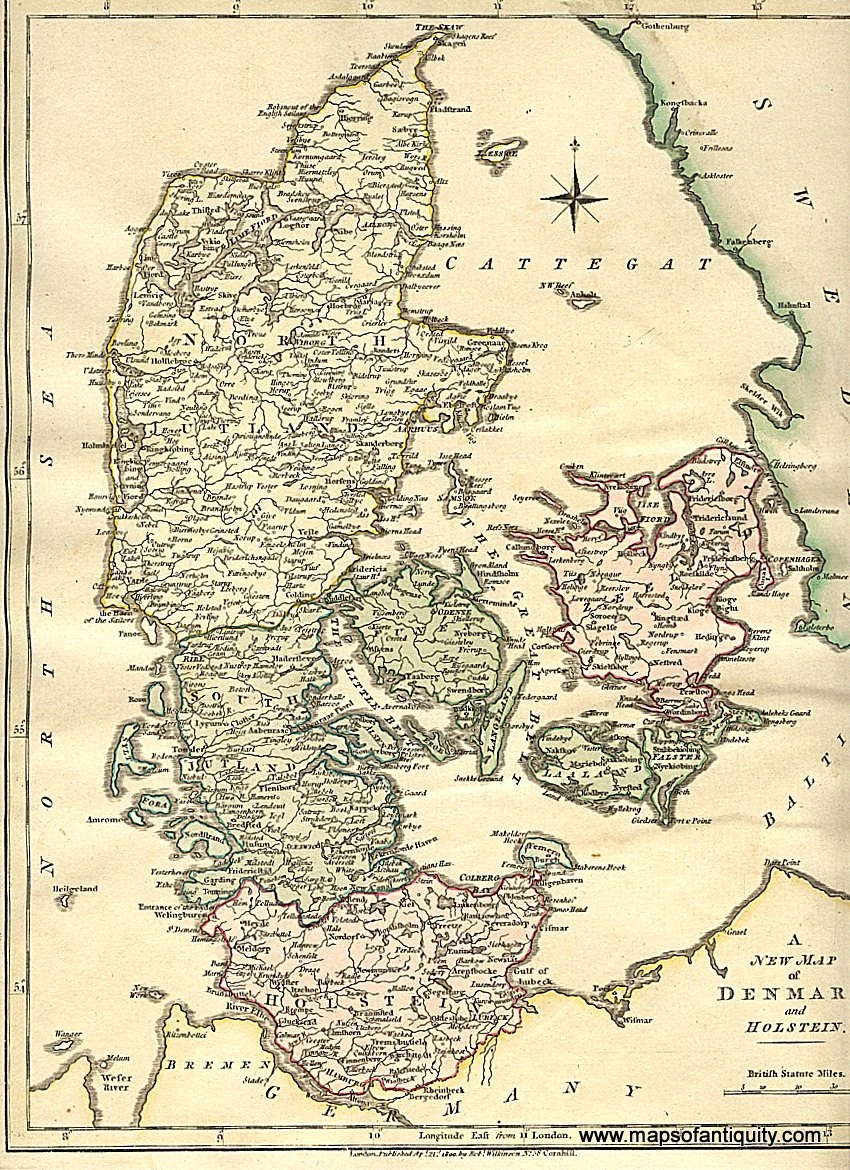
More than 100 years before she would be allowed to vote Wollstonecraft travelled through Sweden Norway and Denmark - with her 1-year old Fanny and maid in tow - on a ‘clandestine errand’ to help her lover recover some silver that had gone missing from one of his commercial ships. 

For four months, as she risked life on dangerous sea voyages, dealt with greedy port officials, and experienced the natural beauty she encountered, Wollstonecraft wrote letter after letter to him. The collection of these letters was later published as a remarkable travel book Letters Written During a Short Residence in Sweden, Norway and Denmark.

View fullsize Letters Sweden.jpeg
View fullsize Map - Sweden Norway Denmark.jpeg

Wollstonecraft’s travel writing did not focus on customs, manners and traditions as did most women travel writers emerging at the time. Instead, she engaged with topics relating to contemporary life, politics and social issues, with critical observations and reflections about the society she was travelling through: 

She discussed the French Revolution, the way men treated women, the horror of slavery ‘slavery has retard the improvement of every class in Denmark’; she criticises the folly of commercial enterprise,

‘Everywhere wealth commands too much respect; and it is the only object pursued’. 

And many topics which at that time commonly left out of travel writing including many existential wonderings.

‘What a long time it requires to know ourselves; and yet almost every one has more of this knowledge than he is willing to own, even to himself’

Spending time in spectacular natural landscapes she wrote passages that were moving and inspiring:

‘Reaching the cascade…my soul was hurried by the falls into a new twin of reflections…I asked myself why I was chained to life and its misery? Still the tumultuous emotions of this sublime object excited were pleasurable; and viewing it, my soul rose, with renewed dignity, above its cares - grasping at immortality - it seemed as impossible to stop the current of my thoughts, as of the always varying, still the same, torrent before me - I stretch out my hand to eternity, bounding over the dark speck of life to come.’

Wollstonecraft was not only one of the first instigators of feminism, she also opened the door for women travel writers ‘to present themselves authoritatively in a narration and within a vocation’.

Some sources

Bird, I. Among the Tibetans,

Harper, L., The Stigma or Emotions, Mary Wollstonecraft’s Travel Writing

Parks, C., 2014, The Peripatetic Life of Isabella Bird, The Appendix, Vol 2, no 4

Robinson, J., 2002, Wayward Women: A Guide to Women Travellers, Oxford University Press

Sterry, L., 2009, Isabella Bird, Victorian Women Travellers in Meiji Japan, Brill

Wollstonecraft, M., 1895, Letters Written During a Short Residence in Sweden, Norway and Denmark

Back to Top
erika@edgewalkers.com.au

Fremantle - Western Australia 6160

+61 406 758 062
Adventure Tourism Trade Association Logo
Australia's southwest logo.jpg
Perth Airport Tourism Awards Finalist Ecotourism
tripadvisor_logo.jpg

At Edgewalkers we respectfully acknowledge all First Peoples of the land on which this business thrives. We pay our respect to traditional elders from the past, present, and future; we celebrate their culture, heritage, and identity and we aspire to promote and instill a sense of custodianship and responsibility for ‘country’ in all our activities and dealings.

Edgewalkers is a vegetarian company - one of the ways we are aspiring to reduce our carbon footprint.

Terms and Conditions


© Edgewalkers 2025. All rights reserved. Privacy Policy. ABN 59615095406

Edgewalkers Every Woman Expo discounts on our walks & retreats from 21-30 June