• Mongolia Walking Adventure Tavan Bogd National Park
    • Peaks of the Balkans Hiking Adventure
    • Walking with Wildflowers - Fitzgerald Biosphere and Stirling Ranges
    • Walking with Wildflowers - Fitzgerald Biosphere
    • Bespoke
    • Mongolia Walking with Wildflowers Adventure Turgen Kharkhiraa National Park
    • Murchison Gorge Hiking Adventure - Kalbarri National Park
    • Cape to Cape End to End Walking Adventure
    • The Creativity Retreat with Dr Erika Jacobson
    • The Creativity Retreat - Botany - Creativity - Art
    • Cape to Cape Walking and Yoga Mini-Retreat
  • Blog
    • About Edgewalkers
    • Testimonials
    • Contact
    • Resources
    • Wildflowers Mindful Colouring
    • Interpreting Biodiversity Workshop
Menu

Edgewalkers | Walking Tours & Creativity Retreats

Walking you back to nature, creativity and adventure
  • Walking Adventures
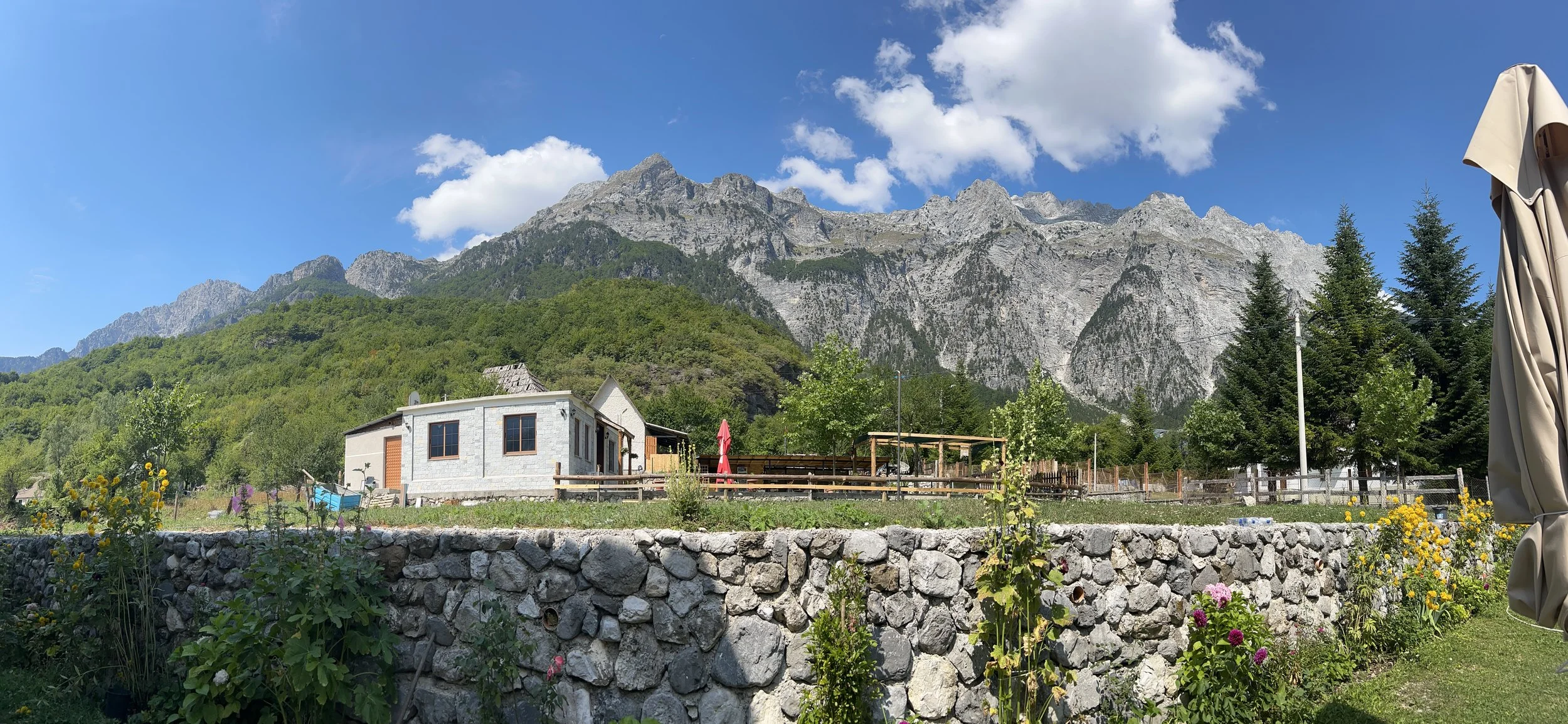
    • Mongolia Walking Adventure Tavan Bogd National Park
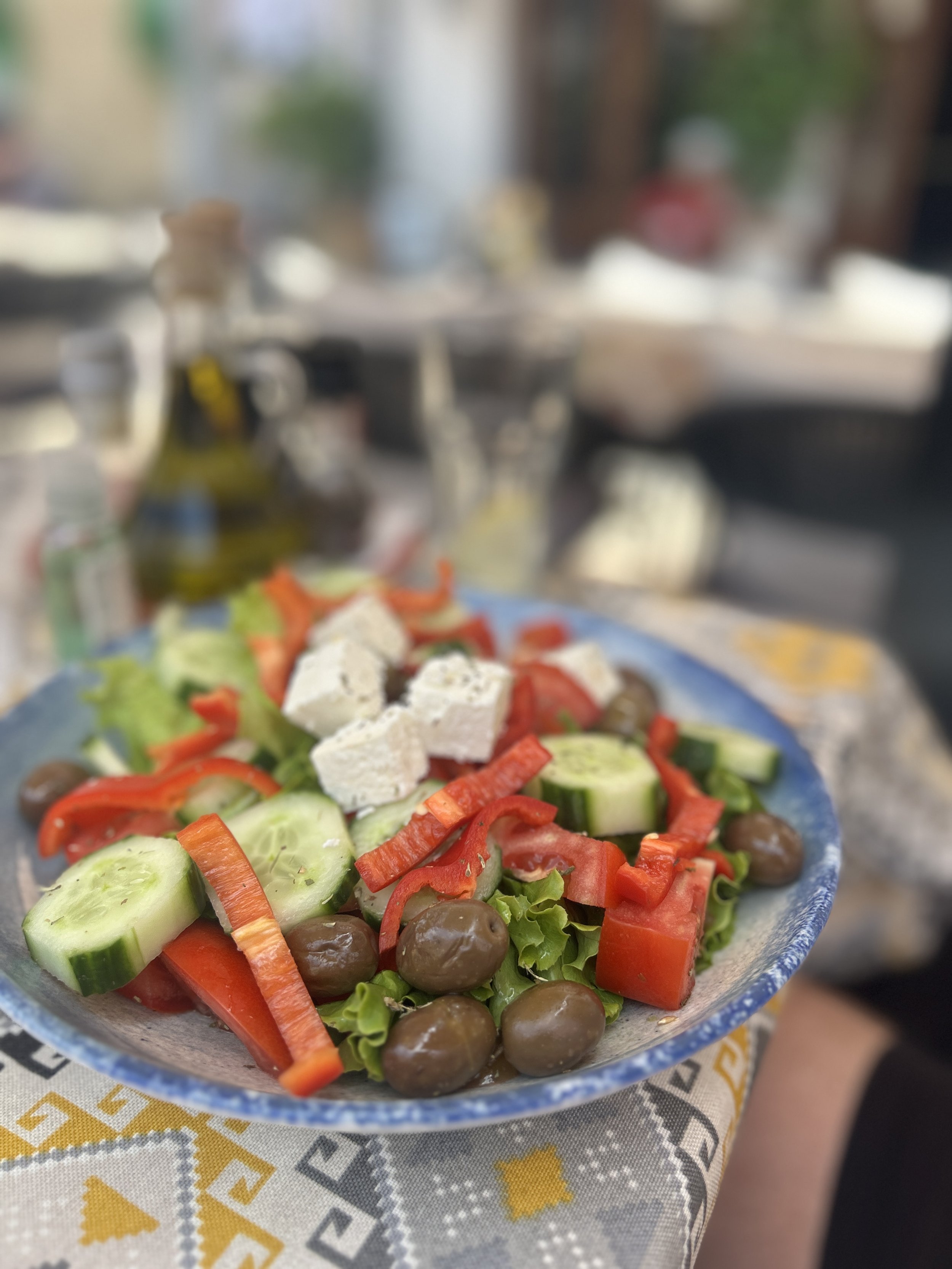
    • Peaks of the Balkans Hiking Adventure
    • Walking with Wildflowers - Fitzgerald Biosphere and Stirling Ranges
    • Walking with Wildflowers - Fitzgerald Biosphere
    • Bespoke
    • Mongolia Walking with Wildflowers Adventure Turgen Kharkhiraa National Park
    • Murchison Gorge Hiking Adventure - Kalbarri National Park
    • Cape to Cape End to End Walking Adventure
  • Creativity Retreats
    • The Creativity Retreat with Dr Erika Jacobson
    • The Creativity Retreat - Botany - Creativity - Art
    • Cape to Cape Walking and Yoga Mini-Retreat
  • Blog
  • About
    • About Edgewalkers
    • Testimonials
    • Contact
  • The Biodiversity Project
    • Resources
    • Wildflowers Mindful Colouring
    • Interpreting Biodiversity Workshop
Blog Archive
  • 2016 13
  • 2017 8
  • 2018 16
  • 2019 12
  • 2020 11
  • 2021 6
  • 2022 6
  • 2023 7
  • 2024 3
  • 2025 4

Walking the edge

Short written and image essays on walking, nature and creativity.

With a special focus on women, wildflowers and biodiversity, the writing informs and reminds the reader of the many ways nature shapes cultures, sustains wellness and inspires creativity.

Featuring Western Australia's southwest, Mongolia and other Edgewalkers destinations.

Dr Erika Jacobson -


Instagram @edgewalkers_

View fullsize The Creativity Retreat in snapshots.

When was the last time you gave yourself time and space to just think about you? Time to explore your self-expression, your creative dreams?

The Creativity Retreat in Margaret River is 4 days away in nature in t
View fullsize
View fullsize 24 hours left on our Green Friday November SALE!

We’re committed to giving you opportunities to immerse yourself in nature, reconnect with its beauty and its power, reconnect with your creativity and with your sense of adventure - one of our s
View fullsize We’re having a 24 hour sale!
Friday 28 November.

If you sign up to our newsletter the sale starts Monday 👆🏽 (link in profile) to get the discount codes.

🔥20% off the Creativity Retreat with @dr.erika.jacobson 
🔥10% off the Cape to Cape Wa
View fullsize
View fullsize Have you been to the Fitzgerald River National Park?
If you love wildflowers and pristine coastal wilderness, it’s the place to visit!

#fitzgeraldrivernationalpark #edgewalkers #wildflowersofwesternaustralia #coastalwalks #nationalparksaustral
View fullsize
View fullsize
View fullsize

Subscribe

Sign up with your email address to receive news and updates.

We respect your privacy.

Thank you!

Article Categories

  • Biodiversity
  • Creativity
  • Margaret River
  • Mongolia
  • Retreats
  • Walking
  • Wildflowers

Article Tags

  • wildflowers
  • walking
  • mountains
  • biodiversity
  • creativity
  • rivers
  • habits
  • UNESCO
  • motivation
  • Cape to Cape
  • Retreats
  • Fitzgerald River National Park
  • National Parks
  • Margaret River

Walking through the Boranup Forest - southwest Western Australia

4 Ways Nature Helps Us Restore Our Creativity

November 09, 2025

There is a long list of benefits that come from spending time in nature.

You know it.
I know it.
We all know it.

There’s plenty of quantifiable scientific evidence demonstrating these benefits including: increased longevity, physical health, positive thoughts and reduced stress.

It makes sense that nature is also place where our creativity thrives and our capacity to focus and problem solve is restored.

According to Attention Restoration Theory, this is exactly what happens.

When we spend time concentrating, focusing on specific problems or trying to get results out of our thinking, our brains grow fatigued.

When we are mentally fatigued our cognitive ability to ideate, imagine, and think laterally, discern, choose, plan, is reduced.

This is especially true during the phase of creativity we label the incubation period.

When we are waiting for ideas to pop into the ‘aha’ realm and become suitable ideas.

In nature, or while looking at nature – even photos it seems – our attention is free to wander without the brain having to make too much effort.

We are biophilic beings.

We love nature and all things nature. That’s one reason most of us feel GOOD in nature.

But there are four elements that are present in nature, especially in wilderness and more unfamiliar natural settings that contribute to this restorative potential:

1.     Fascination – this is apparently, the most important factor. You would have experienced it.

It’s the way our brain’s focus naturally goes towards natural features that catch our attention – waterfalls, streams, wildflowers, clouds, sunsets, mountains peaks, the ocean.  
The lack of effort needed to pay attention in nature; the way our brains take it all in effortlessly, helps our brain to relax and restore its capacity to focus and problem solve.

If you listen to Radio National in Australia there was an interview today (9 Nov 25) with Professor Hannes Leroy – director of the Erasmus Centre for Leadership in Rotterdam - who talks about the ‘lost art of daydreaming’.

He studies the way the mind wanders and how that has positive impacts on creativity and problem solving.

It seems when the mind is let free to wander it can filter through the ‘unresolved’ incidents, ideas and ‘stuff’ we carry around with us.

Being in nature creates opportunities for the mind to wander freely and, if it does it long enough, it can start to find solutions, make connections and associations that may lead to complex problems being solved.

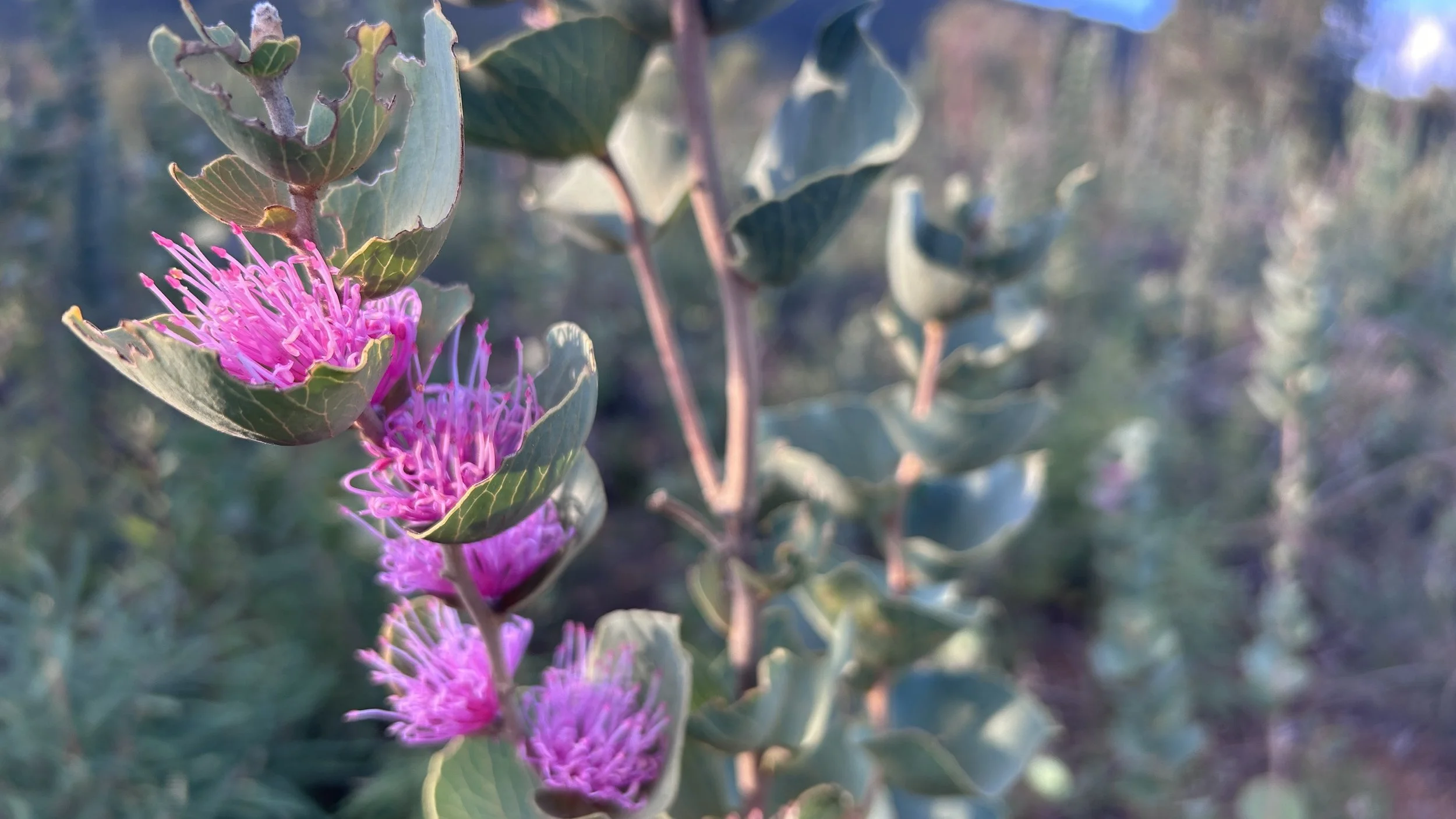
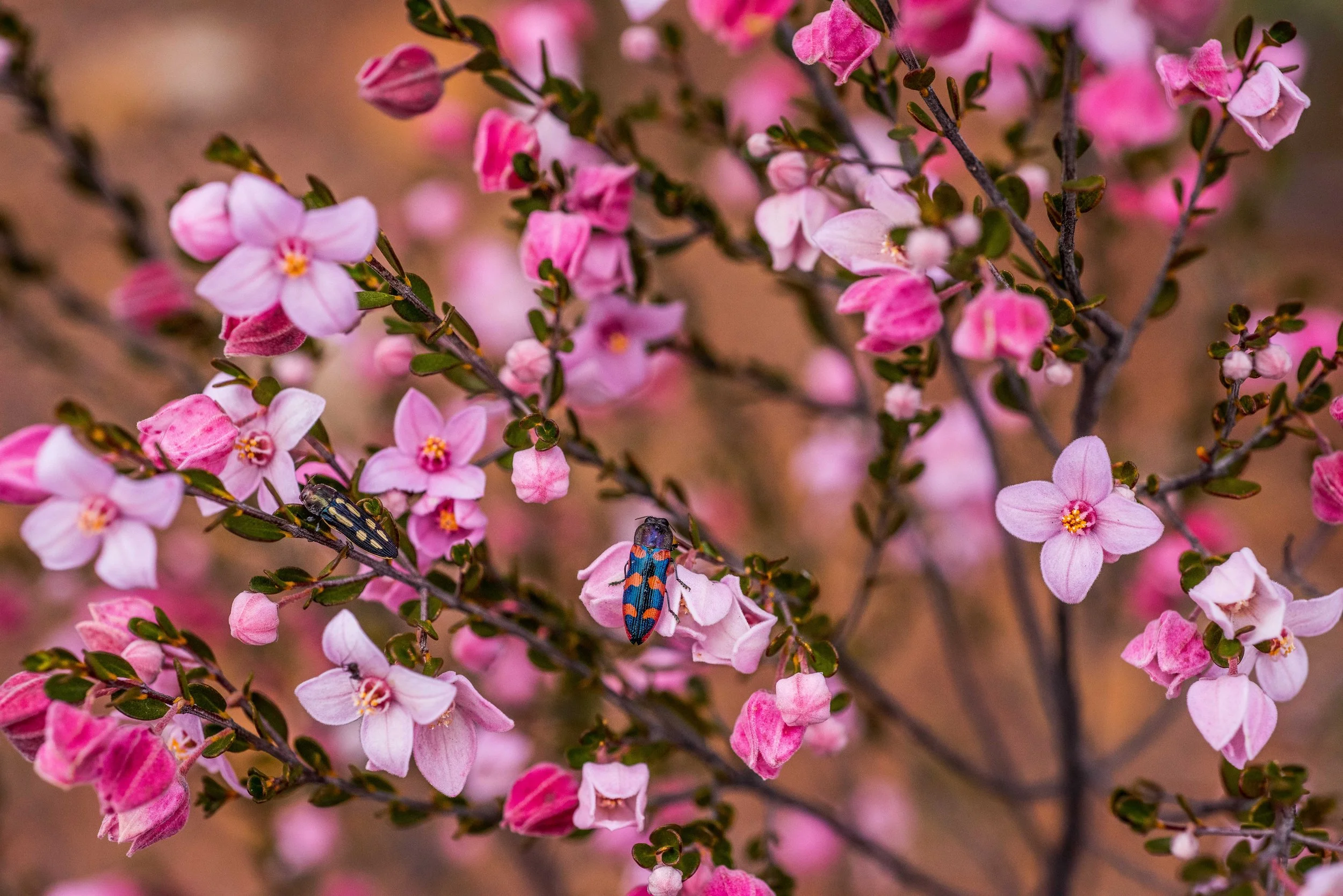
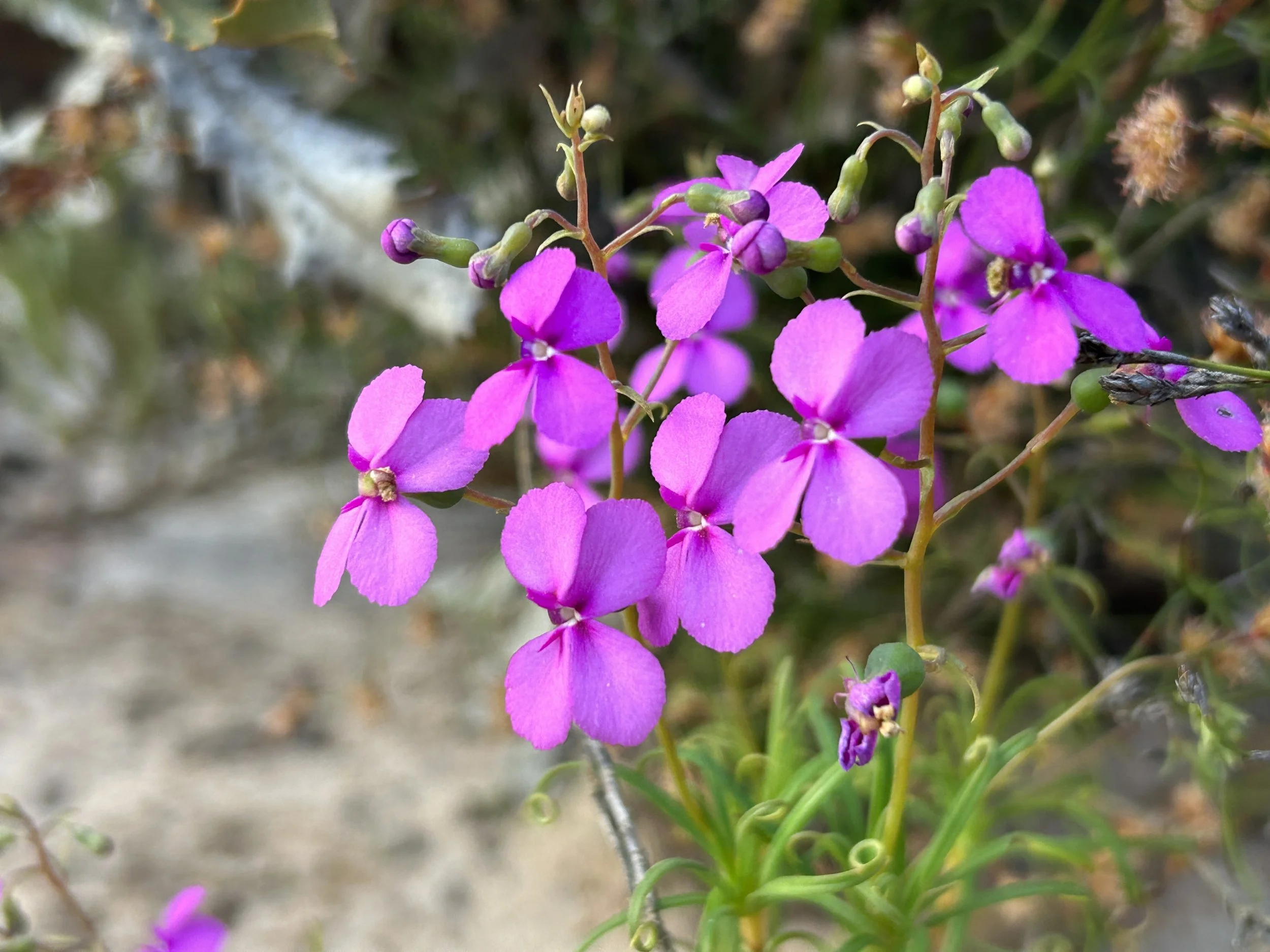
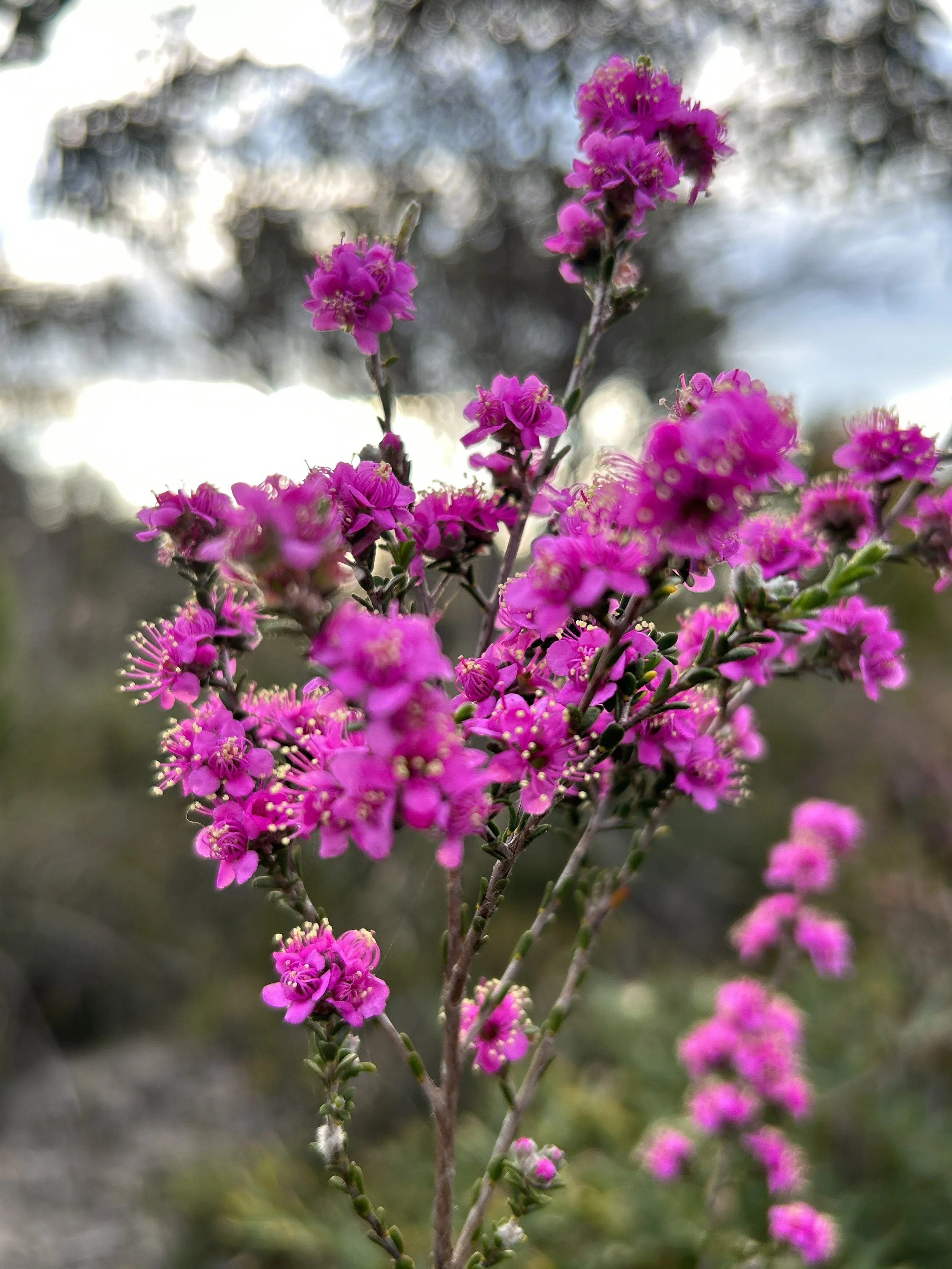
Look at these – would they capture your attention?
Would your attention wander from wildflower to wildflower feeling the effect of the aesthetic beauty?
Would they enable a lightening of the mental load carried on whatever you might have been working on until that moment?
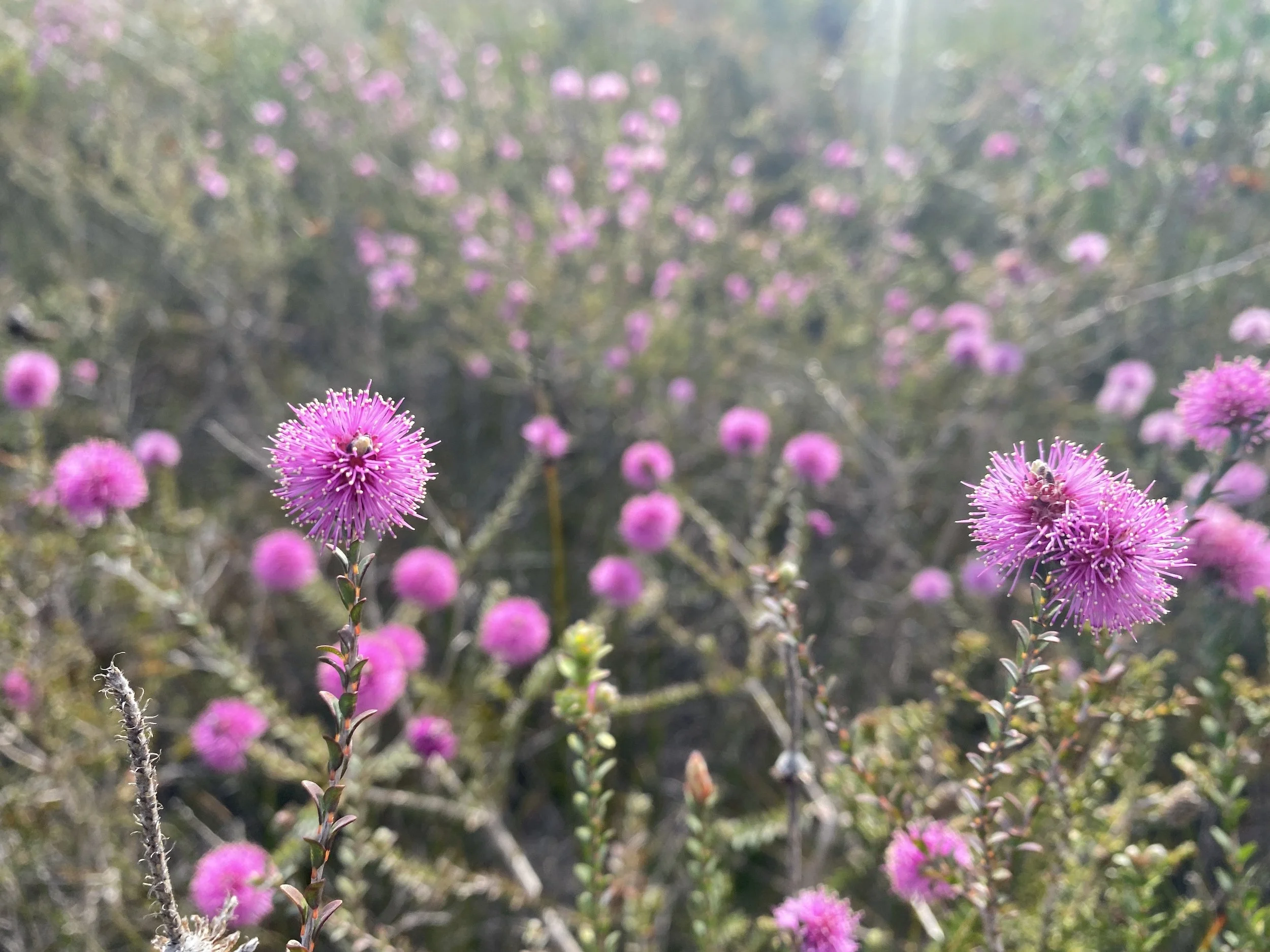
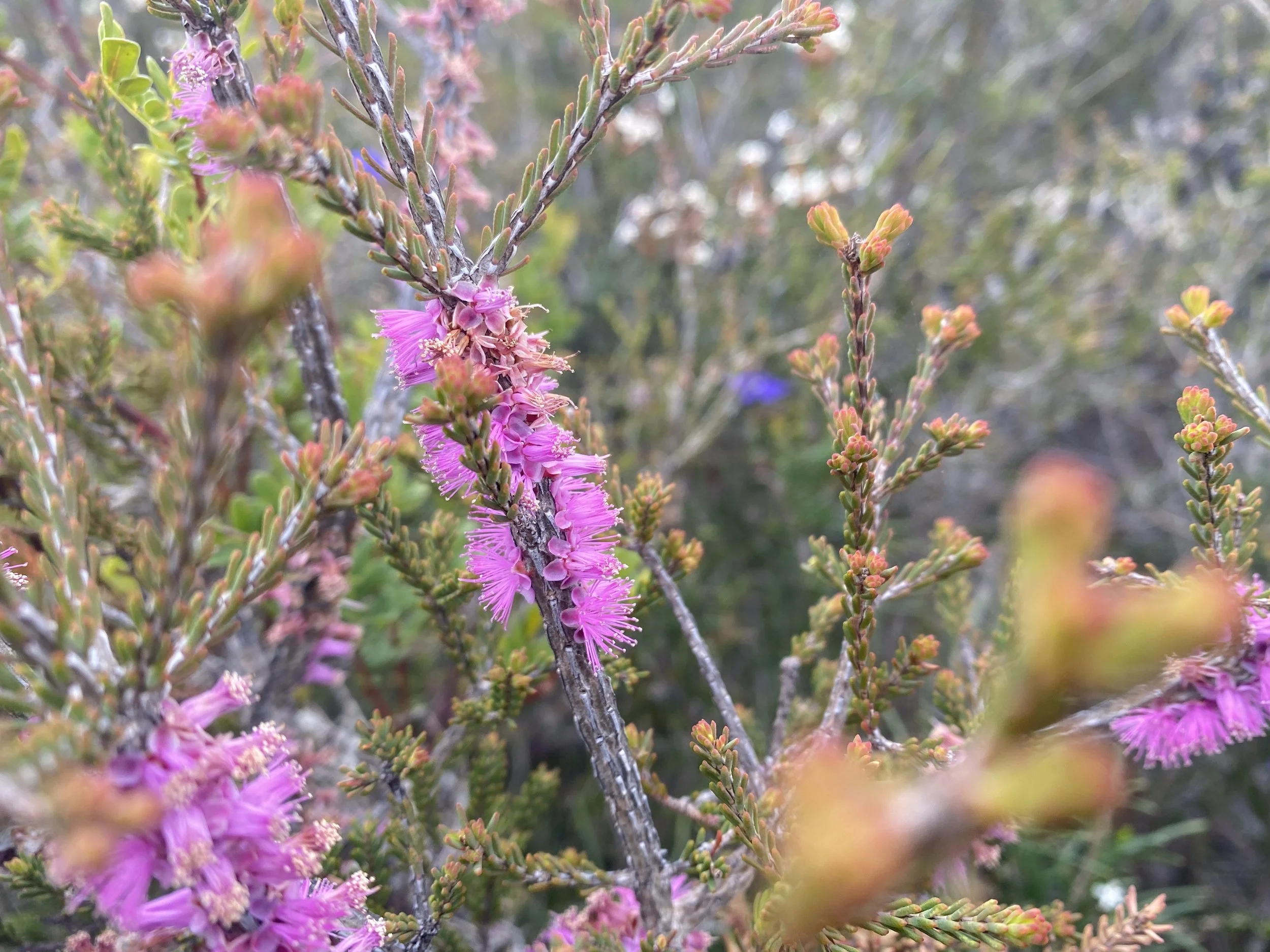
Melaleuca sp
Melaleuca suberosa
Hakea Cuculatta
Boronia
Stylidium sp
Kunzea sp

2.     Being Away – being away from the habitual stressors, experiencing unfamiliar surroundings and different stimuli can be restorative.

We get used to a certain daily experience and when we change this, especially in nature, it can help our brain relax and reset.
We don’t spend enough time in nature, so most natural settings are unfamiliar to us.
Even looking at a pot plant, a nature video, or an image of a lake and sunset on a wall can have some effect.

Professor Leroy talked about the art of retreating.

Taking ourselves away from the centre of activity, taking a step back to reassess, in effect, taking our eyes off the ball, not paying attention to anything in particular, but letting the mind be distracted by everything in general – so it can be unfettered to reassess, reconsider, reset and restore.
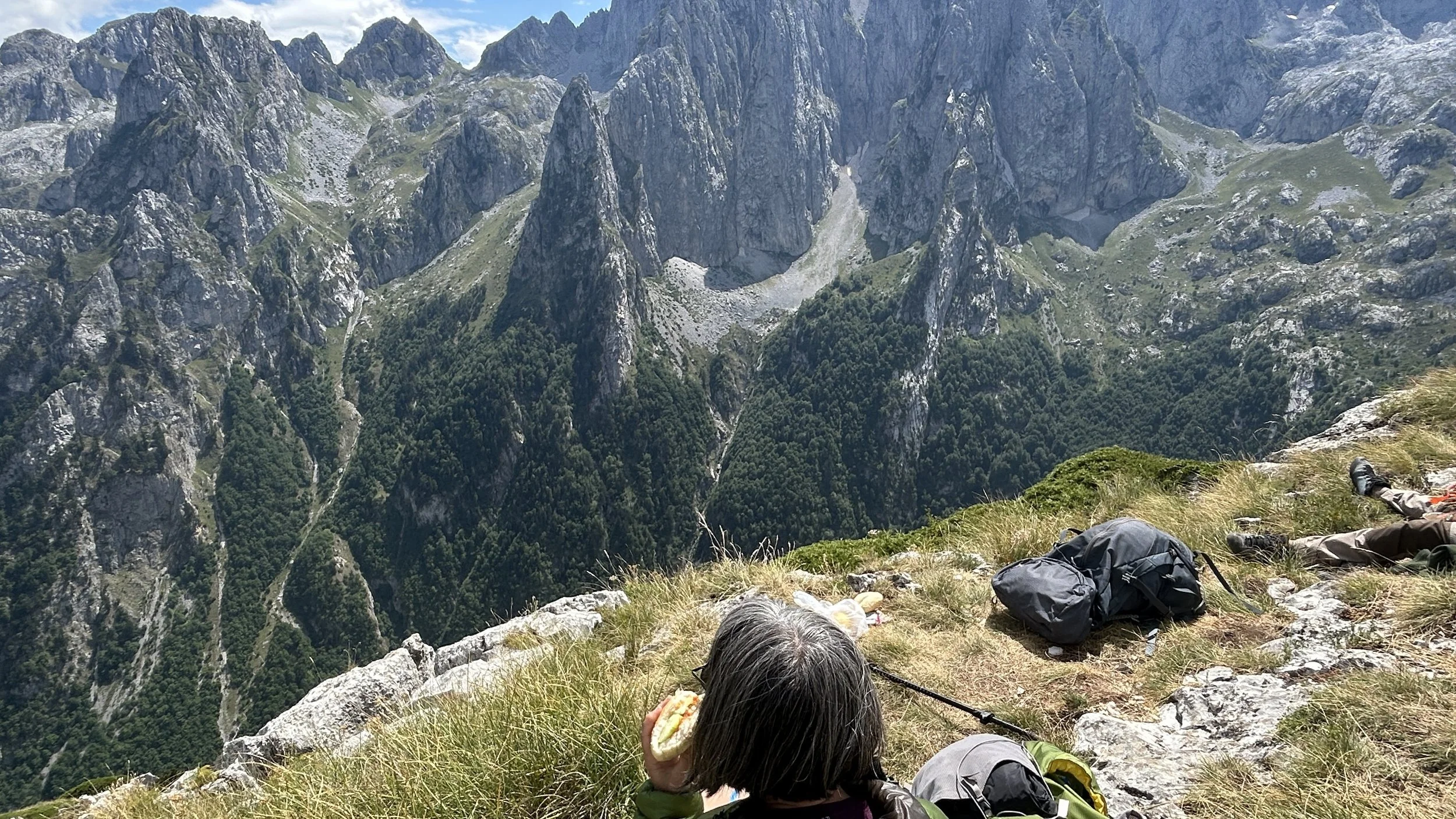
Not the usual lunch spot - I wander where her thoughts are going?

3.     Extent – the scope or range of the experience affects the impact – there is going to be more awe and immersion if the experience in a multi-day walk through remote wilderness full of visual vastness and richness, or if it is a few hours in a nearby park where there are lots of trees and birds but you can still hear the traffic.
Both are useful and beneficial; both are restorative, but there is a huge reset and restorative impact of prolonged time immersed in nature where you start to feel at one with the environment.

Where there is no end in sight to the freedom to wander.
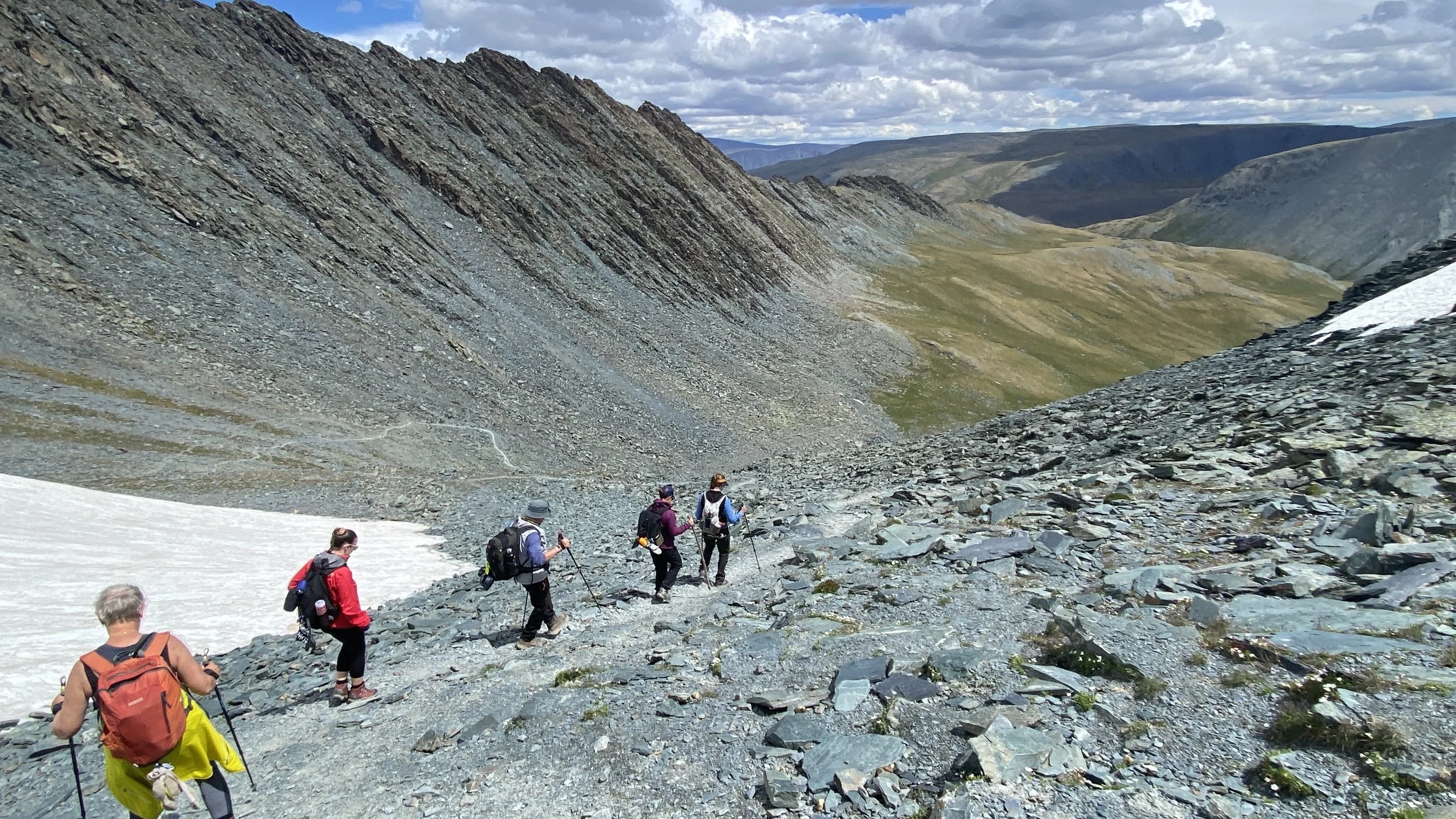
Not a single brain was left unaffected by the spectacle of this view.

4.     Compatibility – each individual has an affinity and motivation to be in nature and be impacted by it.

how much does the person want to be exposed to nature?
How much motivation do they intrinsically have to appreciate the time away?

As biophilic beings we are drawn to the natural fascinations we encounter in nature.

We ‘know’ it feels good to walk through a forest.
We ‘know’ it clears our head to go for a beach walk.
We ‘know’ taking time out is important to get perspective.

However, increasingly research is showing us that it’s this combination of 4 factors - often present when we take ourselves to pristine and natural environments - that lead to “involuntary” or “indirect attention” allowing our brains and their creative and problem solving functions, among others, to be restored.

Fan, J., B. D. McCandliss, T. Sommer, A. Raz, and M. I. Posner. 2002. Testing the efficiency and independence of attentional networks. Journal of Cognitive Neuroscience14:340–47. doi:10.1162/089892902317361886.

Kaplan, S. 1995. The restorative benefits of nature: Toward an integrative framework. Journal of Environmental Psychology 15:169–82. doi:10.1016/0272-4944(95)90001-2.

Leroy, H., Rofcanin, Y., Ogbonnaya, C., Benischke, M. H., & Fainshmidt, S. (2025). The Devil is in the Details: Zooming out in Leadership Research. Journal of Management Studies. Advance online publication. https://doi.org/10.1111/joms.70013

Staats, H. 2012. Restorative environments. In The Oxford handbook of environmental and conservation psychology, ed. S. Clayton, 445–58. New York, NY: Oxford University Press.Natural environments have been consistently found to be conducive to creative performance.
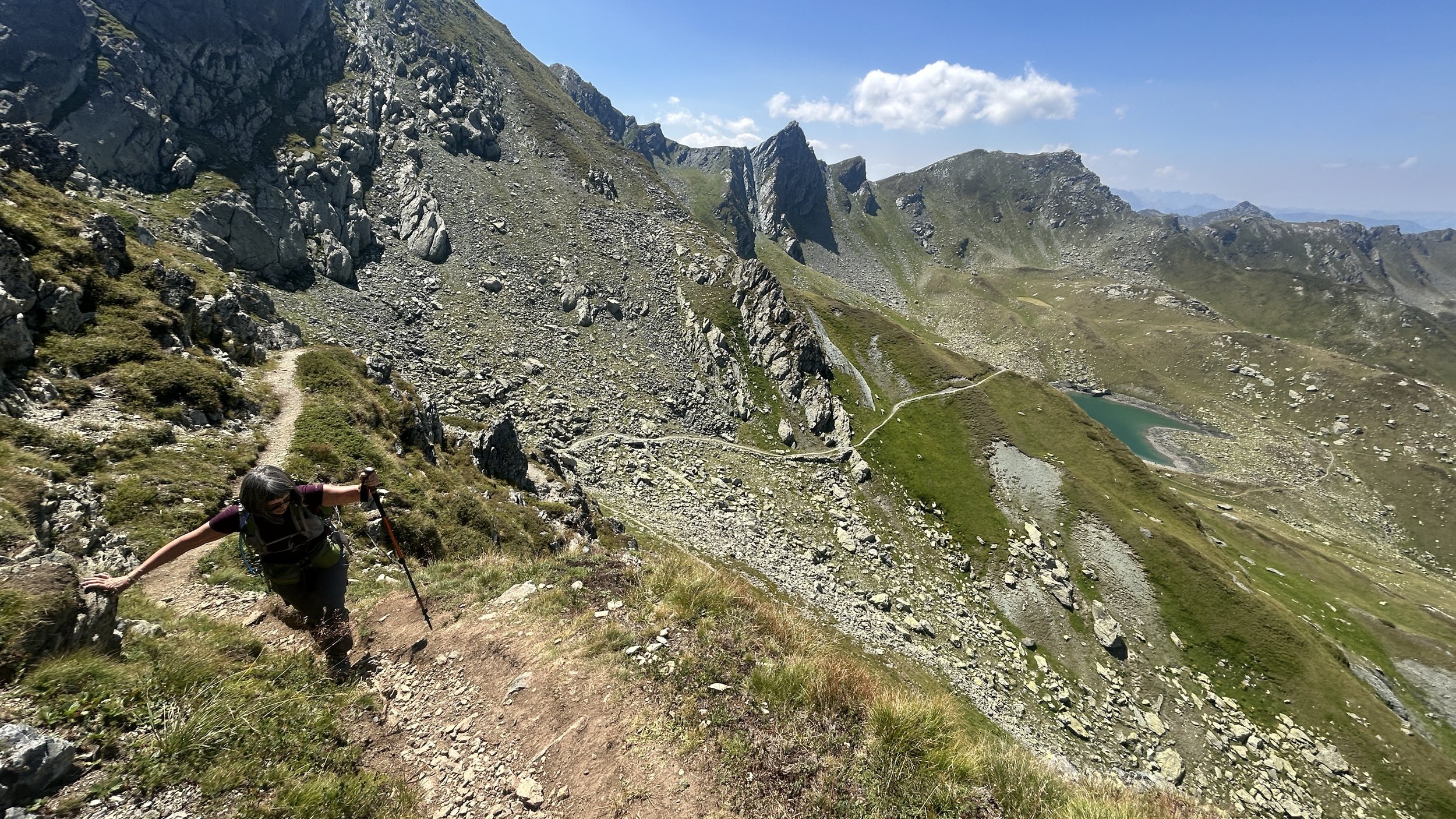
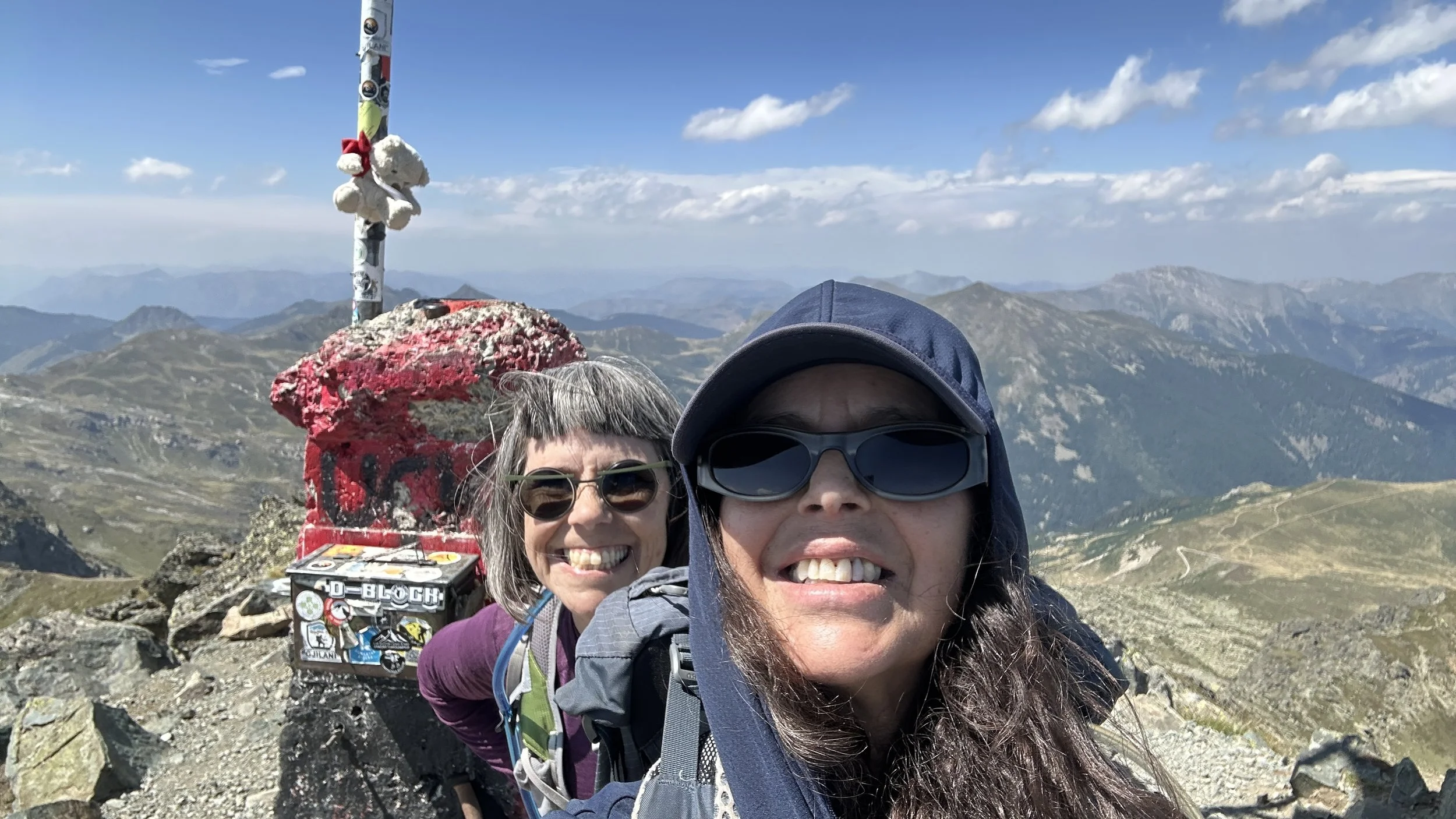
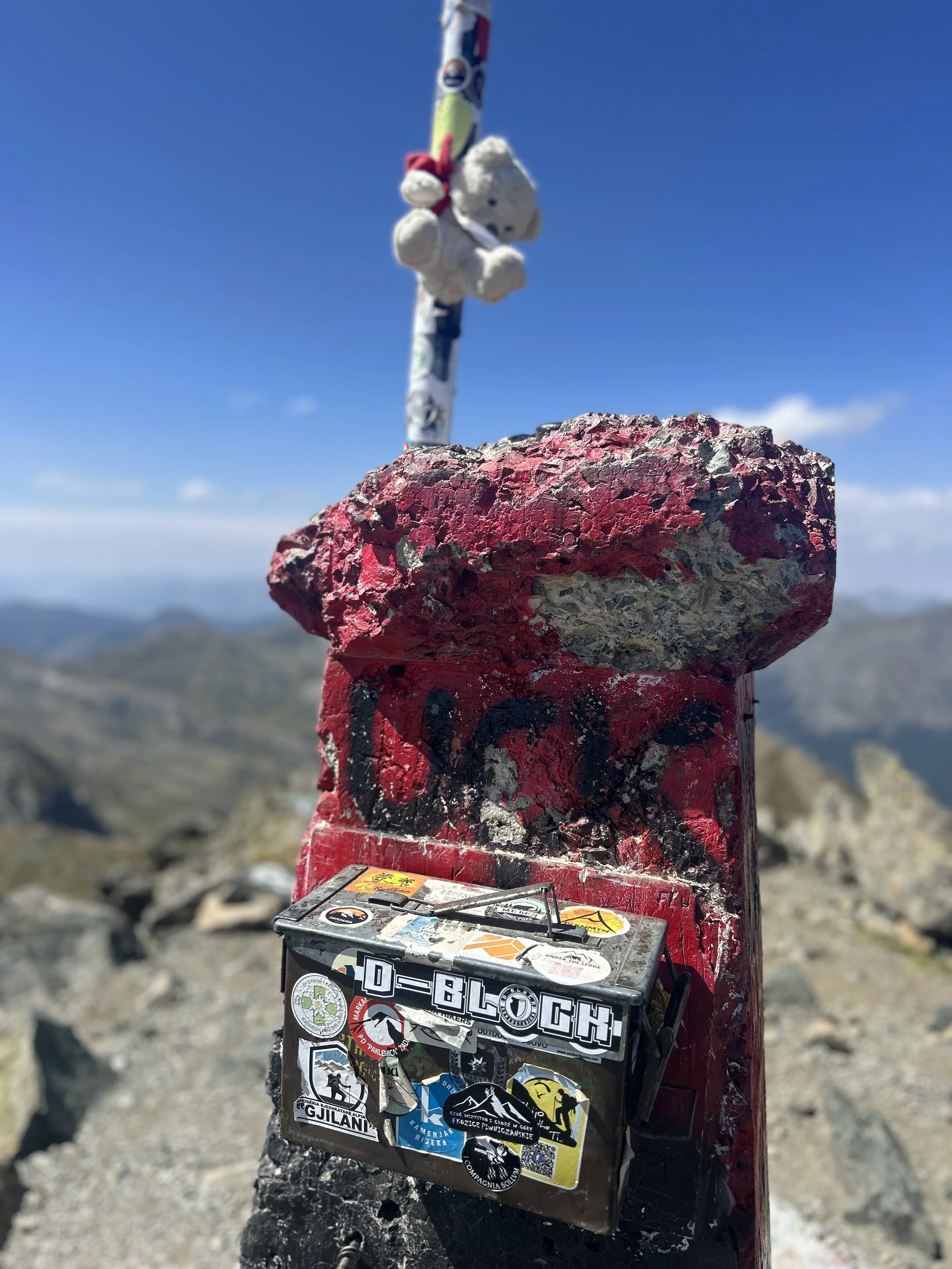
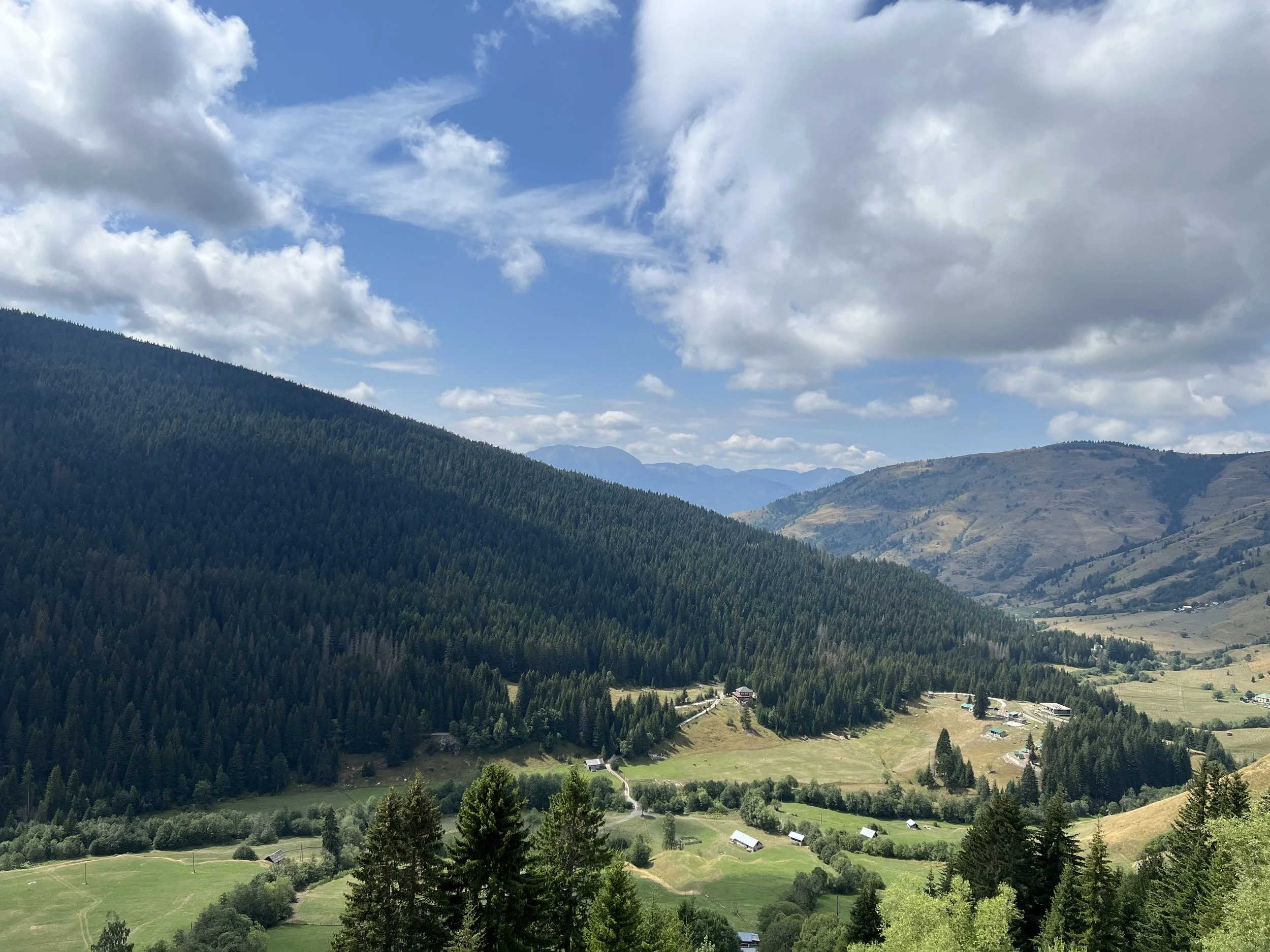
On the way to summit Gjeravica Peak, in Kosovo, near the border with Albania.

The Peaks of the Balkans - a day by day photo journey

October 18, 2025

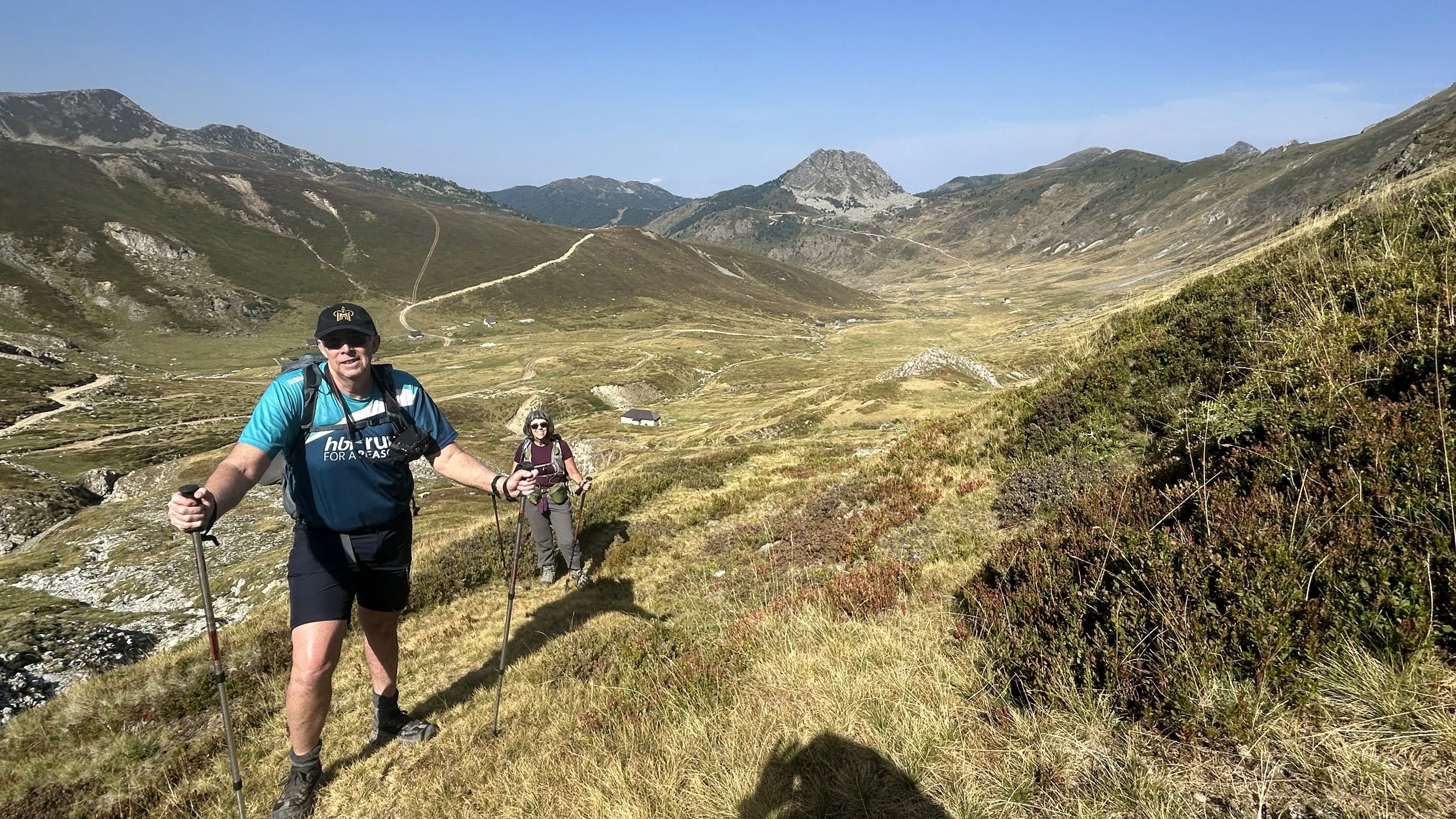
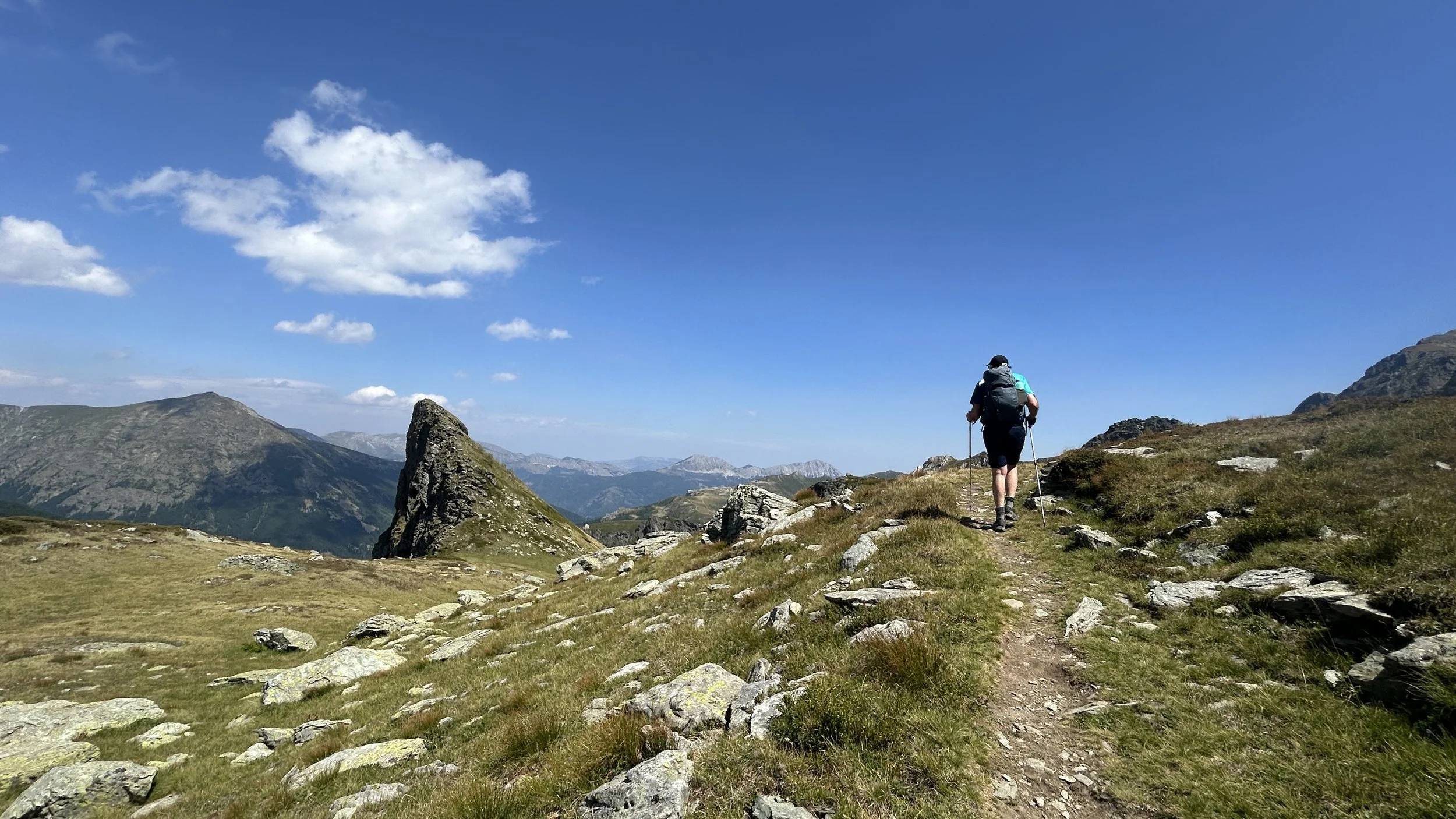
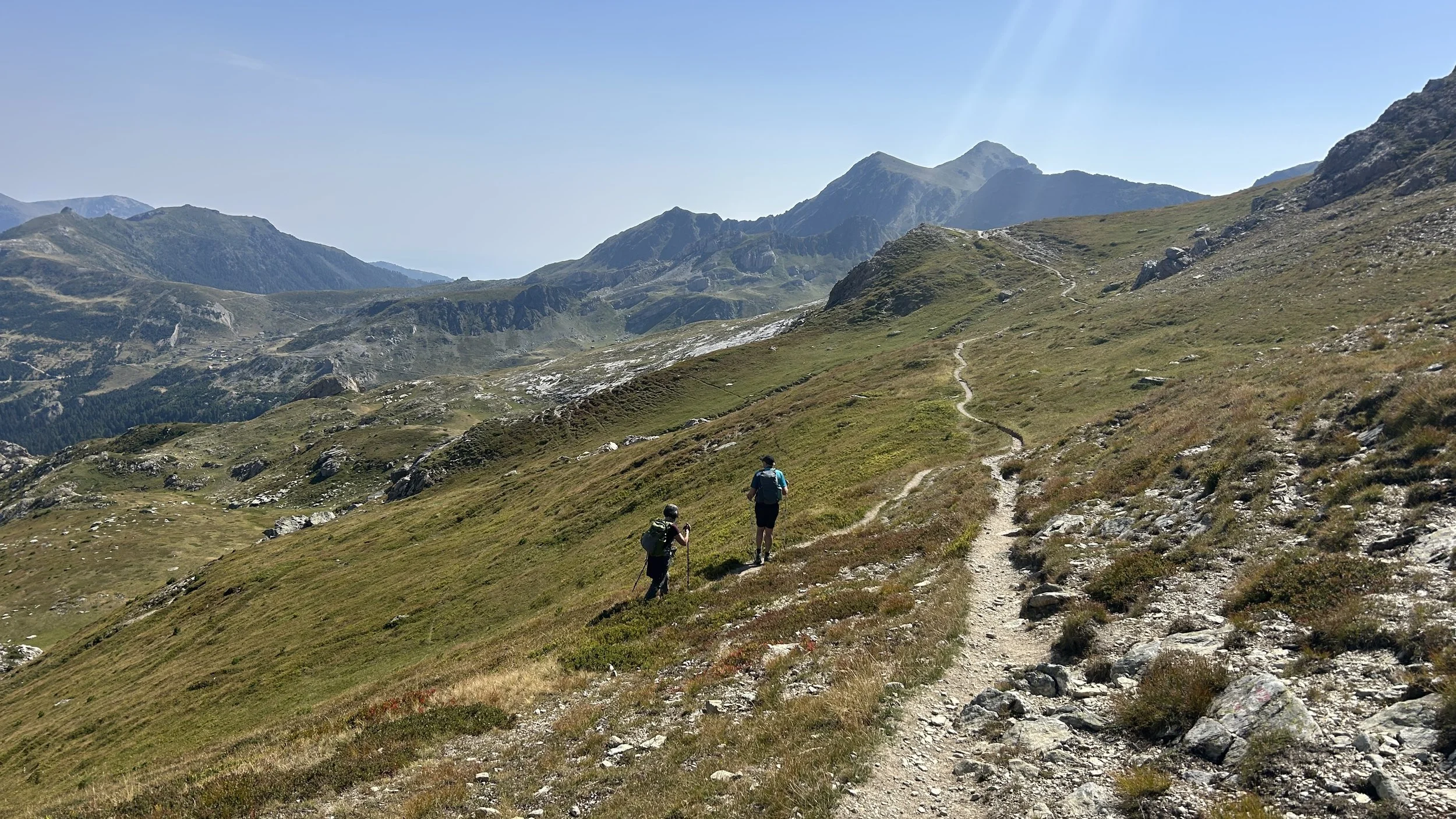
The Peaks of the Balkans is a 190 km circular mountain trail across Albania, Montenegro and Kosovo.

Established in 2012 as part of a peace project, the trail is now a unique hiking experience that has united the post-war region through an immersive, wilderness hiking adventure through a section of the Dinaric Alps, also referred to as the ‘Accursed Mountains’. It crosses a number of national parks including the Prokletije National Park and the Valbona Valley National Park.

DAY 1 & 2 - Skhöder

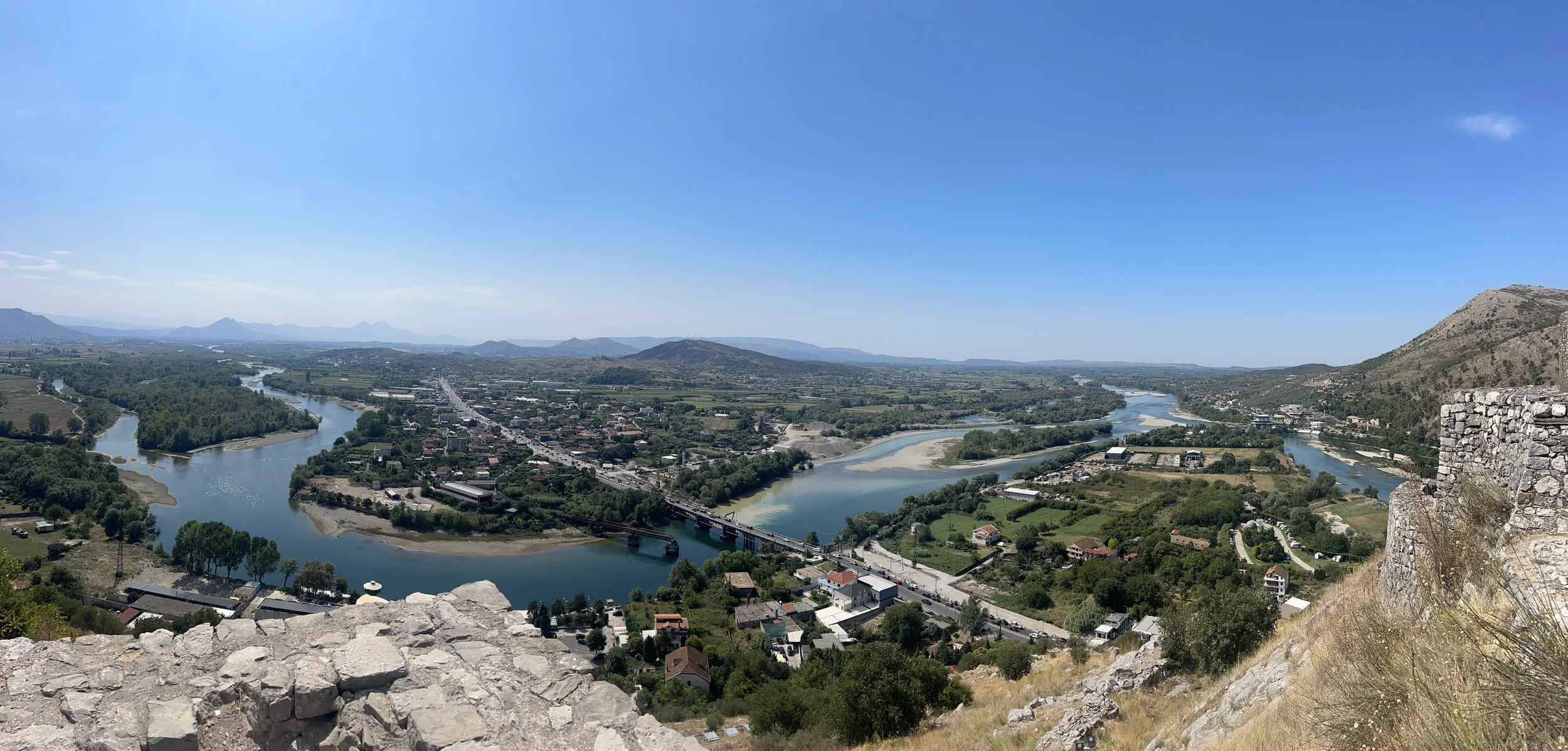
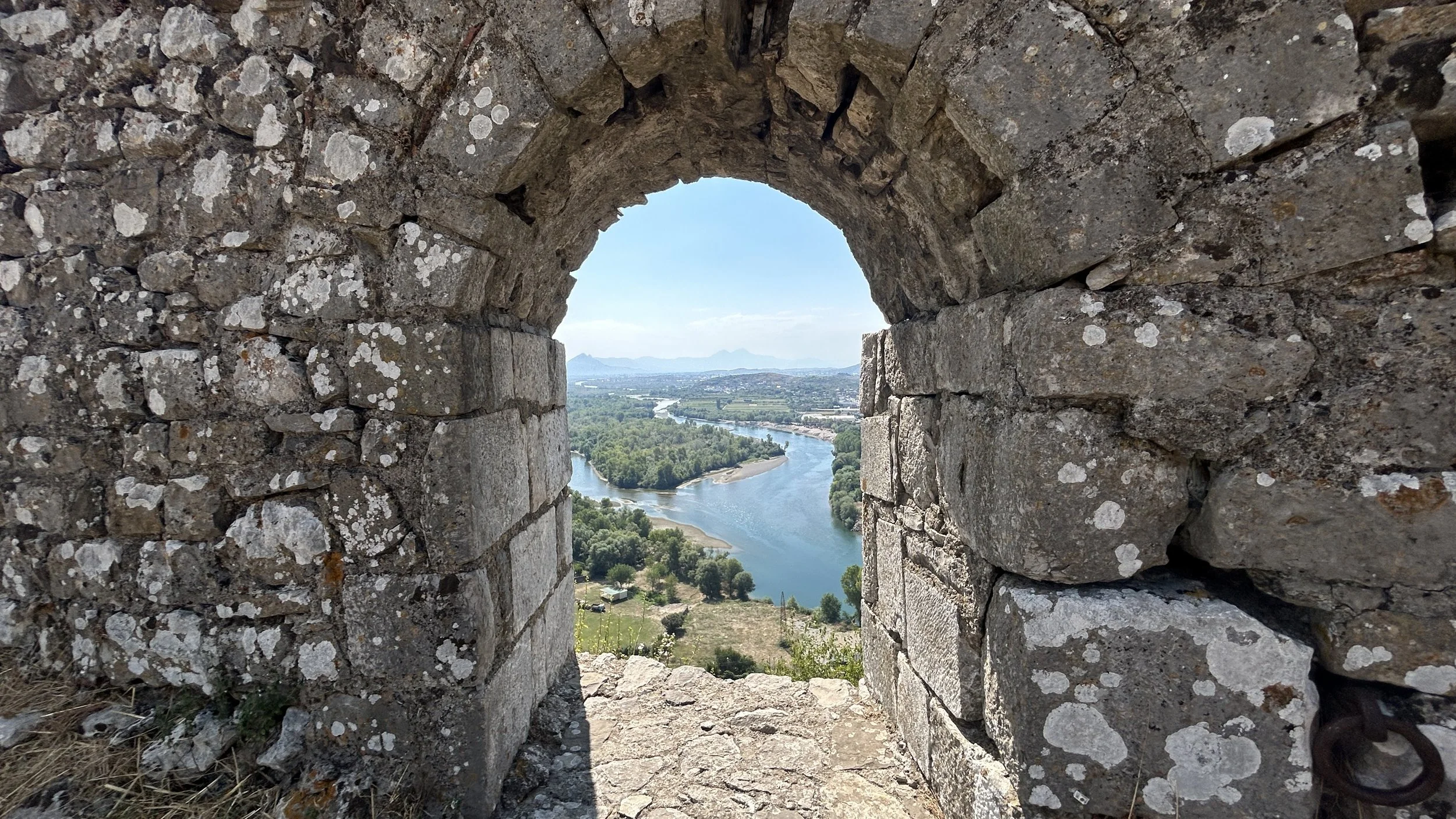
View of Tuna and Drin Rivers from Rozafa Castle in Skhöder.

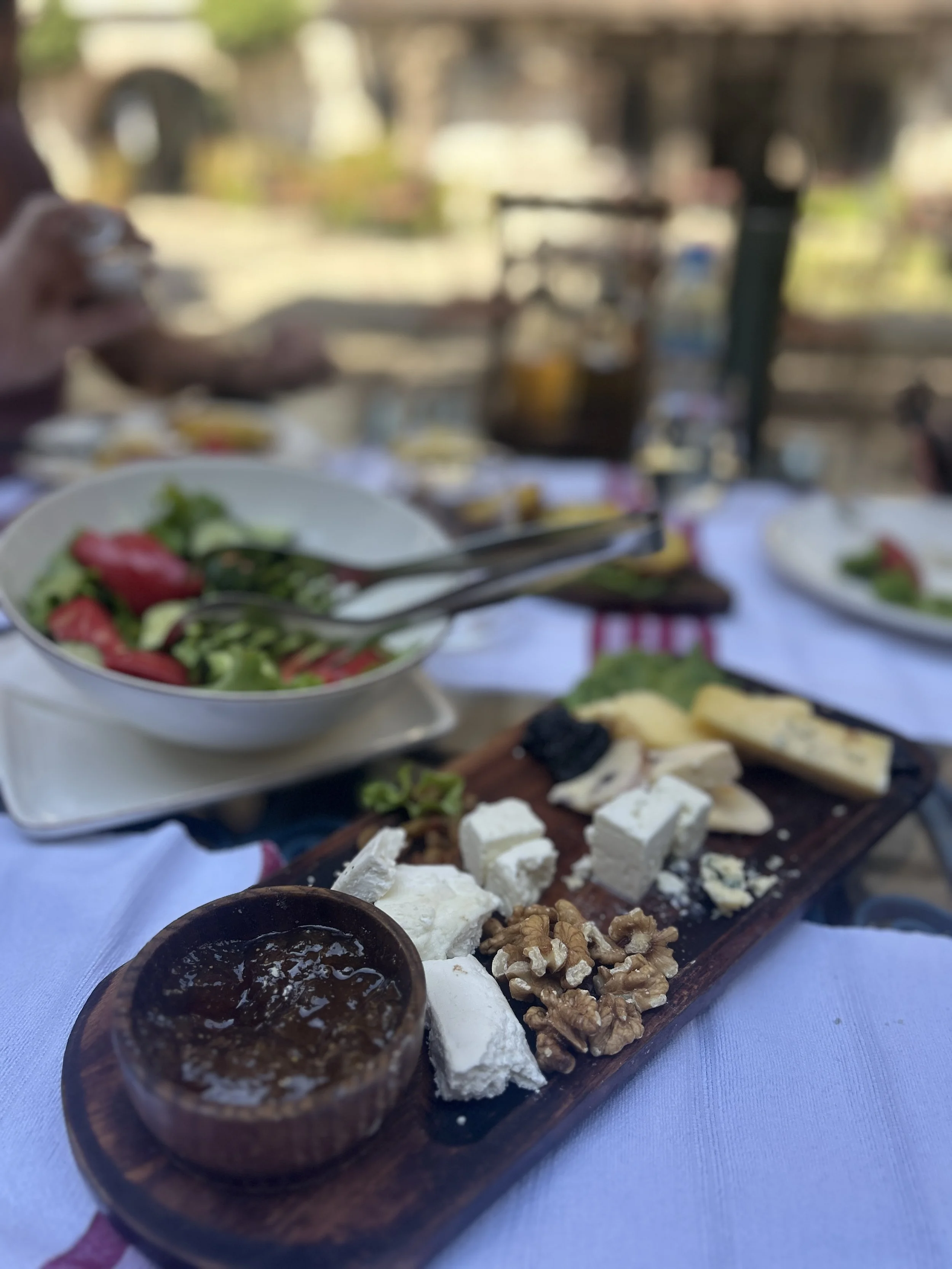
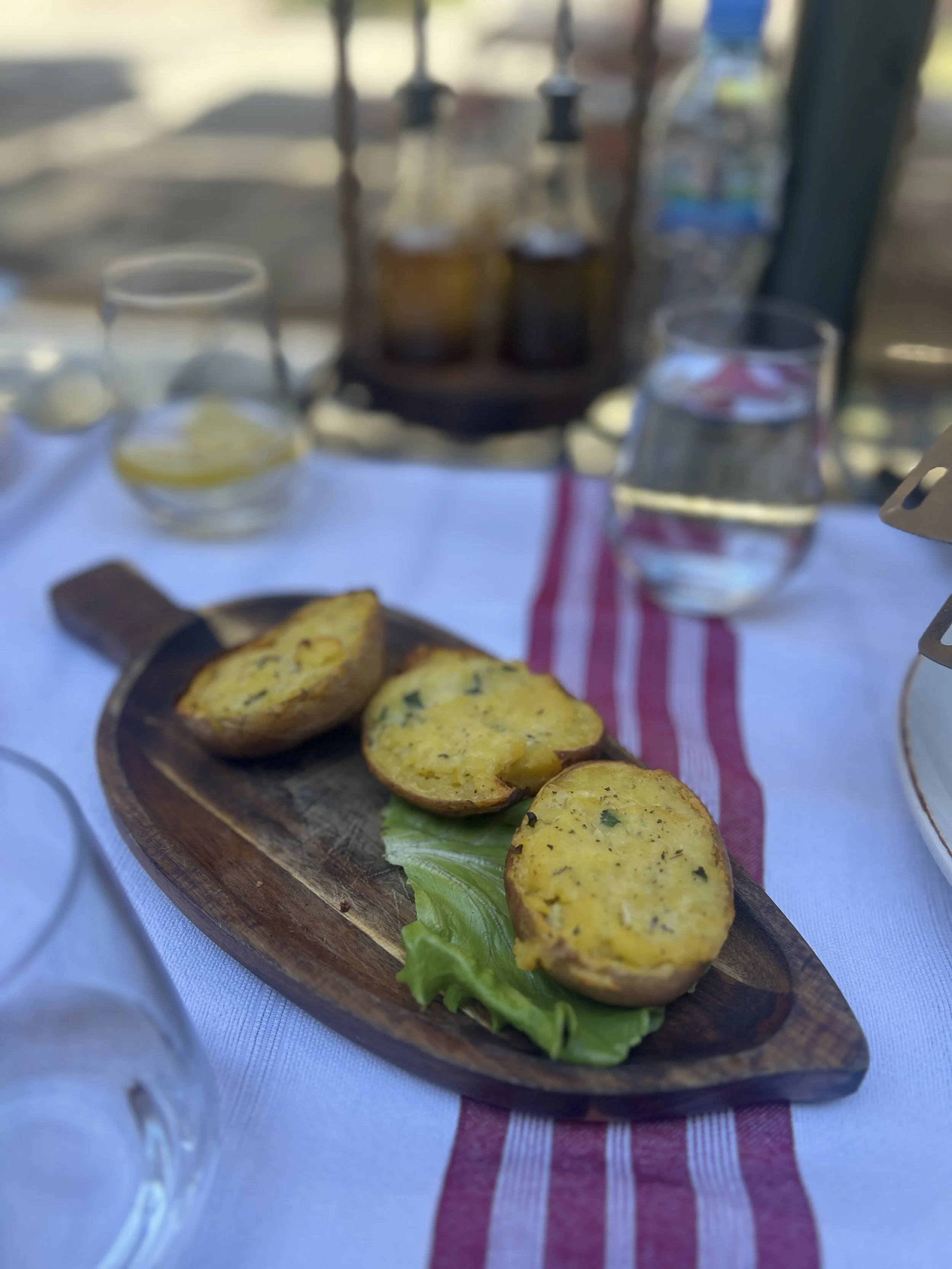
We transfer from Tirana to Skhöder where we we stay at the Hotel Tradita, a lo0cal household name for tradition, hospitality and delicious local food. We walk around its famous castle, the historical centre and enjoy the lively nightlife and music before we set off to the Theth.

Day 3 - Theth & Blue Eye

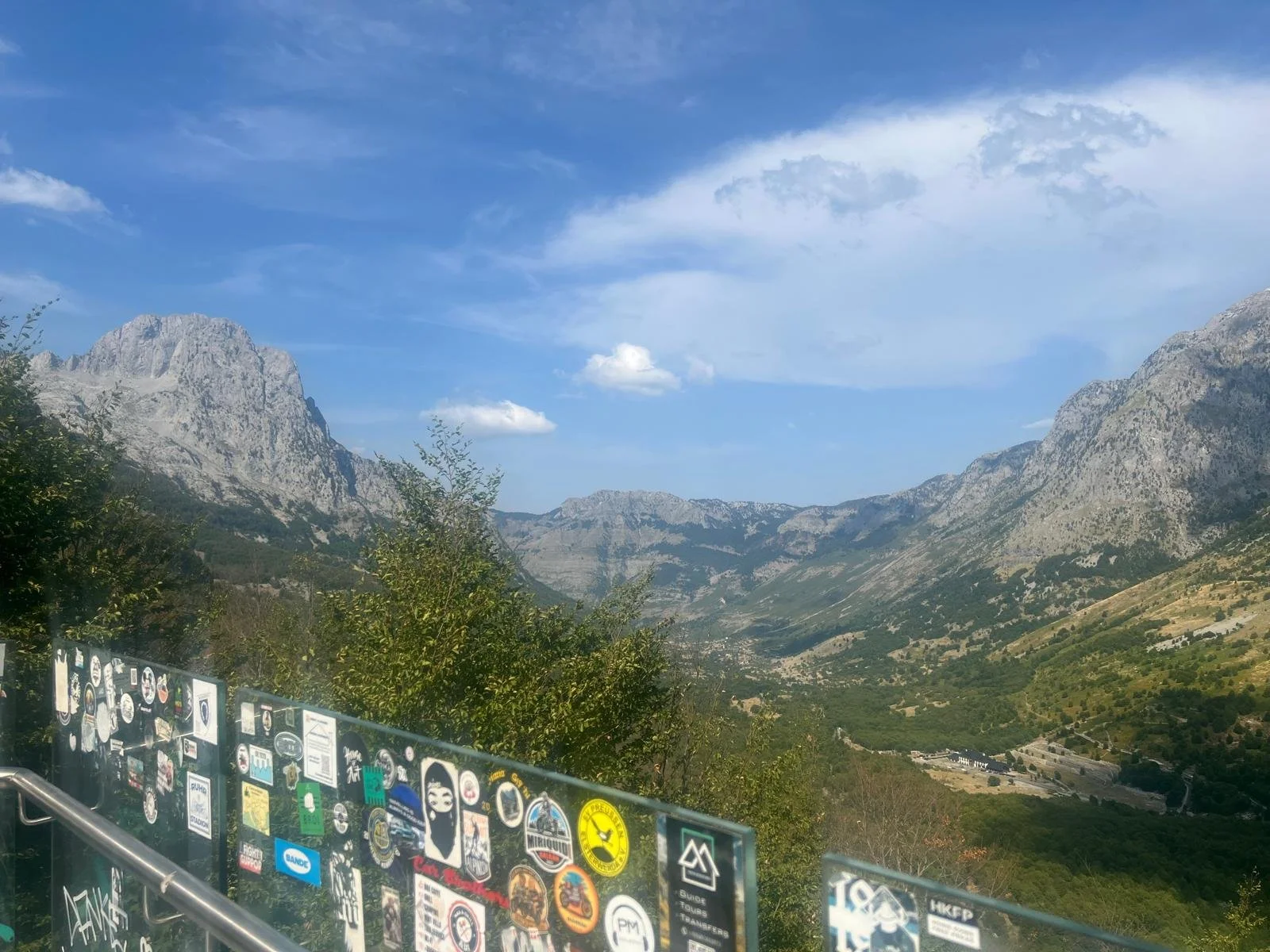
On the drive from Tirana to Theth the views are a great preview of what’s to come!

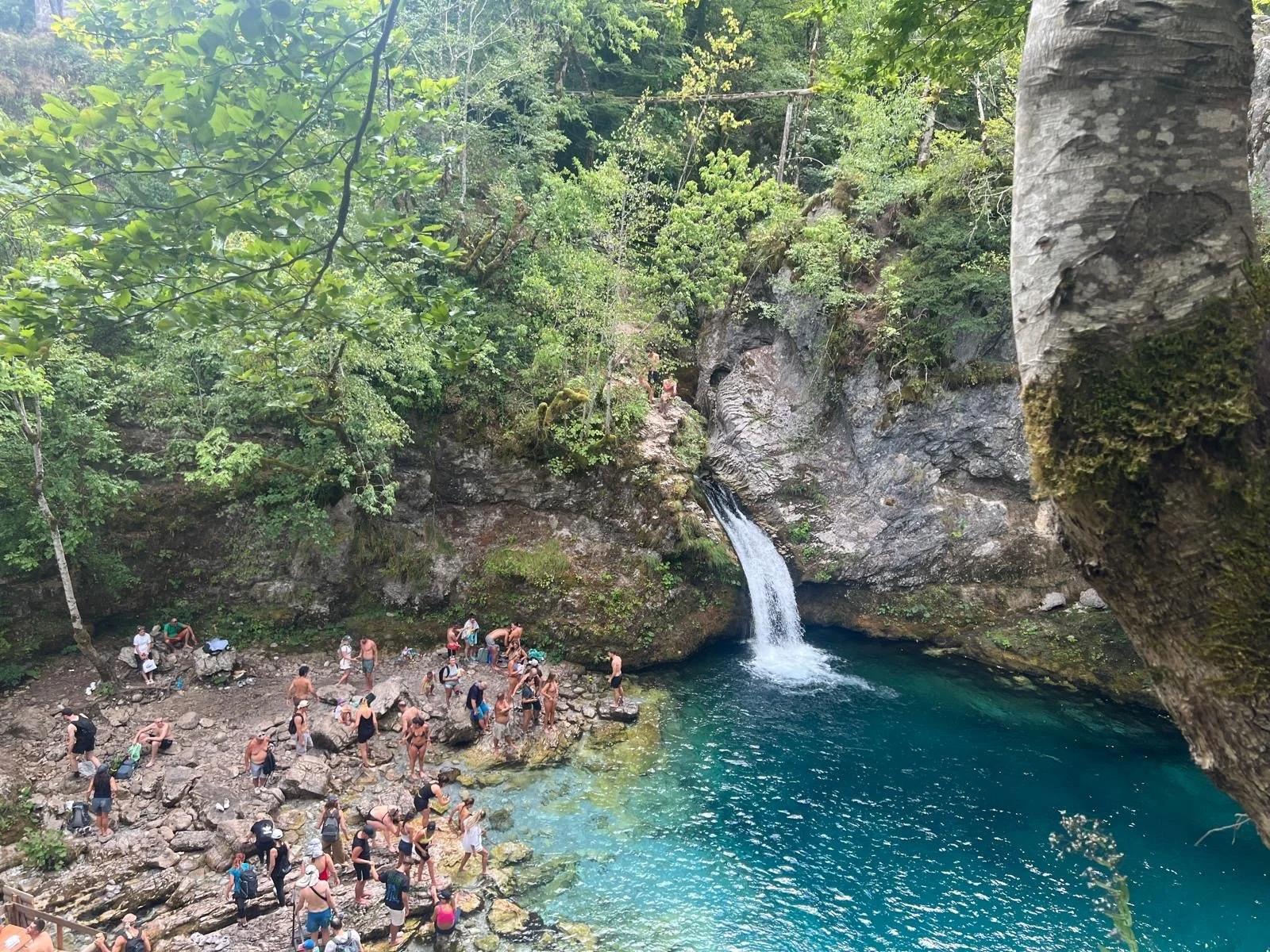
The ‘Blue Eye’ Waterfall - a popular watering hole near Theth where our walking adventure begins.

Depending on the traffic the drive from Tirana to Theth in a private car is about 2 hours. On the way, we’ll get panoramic glimpses of the mountains.

Peaks of the Balkans 2025 186.JPG
Peaks of the Balkans 2025 190.JPG
Peaks of the Balkans 2025 189.JPG
Peaks of the Balkans 2025 188.jpg
Peaks of the Balkans 2025 202.jpg
Peaks of the Balkans 2025 197.jpg

DAY 4 - Theth to Valbone - 18 km

The first day of walking follows a track from Theth to the valley of Valbone. This is the busiest section of the whole trail - many day walkers hike this section before catching a ferry back to Skhoder.
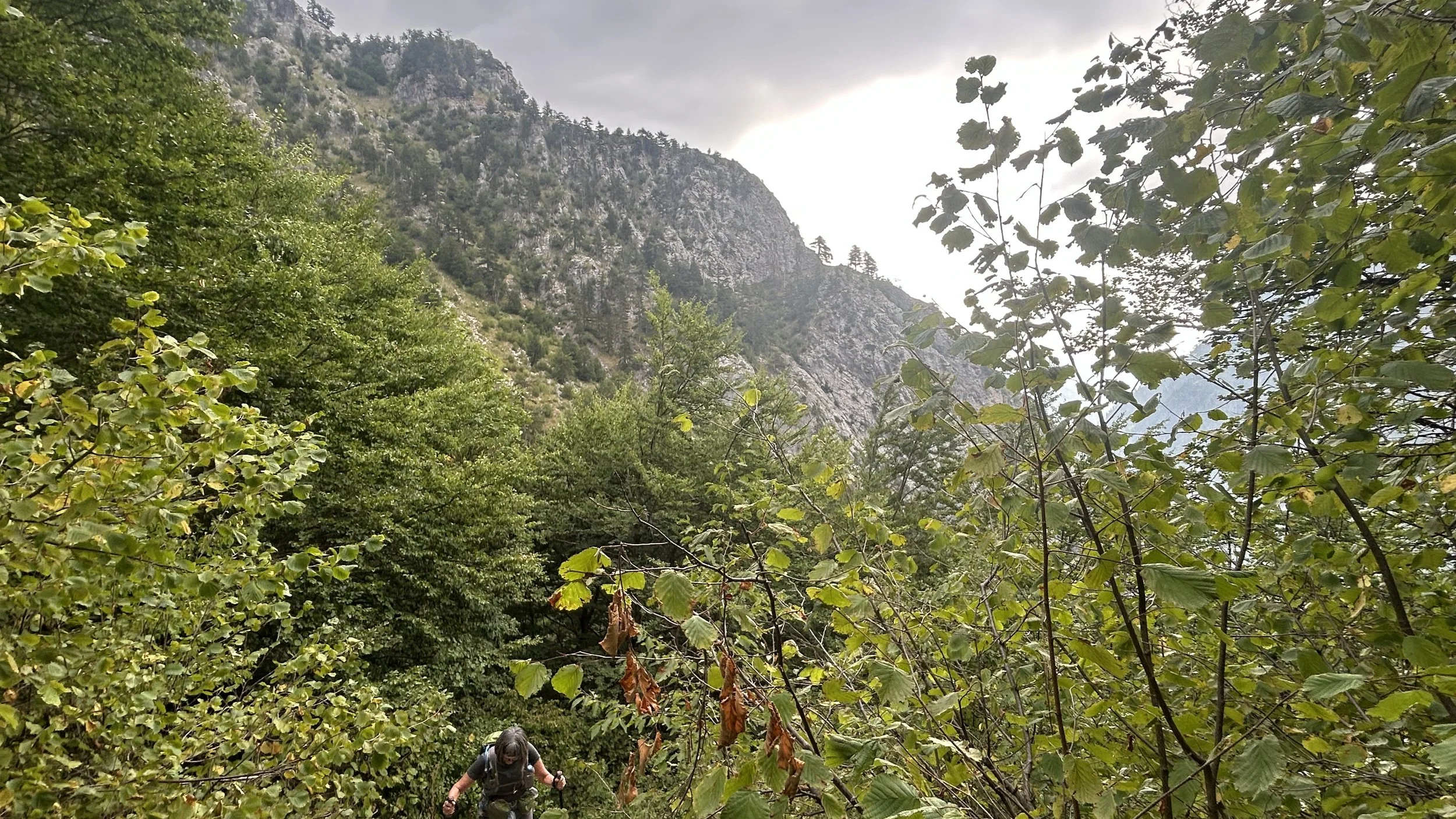
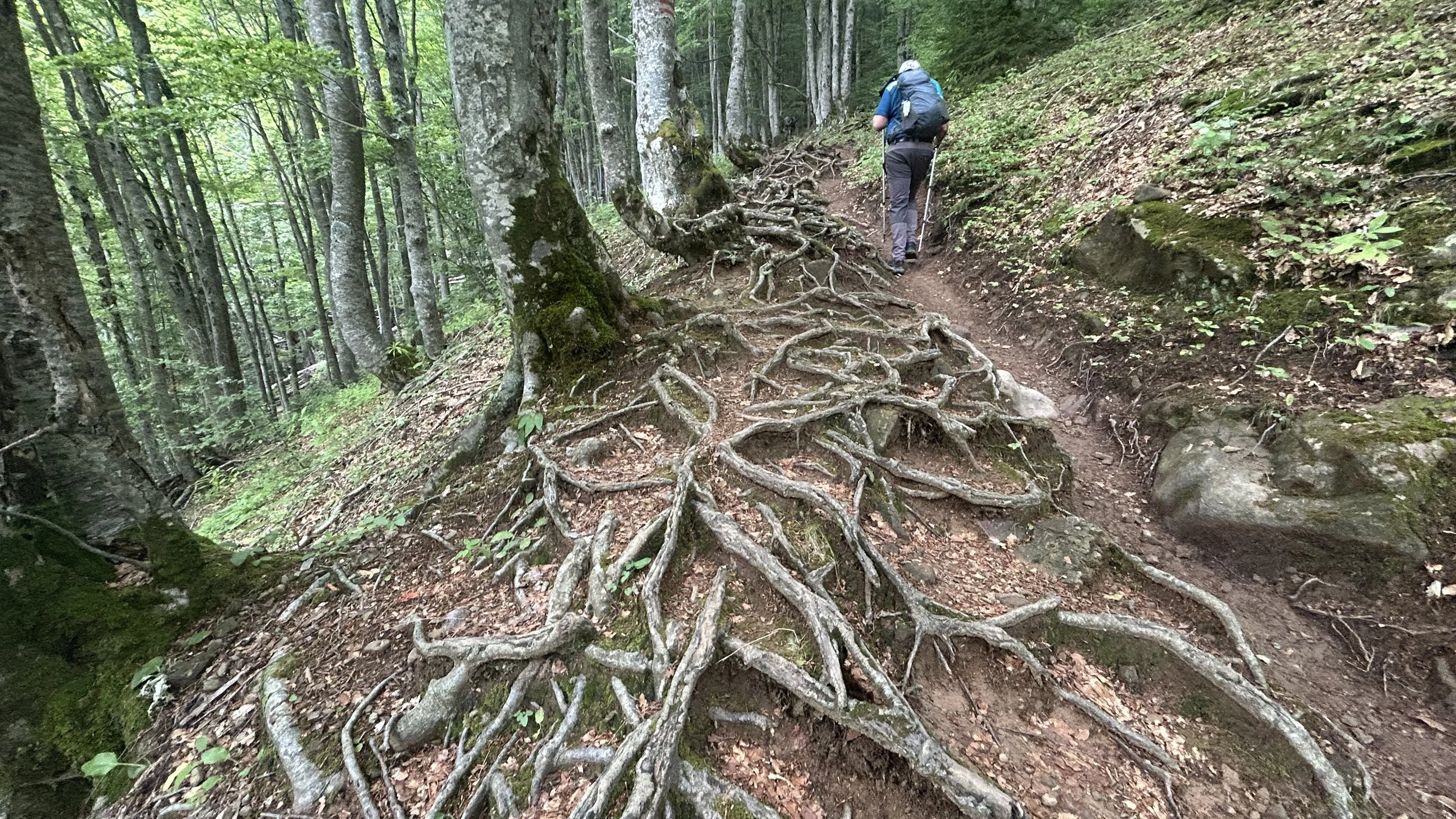
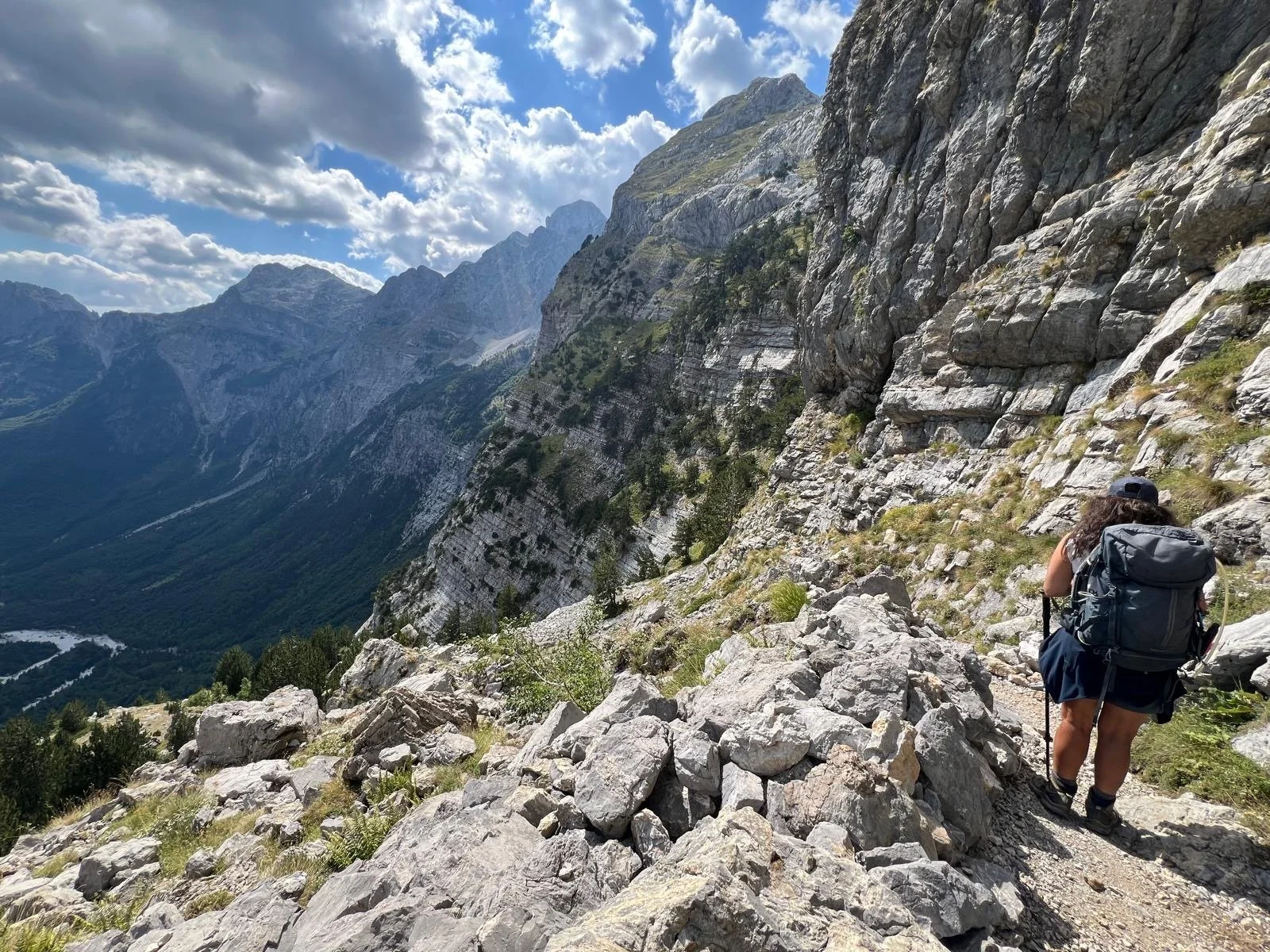
It starts in the beech forest above Theth and follows a mule track all the way up the edge of the mountain to the Valbone Valley.
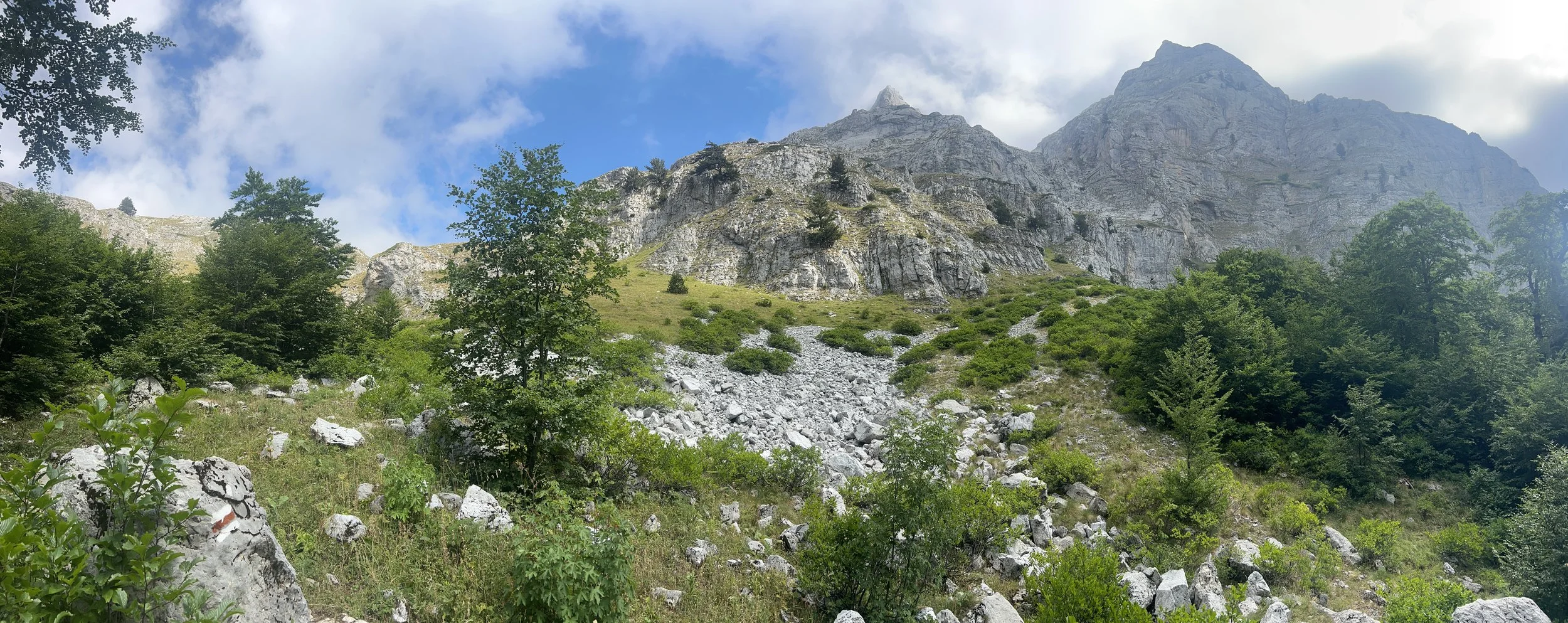
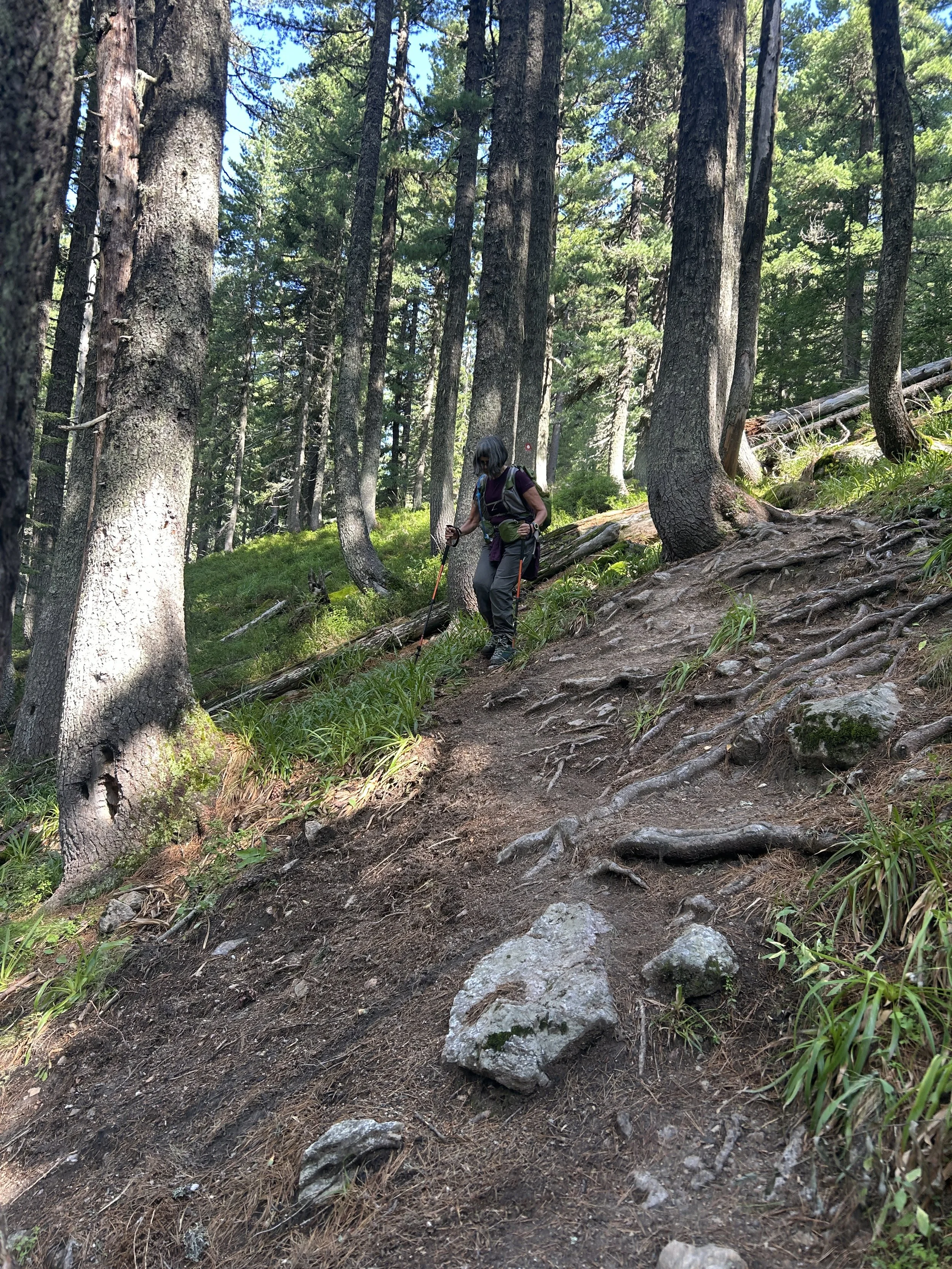
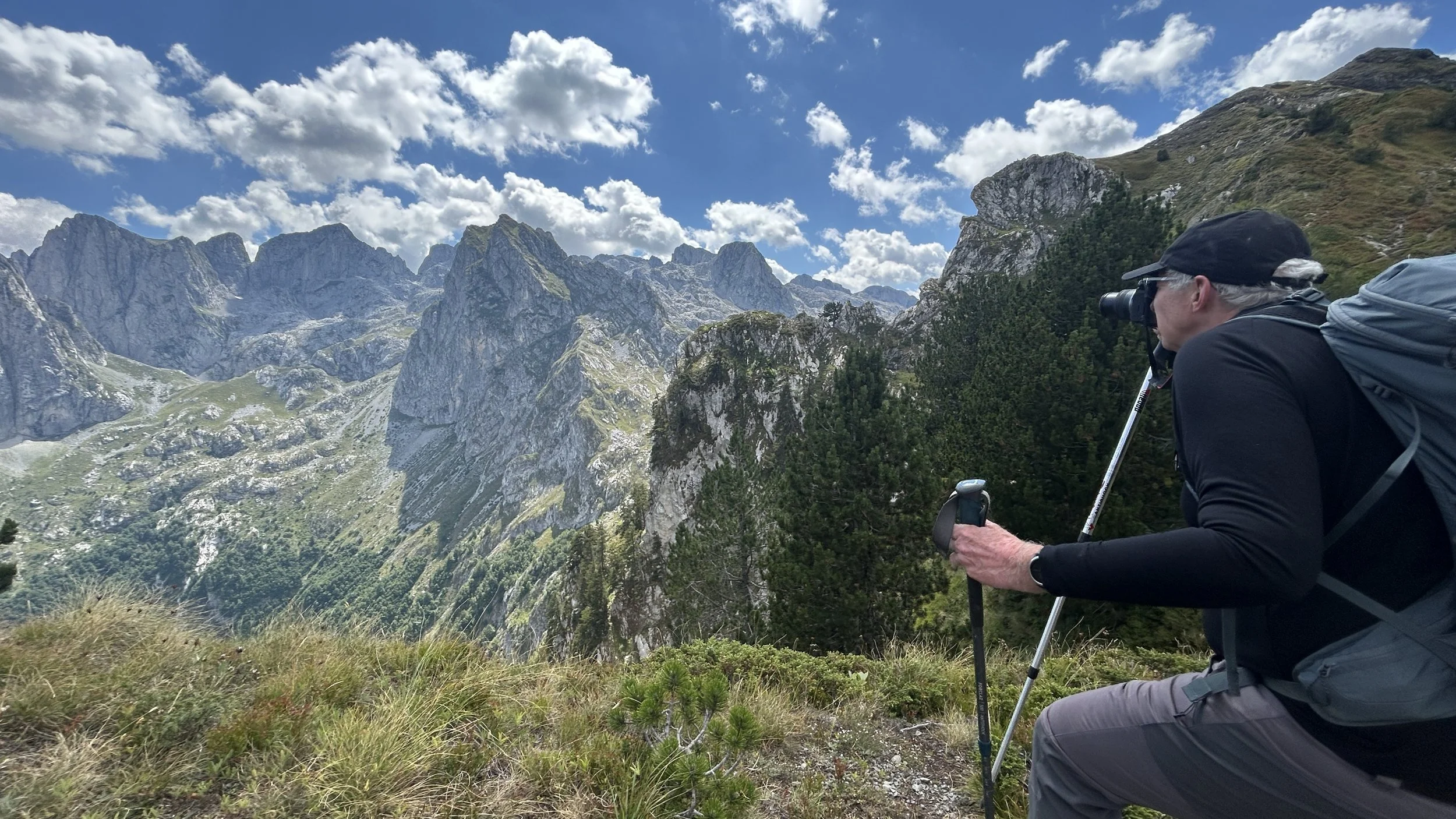
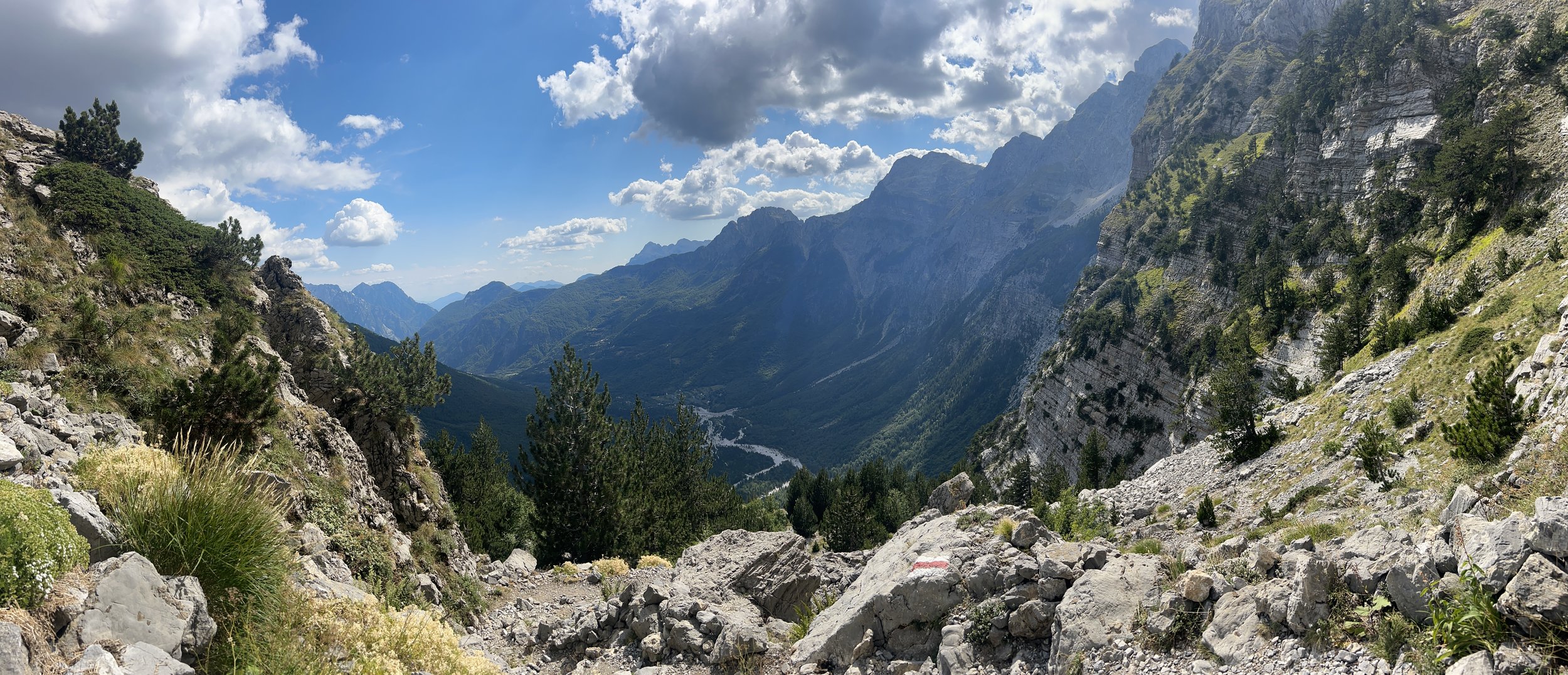
The views of the rugged peaks are spectacular and the descent through the pine forest also a beautiful way to end the day.

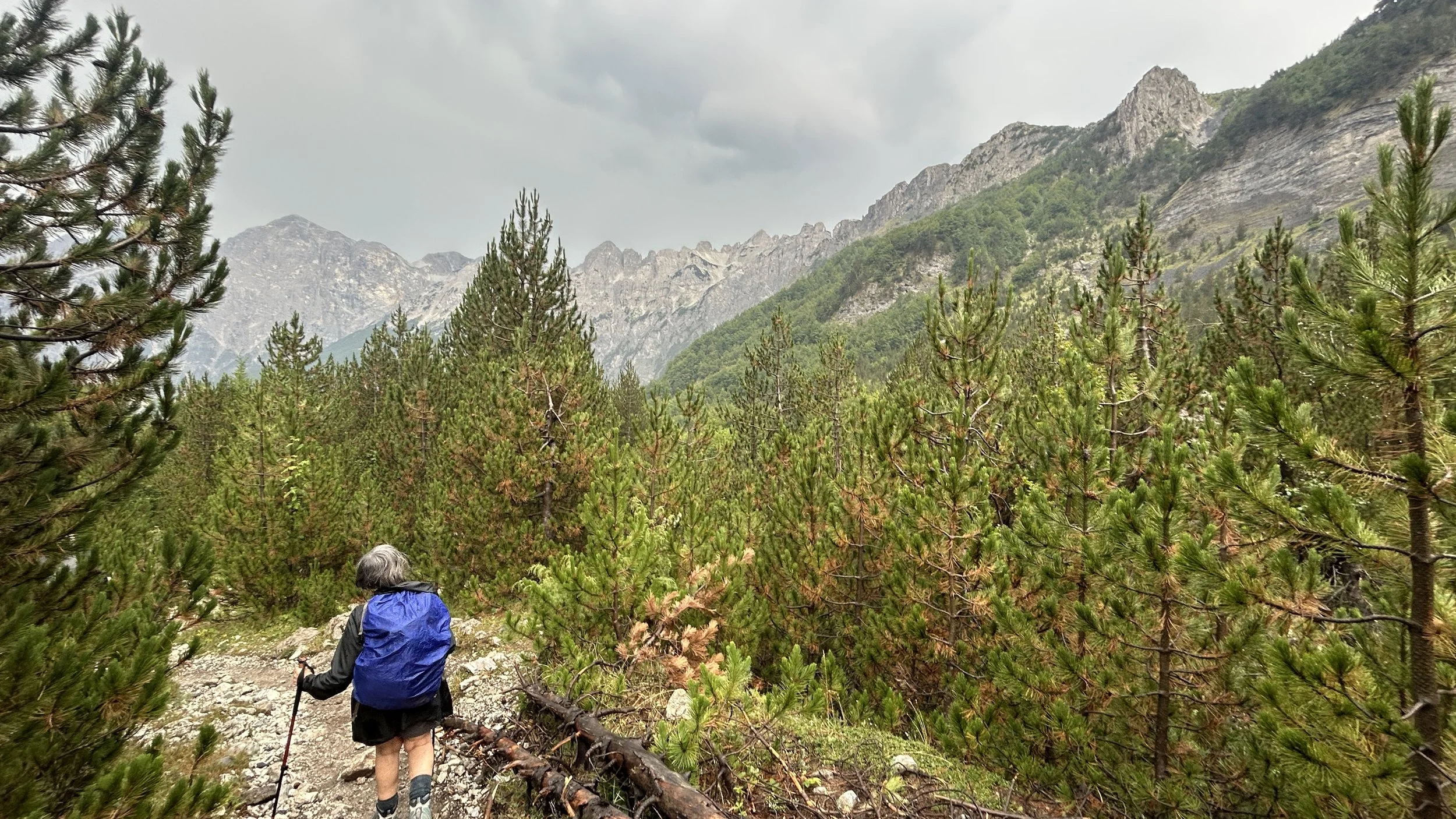
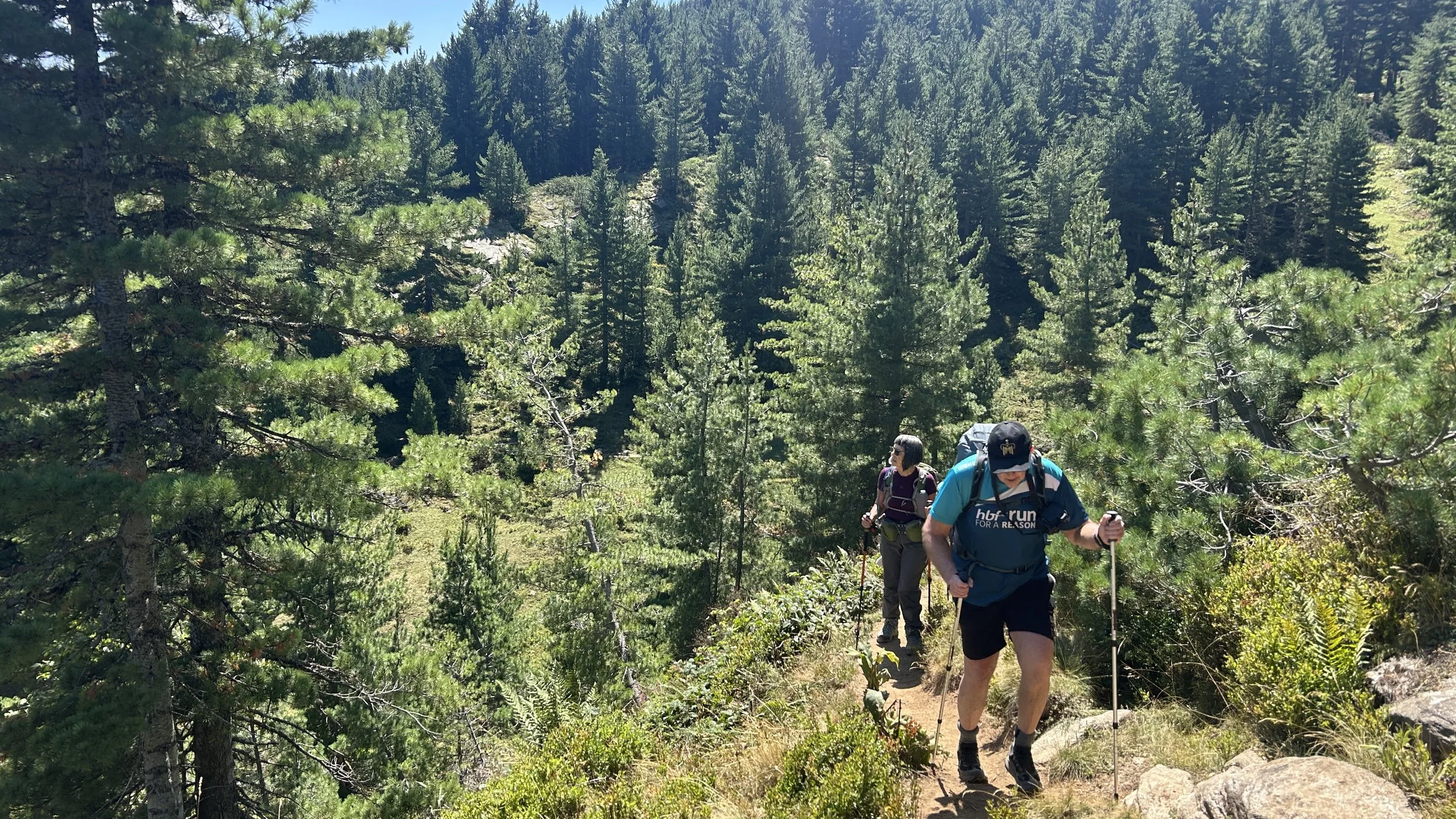
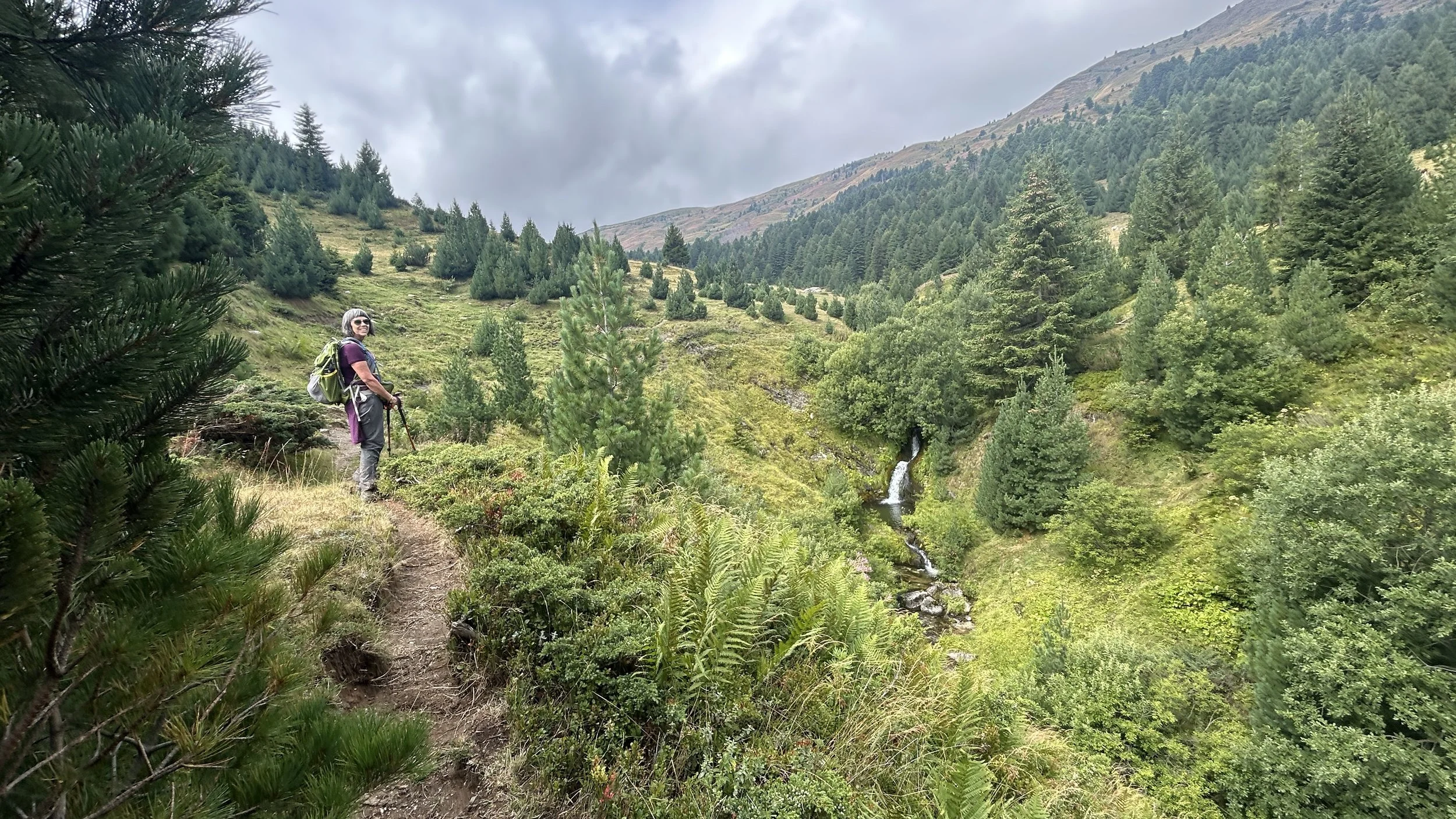
walking from Theth to Valbone through the pine forest overlooking the Valbone Valley.

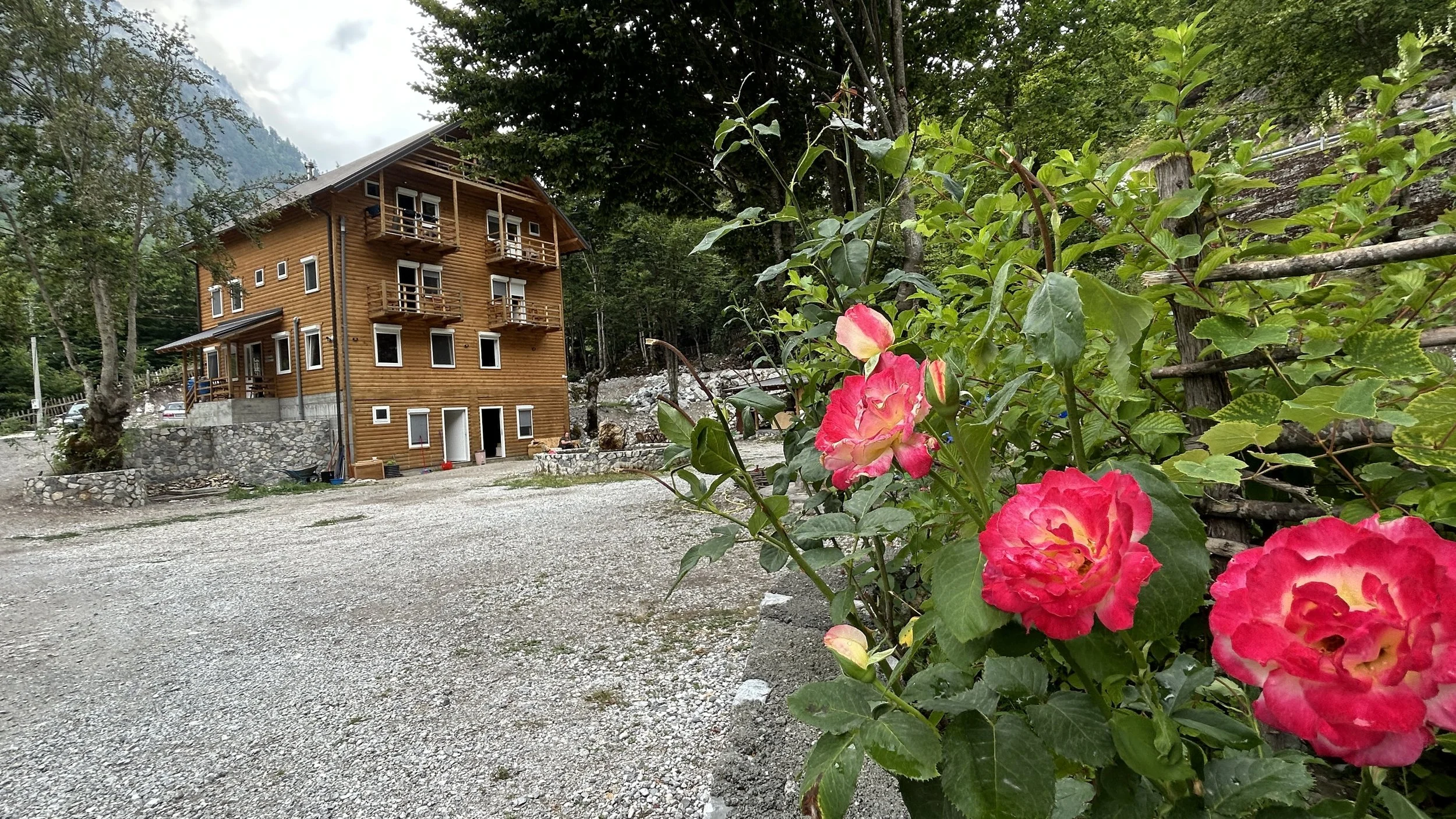
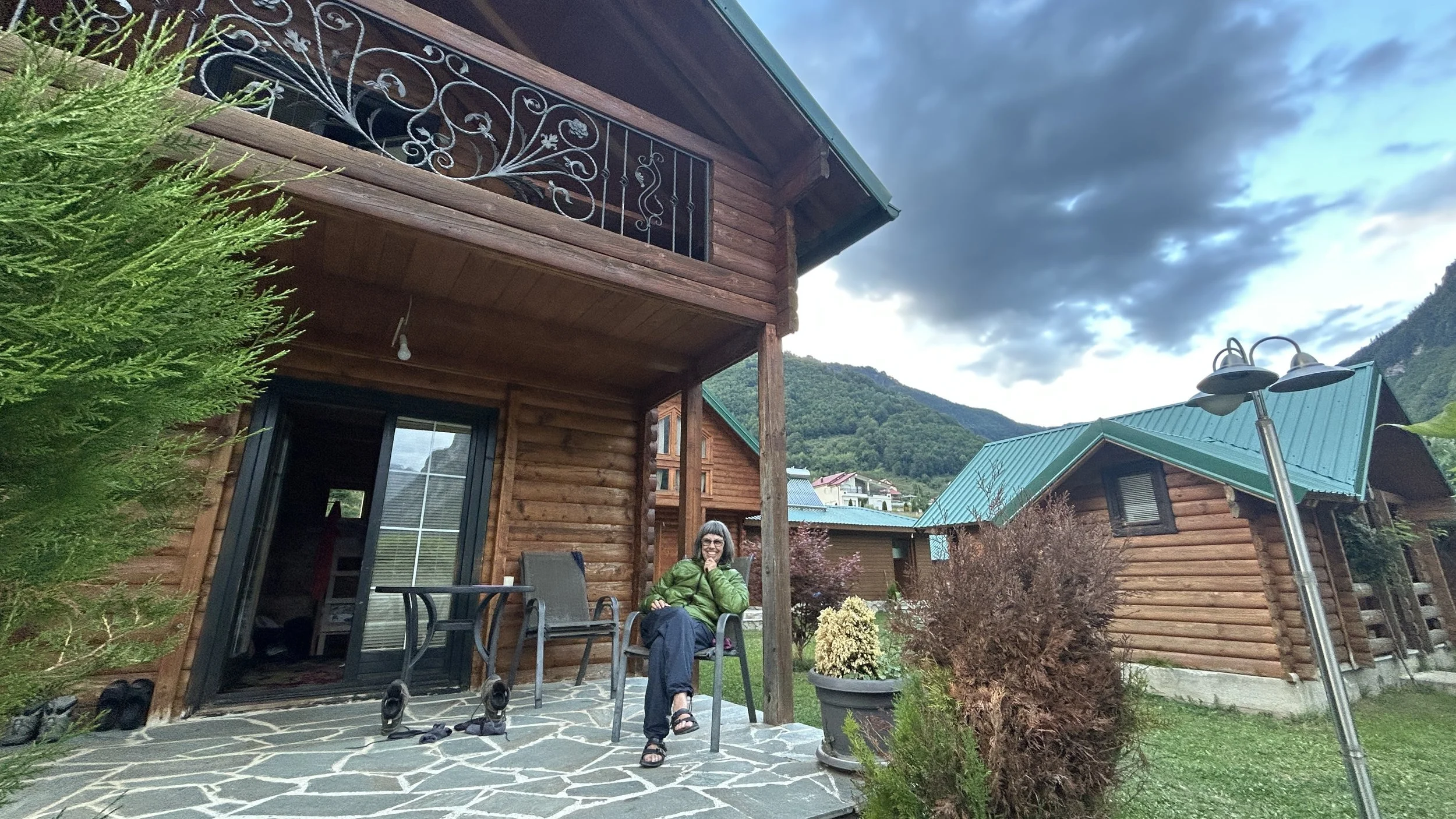
One of the many traditional wooden guest-houses.

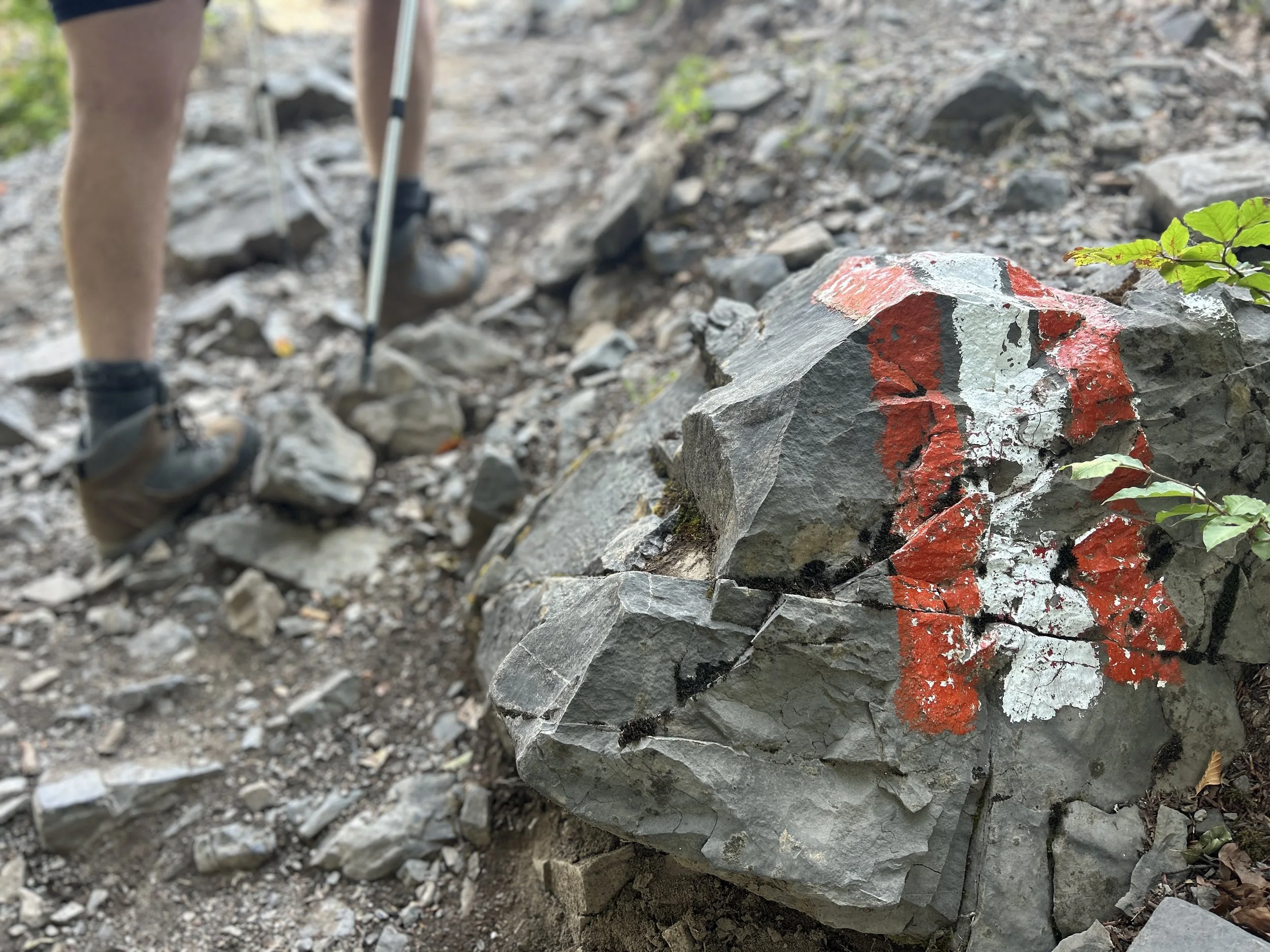
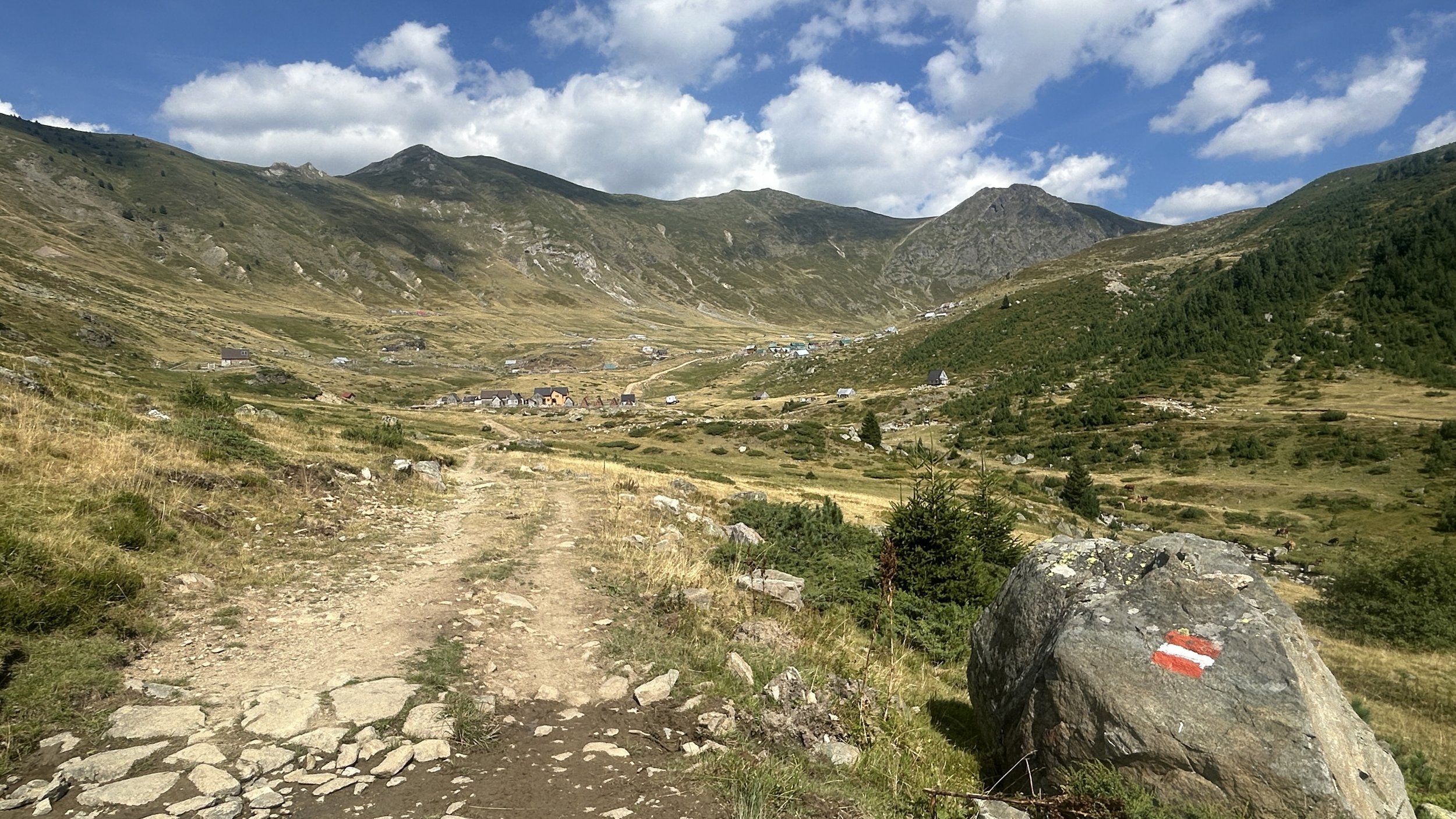
This is the Albanian marker for the Peaks of the Balkans Trail.

Day 5 Valbone to Cerem

We make our way from Valbone to the more remote and traditional village of Cerem through a challenging route past the Zla Kolata Peak on the Preslopit Pass.

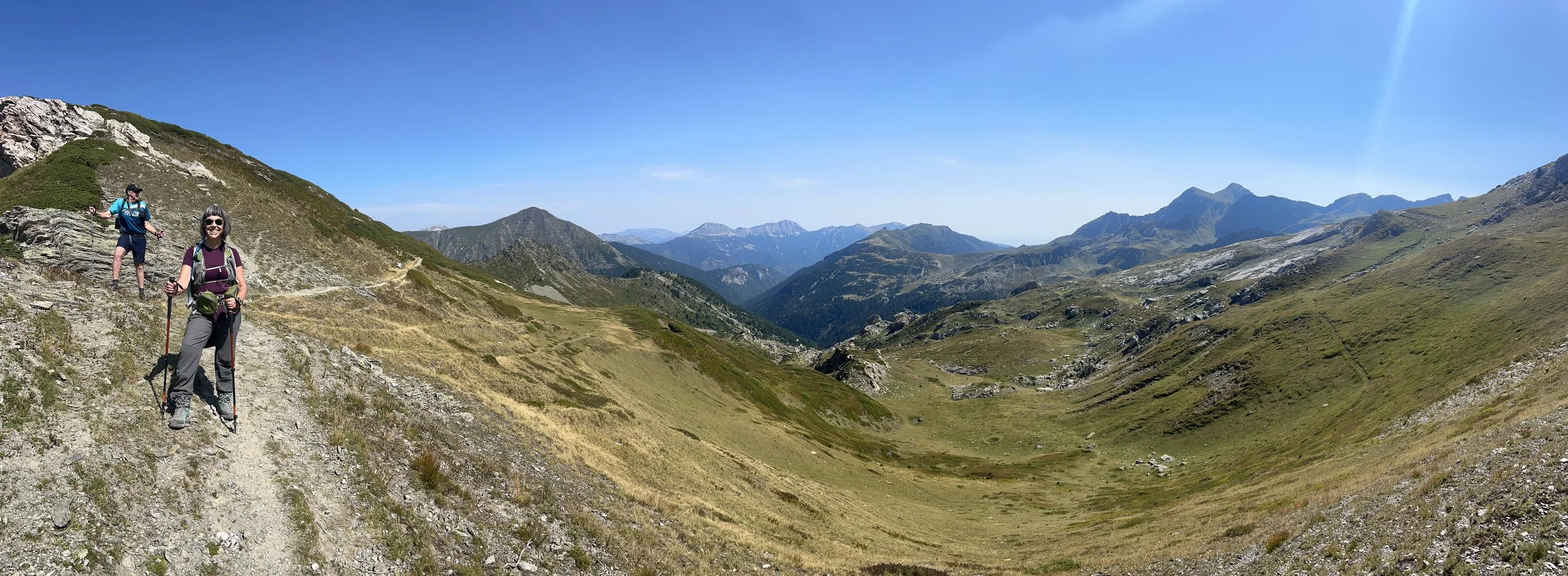
We are driven to the start of the trailhead where the steep ascent to the pass begins, there is a bit of a scramble up a rocky section an then through some forest and finally we arrive at the rugged, expansive pass with big views of the tall mountain peaks, including the tallest mountain Peak in Montenegro, Kla Kolata.

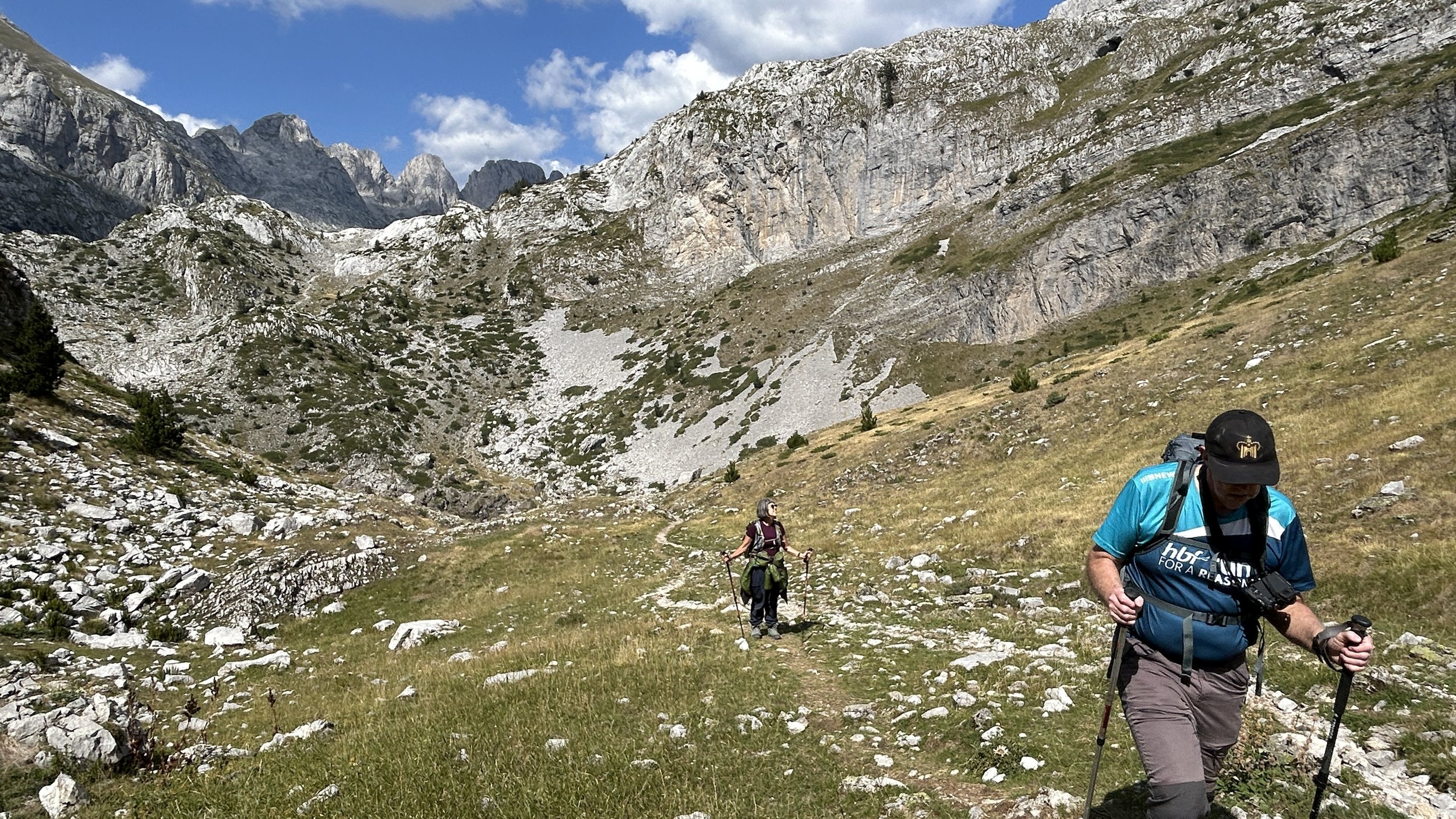
Almost at the pass - views of the peaks.

Peaks of the Balkans 2025 235.jpg
Peaks of the Balkans 2025 237.jpg
Peaks of the Balkans 2025 231.jpg
Peaks of the Balkans 2025 221.jpg
Peaks of the Balkans 2025 20.jpg
Peaks of the Balkans 2025 236.jpg

DAY 6 - Cerem to Doberdol

This is a stunning hike that connect two remote summer villages and as local guide Emir Cirikovic puts it’s
”… is a highlight of the Peaks of the Balkans for two reasons. First, once you gain elevation, you keep it. The hike is mostly flat with great views and meanders through enchanting old growth forests. Second, Doberdol is an absolute dream. It is the highest overnight stop on the trail and by far one of the most isolated.”
We love Doberdol and on the way we stop at an even smaller summer village where the local owner makes the most delicious cakes and coffee.

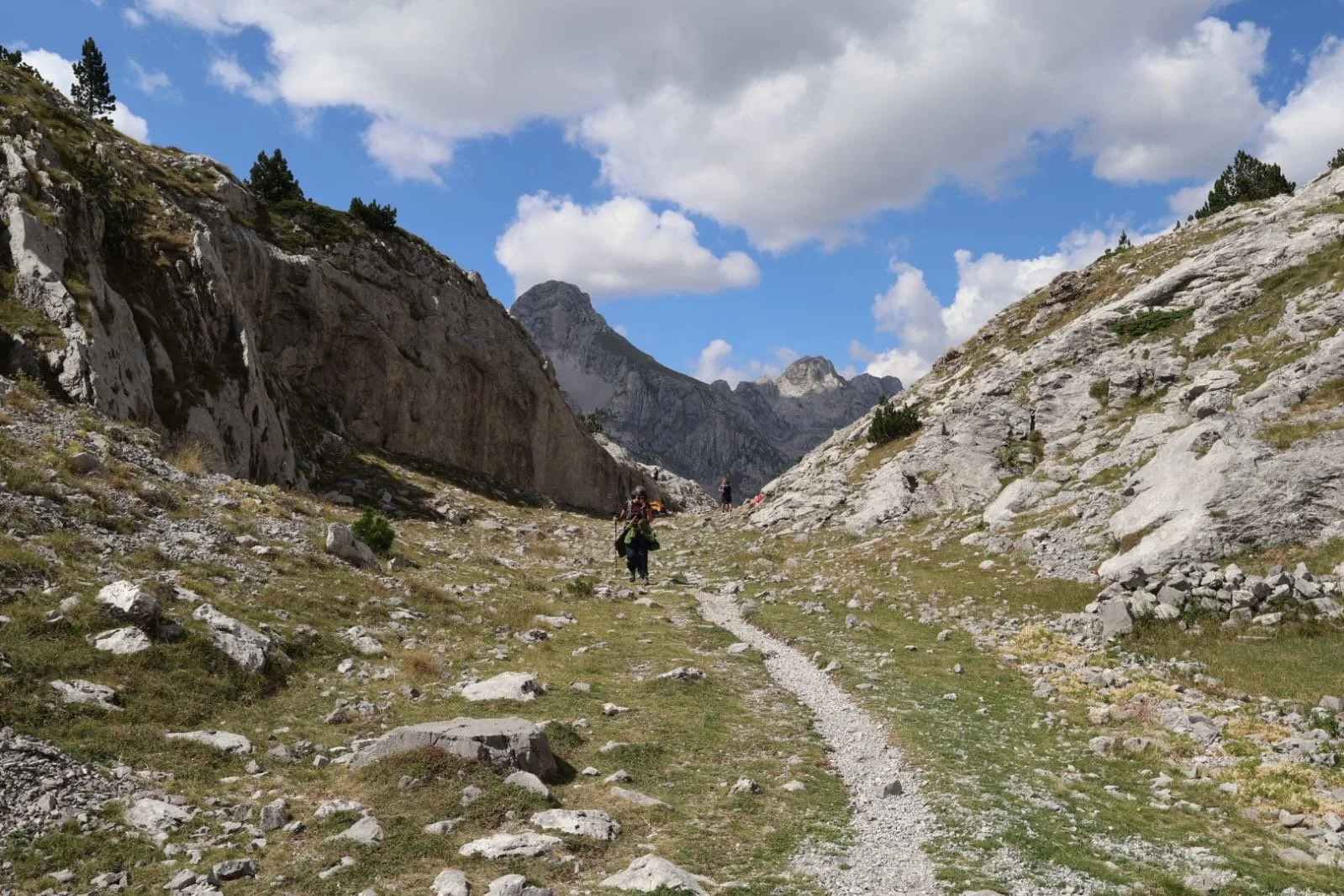
On the way to Doberdol.

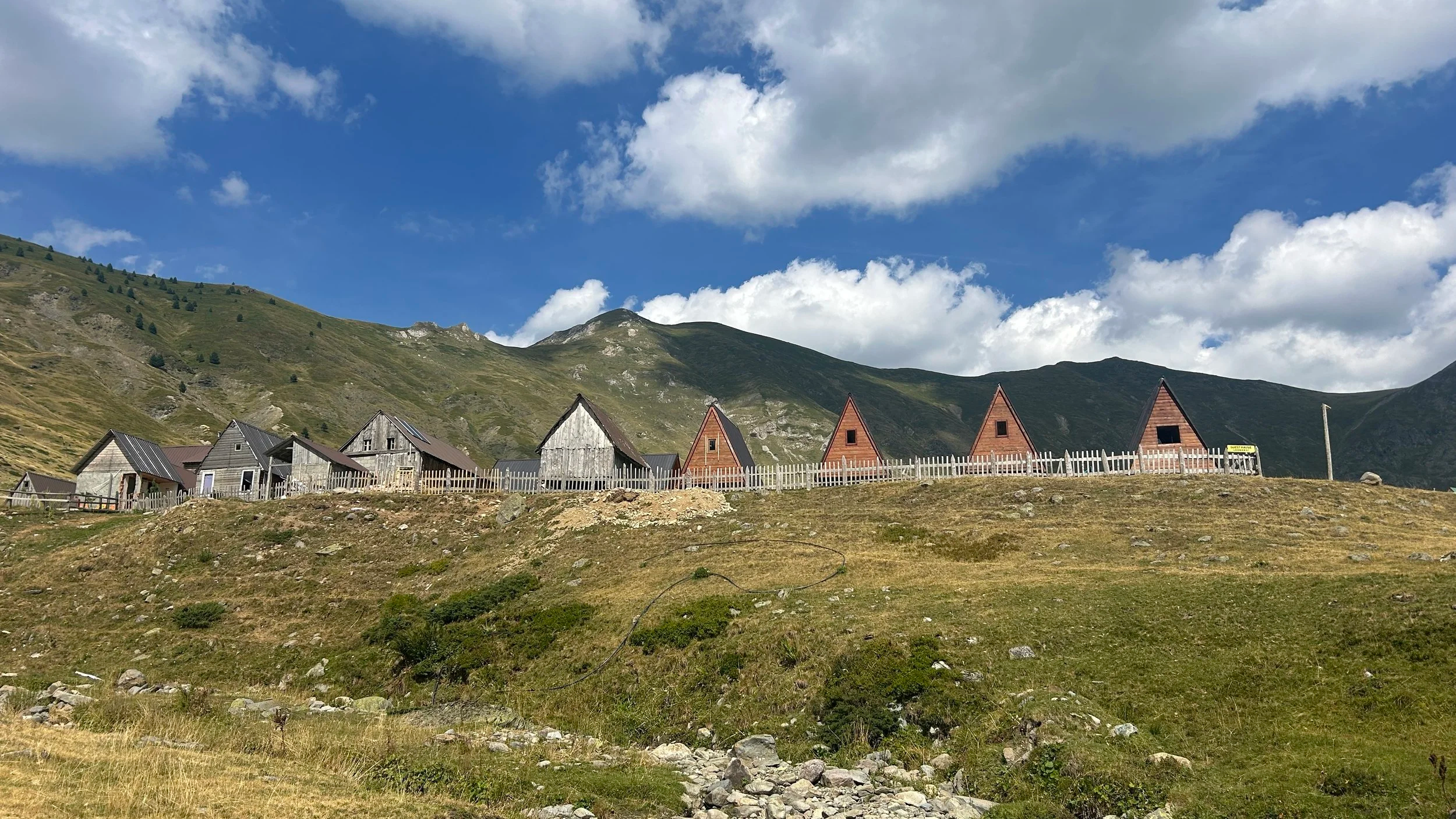
Chalets at Leonard Guest-House - one of the oldest in Doberdol.

Peaks of the Balkans 2025 239.JPG
Peaks of the Balkans 2025 245.JPG
Peaks of the Balkans 2025 240.JPG

DAY 7 - Gjeravica Peak

You can choose to hang around Doberdol and have a rest day - or attempt to hike to the summit of Gjeravica Peak - the tallest peak in Kosovo.
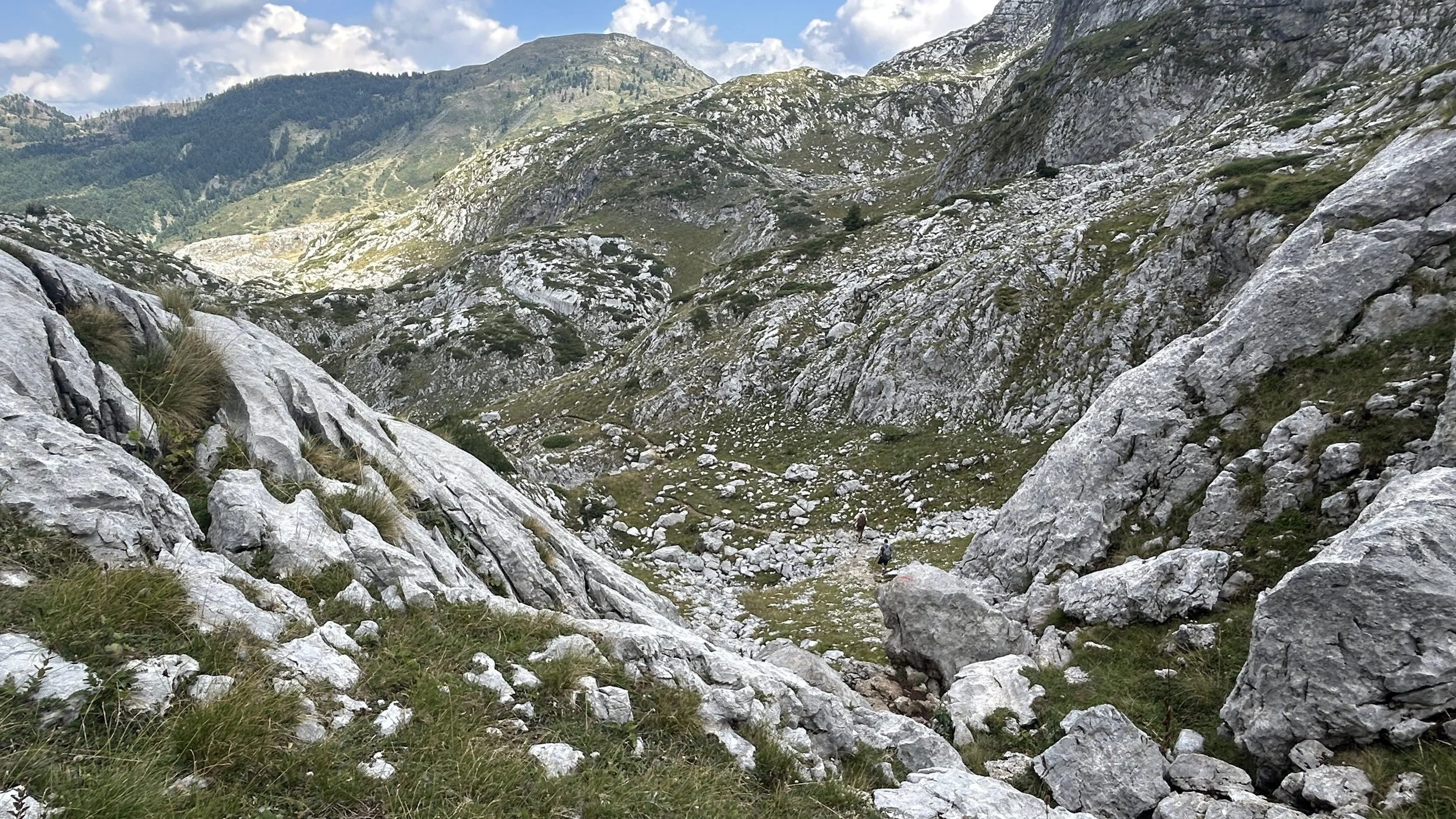
This day has 2 steep ascents. The first is from Doberdol to the ridge where we cross over towards Kosovo. The second is to the summit - it’s a steep, rocky, craggy summit. On the way there are glacial lakes and views as far as the eye can see of this mountainous region.

Peaks of the Balkans 2025 51.jpg
Peaks of the Balkans 2025 38.JPG
Peaks of the Balkans 2025 249.JPG
Peaks of the Balkans 2025 129.jpg
Peaks of the Balkans 2025 251.JPG
Peaks of the Balkans 2025 252.JPG

DAY 8 - Doberdol to Milishevc

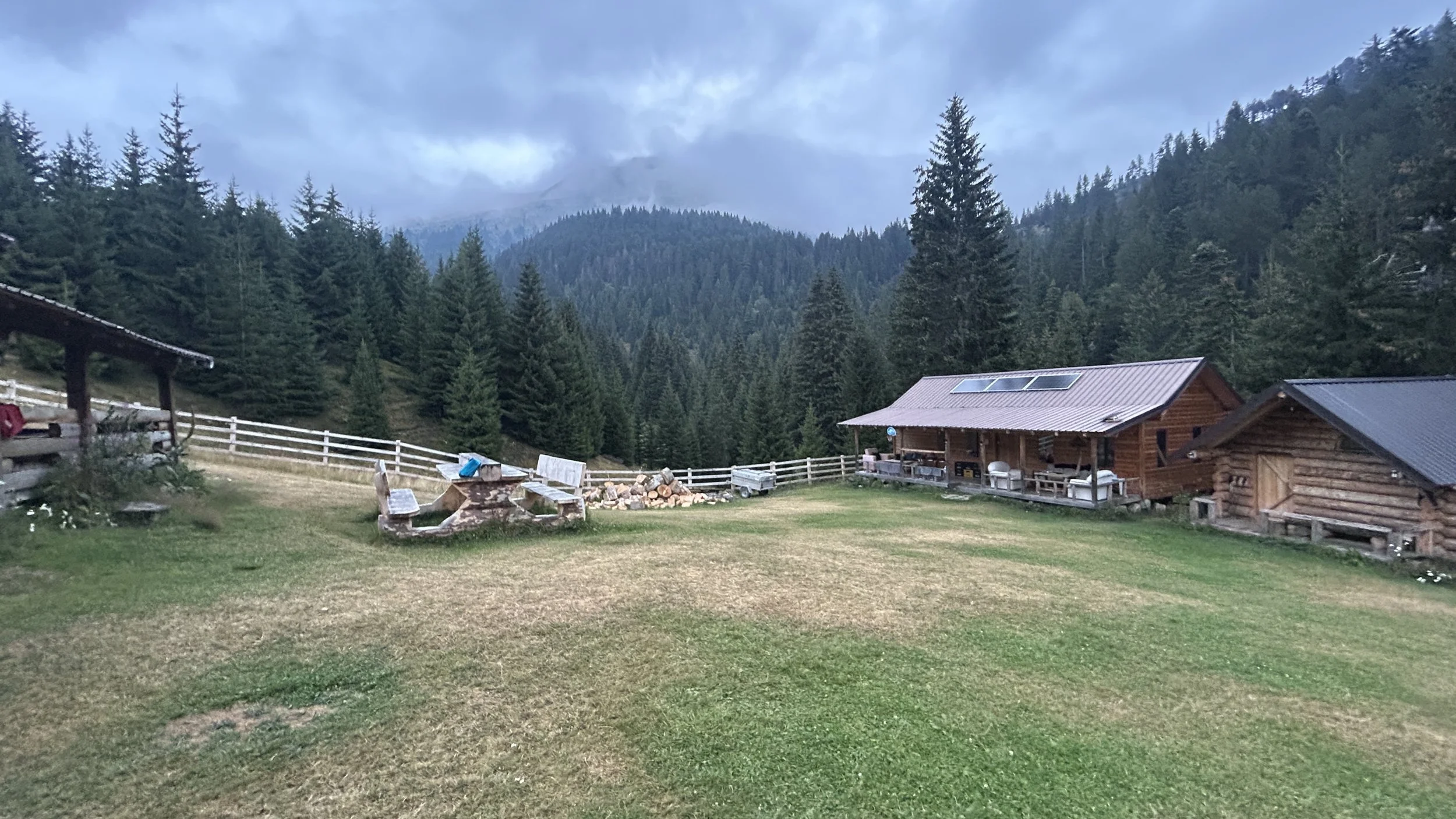
Lojza Guest-house - remote and serene, deep in the mountain forest.

Doberdol to Milishevc starts with a steep hike up past Tromeda Peak where the three countries’ borders meet. The views are expansive the whole way and the lush forests and frequent streams make this another day of perfect mountain hiking.

Peaks of the Balkans 2025 260.JPG
Peaks of the Balkans 2025 265.JPG
Peaks of the Balkans 2025 264.JPG
Peaks of the Balkans 2025 255.JPG
Peaks of the Balkans 2025 258.JPG
Peaks of the Balkans 2025 261.jpeg

What a view - Balbino Polje seen on the walk down.

DAY 9 Milishevc to Balbino Polje

This is the shortest section on the trail and the easiest as there is very little to ascend - the descent into Balbino Polje is gorgeous. Lots of wildflowers and birds on this section.

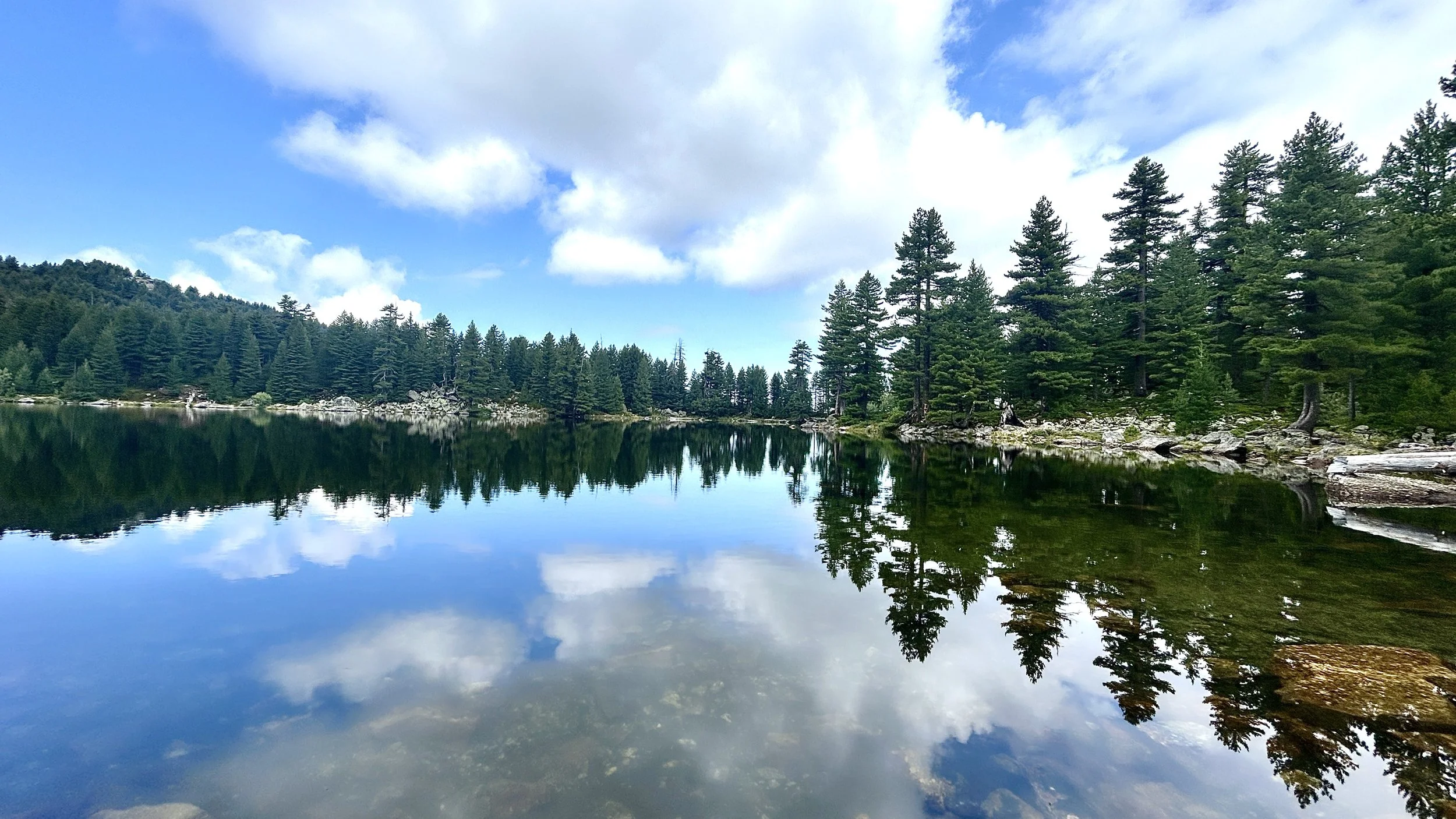
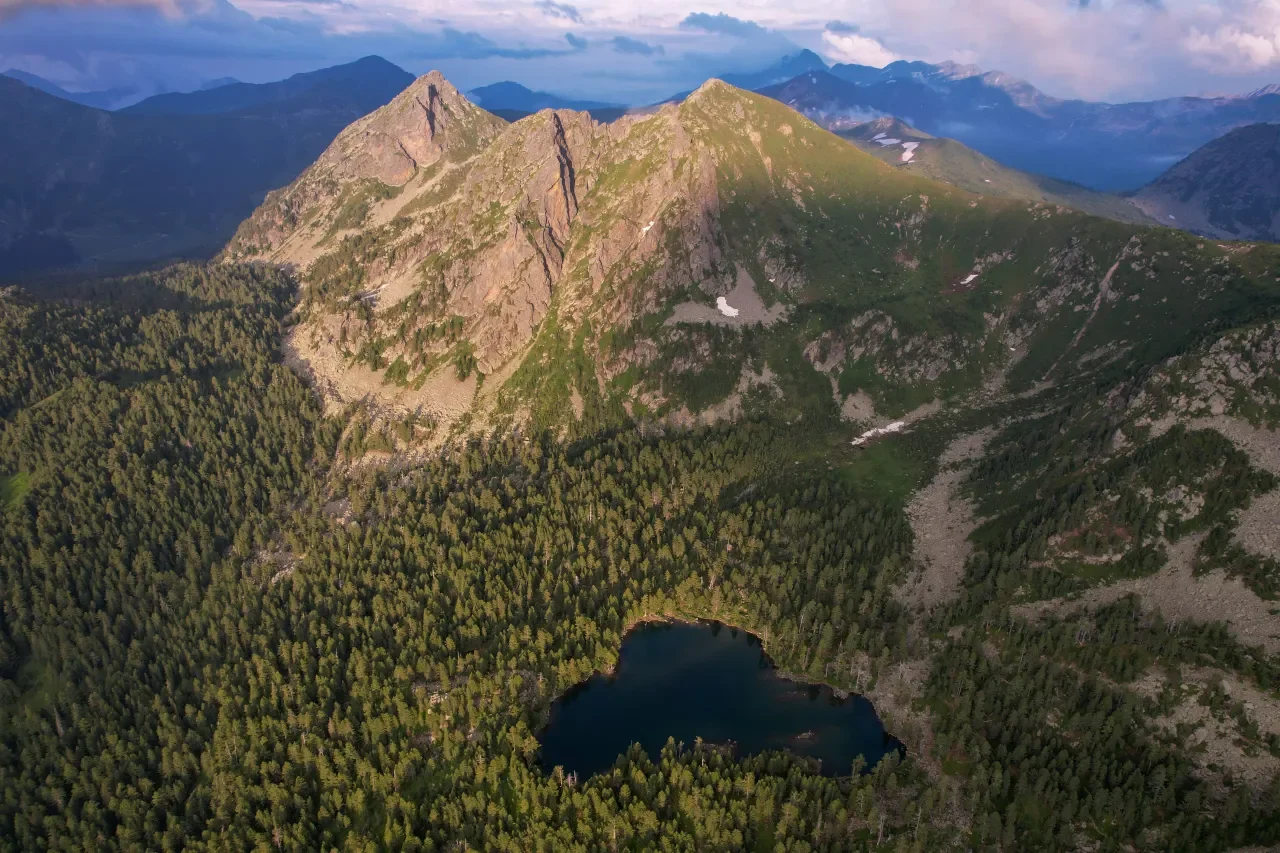
Hrid Lake - at 2,000 metres one of the highest on the trail - beautiful any time of day.

DAY 10 - Balbino Polje to Plav

The highlight of this section - other than the great view of Plav and the lake when we descend into the town, is the beautiful sight of Hrid Lake. Hrid Lake is a glacial lake sitting at 2,000 m surrounded by dense pine forest and a couple of Montenegro’s tallest peaks.

Swimming in the lake is said to bring good luck in all areas of life, specially love and health. It’s chilly but well worth the dip.

The Peaks of the Balkans
Hrid Lake - Montenegro
The Peaks of the Balkans Trail
Peaks of the Balkans 2025 72.jpg

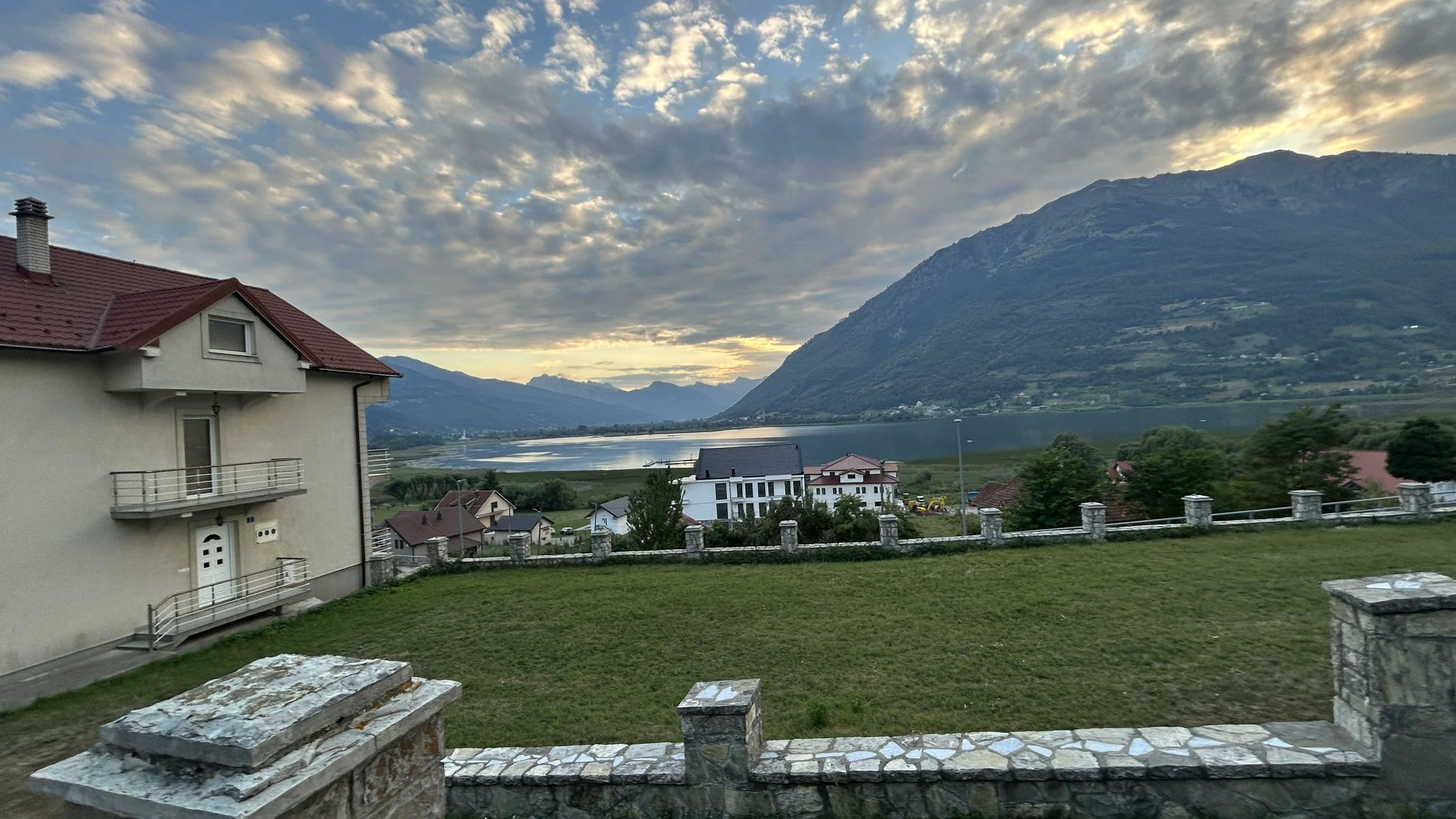
DAY 11 - Plav to Vusanje via Grevaje Valley

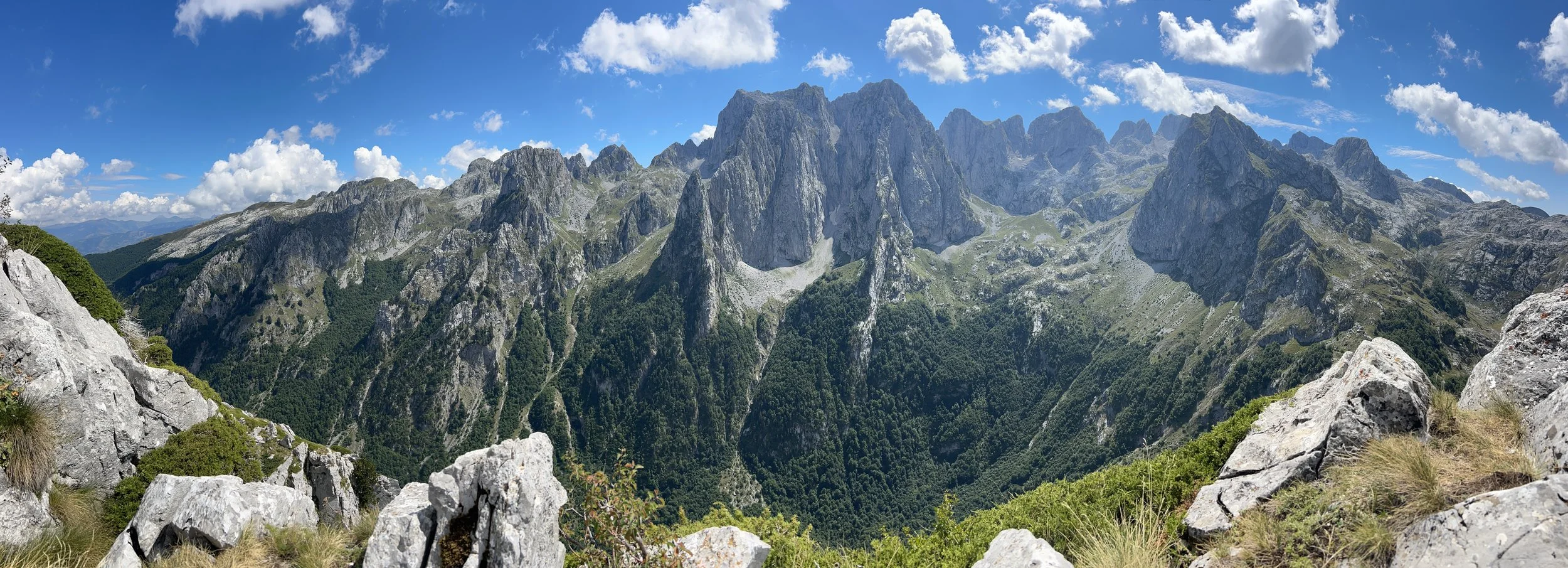
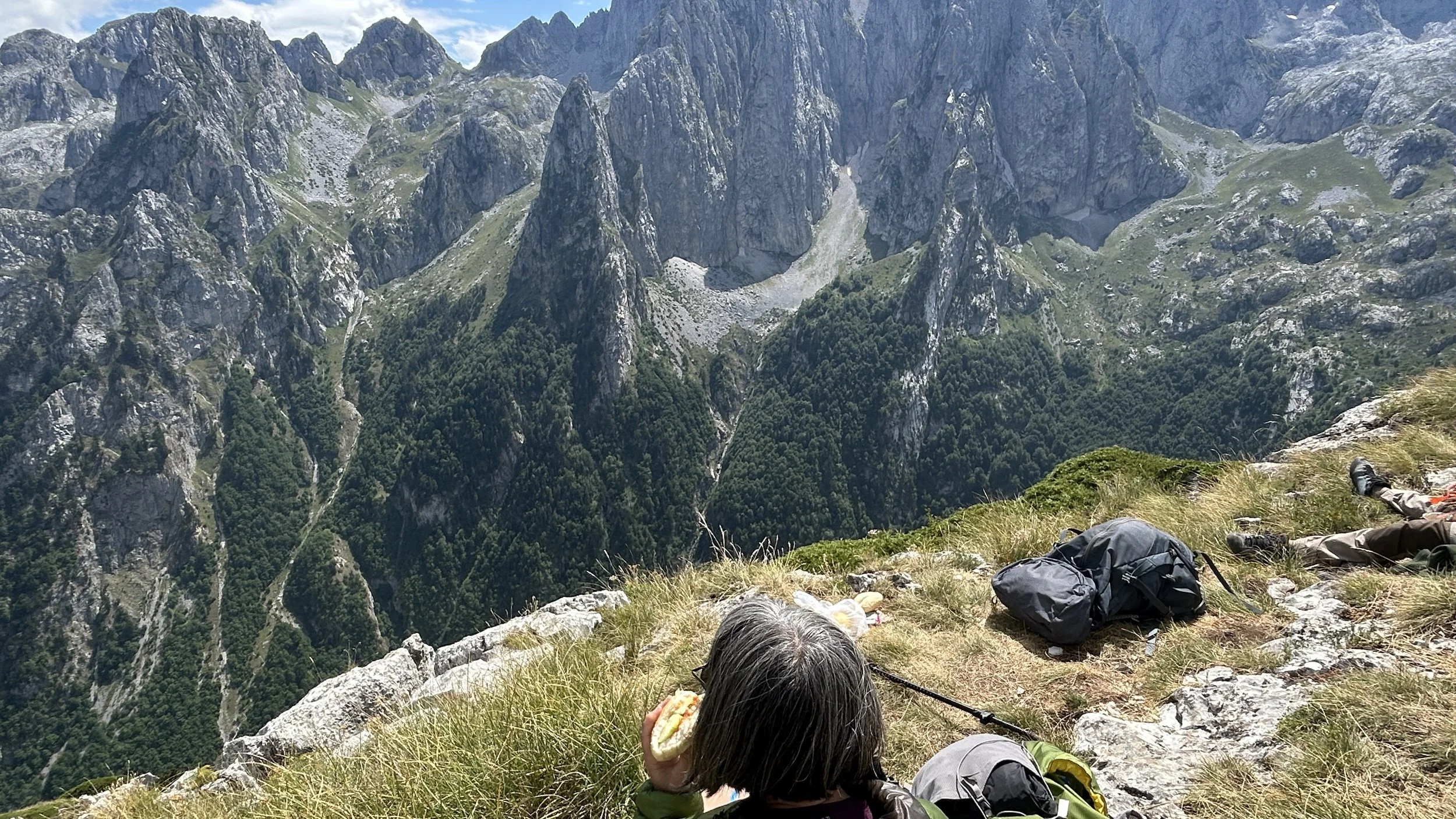
Views of the peaks at the Talijanka Loop in the Grevaje Valley!

Only 14 km in total but this circular Talijanka Loop in the Grevaje Valley between Plav and Vusanje is ABSOLUTELY breathtaking.

There’s a bit of hike up to the loop through dense and old beech forest that takes you up into the valley from where we can access the trails to walk up to every peak in the Loop.

There is nowhere without a mind-blowing view - made lunch there very special.
The view from the guest house in Vusanje is stunning too - one of the best guest houses on the trail!

Peaks of the Balkans 2025 269.JPG
Peaks of the Balkans 2025 270.JPG
Peaks of the Balkans 2025 273.JPG
Peaks of the Balkans 2025 163.jpg
Peaks of the Balkans 2025 274.JPG
Peaks of the Balkans 2025 275.JPG

DAY 12 - Vusanje to Theth

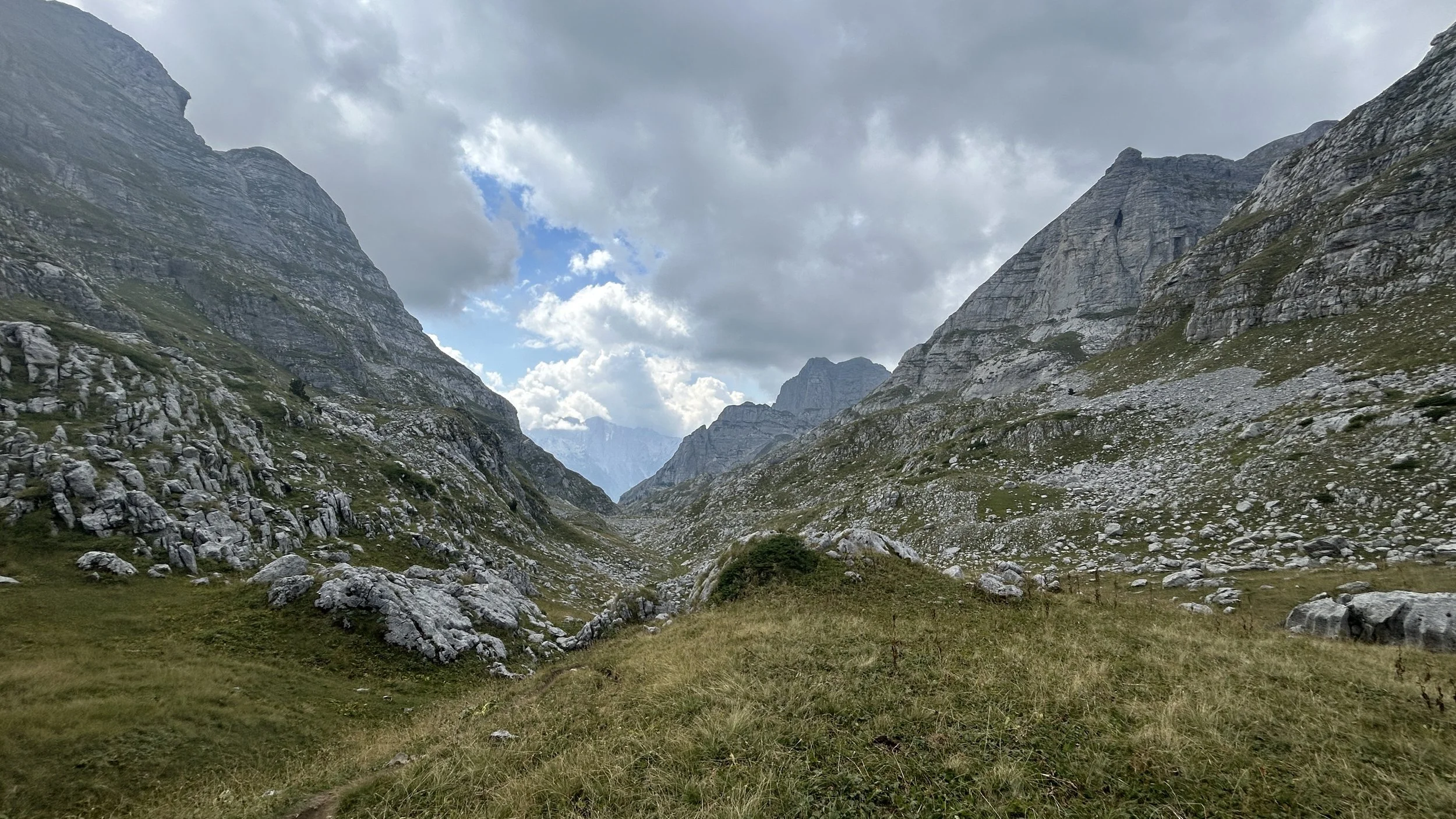
This might be (might) be our favourite section. Maybe because it’s just soooooo expansive and the view so large and the rugged peaks stand above us the whole way to the final descent into Theth.
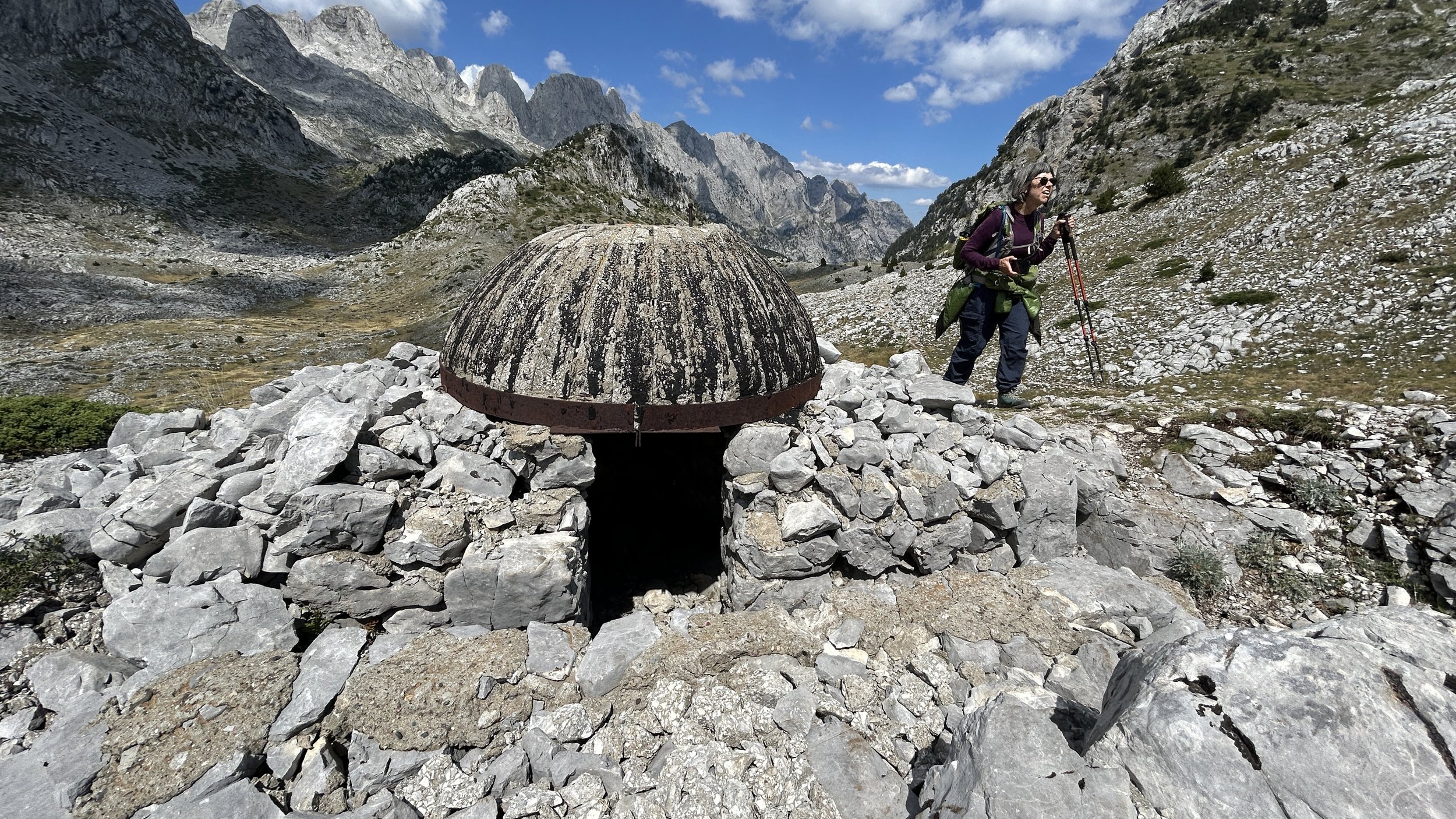
The historical element provided by the bunkers that are spotted about in this area also add to the magnitude and importance of this region.

Deep in the valley making our way back to Theth from Vusanje.

Peaks of the Balkans 2025 182.JPG
Peaks of the Balkans 2025 157.JPG
Peaks of the Balkans 2025 152.JPG
Peaks of the Balkans 2025 153.JPG

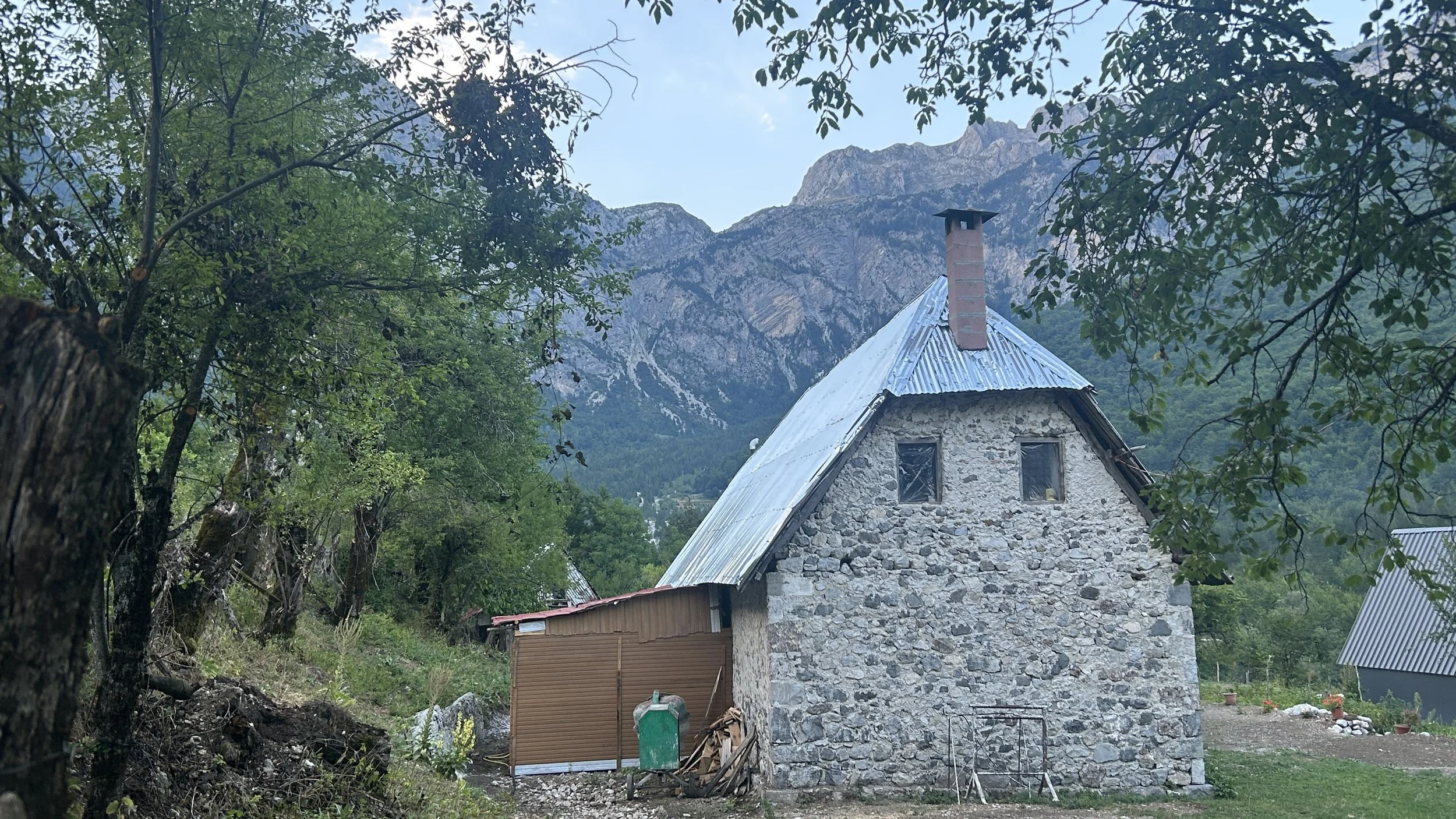
Stone buildings typical of Theth.

DAY 13 & 14 - Theth to Skhöder to Tirana

Back at the Tradita Hotel in Skhöder we celebrate together before we head off in our different directions. You will be dropped off at the airport in Tirana on the last day.

Peaks of the Balkans 2025 276.JPG
Skhoder 1.JPG
Peaks of the Balkans 2025 277.JPG

Find out more here!

3 Western Australian Artists - Women Wild About Wildflowers

August 08, 2025

Western Australia is known as The Wildflower State.

From August to November, people from all over the country - and the world - travel to our remote corner of Australia,  to experience the vibrant and colourful displays of wildflowers that transform our wild and rugged landscapes every year. 

The southwest corner of Australia, known as the Southwest Botanical Province, is one of the most florally biodiverse regions in the world. 

These three West Australian artists have all found in native blooms a source of beauty, resilience, adaptation, survival and inspiration.

It is safe to say, all biases noted, that Western Australia has some of the most diverse and inspiring flora on the planet.

From the carpets of yellow Pom Pom Everlastings (Cephalipterum drumondii) and Yellow-seeded Goodenia (Goodenia xanthosperma) that cover kilometres of the ground north of Perth; to the singularly unique WA orchids like the Queen of Sheba or the endemic variety of Hakeas, Banksias, Melaleucas found through the Kwongan landscapes, the wildflowers of WA have been these artists true muses.

Helen Ansell

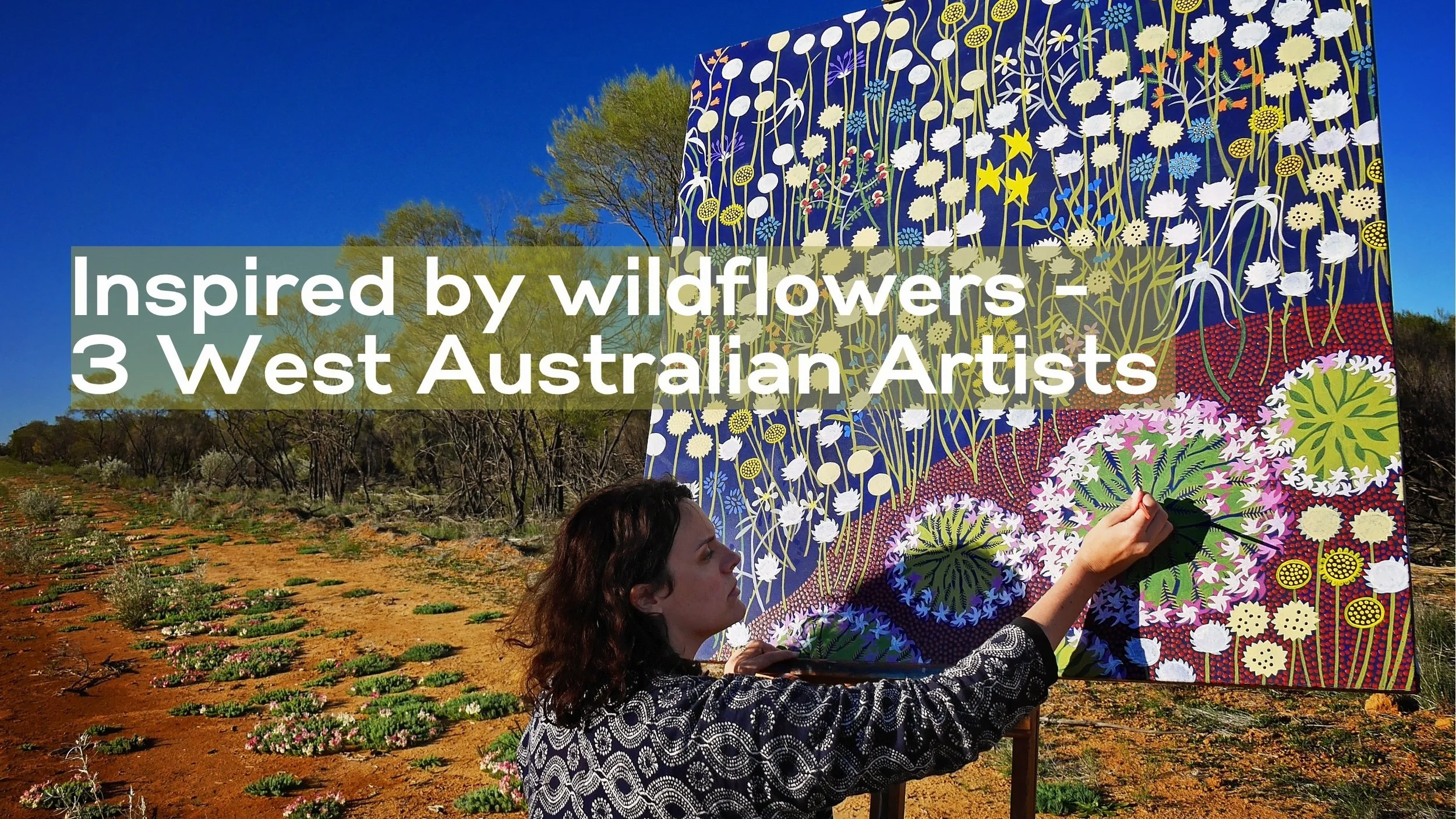
Helen Ansell - in action painting Desert Blooms inspired by the Wreath Flower - Lechenaultia macrantha.

In Mullewa, about 500 km north and slightly east of Perth, Helen Ansell has found a home whose landscape and native wildflowers inspire her every day.

But it wasn’t always like that. Helen found her love for the native WA species while living overseas. Her vibrant art has evolved alongside her appreciation for the wildflowers that thrive around her.

And that’s no surprise - the wildflowers in that region of WA are jaw-droopingly beautiful.

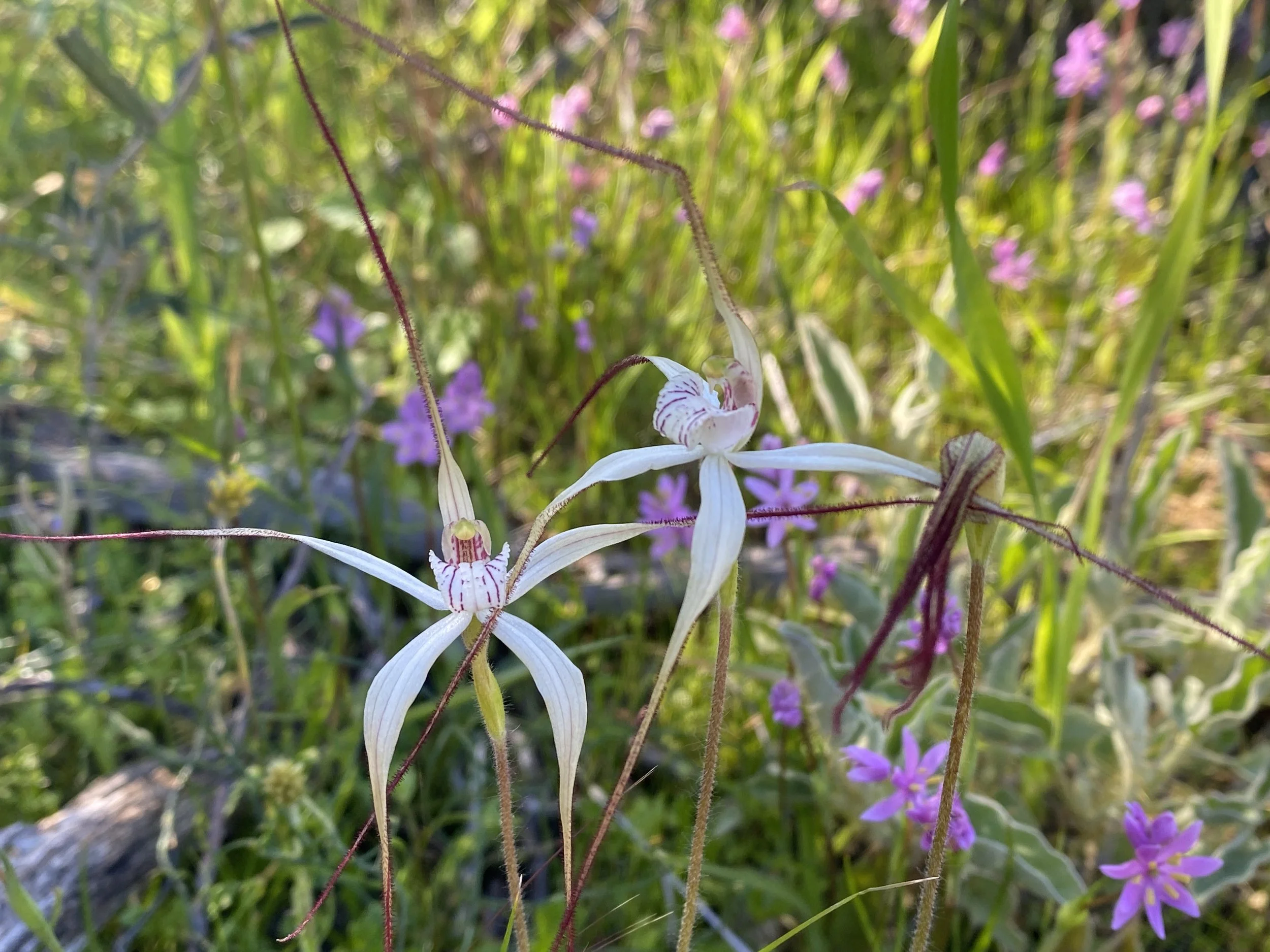
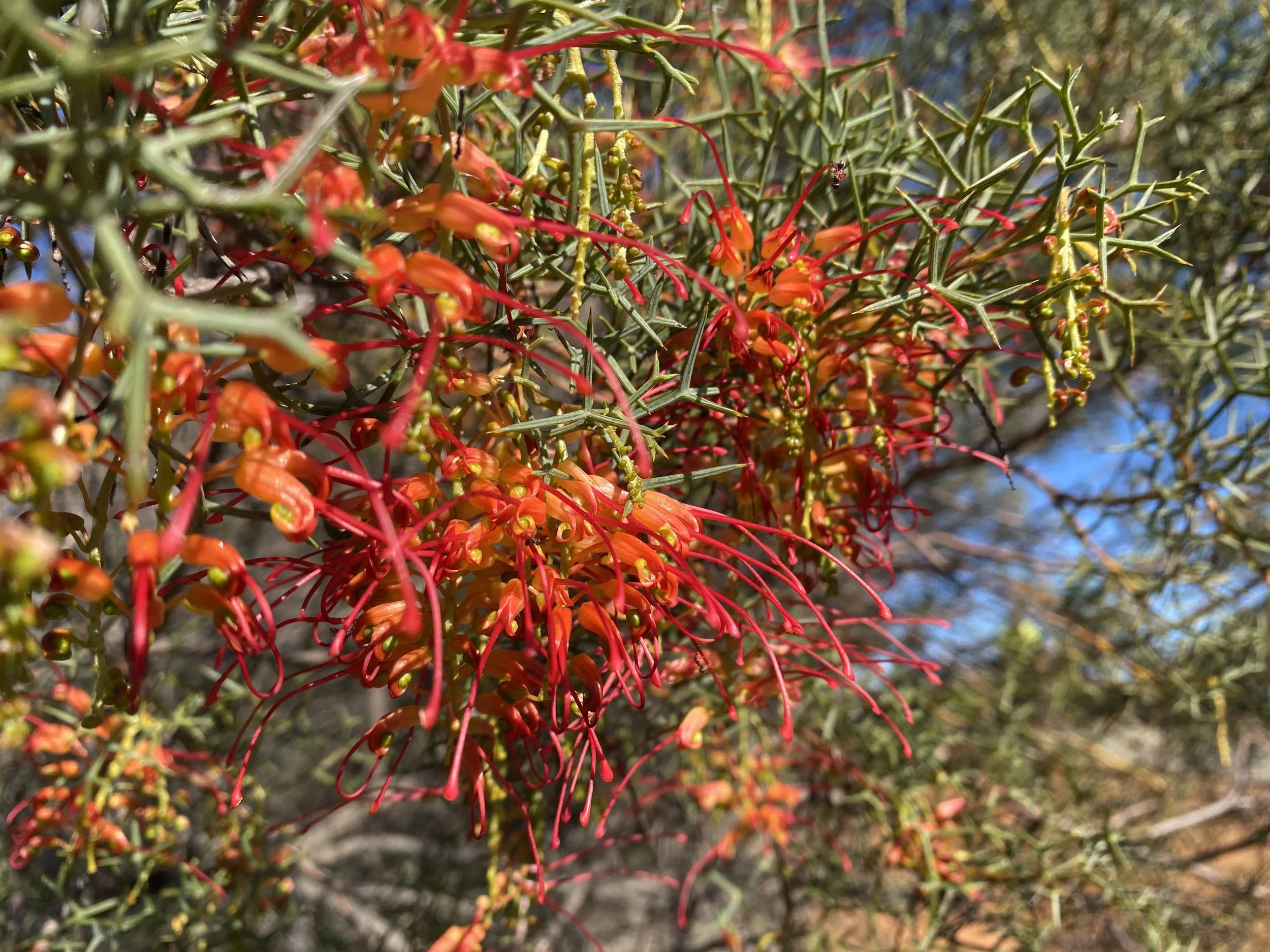
You will find clusters of delicate spider orchids under the alarming red of Bird Beak Hakeas (Hakea orthorrhyncha) or delicate but abundant hues of yellow, purple and salmon coloured eremophila.

Spider Orchids - Caledenia sp.

Bird Beak Hakea - Hakea orthorrhyncha

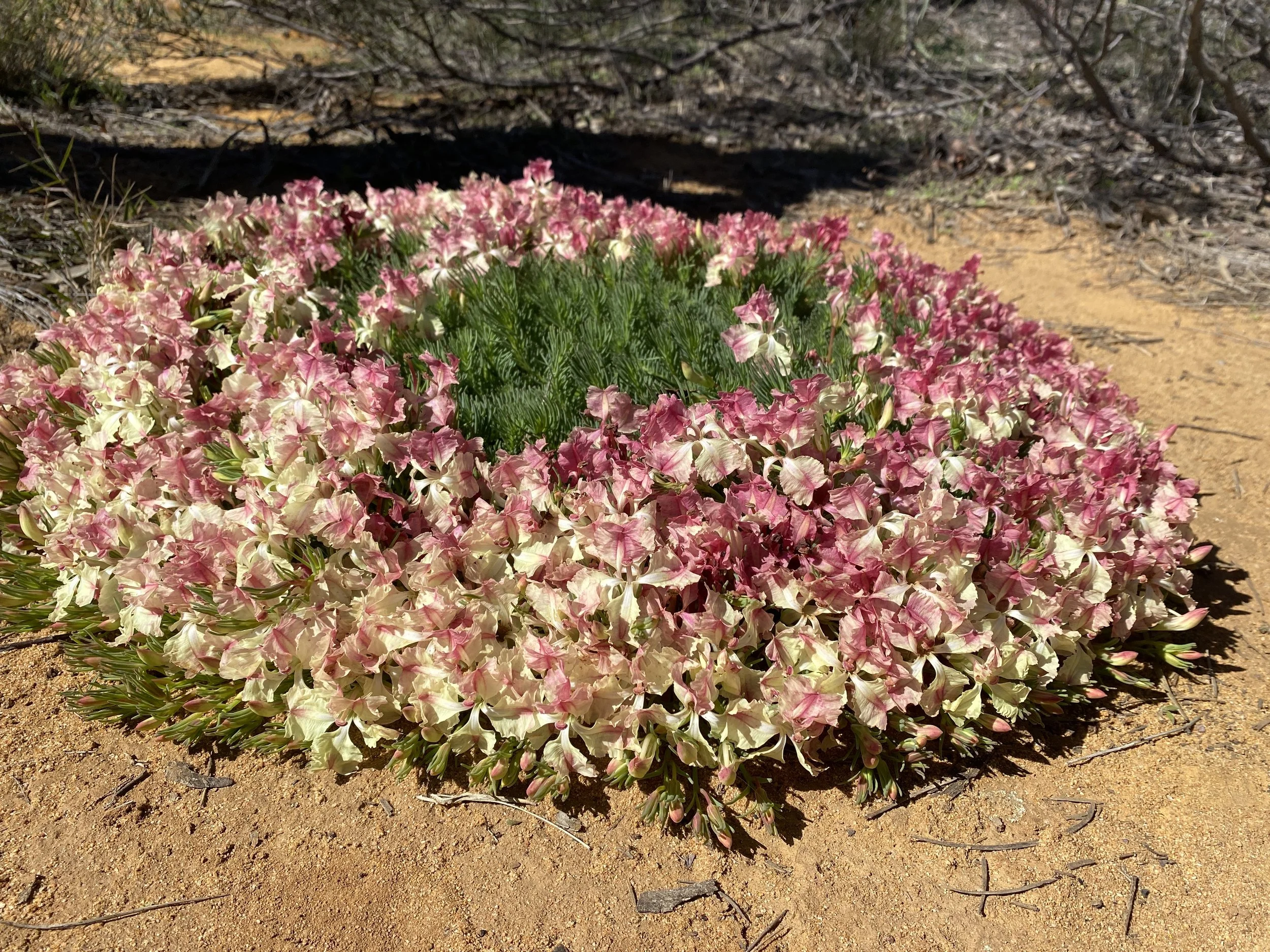
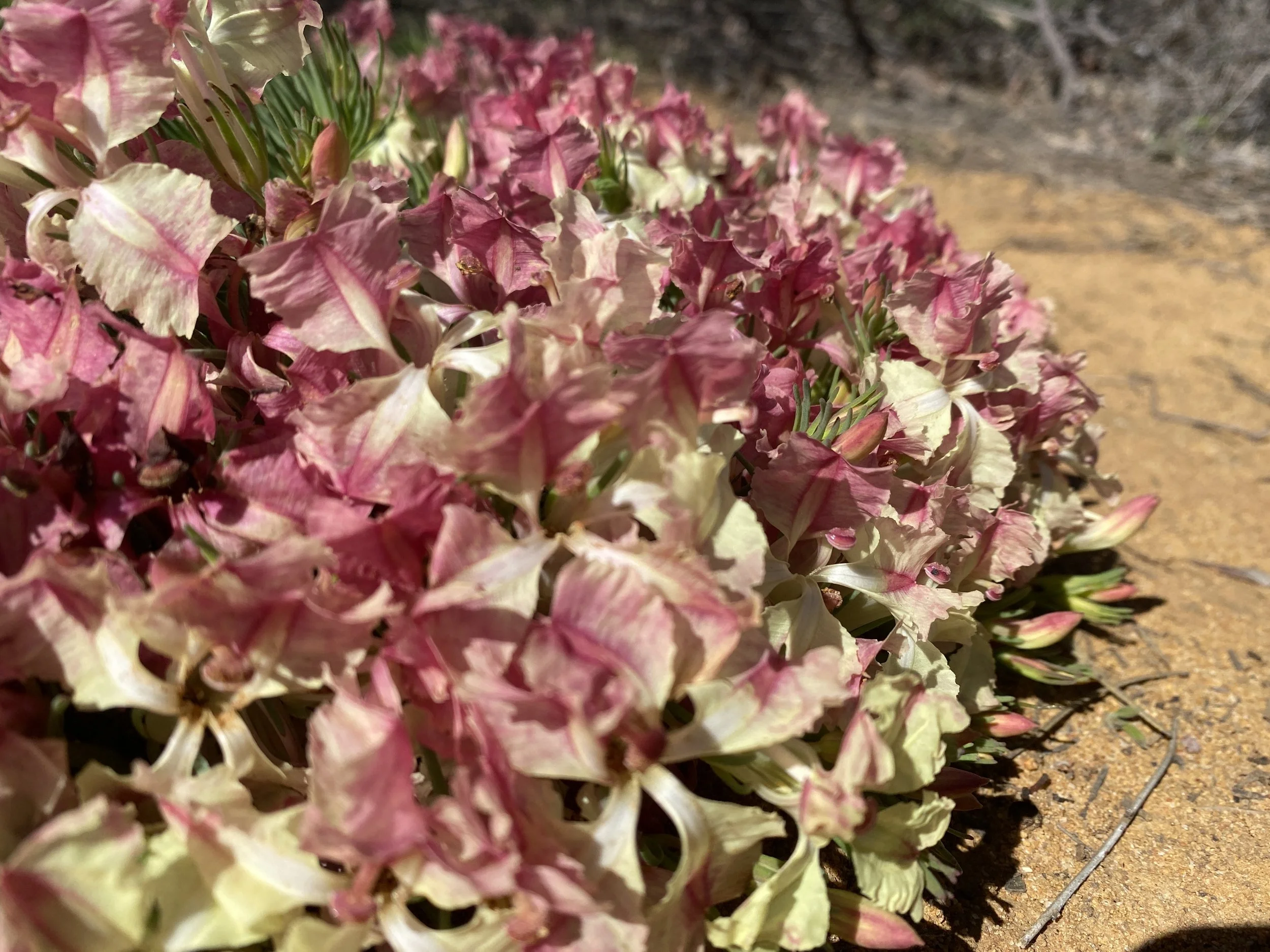
But no wildflower draws more people to Mullewa, and more specifically to the nearby settlement of Pindar, than the mysterious Wreath Flower - Lechenaultia macrantha (below centre).

Lechenaultia macrantha - Wreath Flower - Pindar, WA

Lechenaultia macrantha - Wreath Flower - Pindar, WA

Lori Pensini

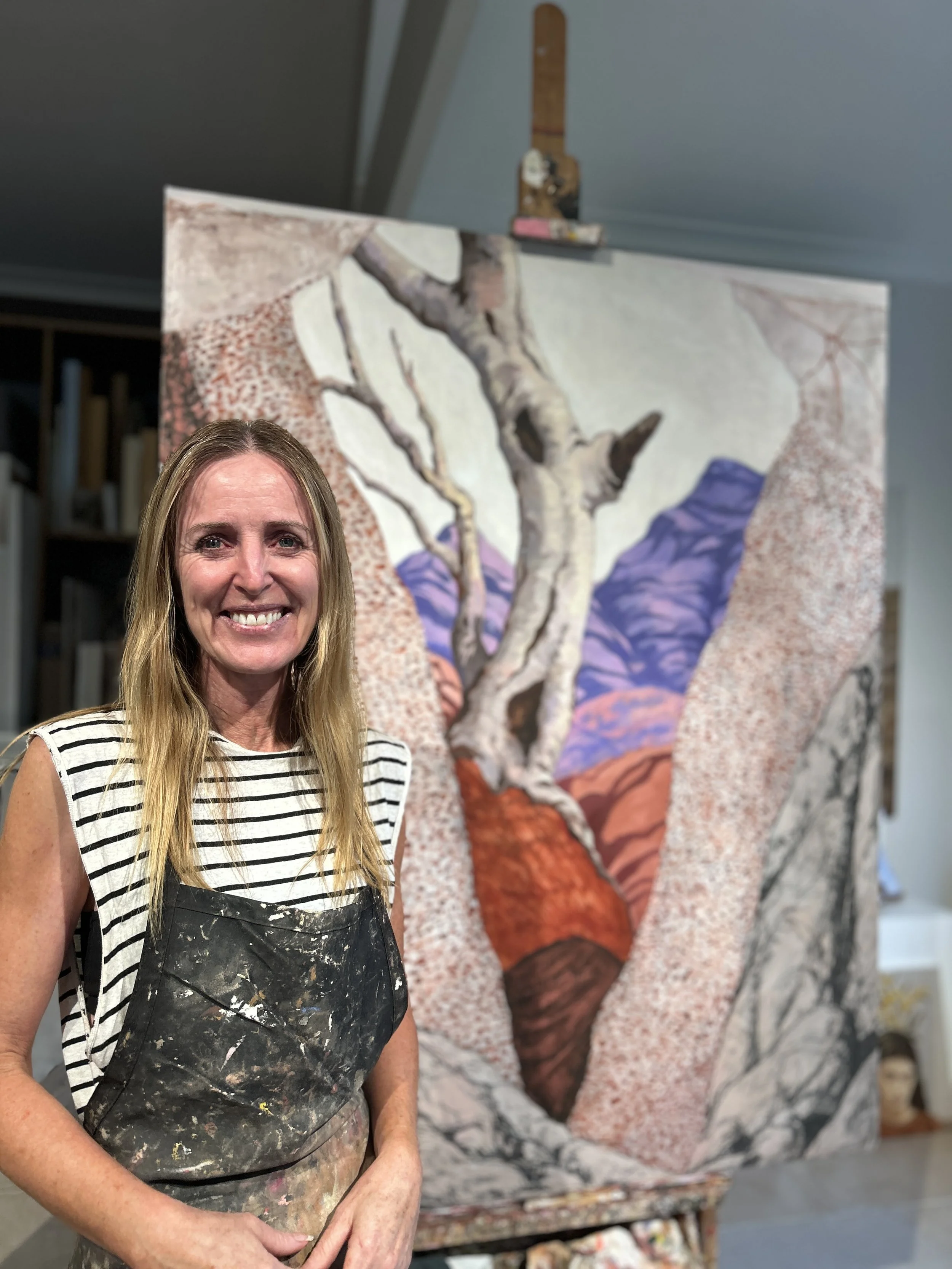
Recently awarded the Collie Art Prize - one of Australia’s most lucrative regional art prizes -  Lori Pensini has been inspired by the raw beauty and huge expanse of WA’s landscapes since she was a child.

Lori Pensini is a child of the Wheatbelt, she grew up near Narrogin and also spent time living in the spectacular Pilbara region of the state.

Lori refers to her art as an exploration of the ‘confluence of self and landscape’. 

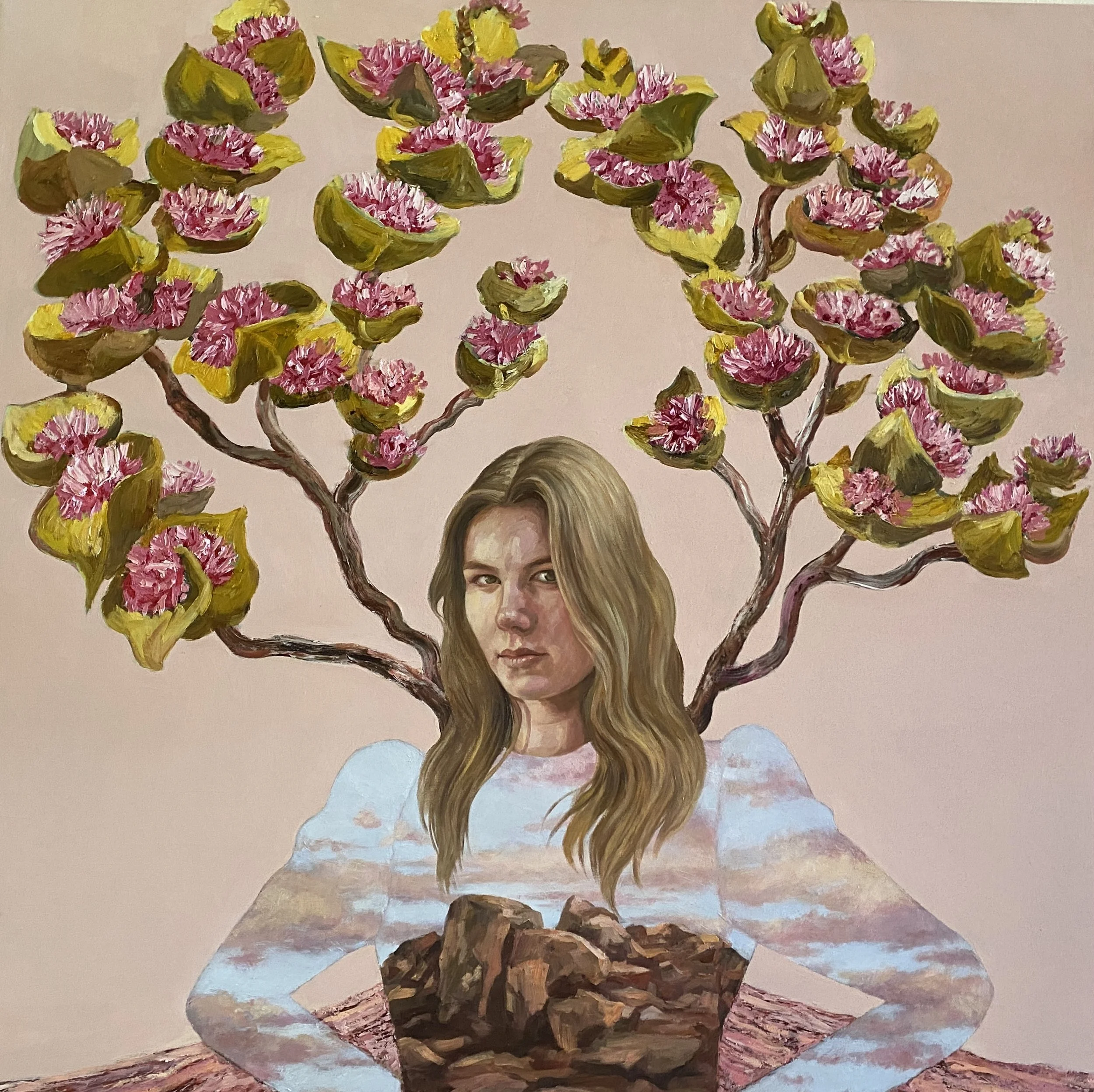
Some of her most dramatic paintings are botanical portraits that stand out for their distinct bold and abstract compositions of people, wildflowers, and landscapes as one. 

Like this one:

Hakea - Hakea cucullata - by Lori Pensini

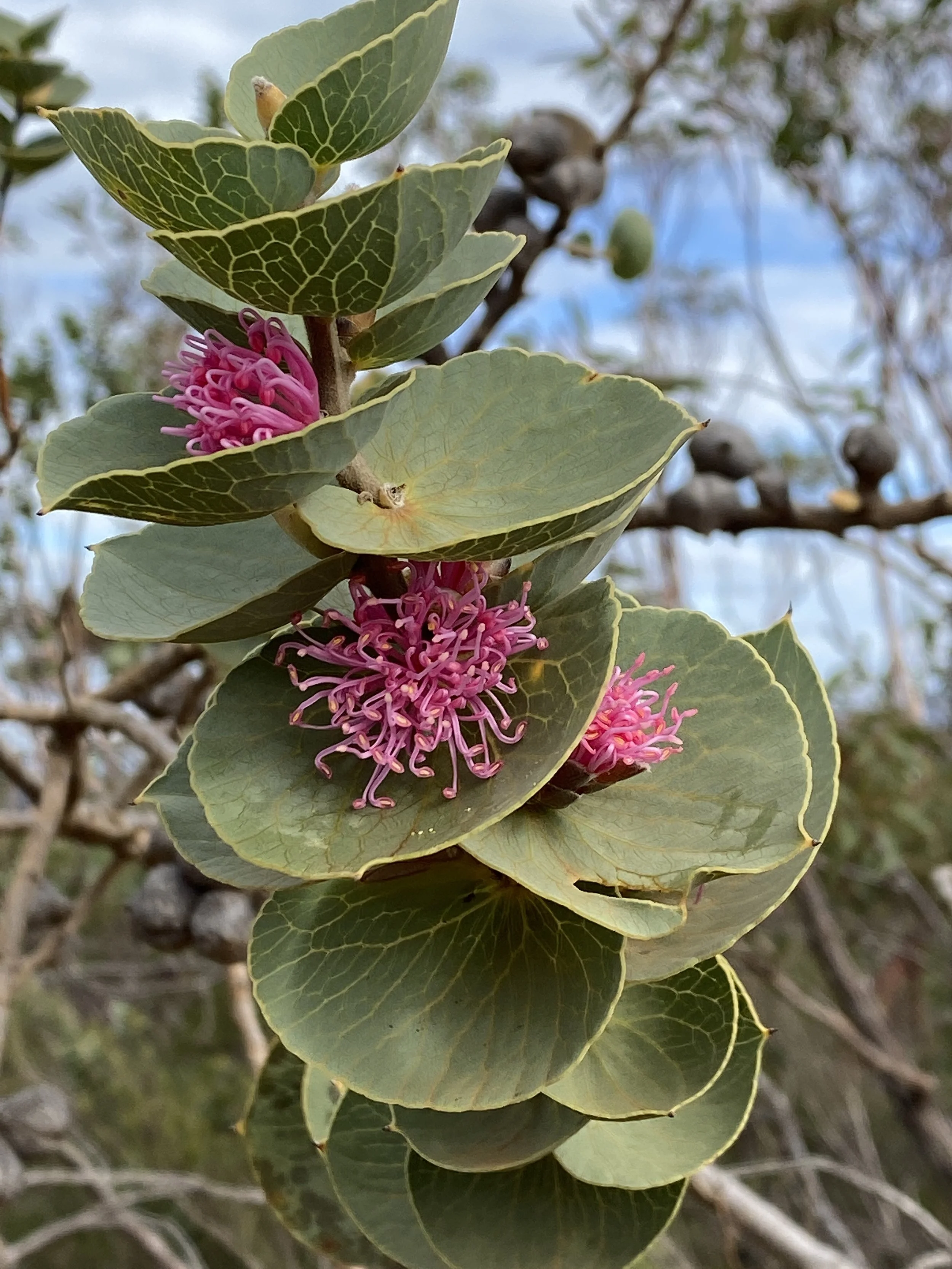
Hakea cuculatta - Stirling Range National Park.

Lori Pensini, March 2024.

Inspired by this wildflower the Hakea cuculatta,  found in abundance through the Stirling Range National Park.

On a visit to her studio in early 2023, Lori and I talked openly about the disconnection that exists between human existence and nature, and how her art redirects our gaze to images of humans as part of nature, belnding together and being the product of the natural environment. 

“ …​My art practice is an exploration of myself, my identity and placement within my family’s multifaceted history. It is illustrated directly from lived experiences on country and my responses to, and relationship with our landscape. “

Lori’s website reads:
“The botanical elements … link key positive personality traits of people with ecological characteristics of botanicals to create a distinctive 'language of flowers'... create a narrative around our cultural identity and role within our natural world.”

Today, Lori lives with her husband in Boyaup Brook, in WA’s southwest, where she works from her spacious studio. Her and her husband are involved in regenerative agriculture and adhere to principles that respect the delicate balance of human activity and agriculture.

Look out for times of the year when Lori opens up her studio, it is worth the visit.

Jude Taylor

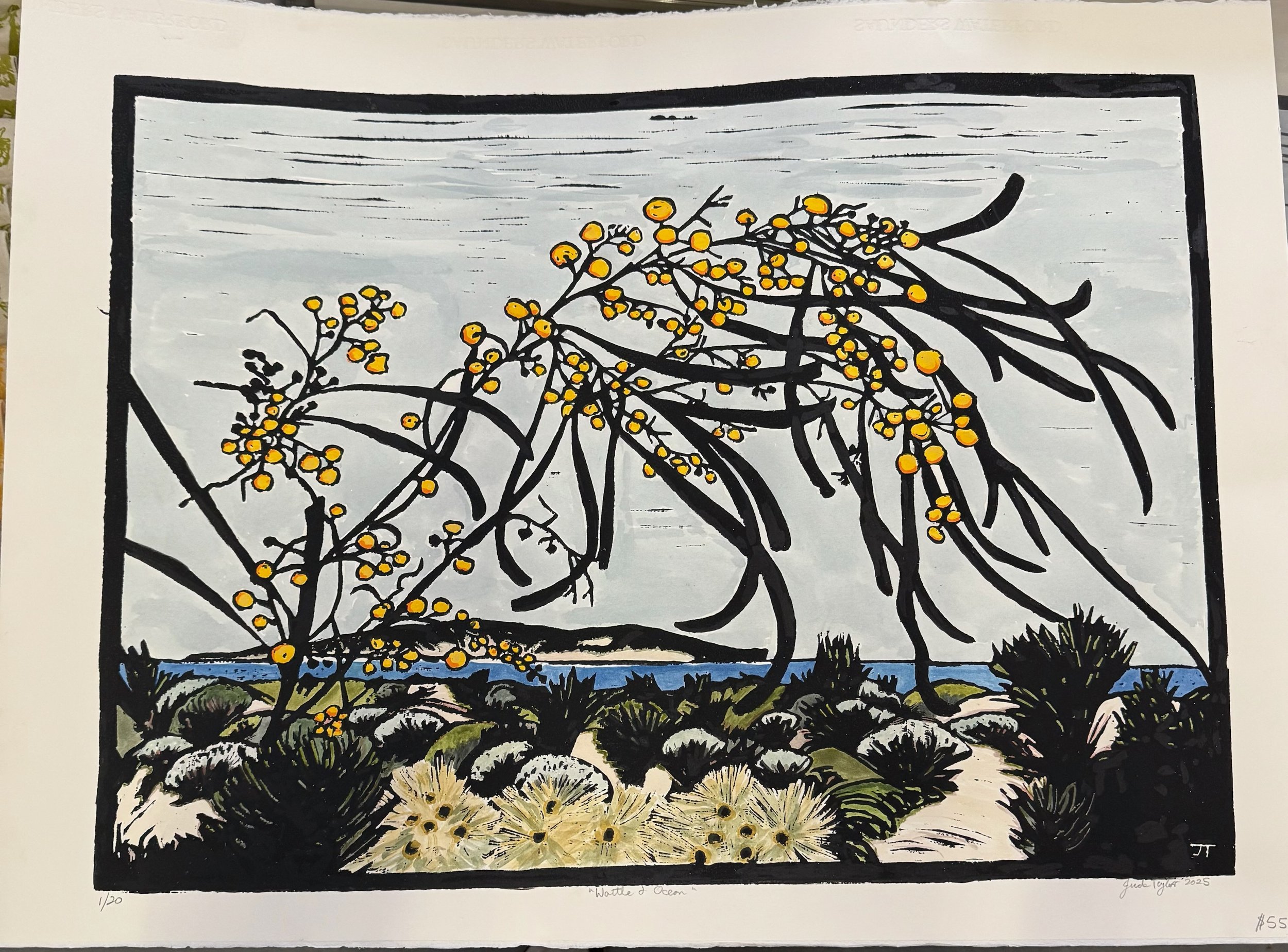
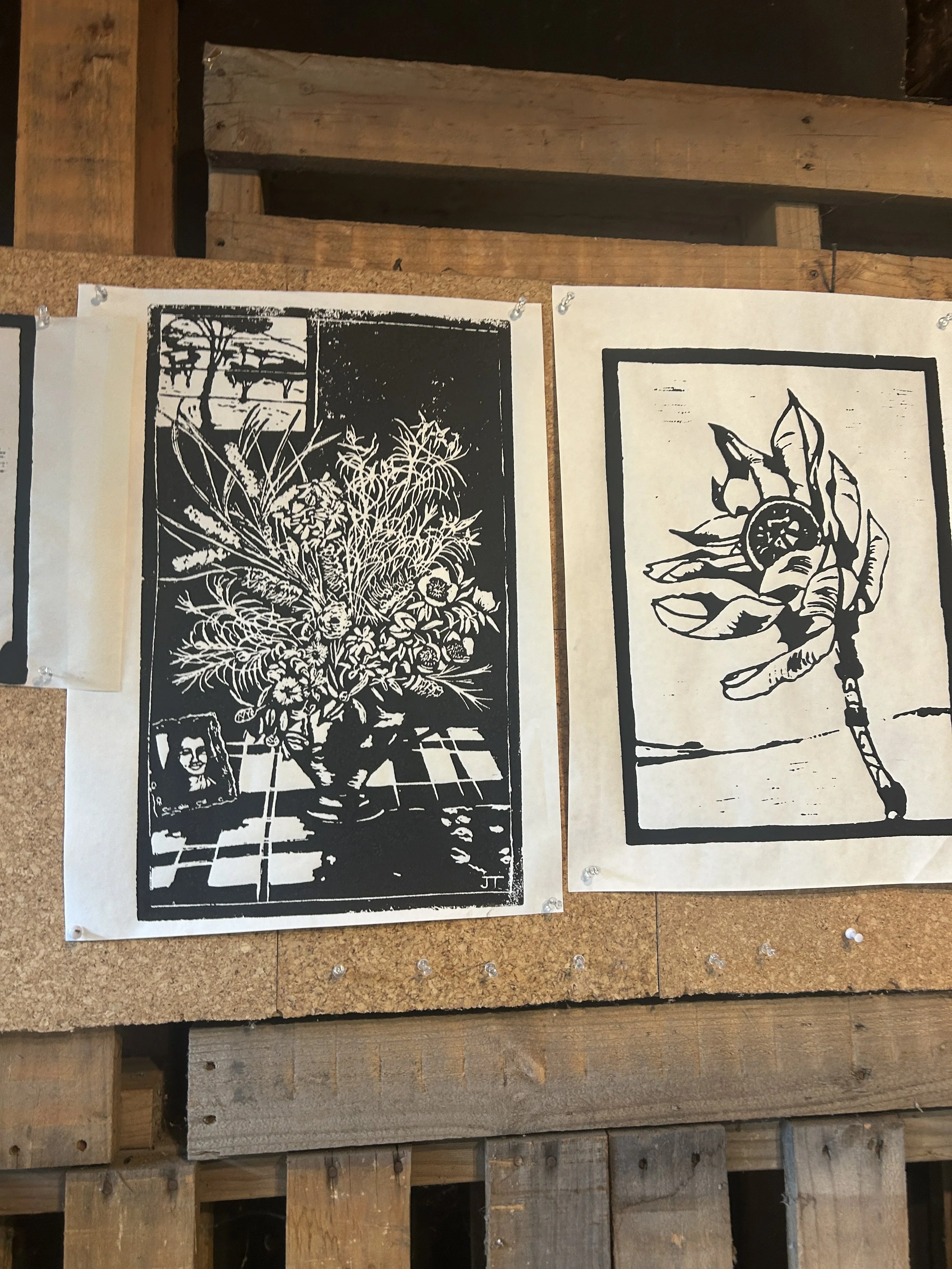
Summer Scented Wattle - Acacia rostellifera by Jude Taylor in Jurien Bay - north of Perth

Jude grew up in North Perth and remembers a time when there were fields and horses around her. Her love for for landscapes and wildflowers was inspired by these natural surrounding and regular trips out to country.

“As a young girl growing up in WA, wildflower season was always a great joy.

Her colourful and bold linocut artwork and prints reflect how they have inspired her.

“Western Australian women can relate to them. The flowers and the female experience have a lot in common.” she says.
”Having to survive surrounded by the rather harsh (male) environment and its a hard land - having to survive and managing to hold on to the feminine quality - both dealing with a similar situation and still supporting and trying to bring great joy to every one.”

”Wildflowers are a great asset to WA - their abundance, the quality and quantity, and they beauty.”

Jude Taylor prints - bold and vibrant.

Visit her studio in the Swan Valley for a display of her beautiful linocuts.

Jude’s studio is a creative landmark in the Swan Valley and she is a regular contributor artist at the annual Ravensthorpe Wildflower Show. Look for her there from 8 - 20 September 2025.

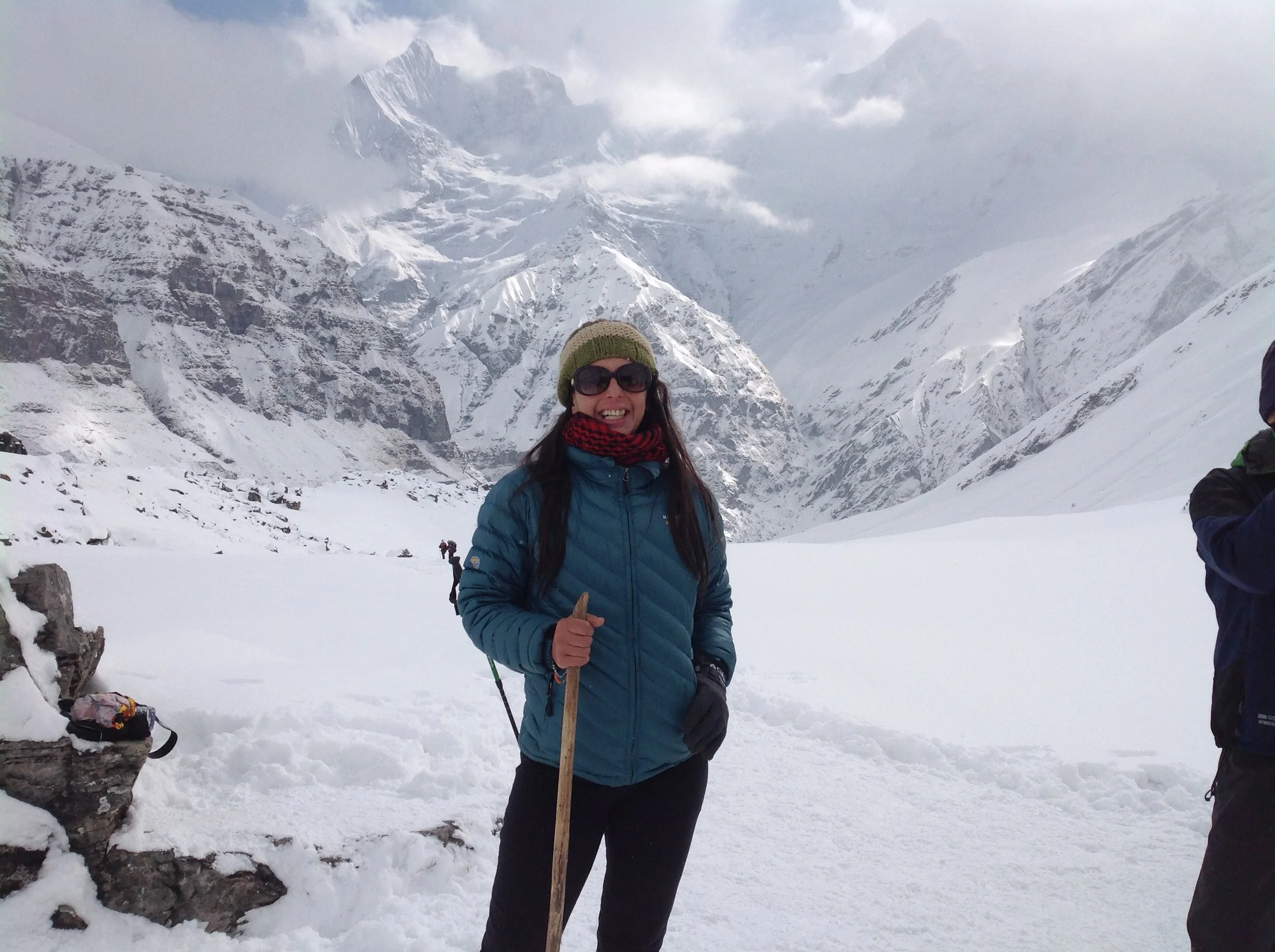
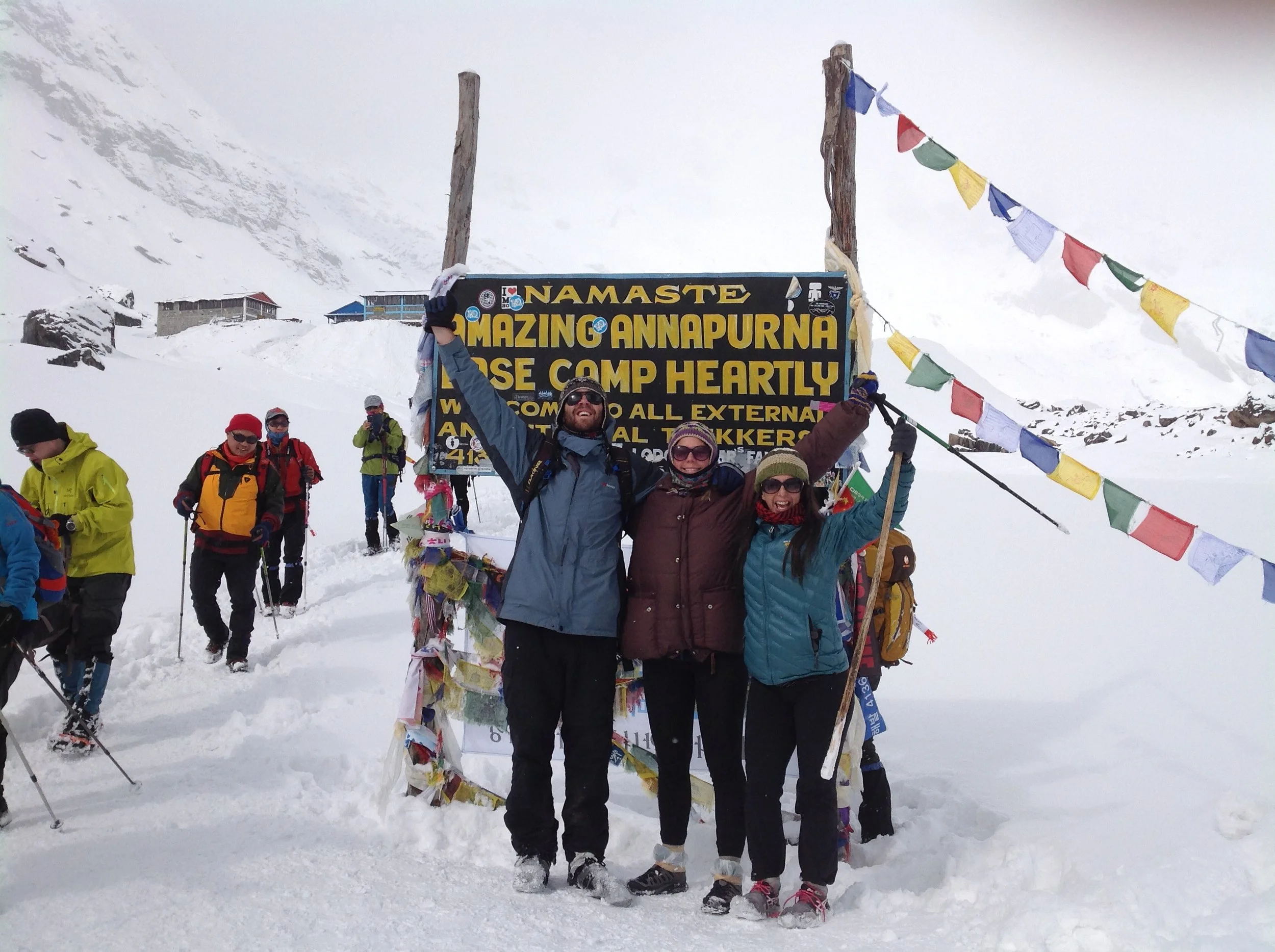
Annapurna Basecamp - with my hobbit walking stick!

Reflections on My Annapurna Hiking Experience - ultralight or ultra ill-equipped?

February 16, 2025

“Hey guy with hydration pack, 2 hiking sticks & North Face vest; my 5 yr old walked the same trail in Crocs carrying a naked Barbie. Relax.”
Jack Boot @IamJackBoot X 2017

My first multi-day hike was in Nepal.
It was very relaxed.

It was February.
On the spur of the moment, I decided to hike the Annapurna Trail.
I got minibuses, train, rickshaw and coach from Darjeeling to Kathmandu.

After getting a permit, I bought a map, a knock-off Mountain Hardware puffer jacket, a headtorch, and a small roll of duct tape.

In Pokhara I rented a sleeping bag.

In the taxi to the trailhead, the driver was chatty.
Heavy bag?
Not very, about 7 kilos.

You have guide?
No guide.

You have porter?
No porter.

You have raincoat?
No raincoat.

The driver smiled at me over the rear-view mirror.
He pulled up in front of a shop, got out and came back with two jumbo size black plastic bin liners.
If it rains, you cut hole. Put head here.
Thank you.
I stuffed them into my pack politely.

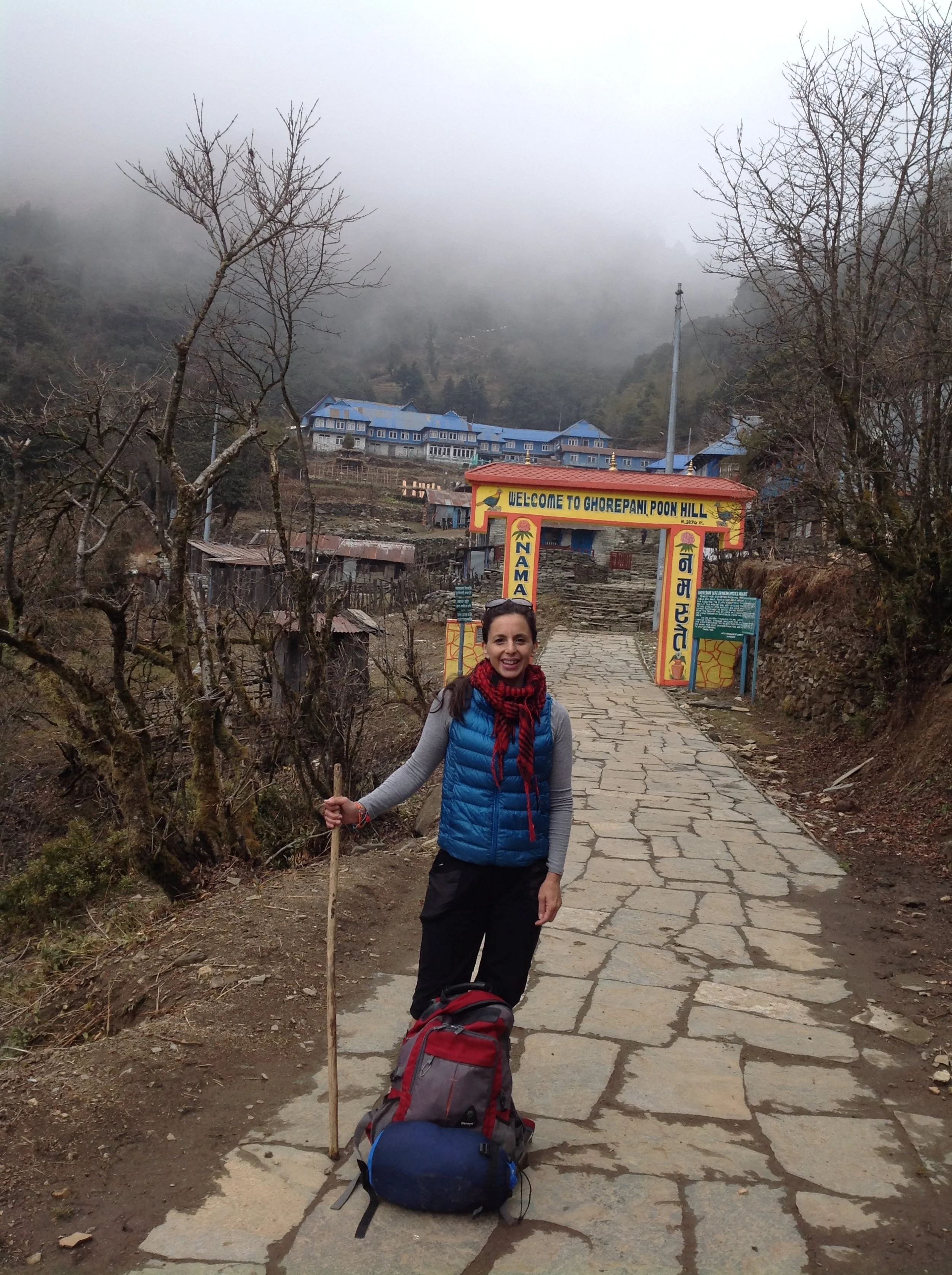
At the start of the trail, I bought a wooden walking stick for fifty cents.

In knee-length designer yoga pants, shiny white Asics, and extra absorbent cotton shirt; with the sleeping bag dangling under the China-made, no-name daypack, I set off to Annapurna basecamp.

Ultralight and basic, wooden staff in hand, relaxed and happy, like a hobbit.

I huffed and sweated up the rocky paths, dirt tracks and stone steps, happy with my choice to travel as light as possible.

When I hiked past people decked in Gore-tex, moisture-wicking technology and carbon fibre walking poles, I smiled to myself said Namaste and strode ahead.

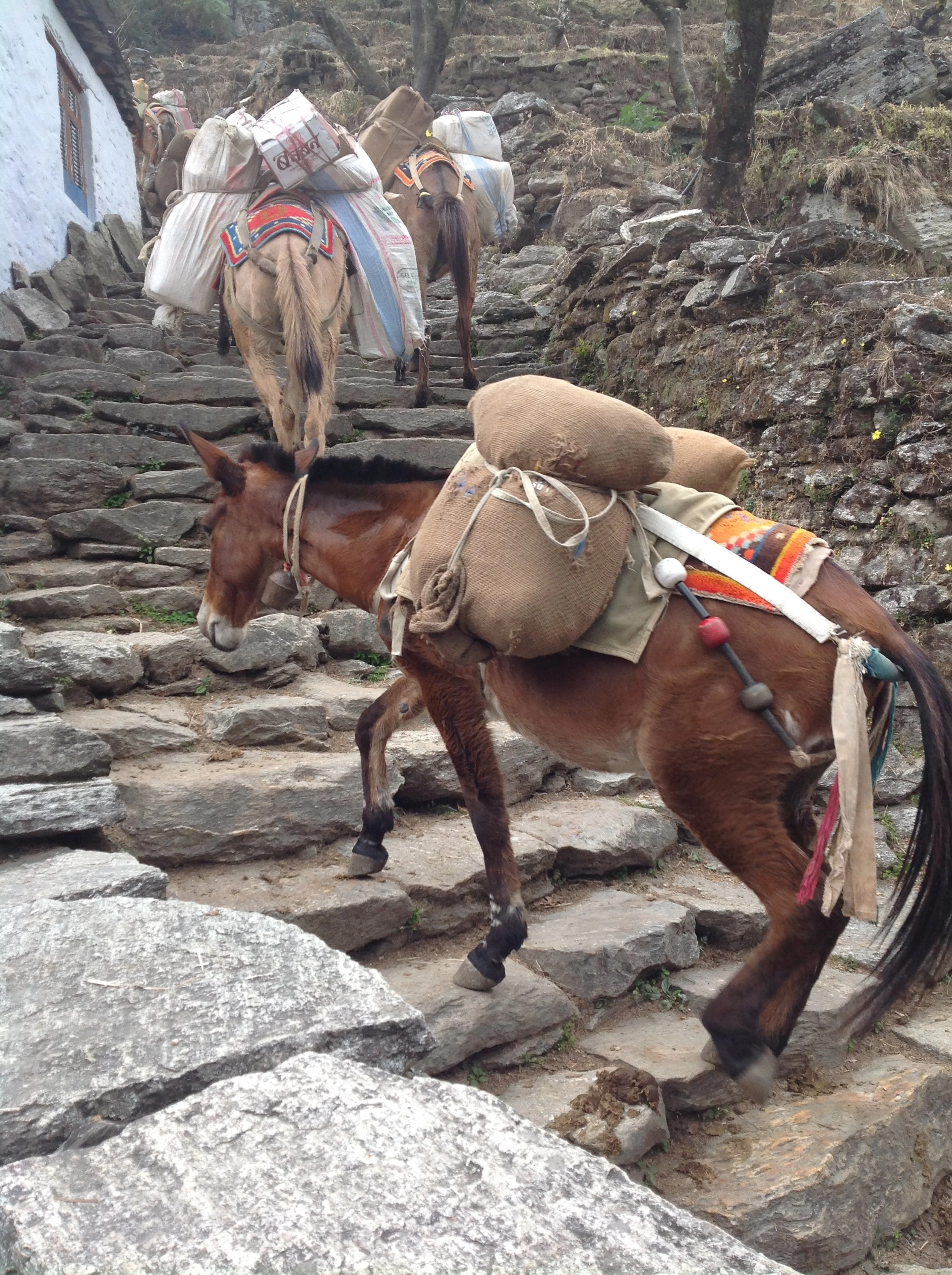
The Nepali porters didn’t have poles.
Few had boots.
They floated up and down the mountains in flip flops or plimsolls.
Heavy packs, double their height balancing between their shoulder blades.

No guide
No porter

Spontaneous.
Hardcore.
Relaxed.

The Annapurna Circuit is one of the most popular hiking destinations in the world.
The trail is clearly marked and well worn.

Along the way guest houses accommodate hikers, serve food, coffee, chai and have drinking water.
Some of them even have hot water for a shower.
In my mind it was a perfect trail to walk lightweight.

I knew it wasn’t easy.

Basecamp is over 4,130 metres. Pokhara is at 800 metres.
It’s over 3000 metres up.
It’s THE Himalayas – they’re the tallest, steepest, most changeable, and dangerous.

I knew that.

Annapurna Circuit Erika 2015
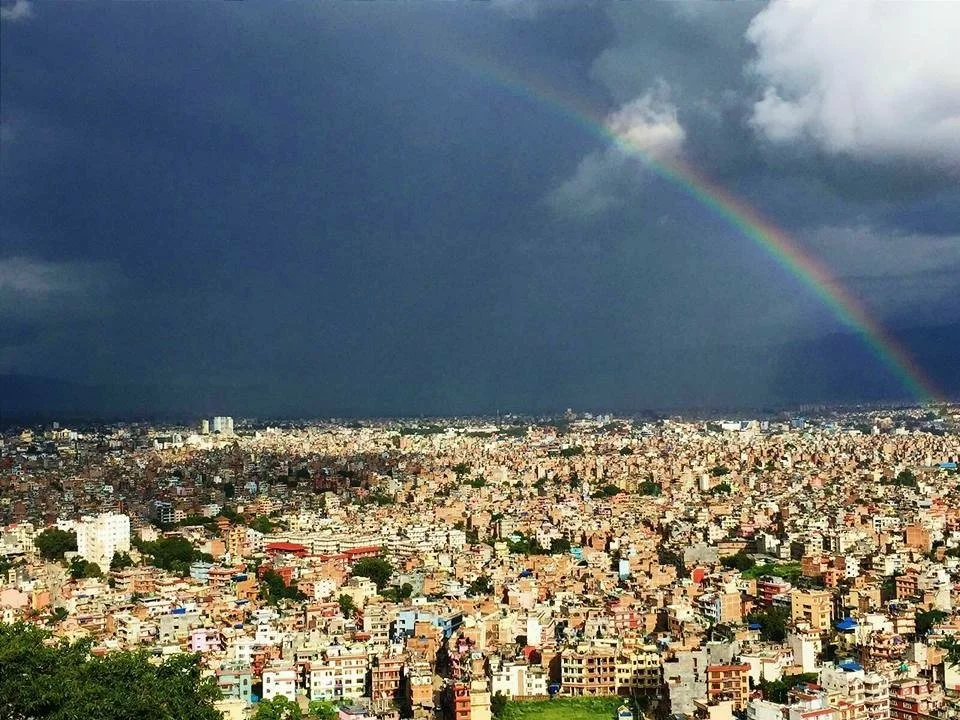
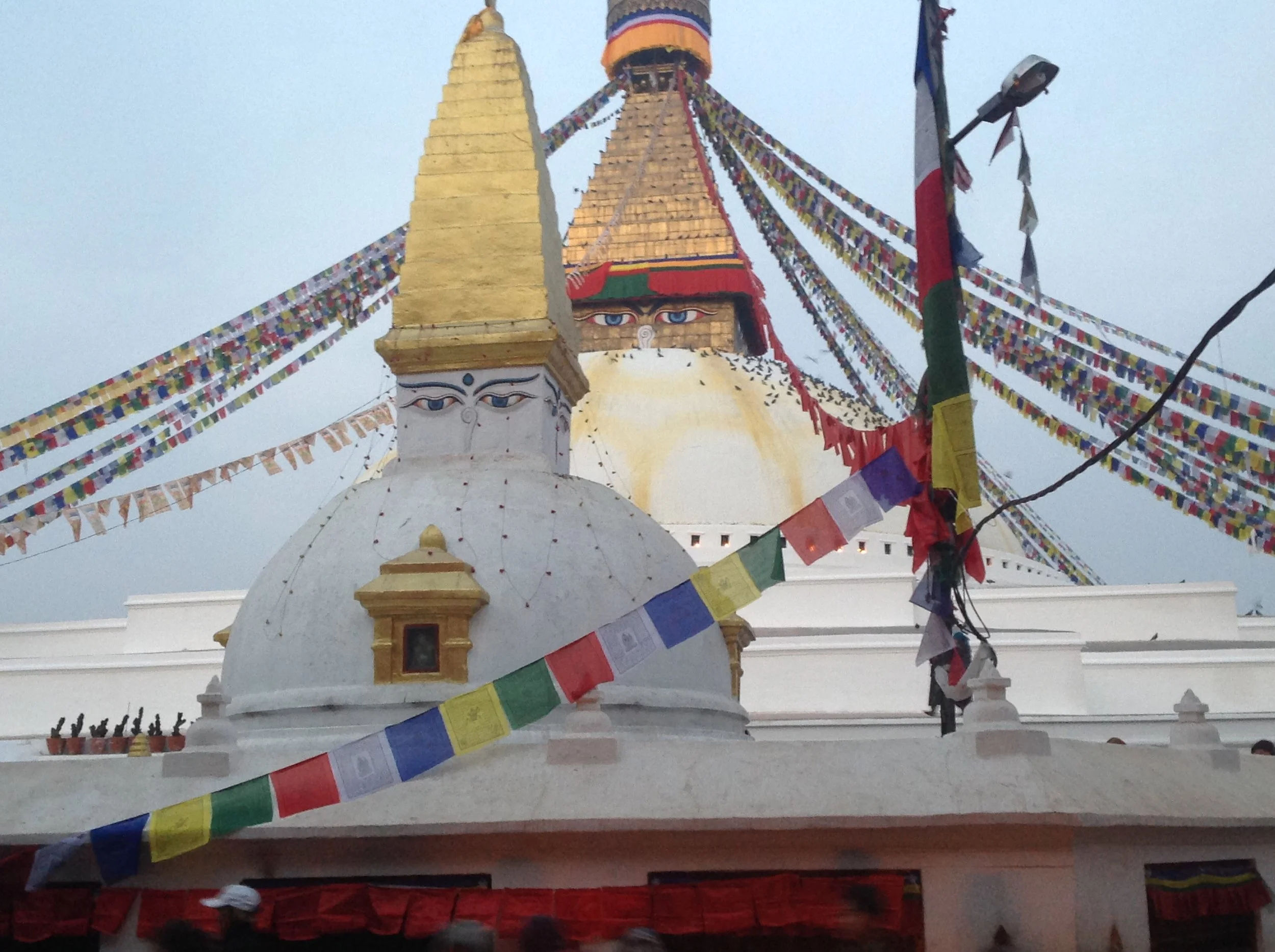
Kathmandu and rainbow
Annapurna 2015 socks.JPG
Anapurna 1.JPG

The stick

I knew the stick would come in handy.
At first, it was a nuisance.
Unaccustomed to using one, it bumped into rocks and got caught in bushes.
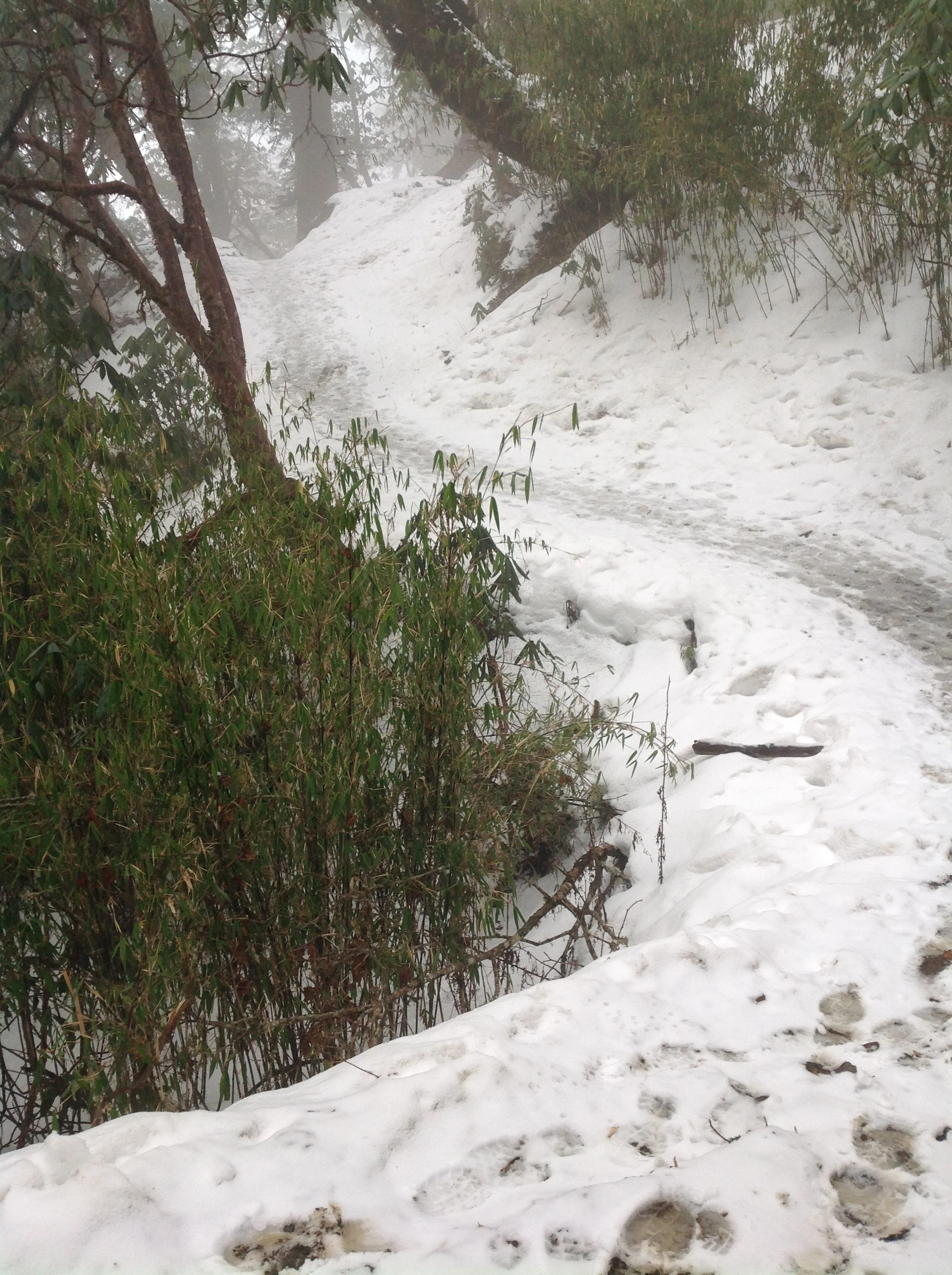
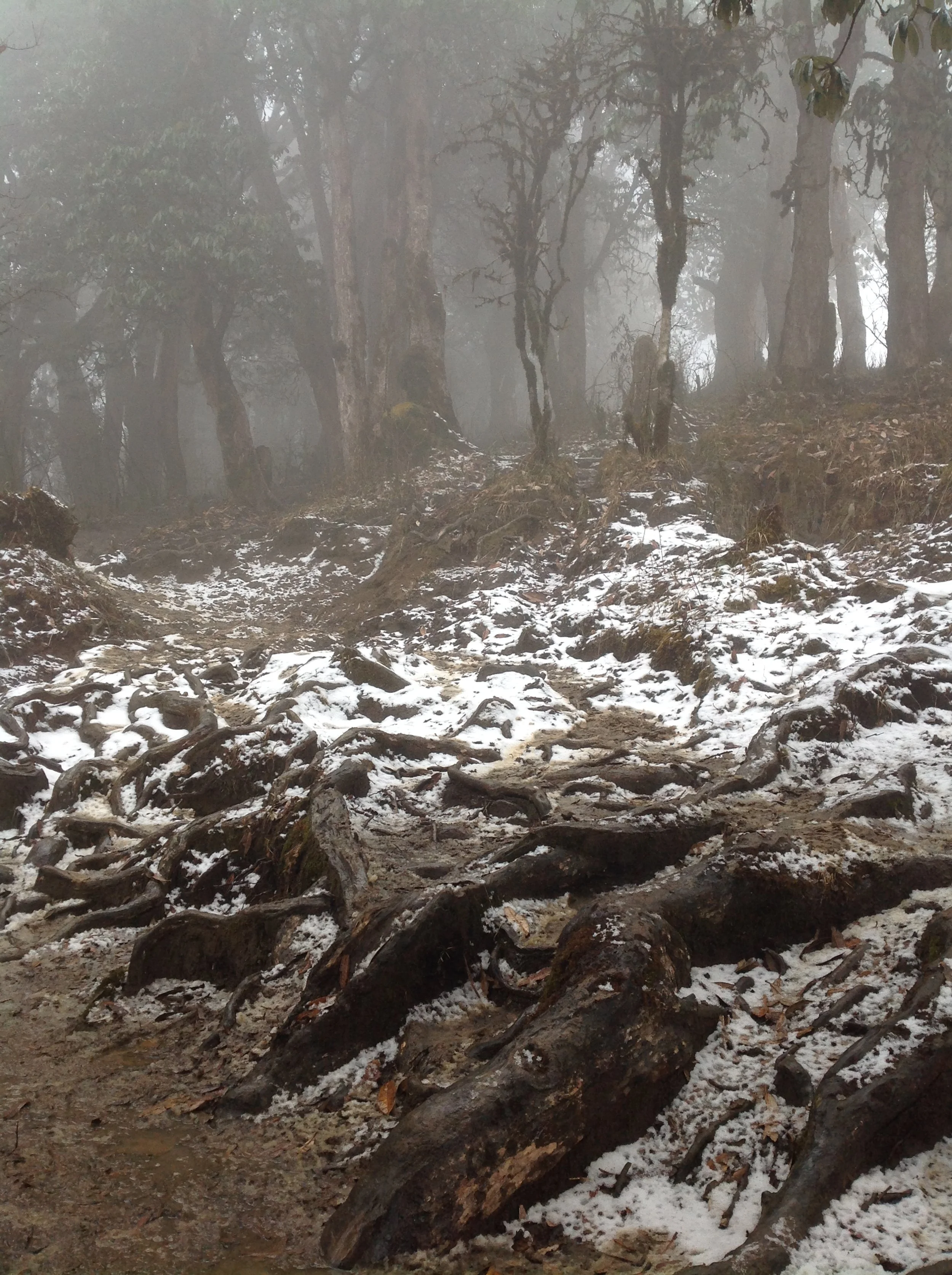
But then, when parts of the trail became slushy; when the icy, wet stone became slippery, when it was so foggy I couldn’t tell how close I was to the edge of the pass,
then I quickly learnt how to use the stick.

It was while tottering down one icy path that I met a group of friendly Nepali guides.

With the stick in my right hand, wedged between two small boulders; my right knee bent at a right angle while I tentatively moved my left foot further in front of me, down the path.
The stick shifted slightly.
I shrieked, wobbled, found my balance, and sat on the frozen ground.
I slid on my bum down the short section using the stick like it was an oar slowing down a canoe.

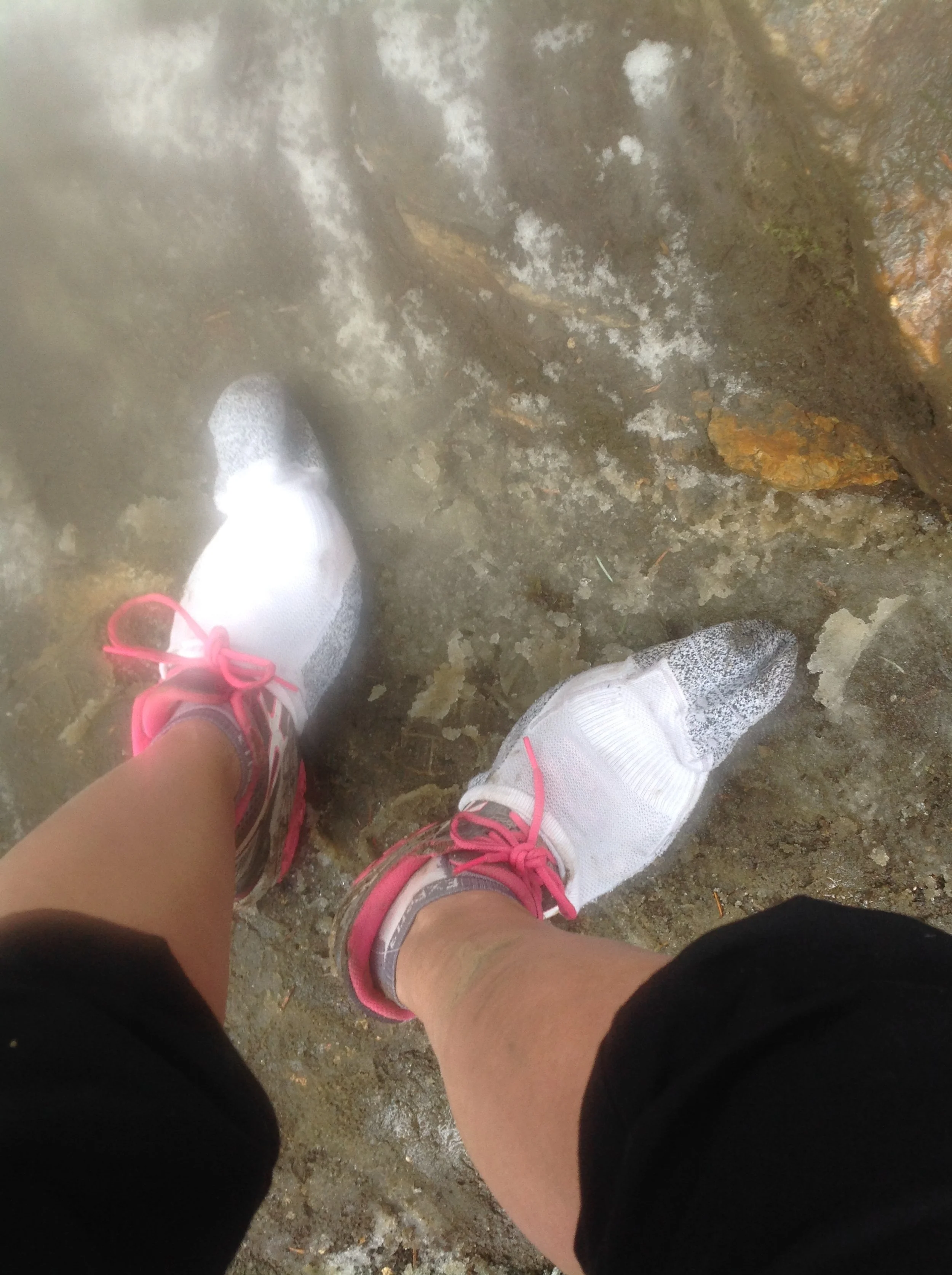
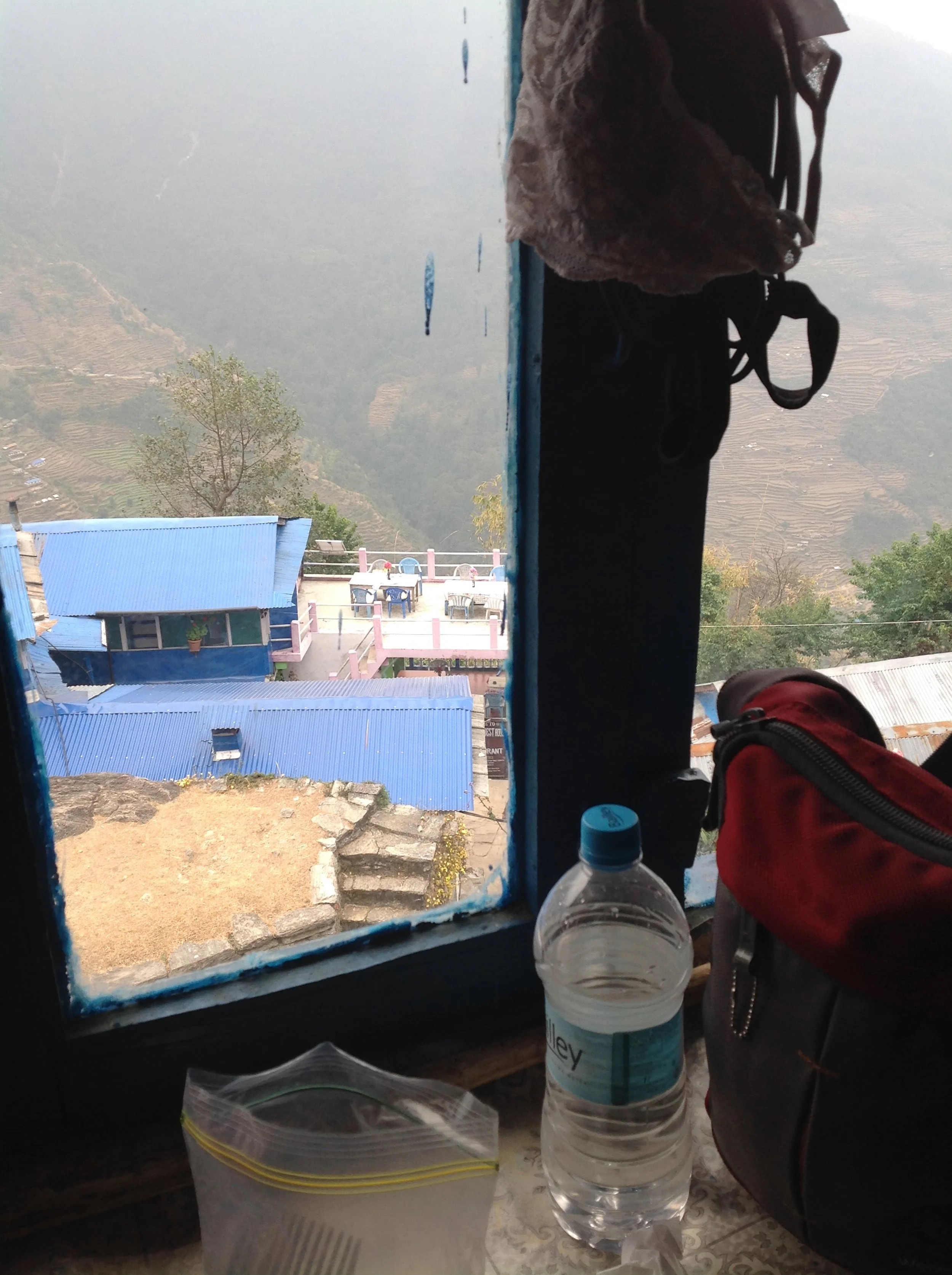
The socks

The local guides approached.

Namaste, they were all smiles.
Namaste! I had stood up by now.

You have guide?
No guide.

You have porter?
No porter.

You have crampons?
What?

They pointed to their boots.
He said something funny in Nepali to the other guys because they laughed.

Ok, you have extra socks?
I was confused but nodded.

Yes, why?
You put socks over your shoes.
You don’t slide – like crampons.
With their big smiles, they left.

I did as was advised.
Counterintuitively, I stretched some socks as far over my shoes as possible.

I stood up.
Well, what do you know?
Instant grip.

IMG_2153.JPG
Annapurna 2015 bridge.JPG
Annapurna Basecamp 2015 Erika 1.JPG
Annapurna 2015 donkeys .JPG
kathmandu 2015 5.JPG
Annapurna 2015 view.JPG
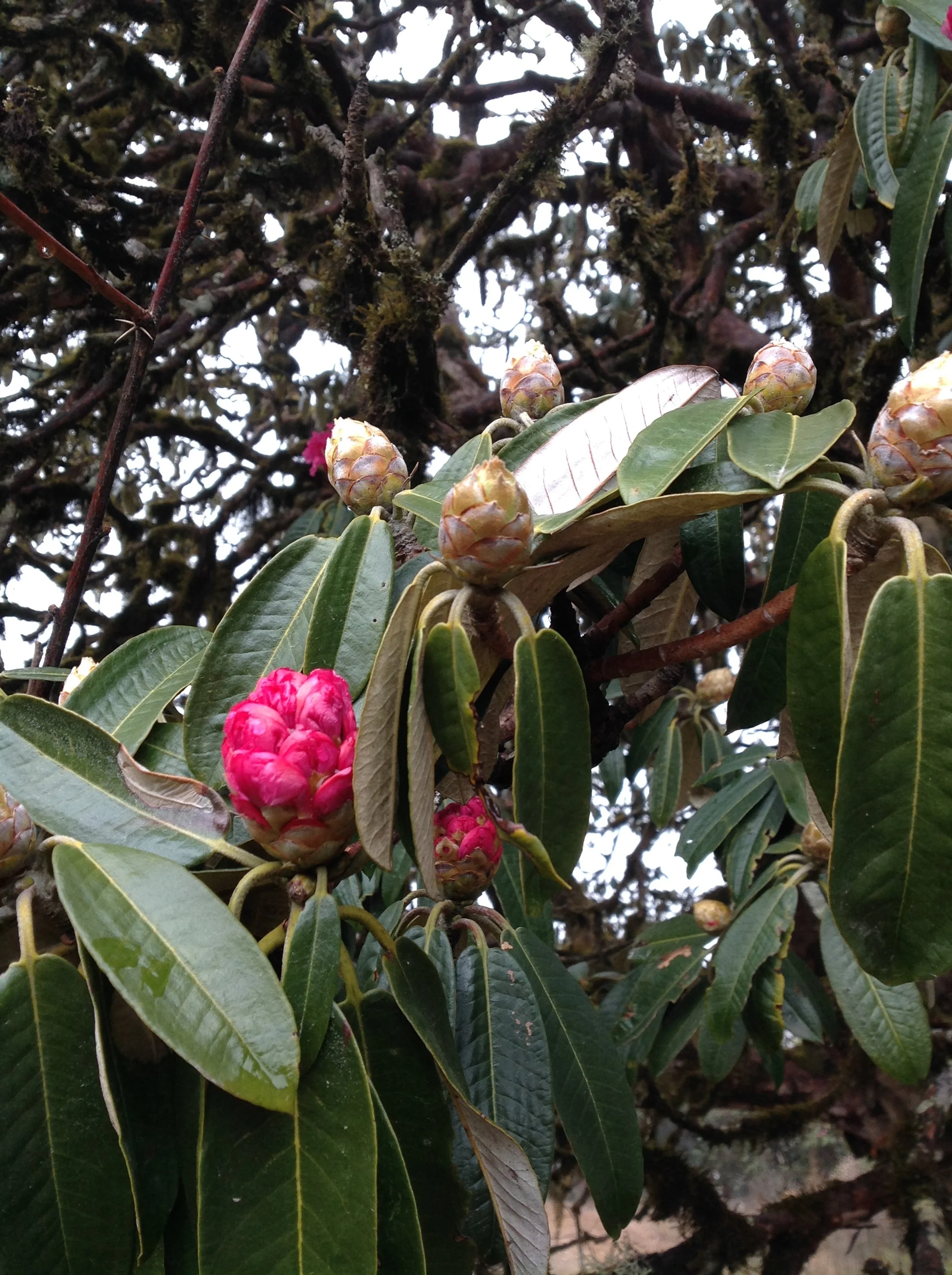
Rhododendrons Nepal 12015.JPG
Annapurna 2015 misty woods.JPG
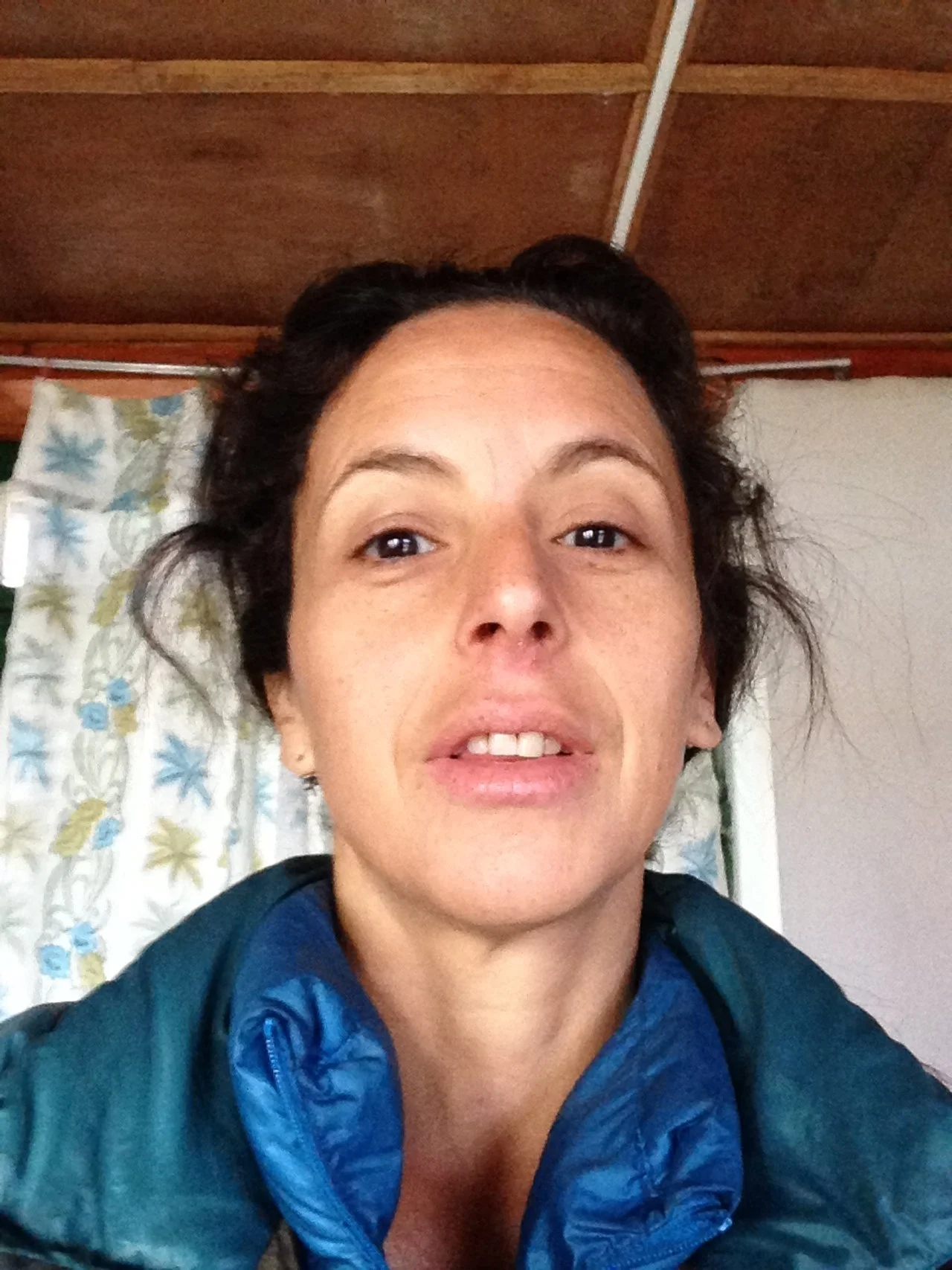
Annapurna Basecamp 2015 Erika 4.JPG

No guide
No porter

I made it to basecamp!
I was very, very pleased with myself.

The bin liner

Even the few drops of rain that started spitting down could not dampen my joy.
When the rain turned torrential, I shrugged and slid into one of the bin liners.
Then the wind picked up; the rain turned to snow, then sleet, then back to rain.
It got cold.
I put my celebration on hold and got serious about getting down safely.

That was the hardest day of the 9-day walk.
Each step felt precarious.
The black plastic flapped against my wet knees and slipped over my eyes.
The rain running off the poncho was going straight into my shoes.
It felt like my feet were under a tap.
Icy gusts of wind threw me off balance.
Despite the socks and the stick I slipped and fell several times.
The ponchos were in tatters.
Later I found out I’d just missed an avalanche that almost killed some Chinese hikers.

In the end I returned to Pokhara in one piece.
A run of idyllic walking days followed the downpour, and I went back to a state of mild euphoria.
In awe of the colossal mountains.
In awe of myself.

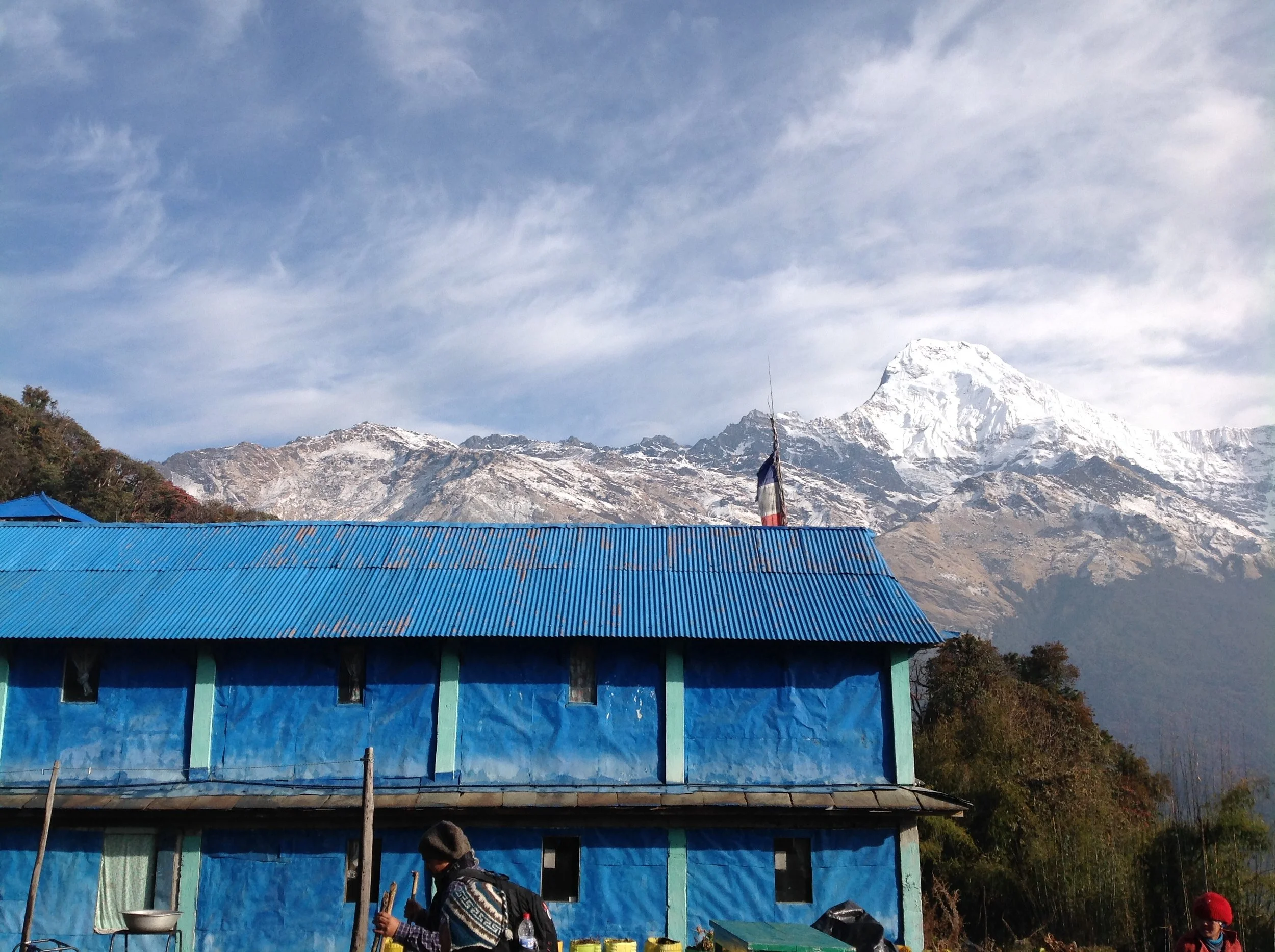
A stunning view of one of the Machhapuchhre Peaks from the Annapurna Circuit.

I was also very, very grateful.
I knew I hadn’t climbed Everest, and that I wasn’t wearing a pair of Crocs or holding a naked Barbie, but I wasn’t optimally prepared.
I’d bruised my whole body, had cuts on my legs and arms.
I’d destroyed all but one pair of socks.
My Asics were brown.

Benjamin Franklin might have tutted and disapprovingly said:
“Failing to prepare is preparing to fail”
He might’ve been right.

Ultralight or Ultra Ill-Equipped?
Spontaneous or reckless?
Hardcore or foolish?


Here’s what I would bring if I were to do this hike again:
- Wet weather gear - jacket/pants/pack cover
- Hiking boots/trail runners
- First Aid Kit
- Personal Location Beacon (PLB) / Garmin GPS - Emergency device|
- Crampons
- Walking Poles (2 of them)
- Quick-dry (wool/Smart wool) clothing
- Spare gloves

What kind of hiker are you?

Have you ever felt too relaxed on the trail?
Have you ever over-prepared?

READ Why adventuring out of our comfort zone helps us reach our highest potential

Back to Top
erika@edgewalkers.com.au

Fremantle - Western Australia 6160

+61 406 758 062
Adventure Tourism Trade Association Logo
Australia's southwest logo.jpg
Perth Airport Tourism Awards Finalist Ecotourism
tripadvisor_logo.jpg

At Edgewalkers we respectfully acknowledge all First Peoples of the land on which this business thrives. We pay our respect to traditional elders from the past, present, and future; we celebrate their culture, heritage, and identity and we aspire to promote and instill a sense of custodianship and responsibility for ‘country’ in all our activities and dealings.

Edgewalkers is a vegetarian company - one of the ways we are aspiring to reduce our carbon footprint.

Terms and Conditions


© Edgewalkers 2025. All rights reserved. Privacy Policy. ABN 59615095406

Edgewalkers Every Woman Expo discounts on our walks & retreats from 21-30 June