
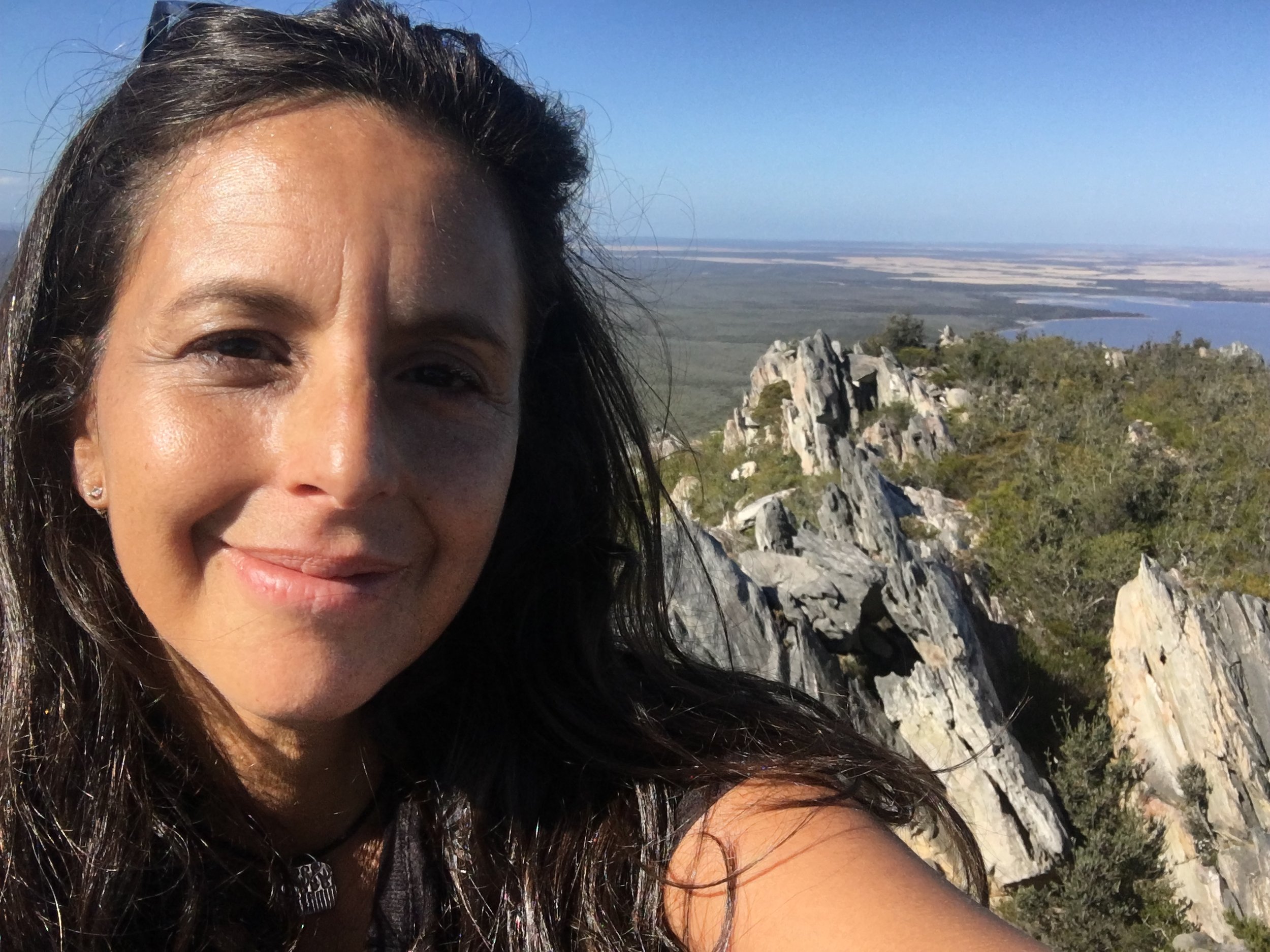
I don’t know when the spell struck.
Maybe it was when I climbed East Mt Barren and got a panoramic view of the Southern Ocean framed by sculpted quartzite and the radiant red of Barren Regelias.
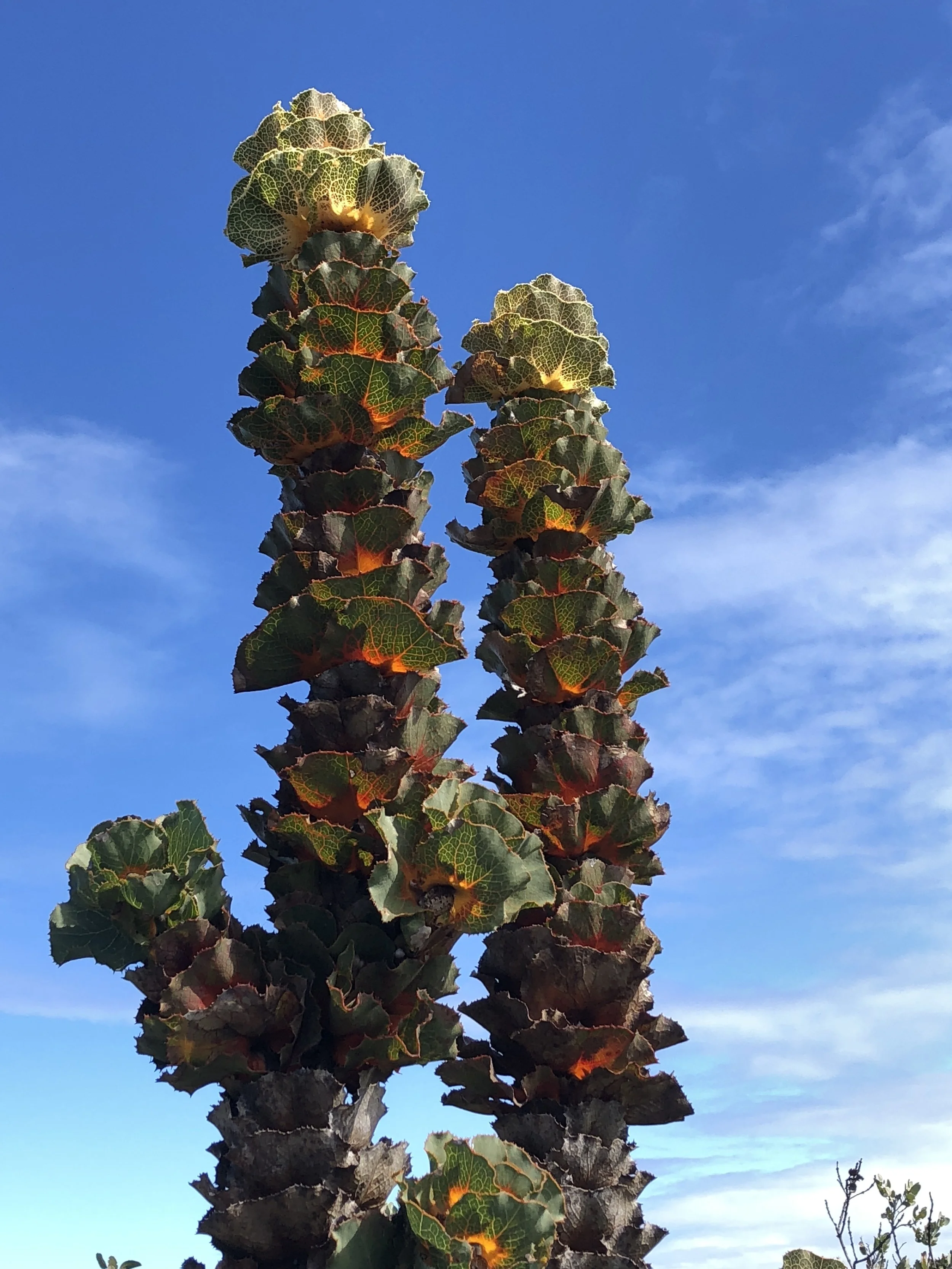
Hakea Victoria - Royal Hakea
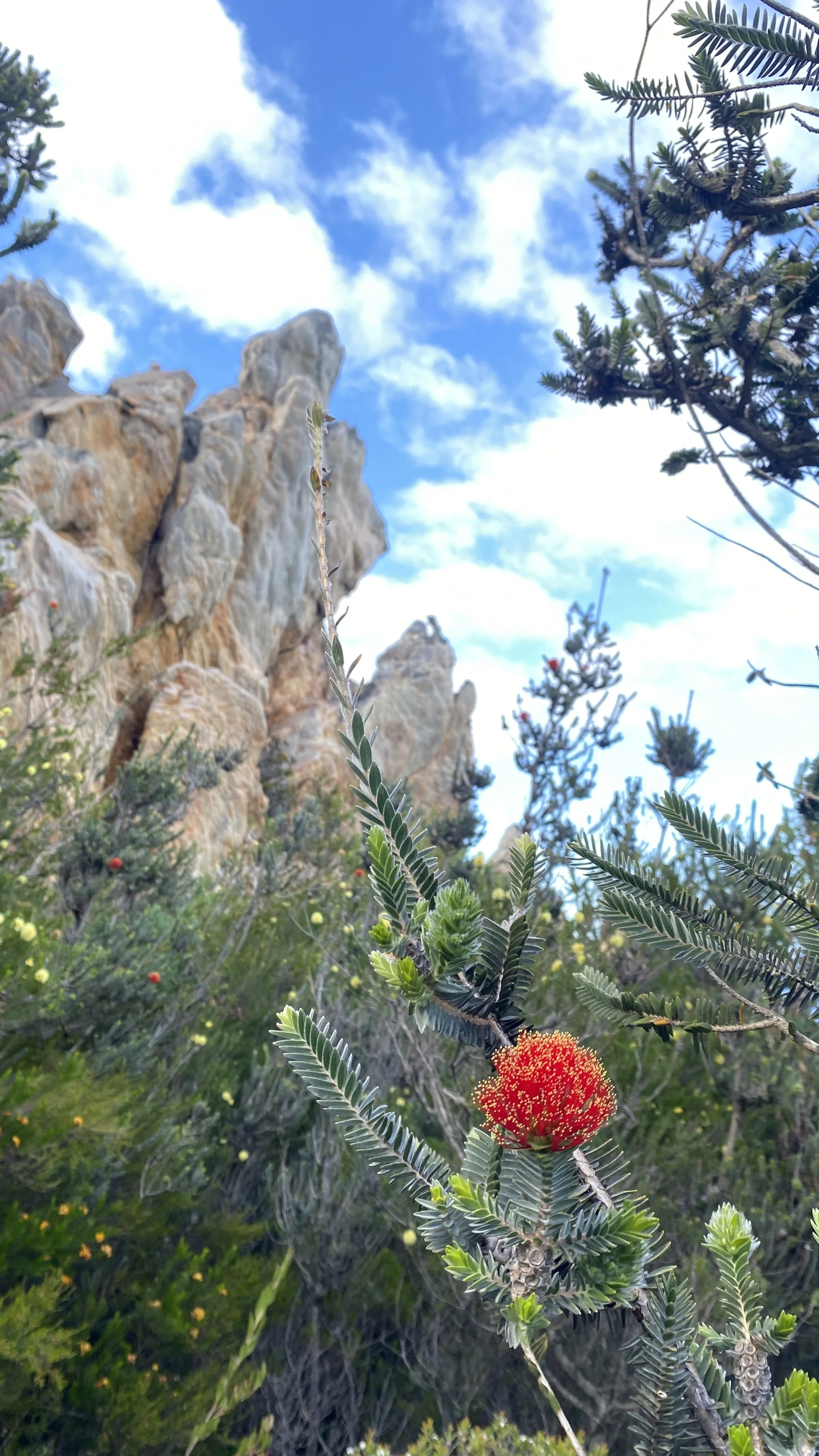
Regelia velutina - Barren’s Regelia
Maybe it was on the very first visit when I drove onto Quiss Road and got a glimpse of a Royal Hakea next to a Banksia caleyi and a Banksia coccinea.
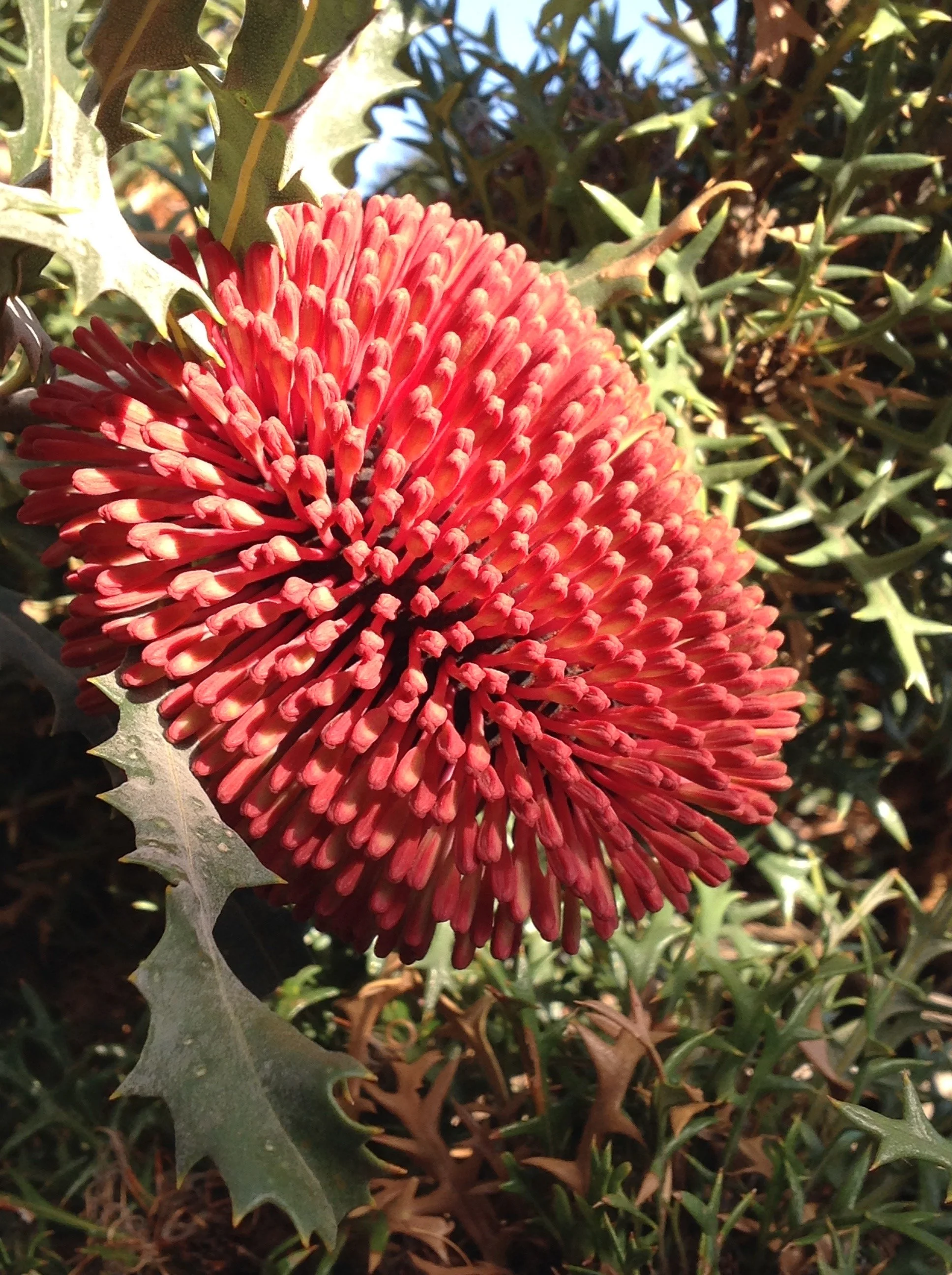
Banksia caleyi - Fitzgerald River NP
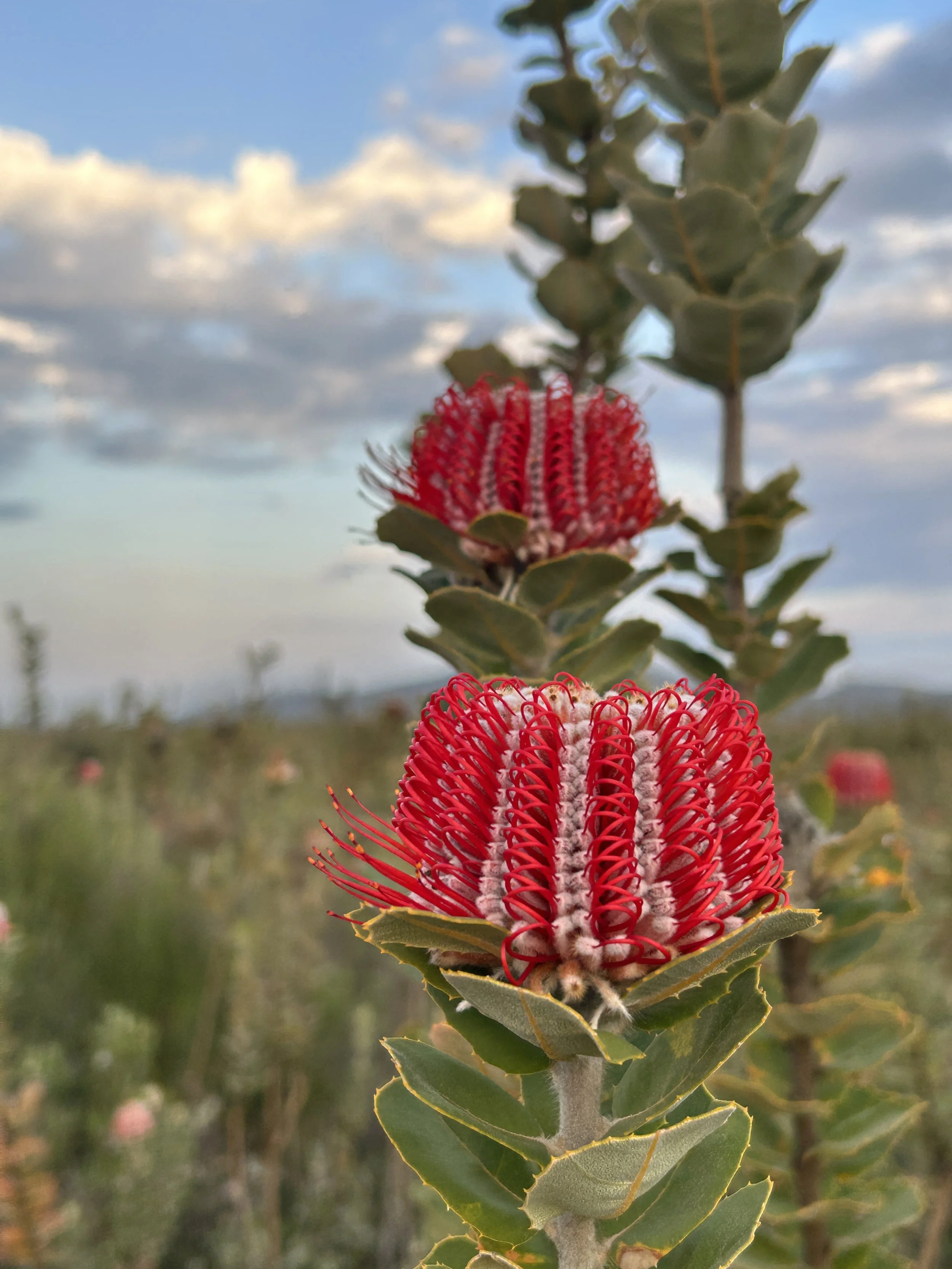
Banksia coccinea - Fitzgerald River National Park
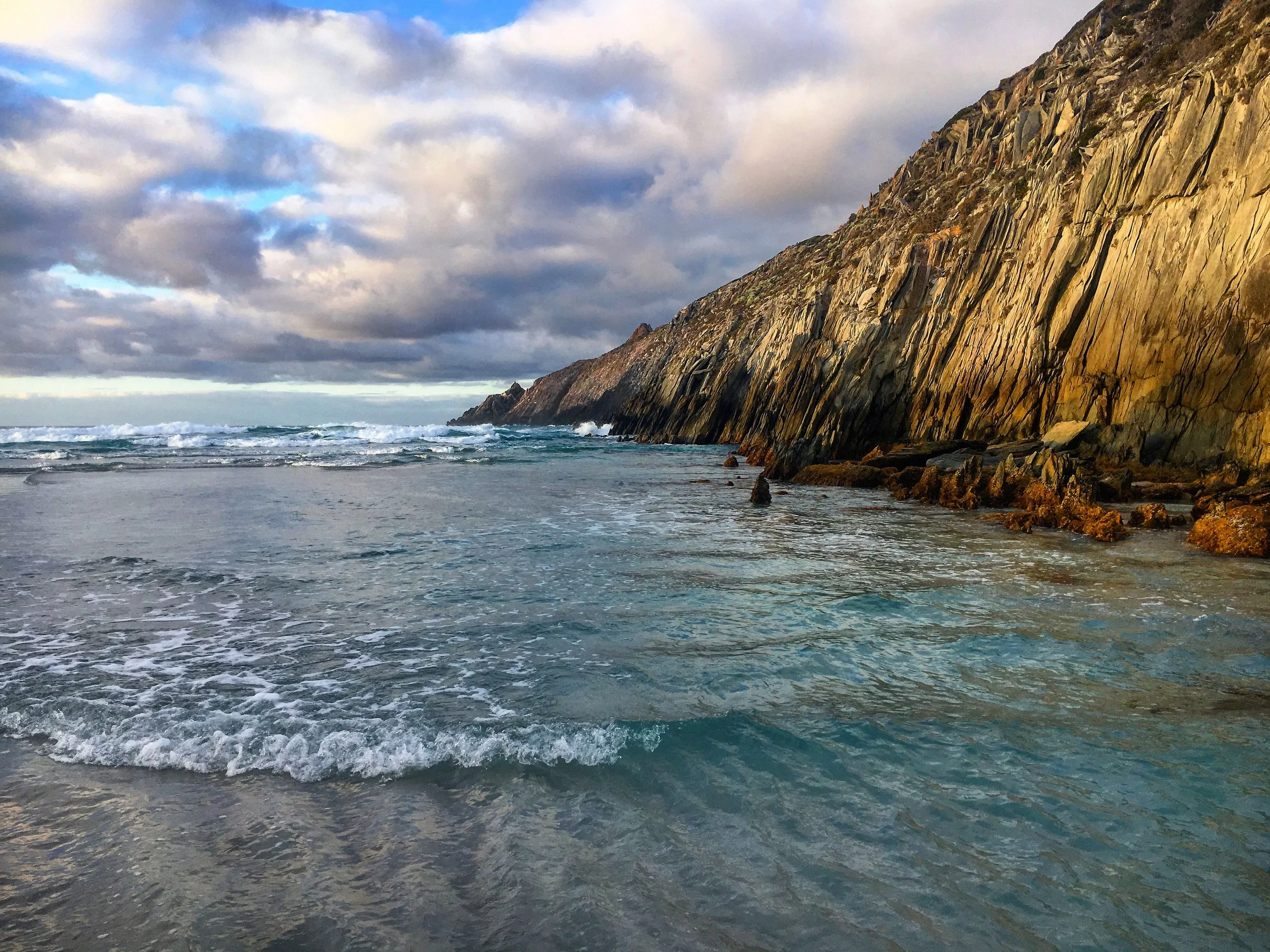
Whalebone Beach - January 1 2018
Maybe it was waking up on the first day of the year 2018 at Whalebone Beach with the Southern Ocean stroking the shores of powdery white sand.
Or after walking the Hakea Trail all the way to Quoin Head on the east side of the park.
Or the Mamang Trail all the way to the Dempster Inlet, past Point Charles, on the west side of the park.
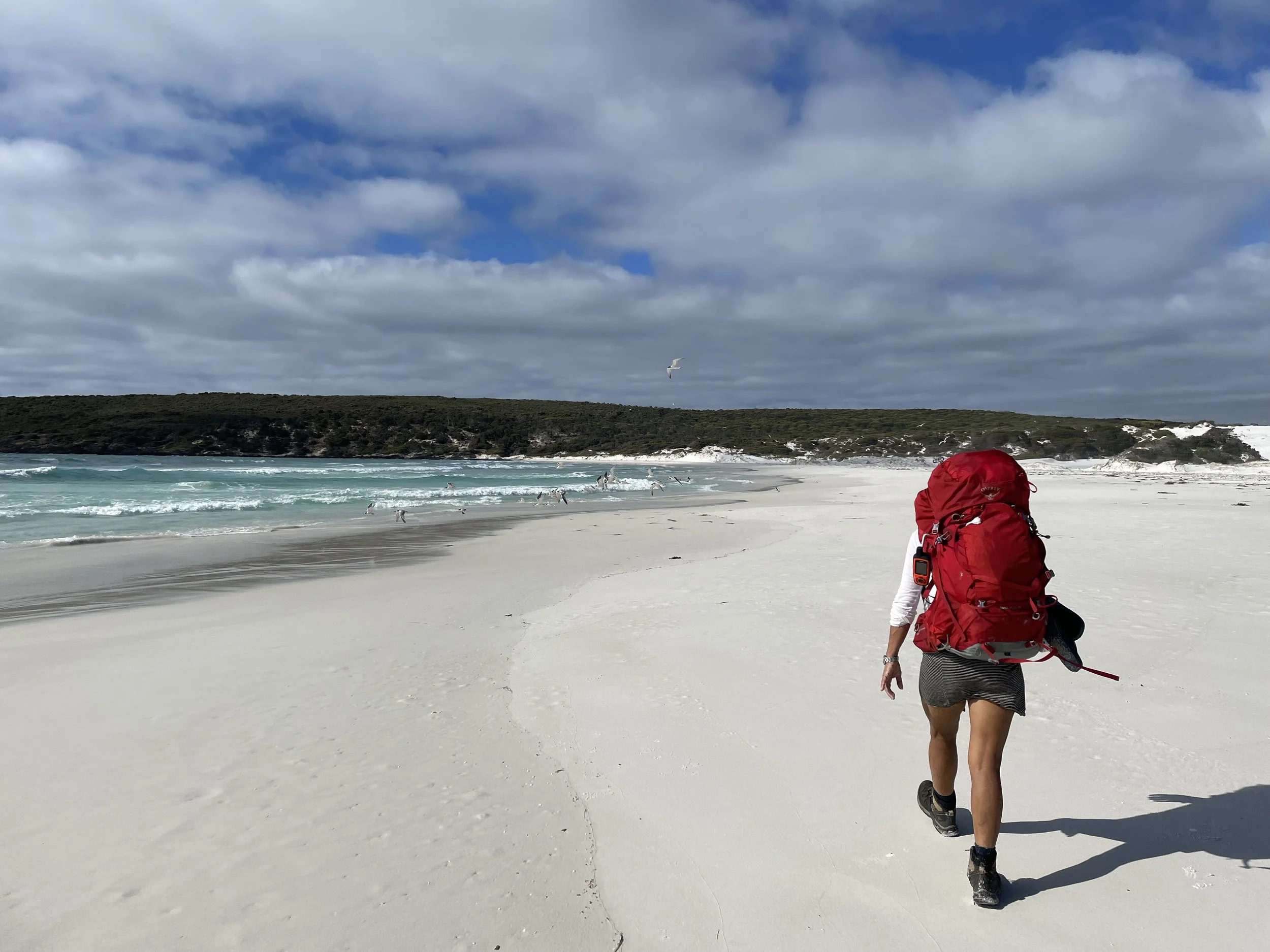
The Mamang Trail - near Point Charles
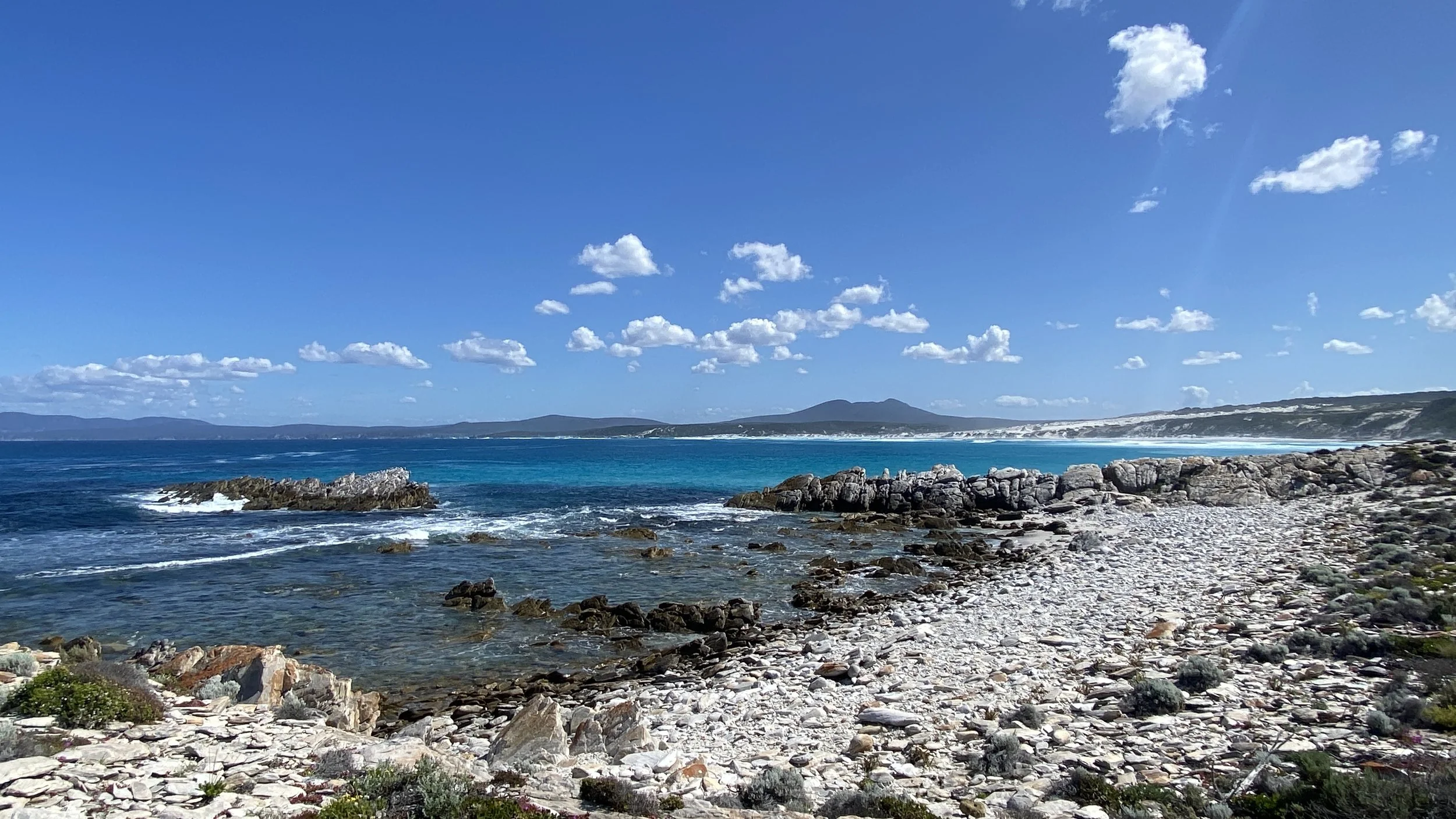
Looking west towards on the Hakea Trail.
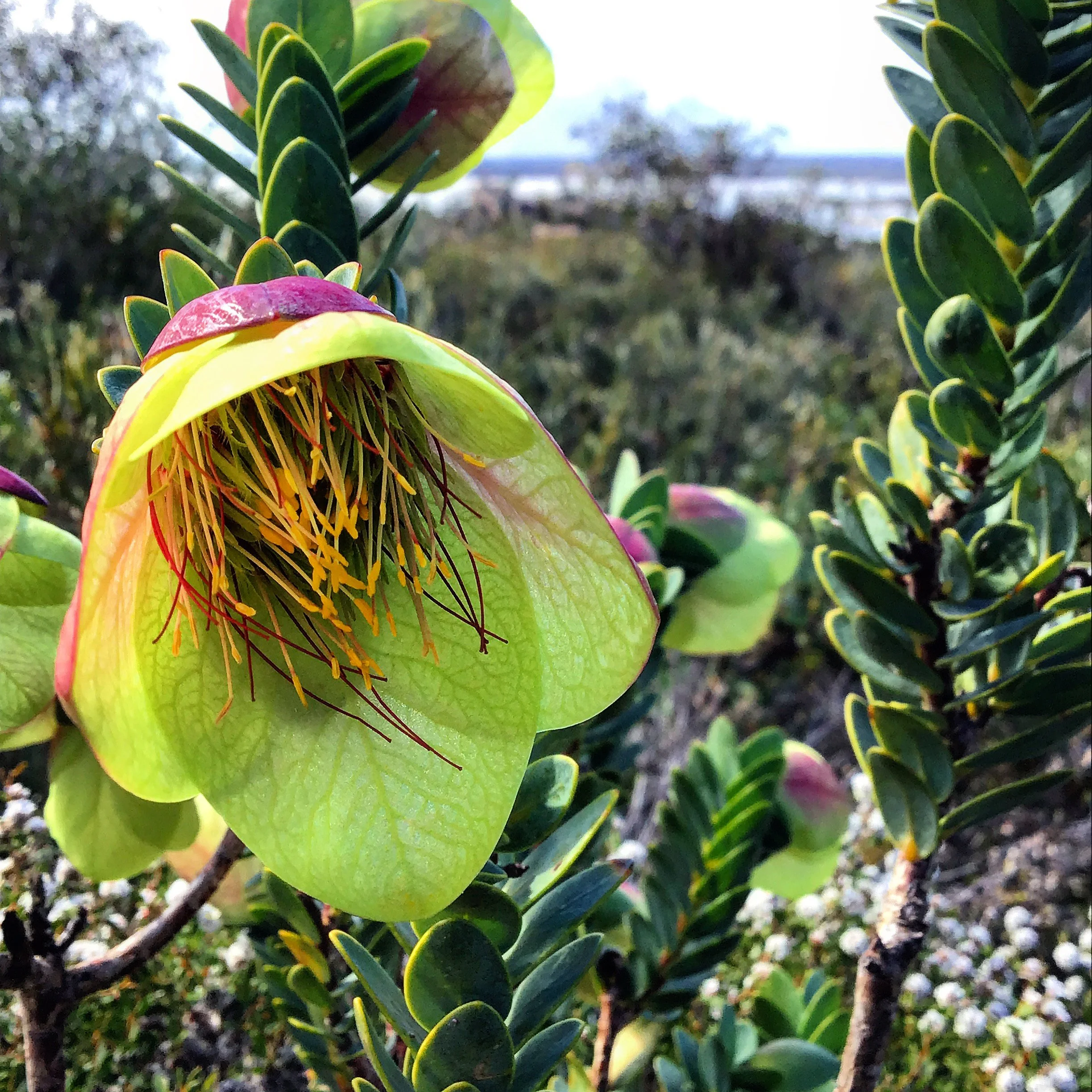
Qualup Bell - Pimelia physodes
Or when I first set eyes on a Qualup Bell.
Back then I knew nothing about it, which I wrote in this blog in June 2018 a version of which was published in Great Walks Magazine.
But I knew I'd never been anywhere with such diversity of flora, and I couldn't wait to see it in full wildflower season.
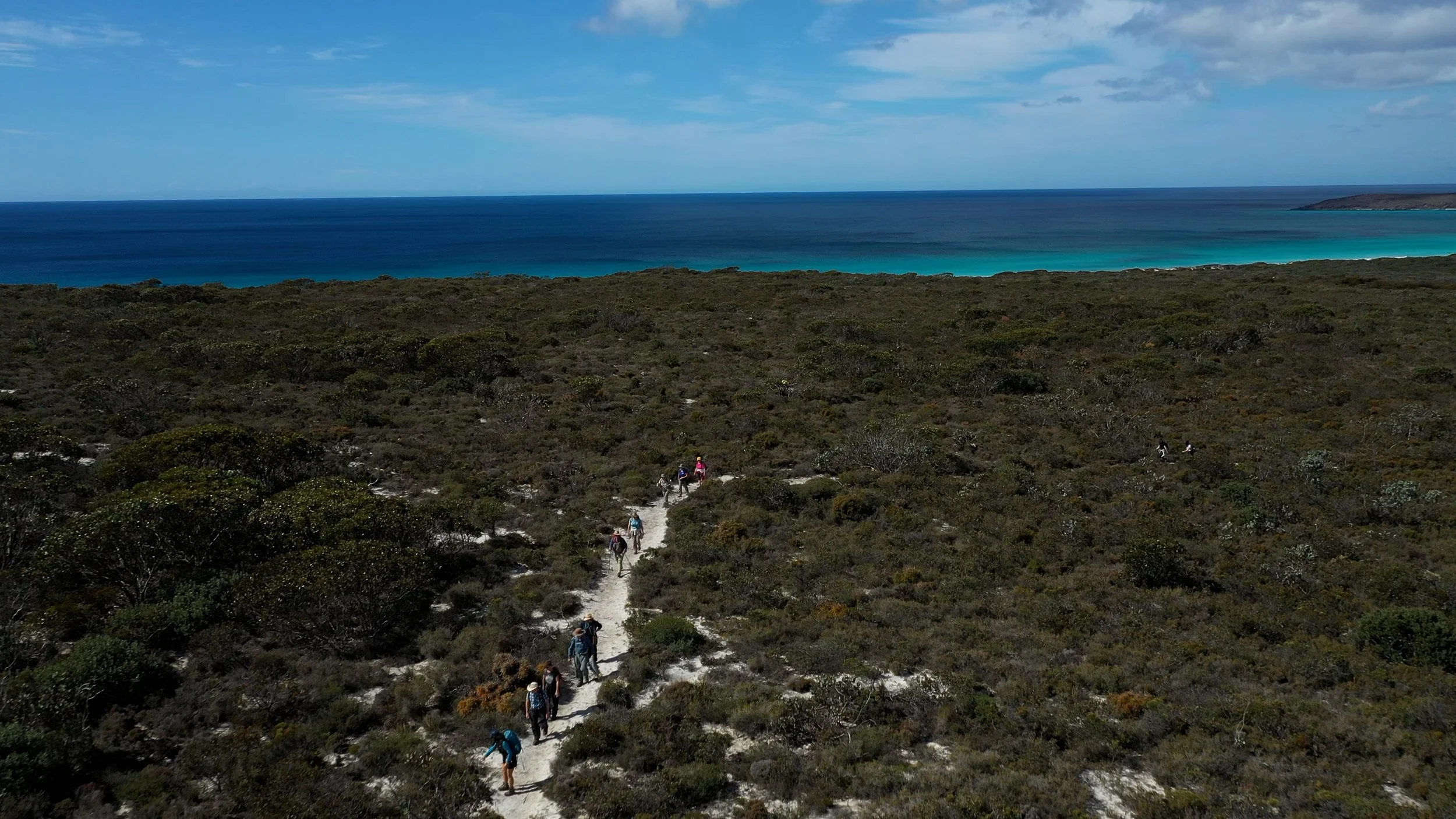
Walking with Wildflowers - Mamang Trail
Walking with Wildflowers
That longing became our Walking with Wildflowers adventure.
Every WA Djilba season (first spring in the Aboriginal seasons) I and other members of the team lead small groups through the Fitzgerald Biosphere, walking the same trails that first captured me: the Mamang and Hakea trails, over East Mt Barren, and through other stunning ares of the Fitzgerald Biosphere, and I never tire of watching guests fall under the same spell.
It has become our best selling walking adventure in Western Australia.
It's easy to see why.
There is no more intimate way to know a wildflower than to walk beside it in its own habitat.
To brush against them. To see them at eye level, to bend over them and admire their intricate details.
To feel the ground on which they grow, walk over the rock, the sand, the compact dirt.
But the longer you walk a place, the more you understand how fragile it is.
Love, eventually, asks something of you.
For me, that meant adding educational walking adventures to our offerings. Out Citizen Science Walking with Wildflowers adventure is the first event that will be intentionally educational and involve walking and learning practical skills.
My love for this place has turned into a mission.
And joining the Friends of the Fitzgerald River National Park.
The Friends of the Fitzgerald River National Park
‘The Friends’ have been caring for this park for more than half a century.
Their story begins in 1971, when the Ongerup Conservation Organisation formed to fight a mining threat to what was then an unmanaged nature reserve; the park was gazetted in January 1973.
In 1980 the group re-formed at the urging of the late botanist Ken Newbey, whose work in the area remains an enduring legacy. Their early goals were to lobby the state government to fund a biological survey of the park, support the rangers through working bees, and restore Twertup, the only historic building within the park's boundaries.
That survey was their first major research win, and it still provides the park's basic biological reference today.
This year tested all of us.
On 16 January, lightning sparked at least two fires in the park's Wilderness Zone. Over 17 days they burned around 173,000 hectares of the park and surrounds, including about 44% of the park itself.
Some areas have now burned two or three times in 36 years, and the park's kwongan heath and mallet and moort communities are especially sensitive to short intervals between fires.
Kwongan - a Noongar word referring to the ancient heathlands of low scrub vegetation on sand plains in the southwest of Australia like most of the Fitzgerald River National Park. They usually dominated by flowering plants from the Proteaceae family like Hakeas, Banksias and Grevilleas. It can also refer to vegetation found on other soils with other species like Myrtaceae, Fabaceae and low shrubland.
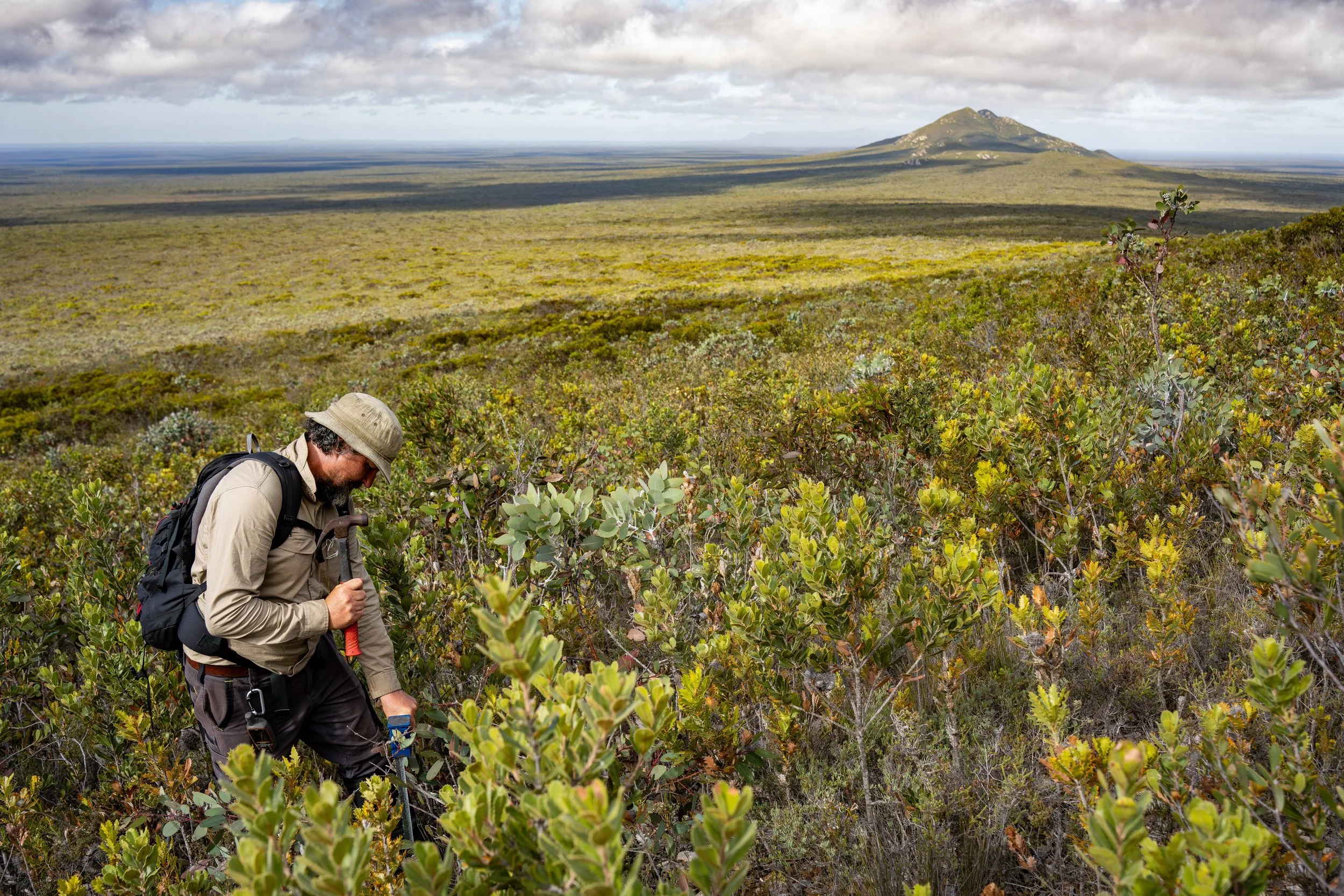
From advocacy to evidence
What I admire most about the Friends is that they don't just raise the alarm; they build the evidence for change.
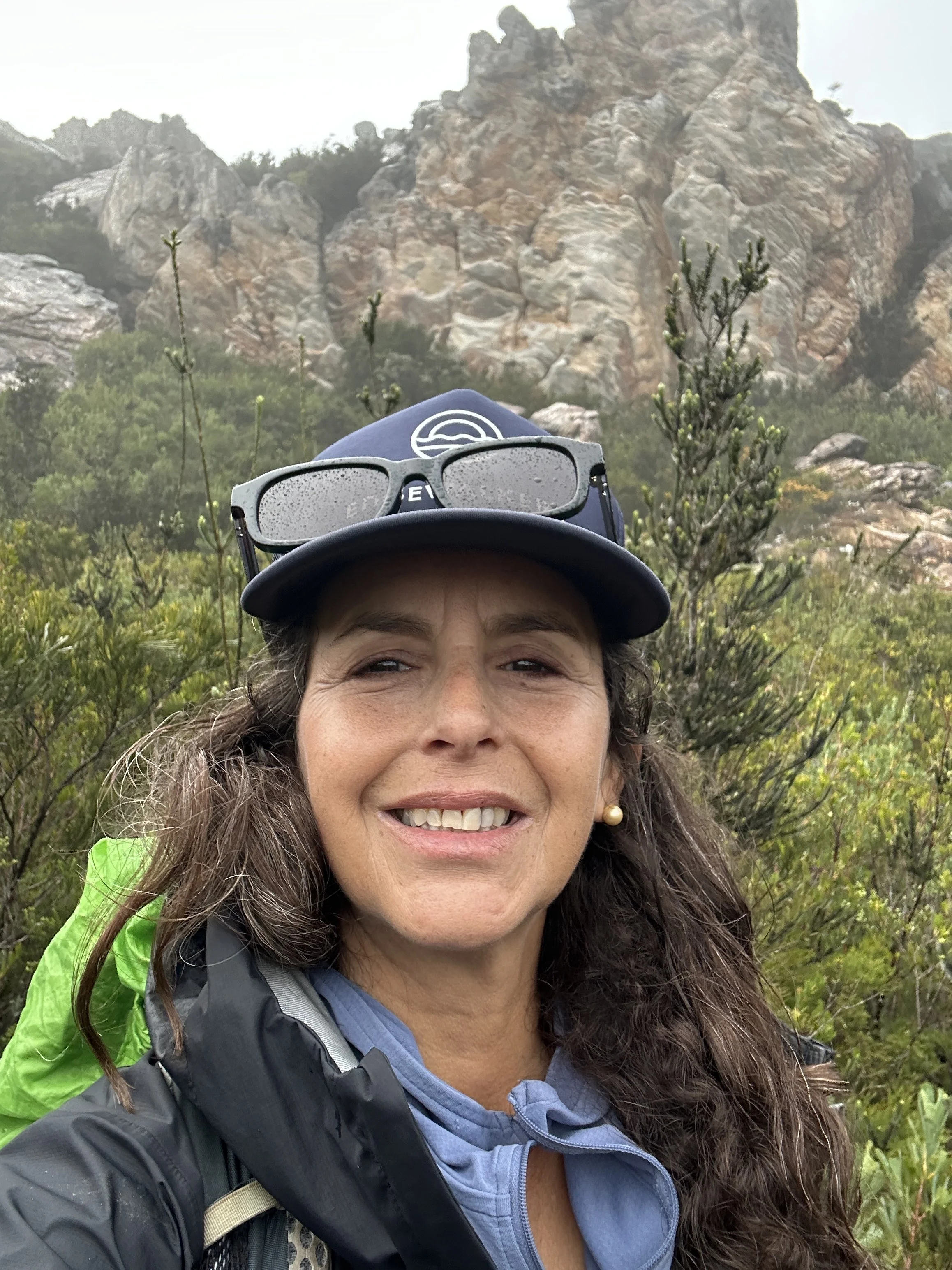
On East Mount Barren - September 2026 - one week before writing this blog. Still fining joy in every walk through the Fitzgerald River National Park.
The love affair has turned into a mission to protect, educate and restore this wonderful place.