
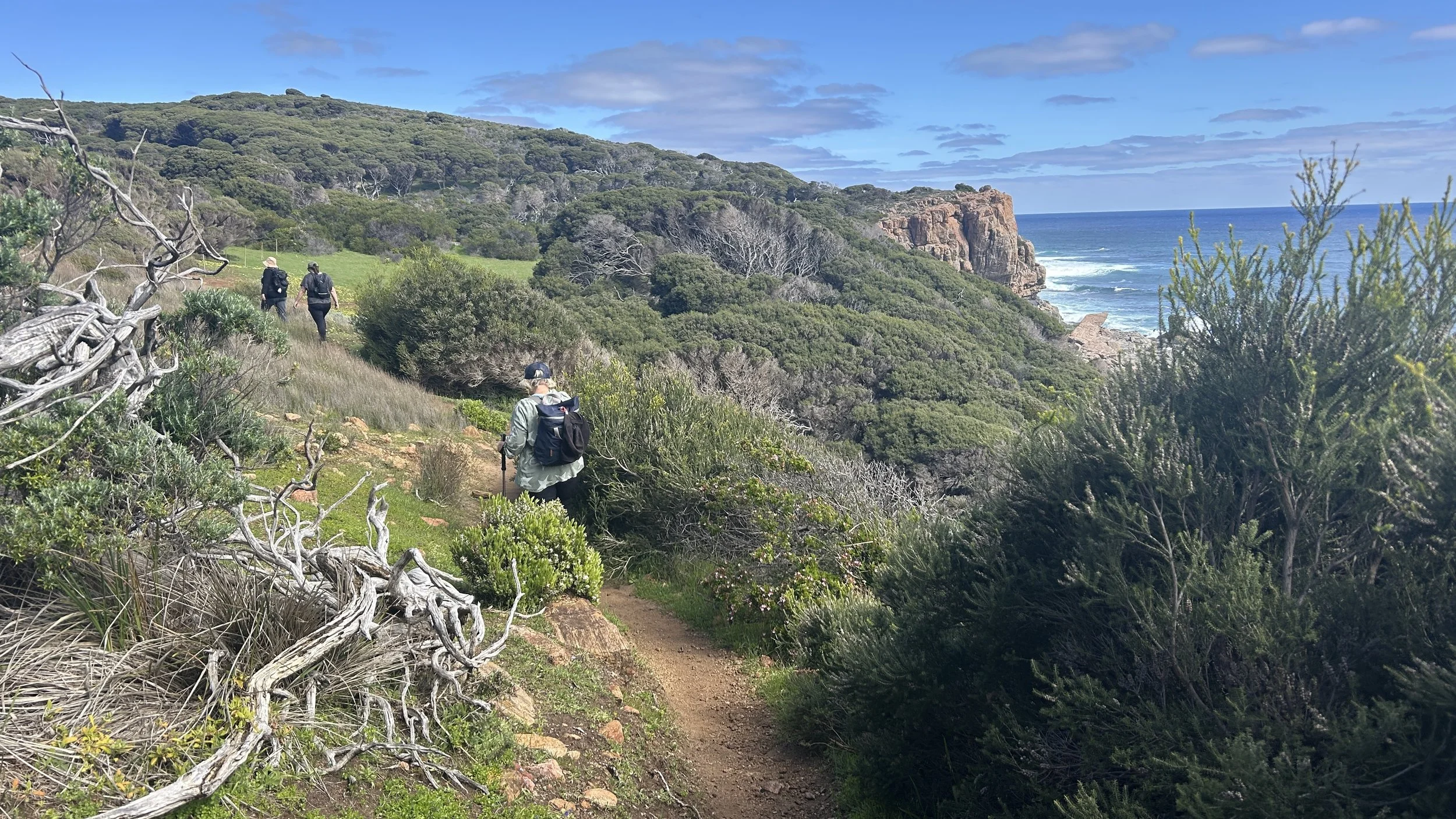
Every year, when I find myself once again on Cape to Cape I like to stand above the Wilyabrup Cliffs and watch the Indian Ocean throw itself at the coast with a force that makes me feel small and full of awe.
The Cape to Cape has come to mean a lot to me and to all of the people who have walked along its rugged and wild stretches. Everyone has different reasons for returning to wild places.
Here are four more reasons why you might also want to keep coming back to the spectacular Cape to Cape track
1. The Cape to Cape is wild
The Cape to Cape Track runs for 125 kilometres between Cape Naturaliste and Cape Leeuwin, and for most of that distance the Indian Ocean is right there beside you. Crashing against granite headlands, carving out blowholes in the limestone.
And yet for all this wilderness and ruggedness, you're never more than a short drive from Margaret River; from an espresso, a gourmet, cellar door lunch, a hot shower in world-class accommodation.
One moment you're walking through 40 - 60 foot Karri trees in the Boranup Forest with the tall canopies swaying above to the squeals of black cockatoos; the next you're on an exposed headland with nothing between you and the horizon.
It’s rugged; it’s wild and the fact that it sits so close to one of Australia’s most popular tourist destinations makes it feel more remarkable.
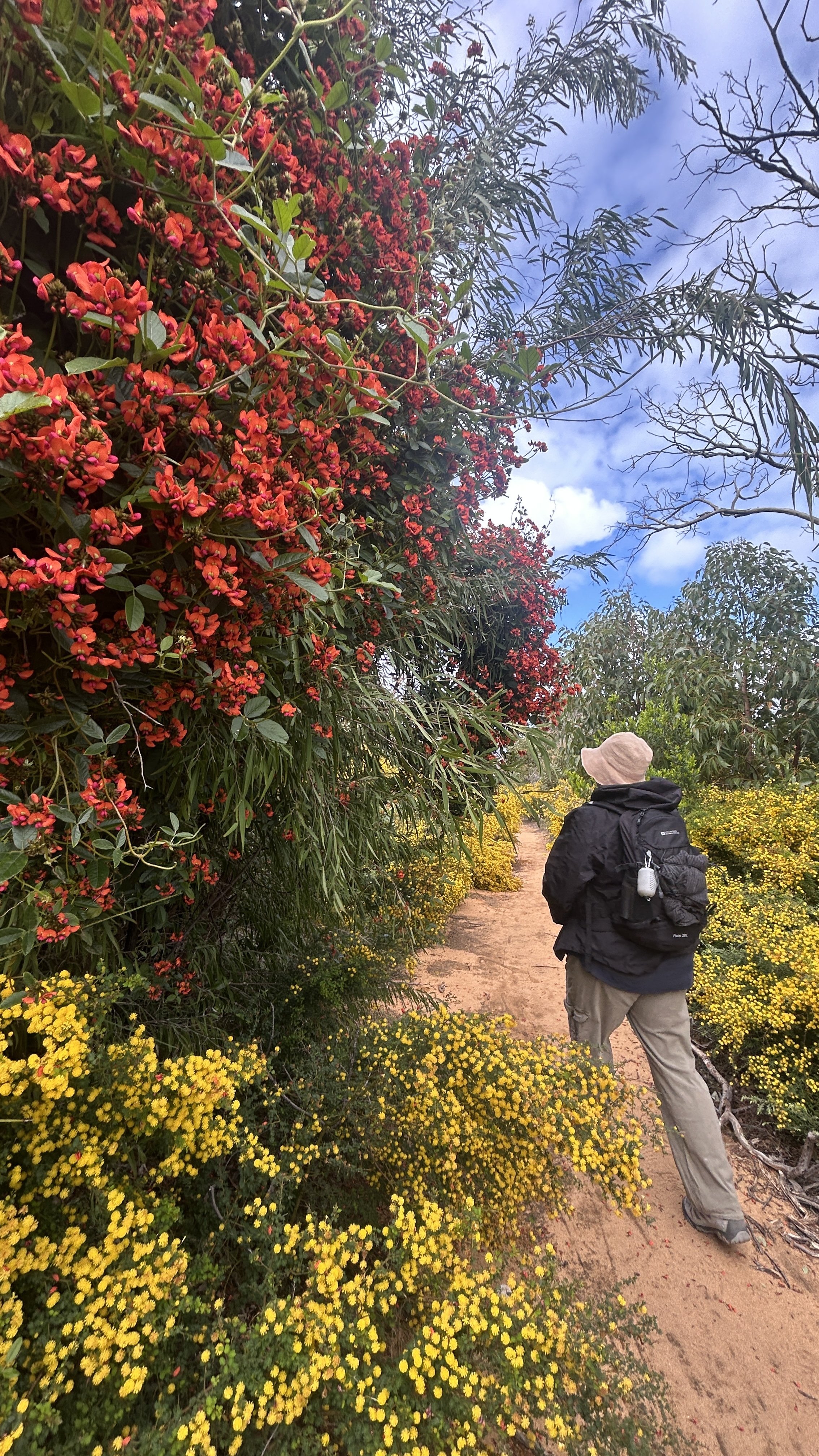
Walking towards the Boranup Forest from Contos Campground
2. The wildflowers are abundant
There are sections of the Cape to Cape in the middle of Djilba (August and September) where the wildflowers are so dense all you can see is colour, exuberant and loud, calling out for your attention. There are long corridors lined with bright yellow Acacias, pink Pimelias and blue Scaevola. Further along the native Rose bushes and coastal Boronia line the paths.
Kangaroo paws stands up red and green against the grey-green scrub. Banksia flower spikes glow gold in the late afternoon light, hovea adds patches of deep purple through the forest, and if you slow down and look properly, cowslip and spider orchids are tucked low under lower bushes and leaf litter.
And as the season moves into Kambarang (October and November) the trigger plants start blooming and the grass trees spikes and poppies turn white.
It’s magic. Pure floral magic.
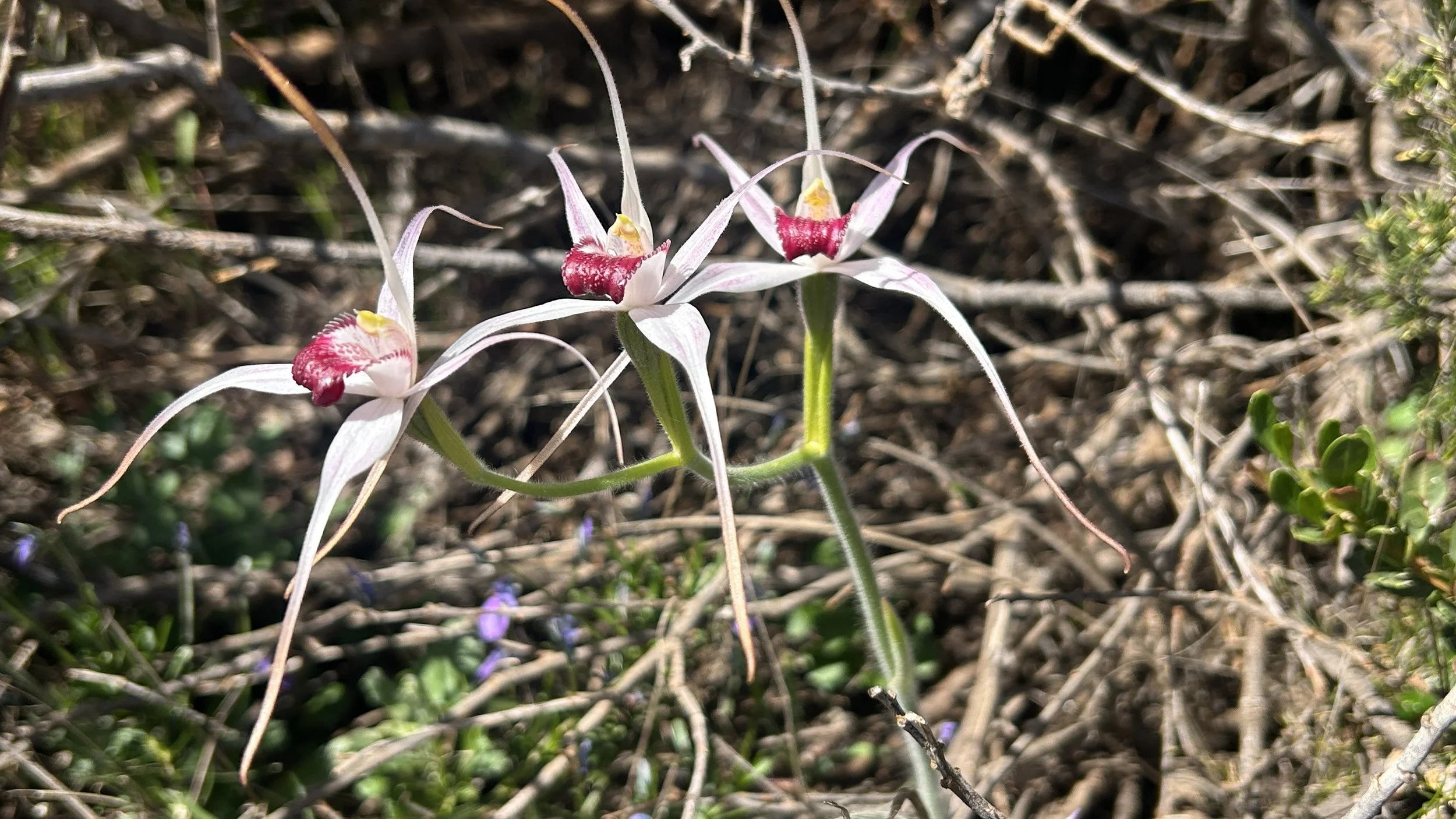
Spider Orchids near Moses Rock
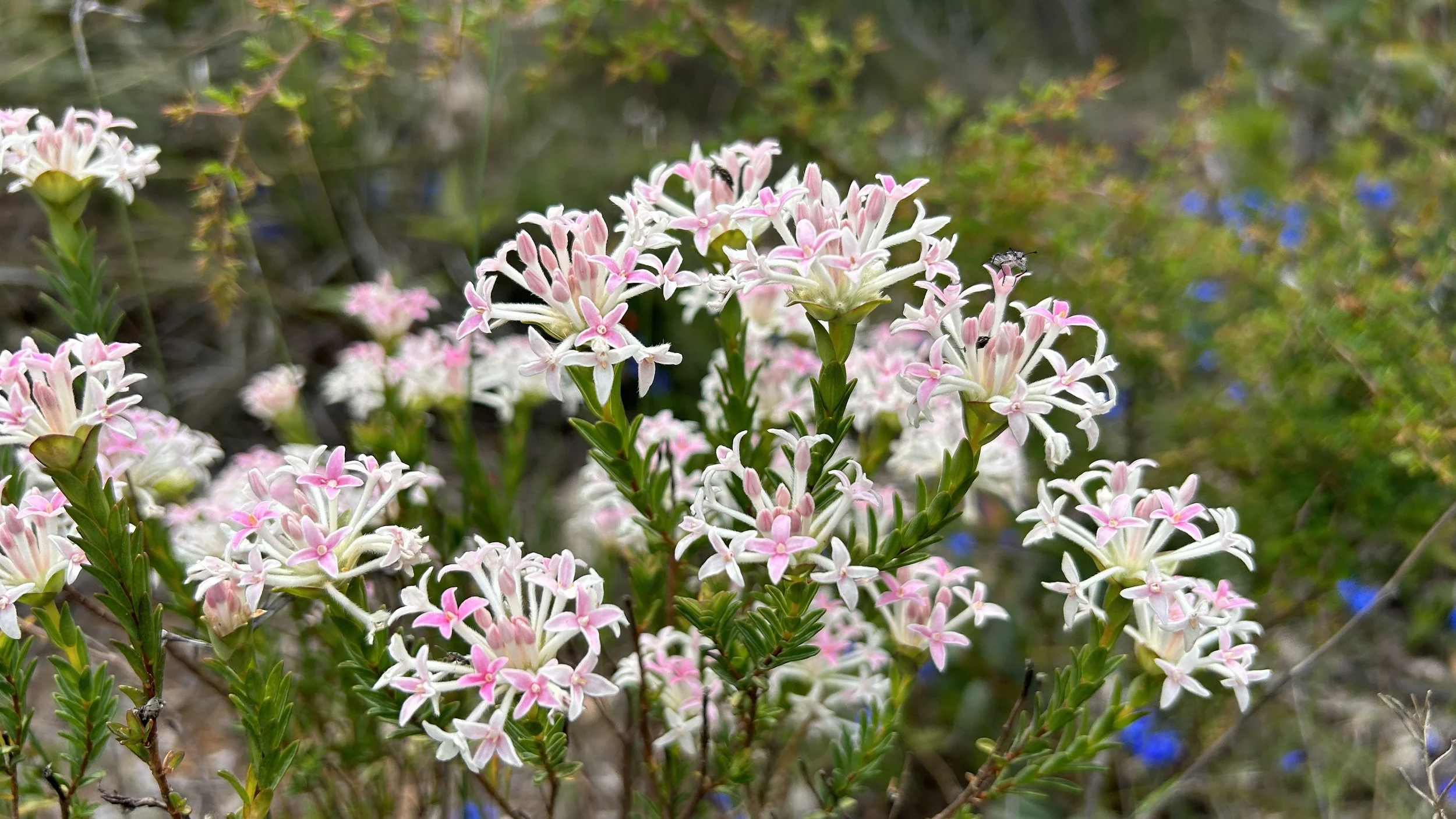
Pimilea sp.
3. The Artist Open Studios inspire us
There's a reason this part of the world turns creative in spring, and it isn't just the wildflowers, though I don't think it's a coincidence either.
Every September, Margaret River Region Open Studios opens the doors of around 150 local artists' studios across the region, painters, potters, sculptors, jewellers, furniture makers, and lets you step directly into their creative spaces.
What a privilege to be able to step into the intimate space where artists create and bring new things into the world.
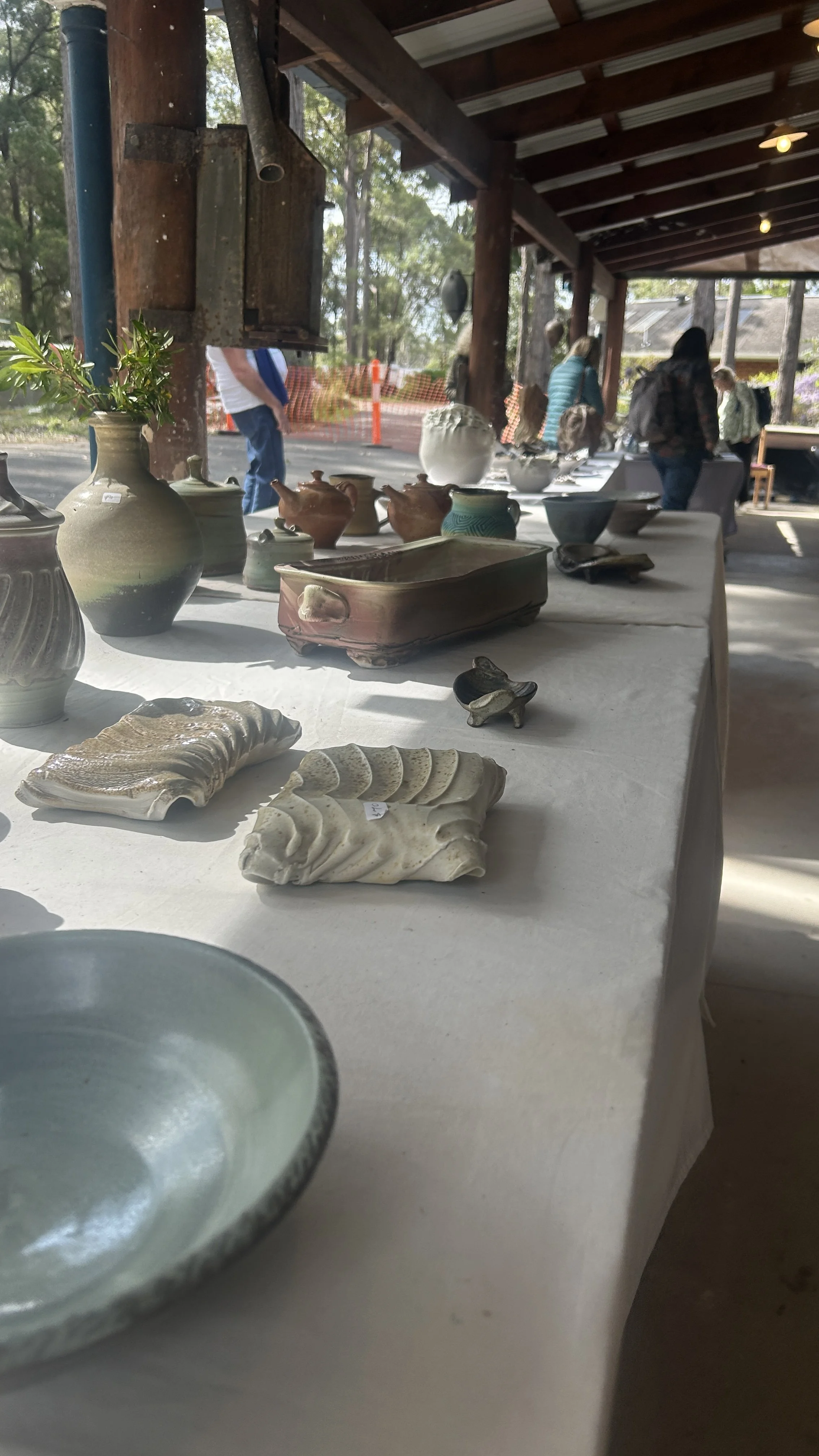
Ian Dowling’s studio is a regular on our visits.
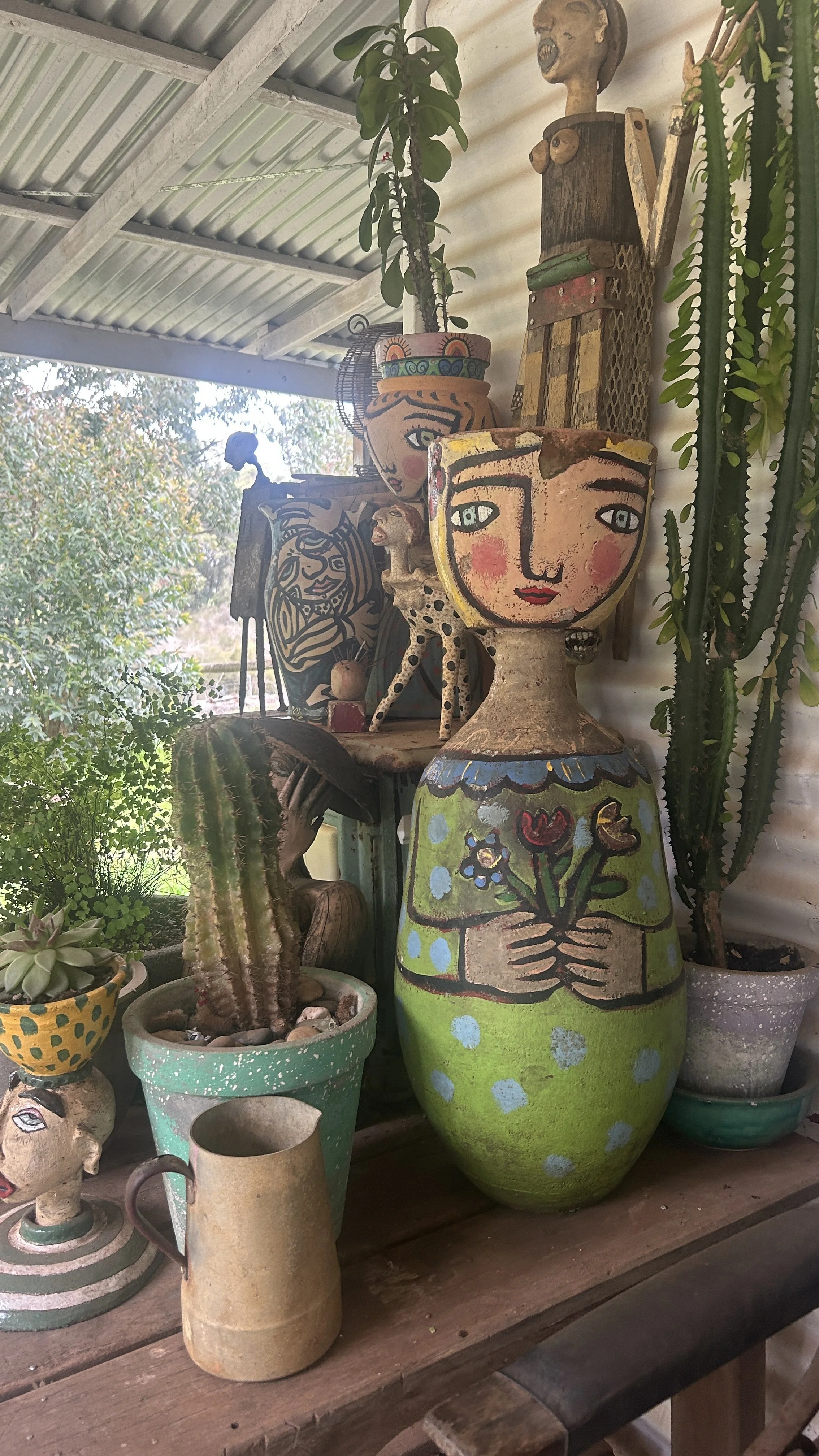
Rebecca Cool - always a inpiring
4. Walking out doors makes us well … and feel good
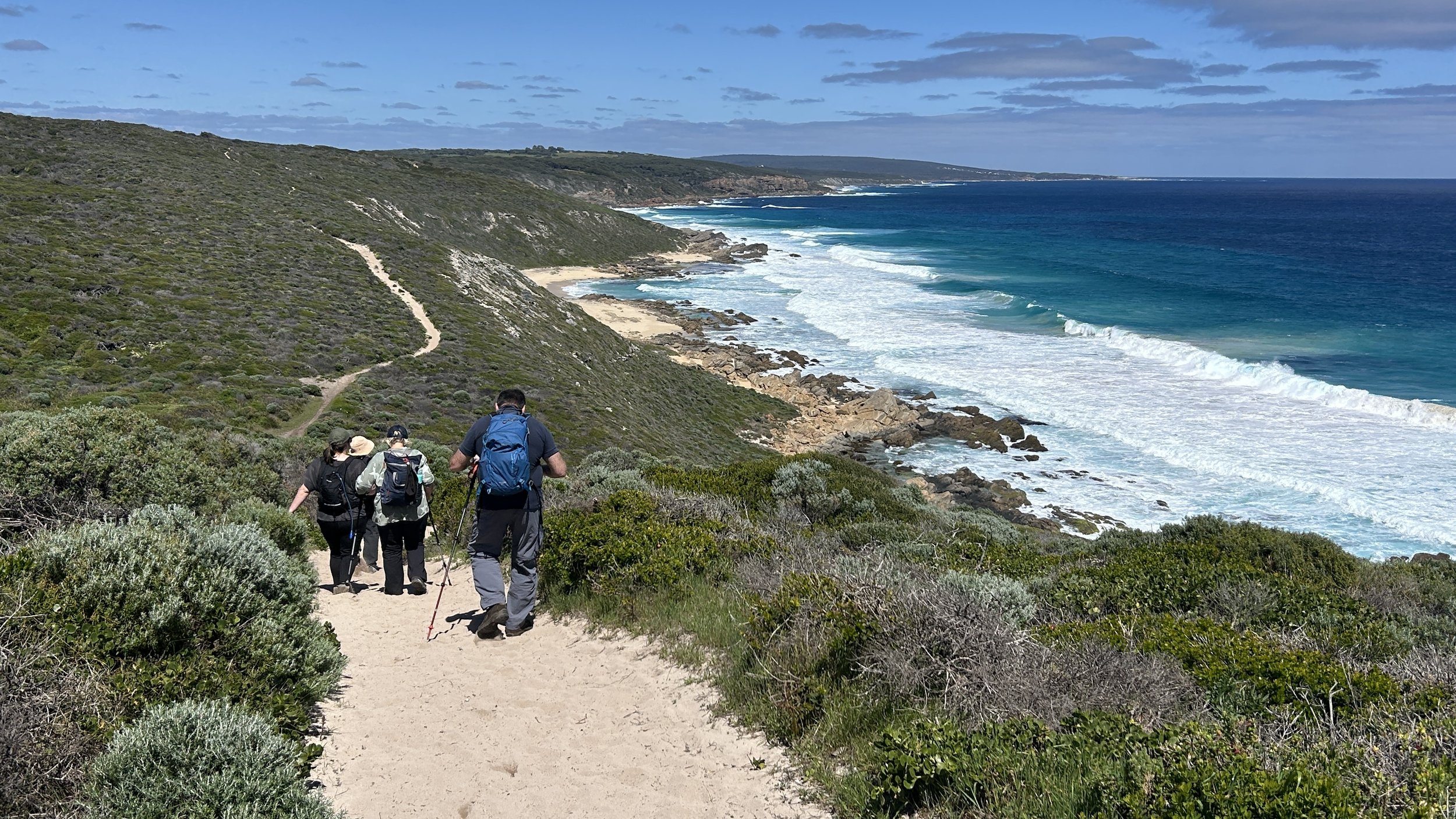
Walking towards Gracetown from Moses Rock
Within minutes of being outdoors, walking, breathing ocean air, exhausting your legs, moving through the wildflowers, you can literally feel your nervous system settle.
You start to feel connected, supported, and more alive.
It feels good to spend time in nature and it makes us well.
There are many other reasons, the views are magnificent, the birds are plentiful, the beaches are pristine, the more time you spend there, the more reasons you’ll find.
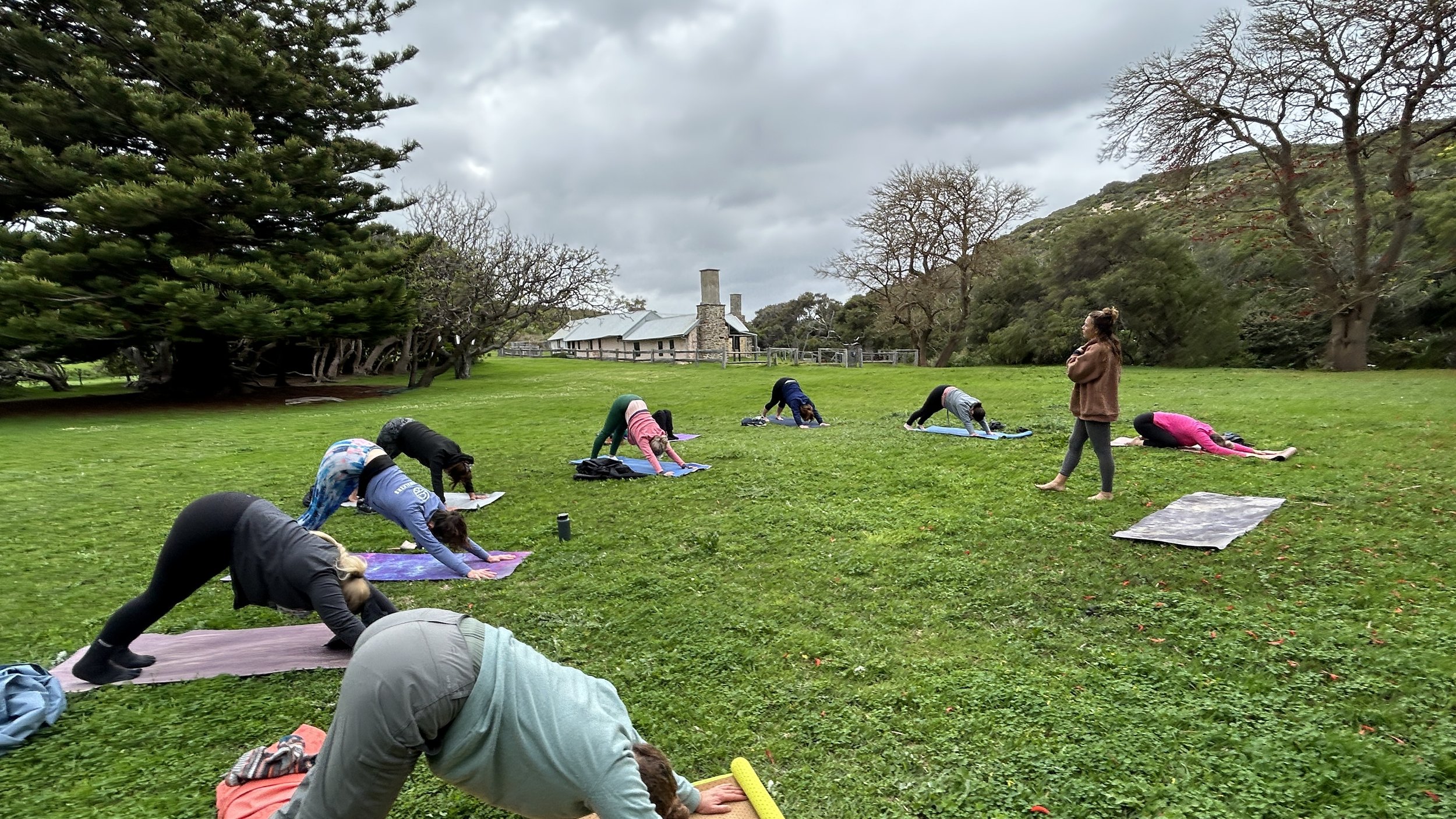
Yoga at Ellenbrook Homestead
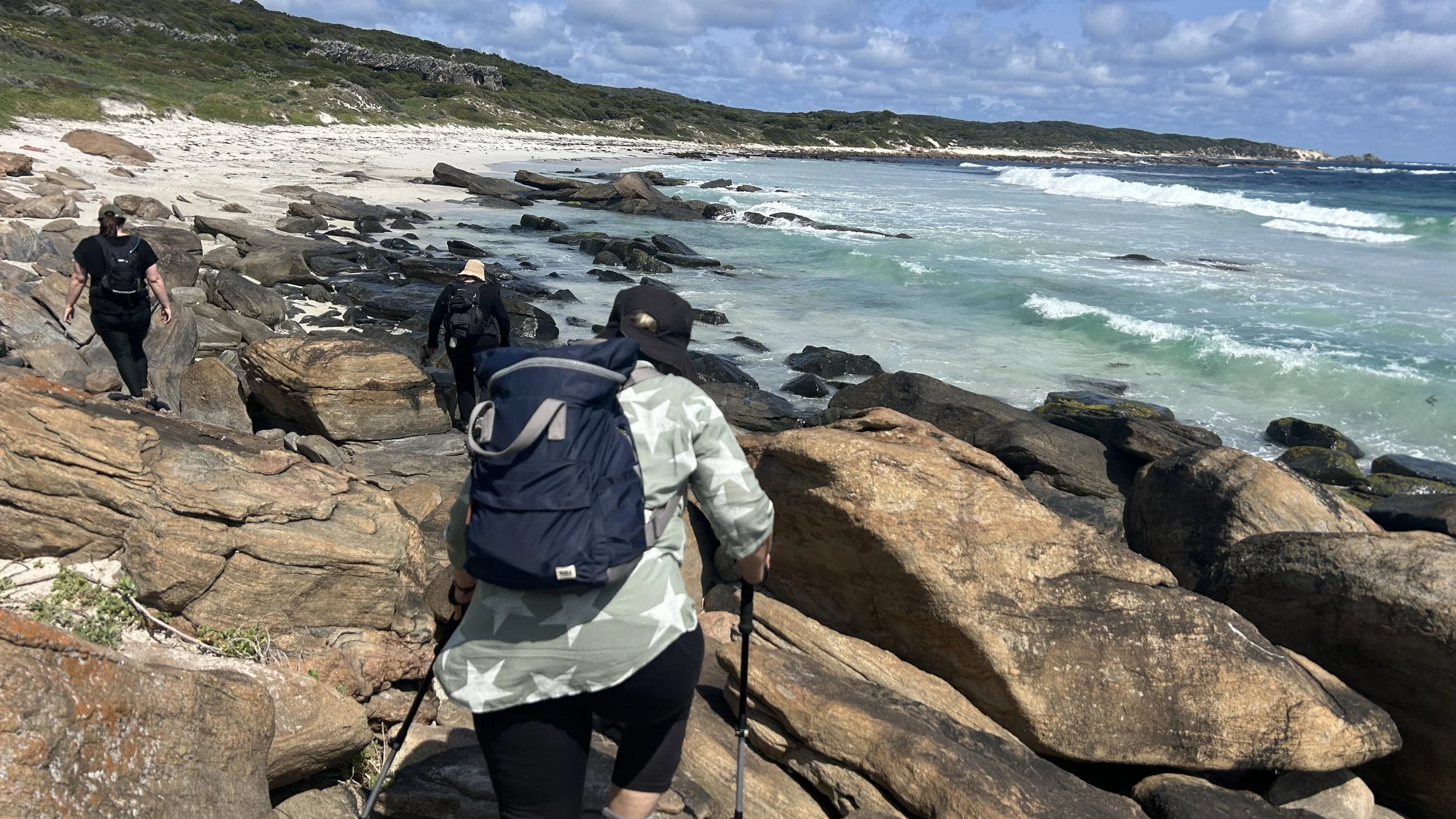
Cape to Cape - Kilcarnup Beach towards Rivermouth