
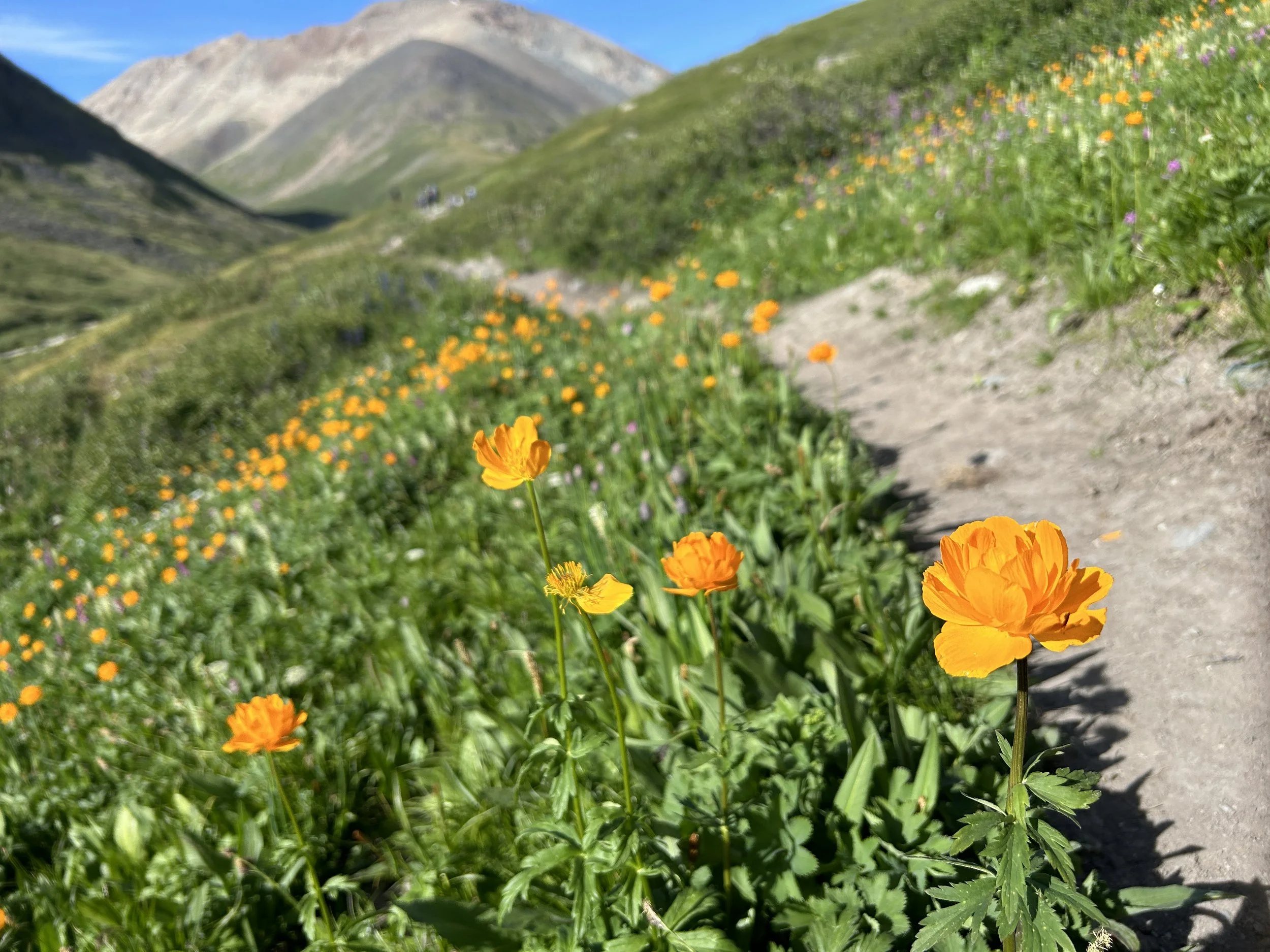
In the far northwest corner of Mongolia, where the Altai Mountains meet Russia, China, and Kazakhstan, Tavan Bogd National Park guards five glaciated peaks and a landscape of scree, tundra, larch forest, and boggy alpine meadow. Every spring and summer, as the snowmelt floods the valleys, the ground fills with flowers that herding families here have gathered for medicine and meaning for generations.
Below are some of the same species photographed on past walks through the park.
Iceland Poppy — Papaver nudicaule
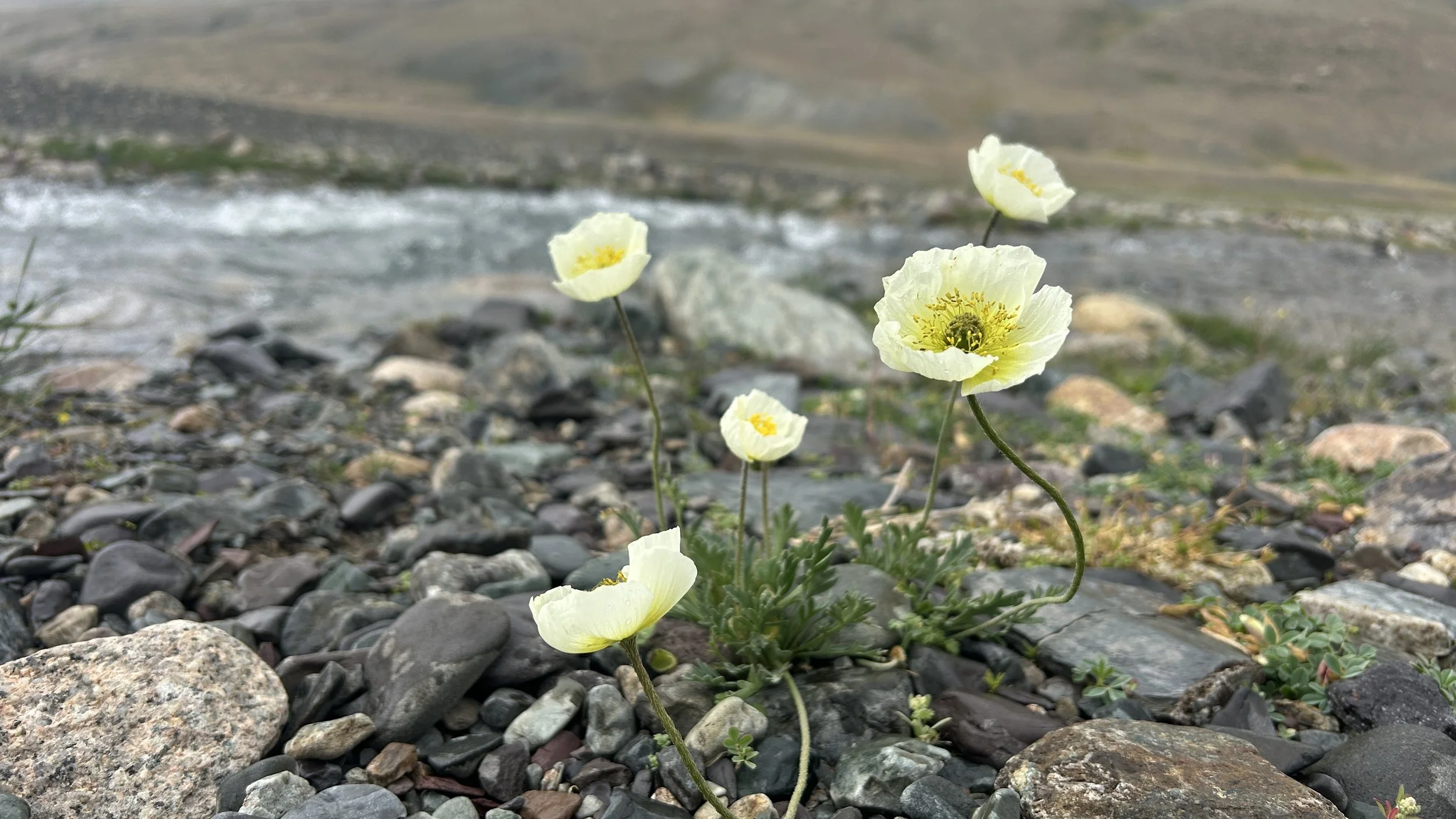
Iceland Poppy — Papaver nudicaule
The park's signature bloom, its papery yellow, white, or orange petals nodding on bare stems above the scree near Potanin Glacier. In traditional Mongolian medicine it is known as a “wound healer”: combined with other herbs into the classic formula Govo jad-5, it is used on fresh wounds, torn blood vessels, and old injuries, while a mix of four poppy species is boiled and drunk for dysentery and intestinal inflammation.
Siberian Globeflower — Trollius altaicus
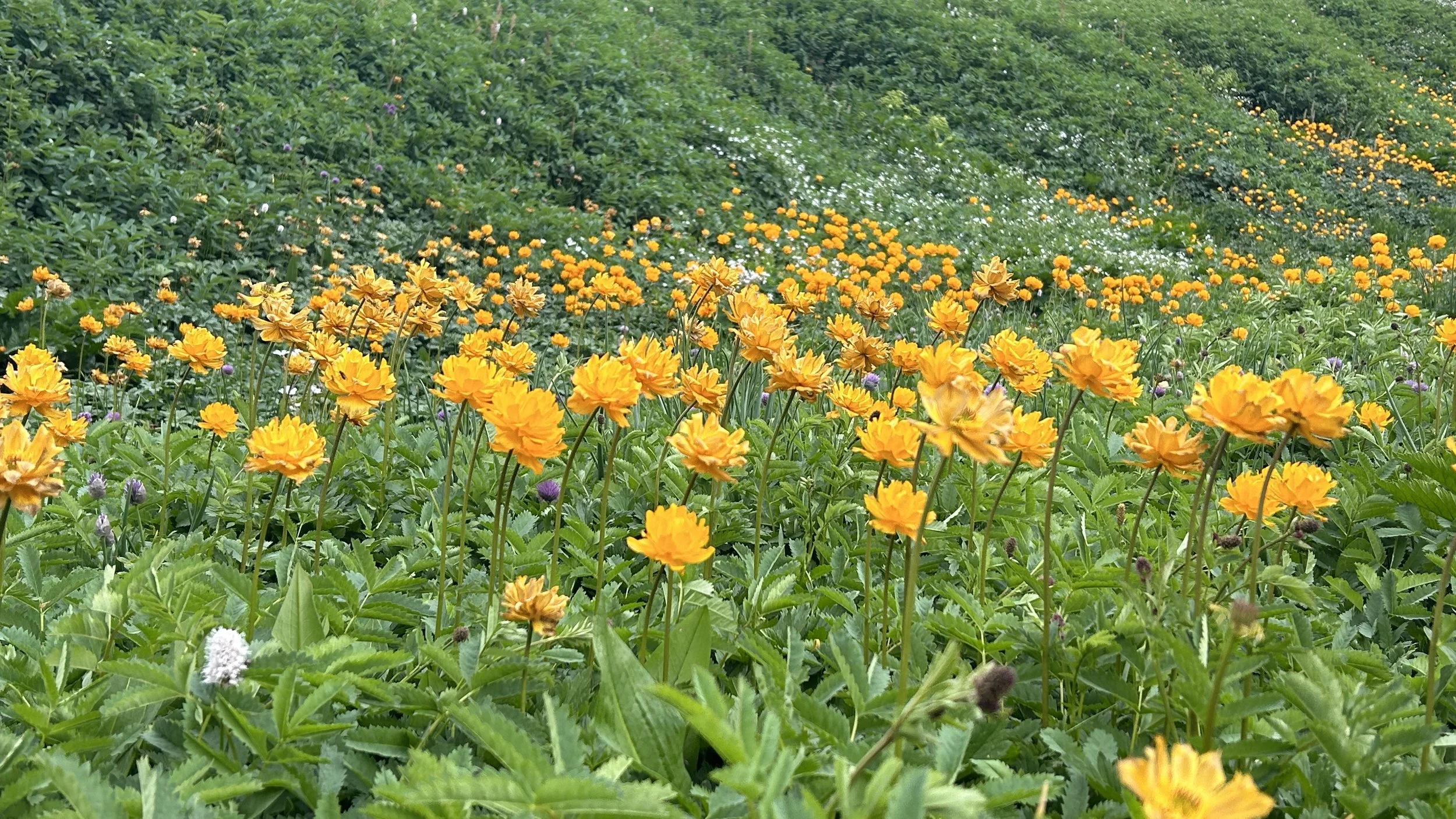
Siberian Globeflower - Altai Tavan Bogd National Park
Lights up wet meadows and streambanks with globes of golden-orange, closed petals that never fully open. Its Chinese relative, Trollius chinensis, has a long medicinal history for fever, sore throat, and infection, and Altai herders have traditionally regarded the globeflower in similar terms, as a plant of the wet ground linked to clearing heat from the body.
Pink Thistle — Rhaponticum uniflorum
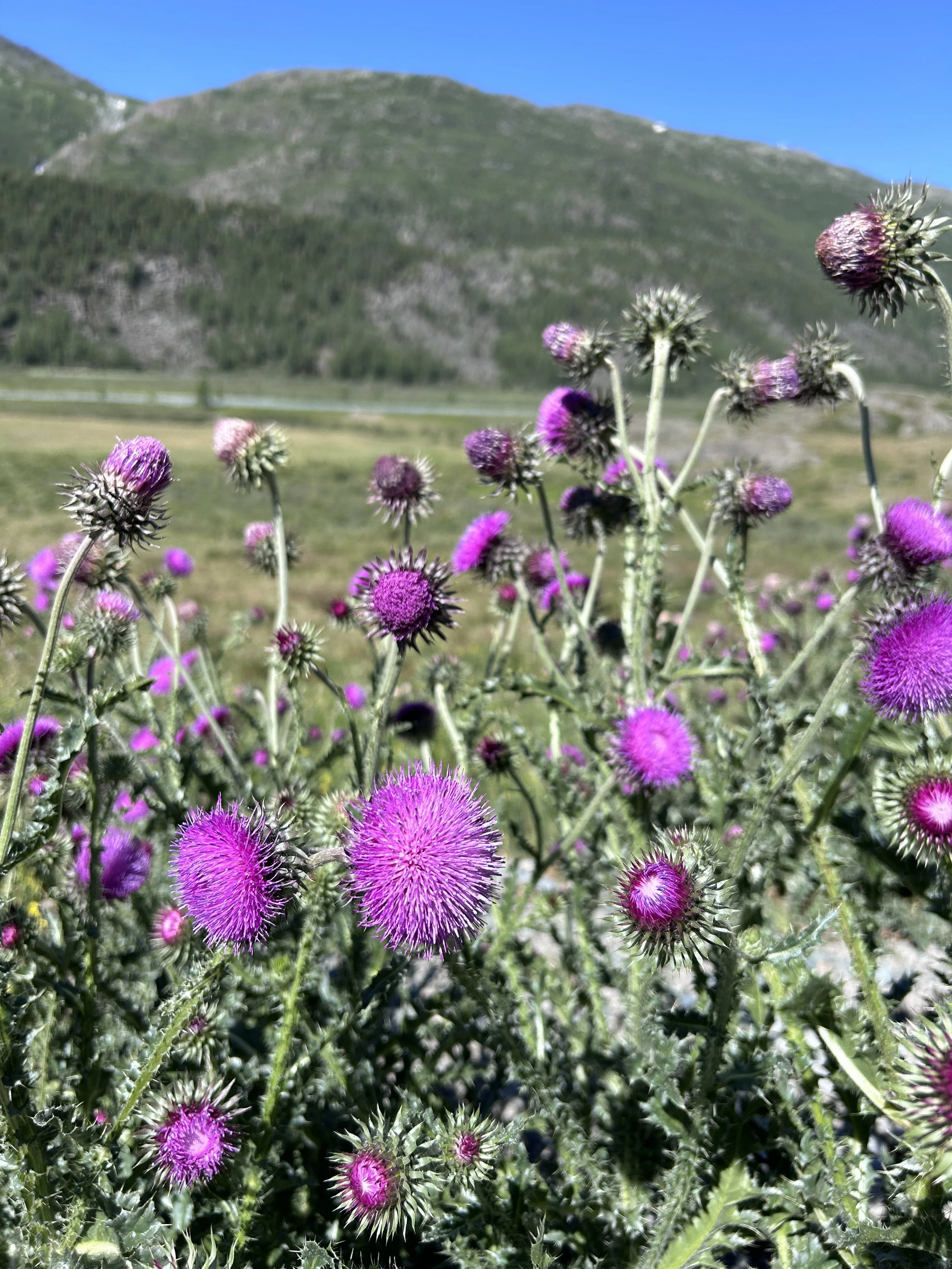
Pink Thistle — Rhaponticum uniflorum
Its rose-purple, thistle-like flowerhead stands out against dry, stony slopes. Across Mongolia, Siberia, and China it is brewed as a water decoction and used as an anti-inflammatory tonic believed to restore vitality and strength to the body, particularly after illness or exhaustion.
Locoweed — Oxytropis sp.
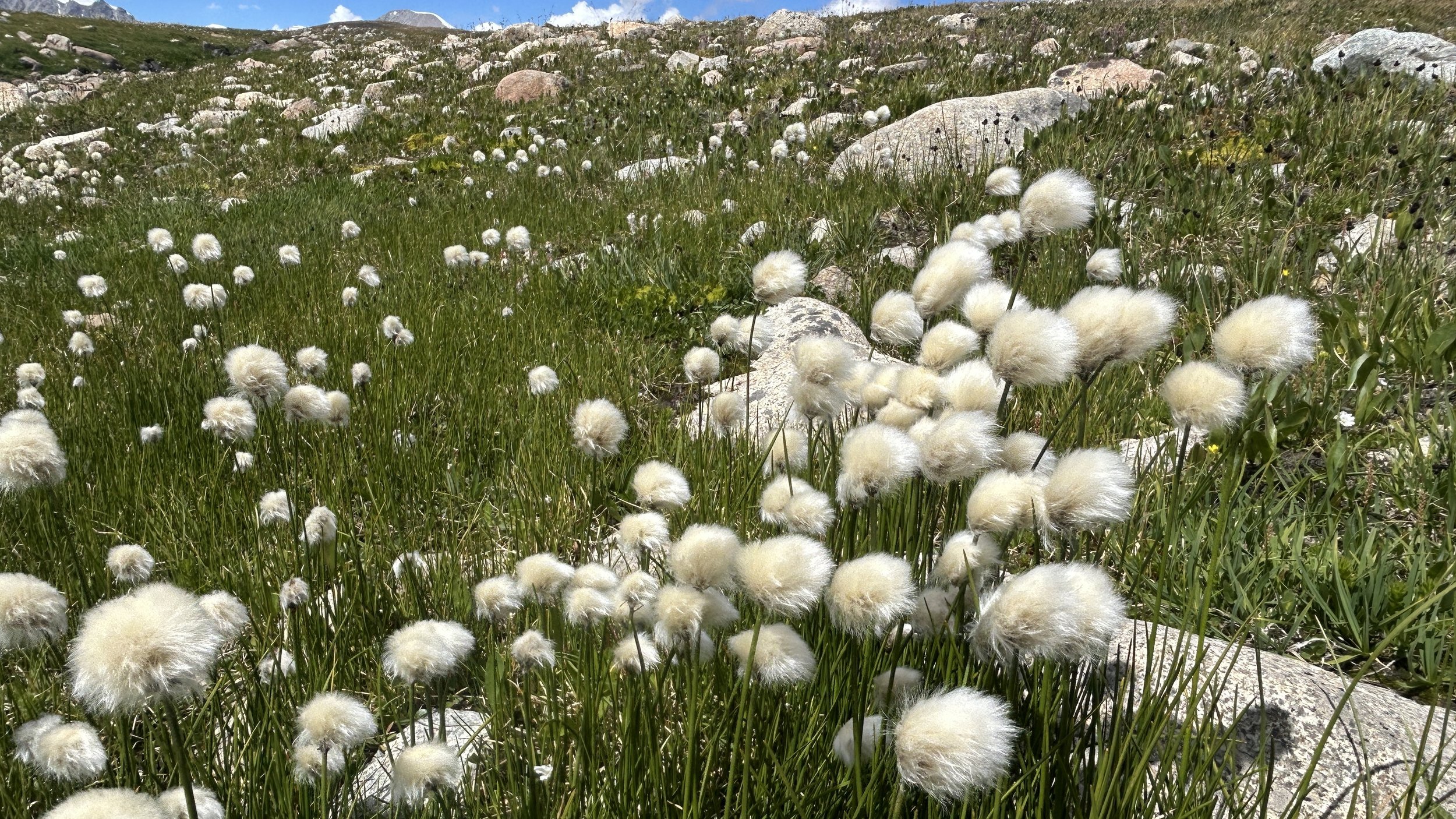
Locoweed near basecamp - Tavan Bogd National Park
Carpets whole slopes in purple-blue in a good year, and is treated with real caution by herders: eaten by livestock it causes “locoism,” a debilitating neurological illness. Yet in traditional Mongolian and Tibetan medicine the same plants are prepared for pain relief, inflammation, and bleeding — a flower that is simultaneously feared and used, watched closely wherever animals graze.
Bird's-Eye Primrose — Primula nutans / Primula algida
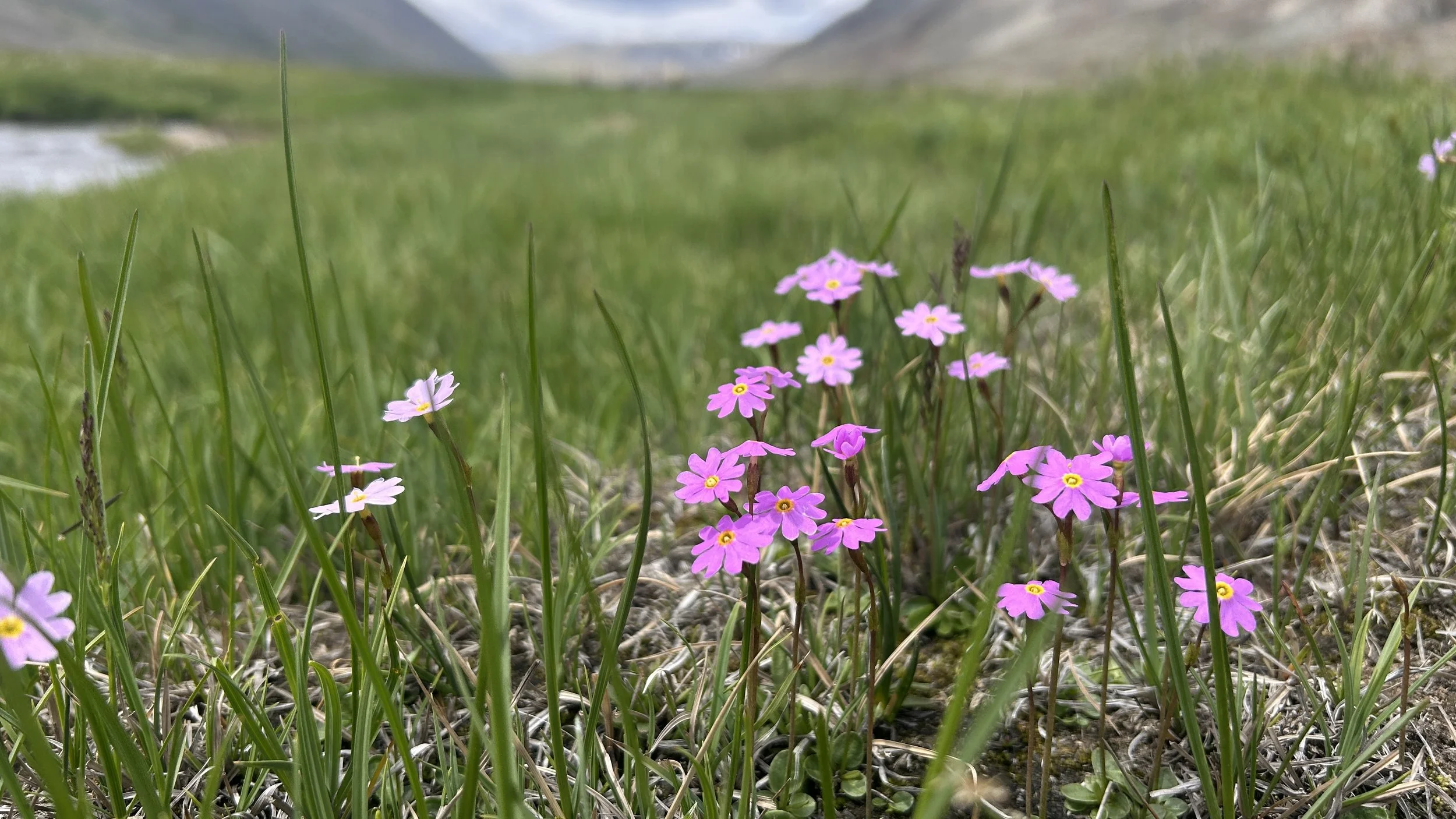
Bird’s Eye Primrose - Primula nutans / Primula algida
Clusters of small, notched pink-magenta flowers with a bright yellow eye, held on bare stalks above wet, grassy turf near streams and bogs. Across the Primula genus, the roots and flowers are traditionally valued as a source of expectorant and diuretic remedies, thanks to their high content of phenolic glycosides and saponins — one of the reasons primroses feature widely in folk medicine across Europe and Asia. Precise Altai-specific lore for this species is thin in the record, so treat the traditional-use note as genus-level rather than confirmed local practice.
China Pink — Dianthus chinensis
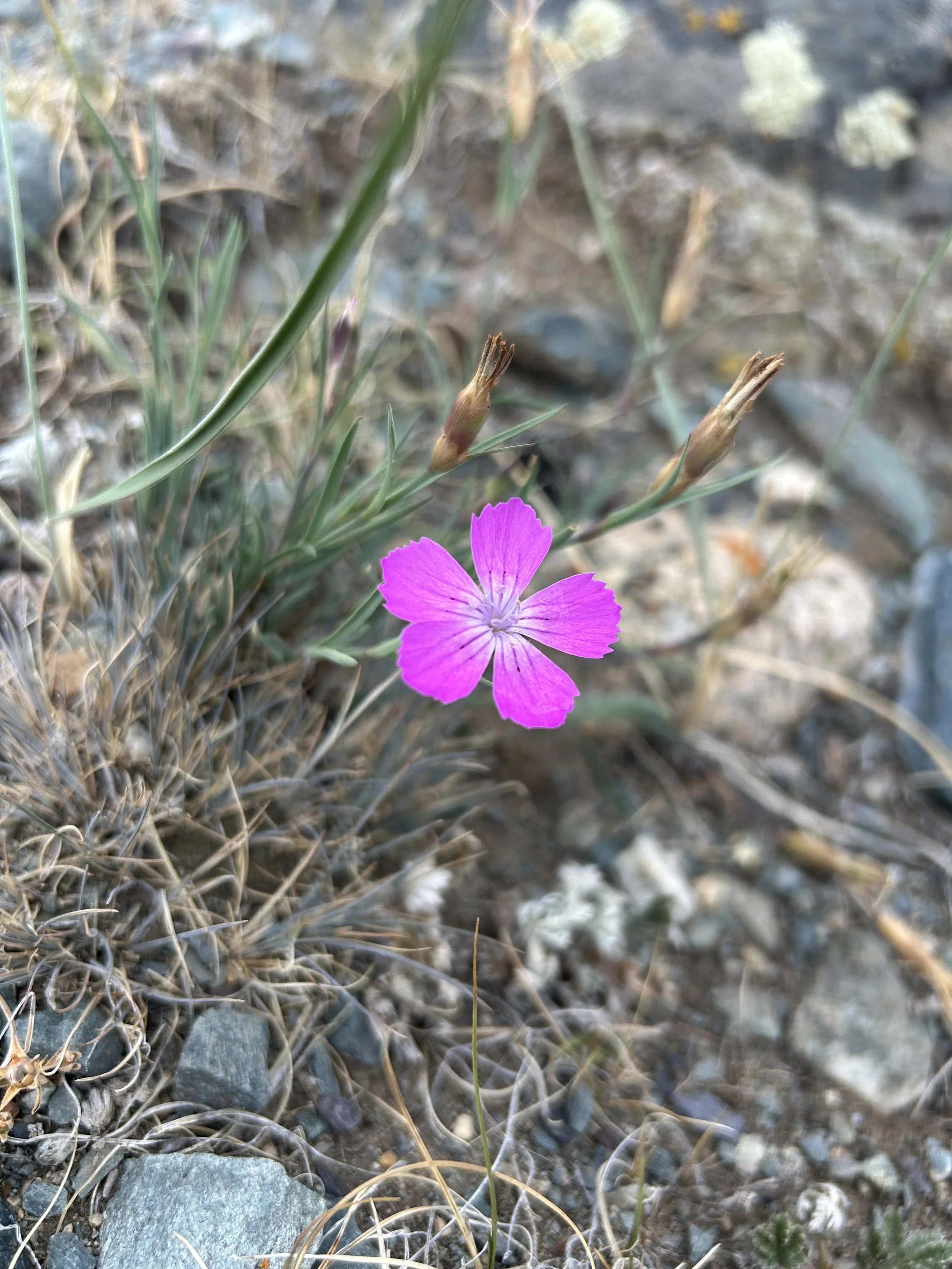
China Pink — Dianthus chinensis
Scatters small, fringed pink-and-white blooms through the drier turf. Traditionally it is taken for urinary complaints and applied to skin inflammation, while its flowers are valued as an astringent and wound remedy.
False Chamomile - Tripleurospermum ambiguum
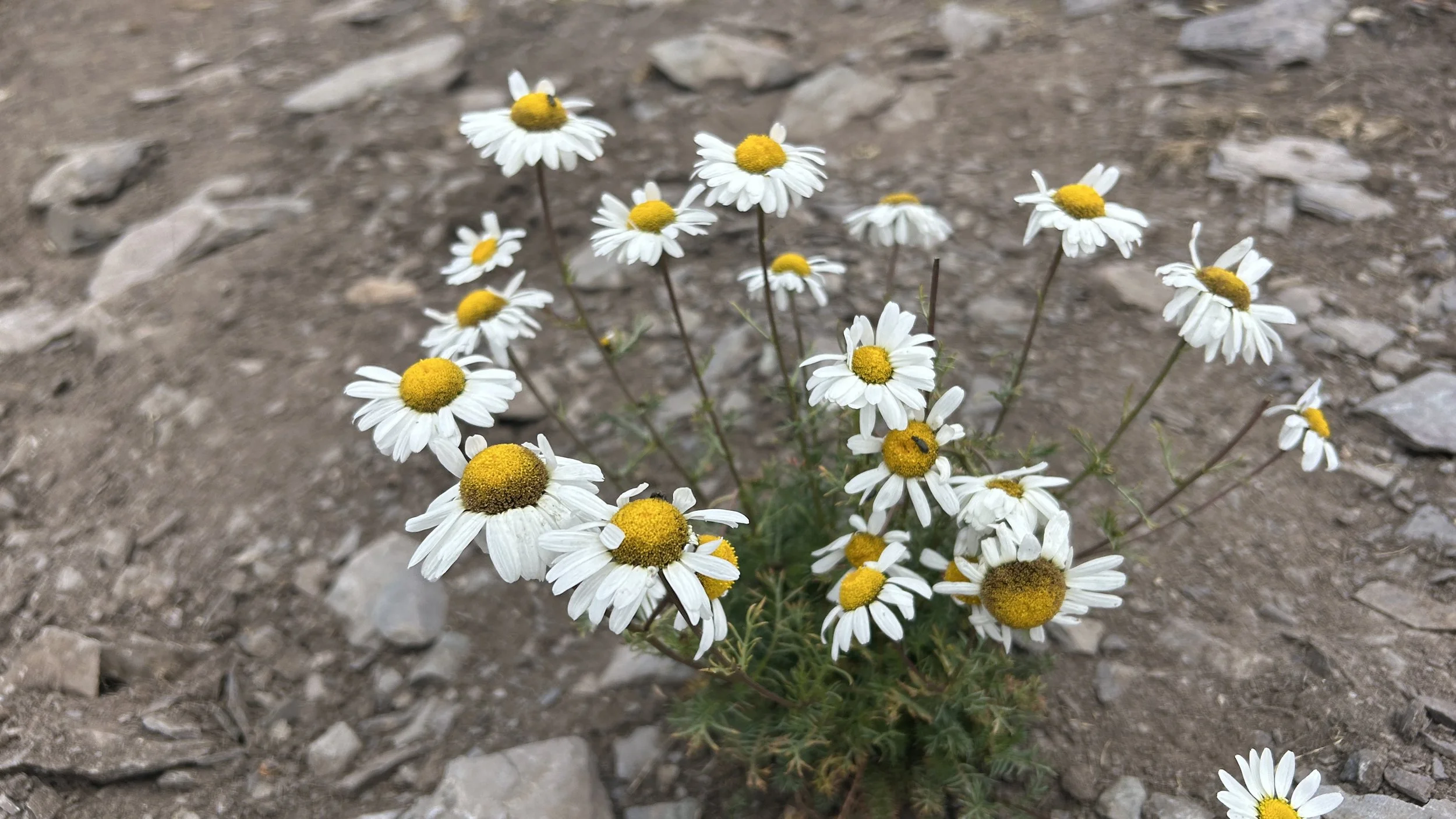
Tripleurospermum ambiguum